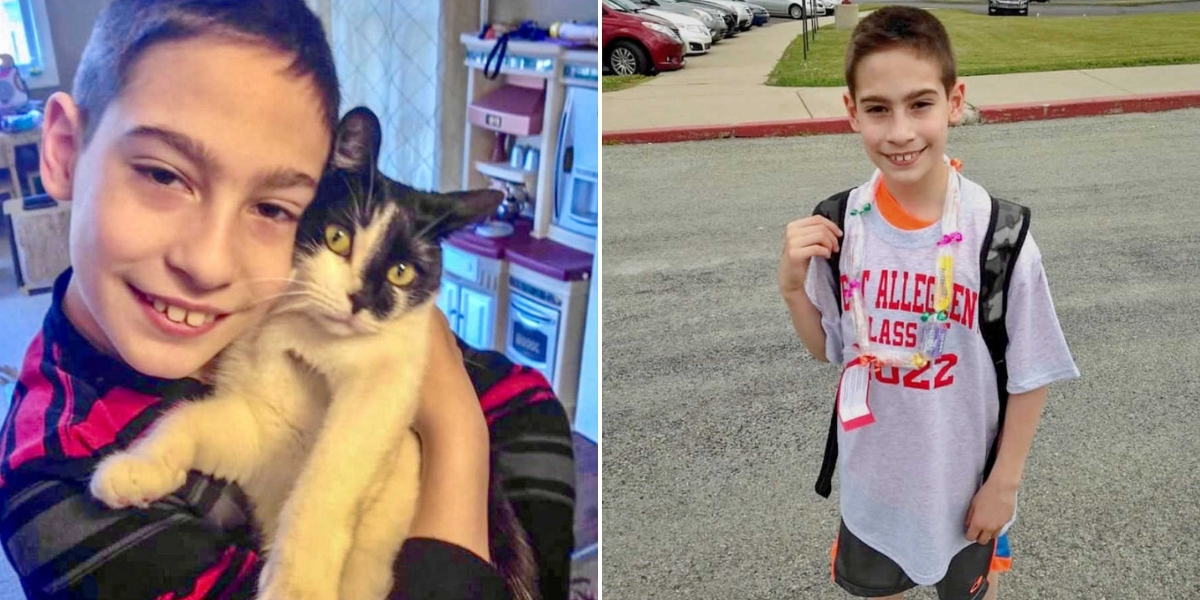
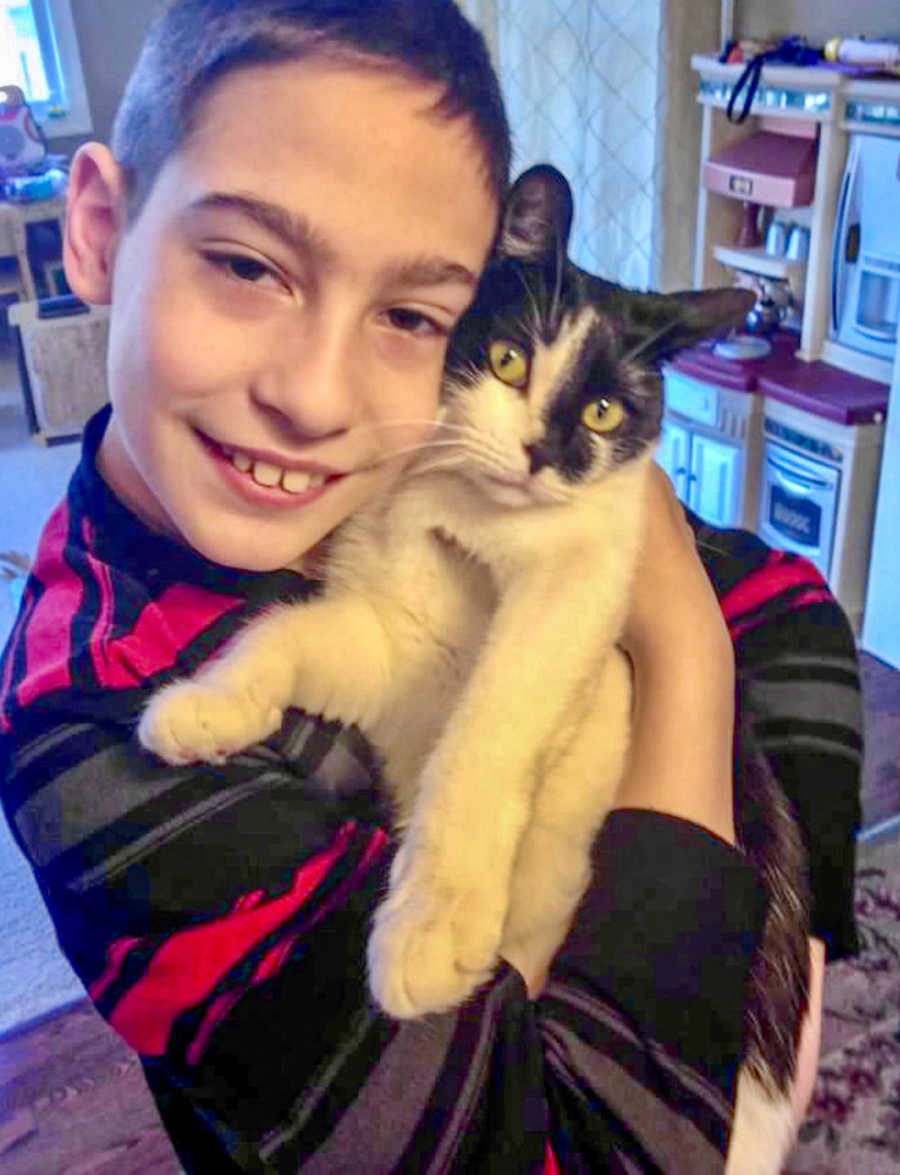
It was the Wednesday before Easter break, and the kids had a half day of school. Evan was twelve years old and in sixth grade, and Ava was six, just finishing kindergarten. Evan got home first that day, clearly upset about a disagreement he’d had with a friend earlier at school. We sat down together on the couch and talked it through. He had always told me everything—until this day. We shifted the conversation to happier things, talking about Easter break plans and celebrating his cat’s second birthday. As we made plans, his mood seemed to lift, and he felt more like himself again.
He told me that he and his friends had made plans on the bus to play after school. He ran upstairs briefly and then came back down, excitedly pointing out a watch he was wearing. He said he had found it in his room and decided to wear it. Moments later, he ran out the front door toward his friend’s house. Not long after, my daughter arrived home, and we went upstairs together. I soon heard Evan open the door and shout up that his friends weren’t home. He was confused, especially since they had just talked about playing together.
I then heard him go into the garage before coming back inside and yelling upstairs that he was going to play at the tree stand. It sat in a small wooded area behind our neighbor’s house, a place he played often, so I didn’t think anything of it. A little while later, my daughter left to play at a friend’s house two doors down. I walked out back and called for Evan, but he didn’t answer. I assumed he might have run down the street to check on another friend.
I went back inside to do a few things, then stepped outside again and called for him—still no answer. I saw my daughter playing and walked over to ask if she had seen her brother. She said he had been running around in the backyard and then went back into the woods. My neighbor was outside, so we chatted for about ten minutes. As I walked back home, I stopped at the back of the yard and called for Evan again. I could see the tree stand, but I didn’t see him.
I went back inside to put a pizza in the oven. Evan had parkour that evening, and I wanted to make a quick dinner before we left. When he still didn’t respond, my worry deepened. I walked into the woods and saw him kneeling by the tree. He wasn’t answering me. As I moved closer, I saw the rope. I grabbed him, lifted him up, and began screaming for help. I remembered my phone and called 911. I didn’t know exactly what had happened, but I knew it was bad.
When the ambulance and police finally arrived and took him from my arms, I collapsed to the ground. I can still remember the feeling of leaves sticking to my wet face. A detective pulled me toward the house. I stopped at the bottom step of the deck and tried calling my husband, but I couldn’t get through. I called my aunt and uncle to come over, then called a family friend to pick up my daughter. They wouldn’t let me near my son and brought me inside.
I knew it wasn’t good. I knew he wasn’t breathing and wasn’t getting oxygen—and I knew what that meant. I don’t know how much time passed, but my uncle rode in the ambulance with Evan. A neighbor drove me to the hospital, where I met my husband. The doctor was crying as he told us they had done everything they could, but Evan’s heart never restarted. He asked for permission to stop working on him, explaining that he was now brain dead.
They allowed my husband to see him, but I couldn’t bring myself to go in. I didn’t want to see what they were doing. When everything was finished, they brought Evan to us. At that point, we believed he had died by suicide. We were completely confused. Evan wasn’t suicidal. Yes, he’d been upset and dealing with bullying and school issues, but we were actively meeting with the school, and things were improving. We were making plans. Suicide didn’t make sense—but we didn’t know what else to think.
Later, the coroner’s office called to say the cause of death was suicide. I remember that call clearly. I wanted to say it couldn’t be right, but the words wouldn’t come. I was shattered. My sweet boy was gone. My husband and I began researching obsessively, desperate for answers. That’s when we discovered something called the choking game, also known as the pass-out challenge. It can look like suicide, but it isn’t—it’s one of the many deadly internet challenges circulating online.
I contacted the lead Medical Examiner and requested a psychological autopsy. He agreed Evan’s death was accidental and changed the cause of death to accidental asphyxiation. We later learned the challenge had been circulating at the middle school and that bullies had dared Evan to try it the day before he died. The school denied this, calling it an isolated incident and insisting their students weren’t involved, though we know that isn’t true. They refused to notify parents or students.
Without our knowledge or consent, the school sent an email to the entire district stating that our son had died by suicide, suggesting it could be linked to a mental health disorder. Evan had ADHD, anxiety, and high-functioning autism—but he was not suicidal. To this day, the school refuses to allow his classmates to do anything in his memory, even though they’ve honored students who passed away after him.
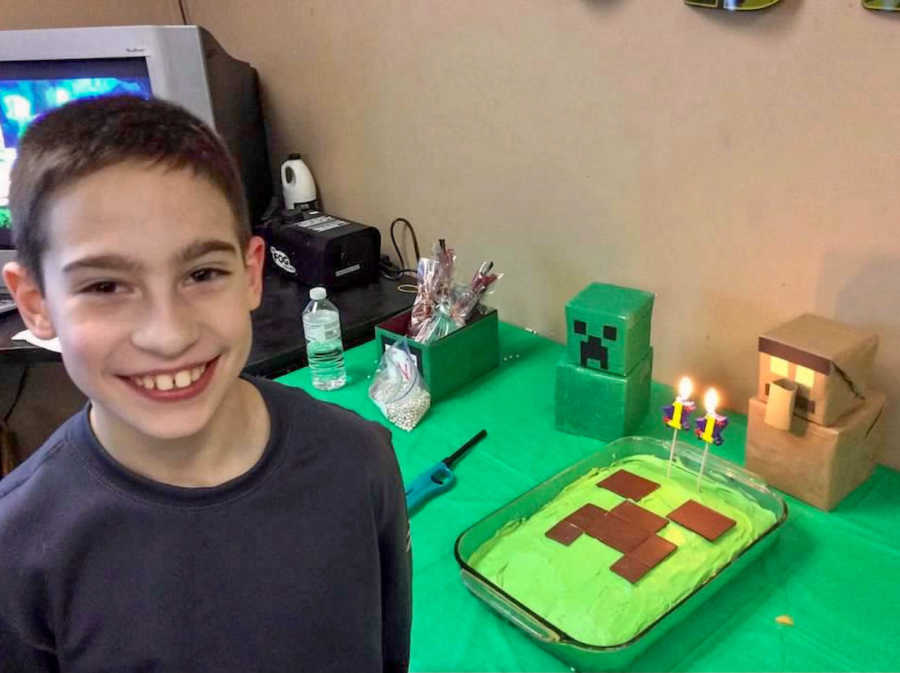
We later learned that students were still playing this so-called game and showing videos to kids during school. This dangerous behavior has existed for over 50 years, but social media and YouTube have made it far more widespread. It’s presented as a game, but it’s anything but that. Children as young as six have died from it, with the average age ranging from 9 to 16. Please, talk to your kids.
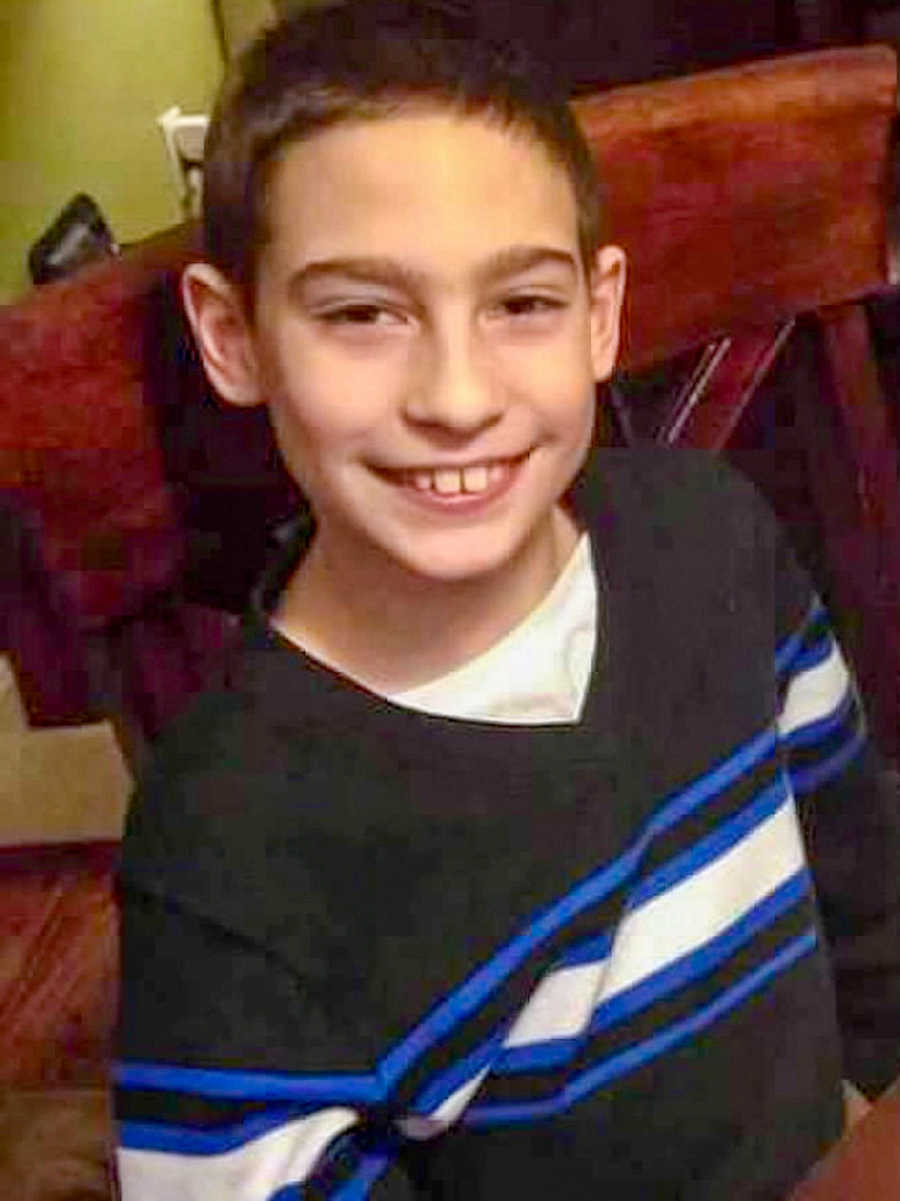
Cutting off oxygen to the brain causes rapid and irreversible damage. After just seconds, a person can pass out. After four minutes, brain damage and death can occur. I believe Evan planned to do this with friends but tried it alone when they weren’t home. He used the watch to time himself, but he passed out sooner than he expected. I had never heard of this challenge before, so I never had the chance to warn him.
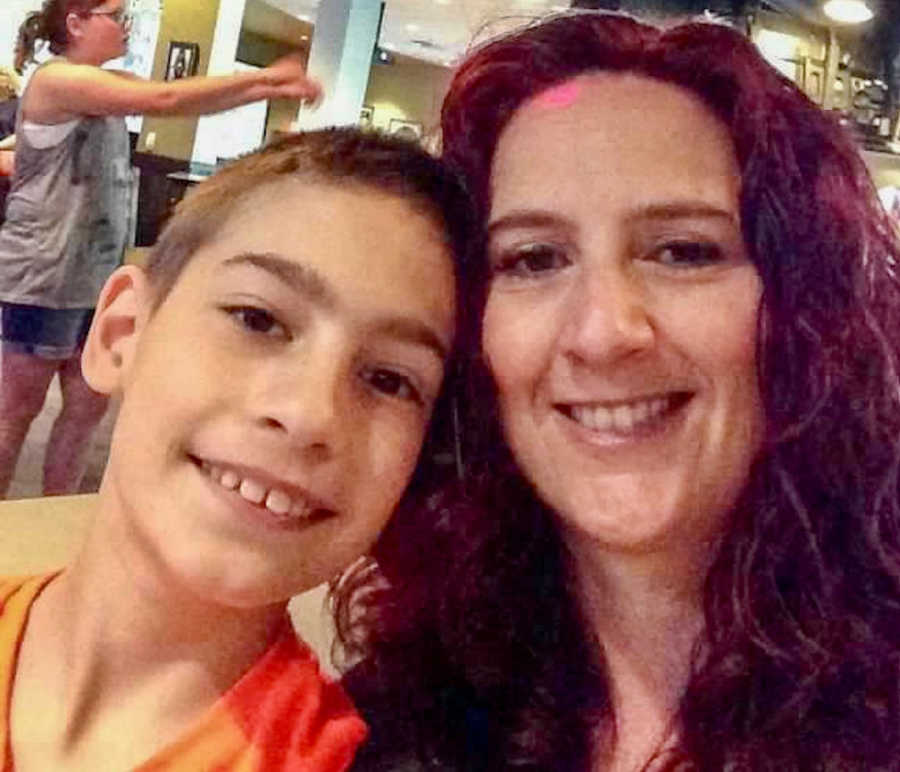
I share Evan’s story so other parents will have the opportunity to talk to their children—and so no one else has to experience the pain of losing a child this way. No child is immune. I never imagined I’d lose a child, especially not like this. Evan was smart, kind, and caring. But even smart kids can make tragic mistakes. I know he would want his story told to save lives. Evan was a good kid…he just made a bad choice.