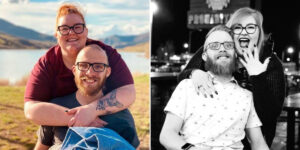
Have you ever taken a step back and really looked at your life? Thought about everything you’ve been through, and wondered how it all turned out? Does it look like you expected, like you had imagined? I find myself doing this often now, as my husband and I enter our seventh year of trying to conceive. I’m 32, almost 33, and still childless. Would I ever have imagined this is how my story would unfold? Not in a million years.
I’ve always known I was born to be a mom. From the moment I could hold a baby doll, my mother would say I’d never put it down. I always wanted to ‘play house.’ Being the youngest of three, I never had the experience of a baby sibling, but every time I visited a friend’s home with a new baby, I was immediately drawn to that little one. I wanted nothing more than to hold them, to cradle them, to feel that connection. Fast forward thirty-some years, and that longing hasn’t faded.
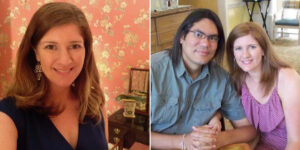
My husband, Tom, and I grew up in the same small town south of Detroit, Michigan. We went to the same schools, played on the same little league teams, and shared many of the same friends. From the start, there was always something between us. We went on our first date in the summer of 2010, and the rest was history. By the next summer, we were living together; by the fall, engaged. He was the calm to my storm, the chill to my chaos. He gave me butterflies then—and still does—and I just knew he was the one.
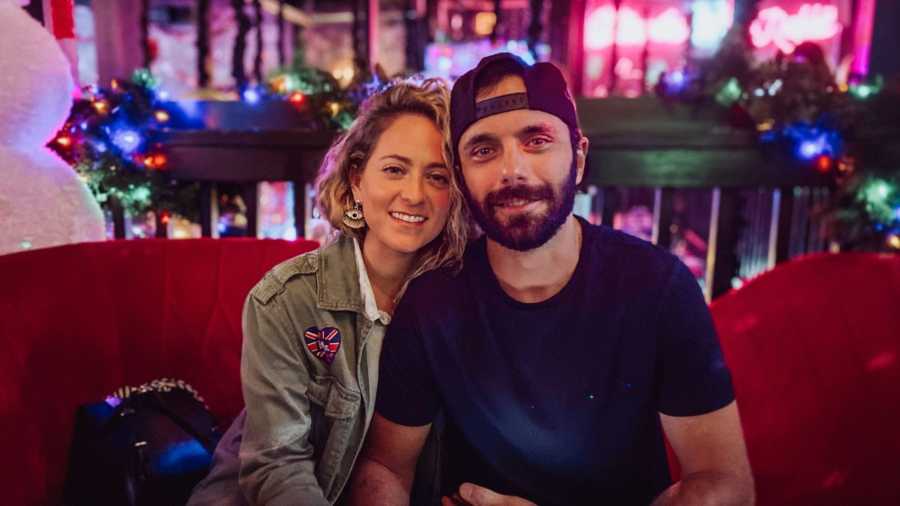
After getting married and moving to Houston, we started talking seriously about having a baby. I was ready. We were ready. But I had been diagnosed with Polycystic Ovarian Syndrome (PCOS) in my late teens, and I knew it might not be easy. My first period didn’t come until I was 14, and even then, I only had them four or five times a year. Long before my diagnosis, I had this gnawing feeling that becoming a mom wouldn’t be simple. Tracking ovulation felt like a never-ending disappointment—no matter the tests, I always got positive results. Every negative pregnancy test brought heartbreak, heartbreak we learned to endure far too often.
After a year of trying without success, we knew we needed guidance. My new OB/GYN ordered blood tests and ultrasounds, marking the start of our journey toward parenthood through science. Around that time, we realized Houston wasn’t for us—we missed Michigan. So we packed up our apartment, left the city behind, and started fresh in the North. Organizing our new lives and jobs took priority, but a bright spot appeared when I accepted a nursing position at the University of Michigan’s emergency department. This job would eventually allow us to afford IVF, something we couldn’t have dreamed of before.
Our first hurdle came when Tom had a semen analysis. Seeing his face fall when we learned his sperm count was abnormally low broke my heart. I immediately reminded him that we were in this together—this wasn’t his fault or mine. It was a cruel combination of diagnoses, but we were determined not to let it stop us. We were going to have a family, no matter what.
A urologist discovered that Tom had bilateral varicoceles—collections of blood vessels in his testicles—which could explain the low sperm count. He agreed to surgery without hesitation, telling me, “If this is what we have to do to have our family, then this is what we’ll do.” And we were in it together, 100%.
But the surgery didn’t fix the issue. Devastation hit hard when our doctors told us IVF was our only option to conceive. Fear, shock, uncertainty—it all washed over us. IVF felt like stepping into the unknown, standing naked in the middle of a crowded room with everyone watching. We were embarrassed and ashamed, but little did we know, we weren’t alone. There was a whole community of people walking the same path.
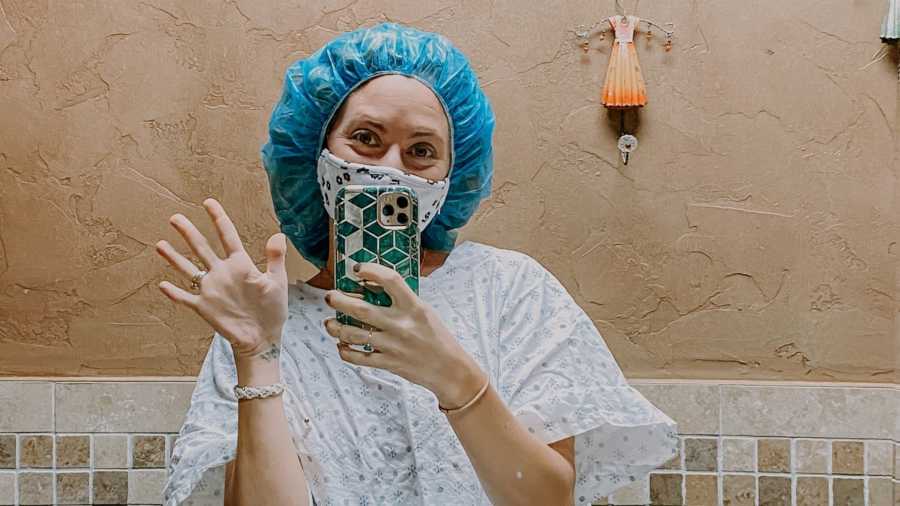
We dove in. Blood draws, ultrasounds, consults, medications. Our first round of stimulation was cautious due to my PCOS, but it yielded only three eggs. When we were told none of them survived to become embryos, we cried, we hugged, and we steeled ourselves for round two.
The second round was luckier: over ten eggs retrieved, three healthy embryos, and our first transfer. Sitting in the surgical room, hand in hand, Beatles playing softly in the background, we held our breath. This wasn’t a fairy-tale conception, but it was ours, perfectly imperfect.
The two-week wait was agonizing. We imagined telling family and friends, decorating the nursery, choosing names. And then the disappointment came again—transfer number two failed. Anger began to outweigh sadness as we wondered why it wasn’t working, why we felt so alone. Transfer three brought a glimmer of hope, but hope was fragile.
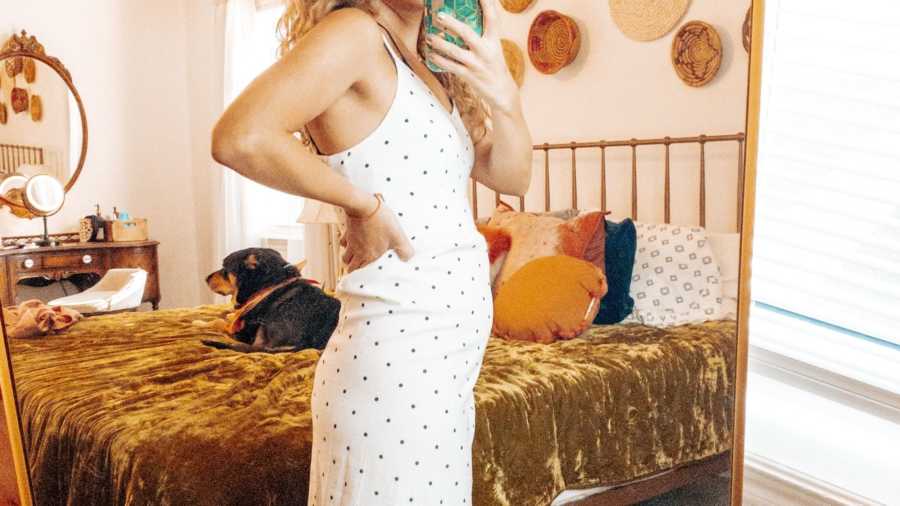
On the day before my blood draw, feeling off after a busy shift, I took a pregnancy test at home. And there it was—a plus sign. I showed Tom immediately, and he cried on the phone. We hugged, smiled, and sat in disbelief. It felt surreal.
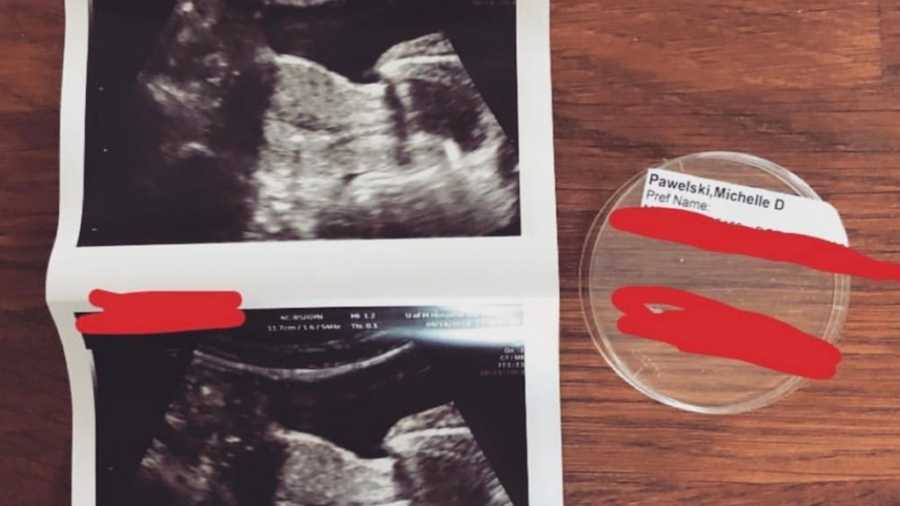
Then came Christmas Eve. The ultrasound revealed a gestational sac, but no heartbeat. A blighted ovum. Our hope collapsed. New Year’s Eve confirmed it—no fetus. I chose a D&C to move forward, but emotionally, I was shattered. I withdrew from work, friends, and family. Tom and I decided we couldn’t continue IVF—financially, emotionally, we were done.
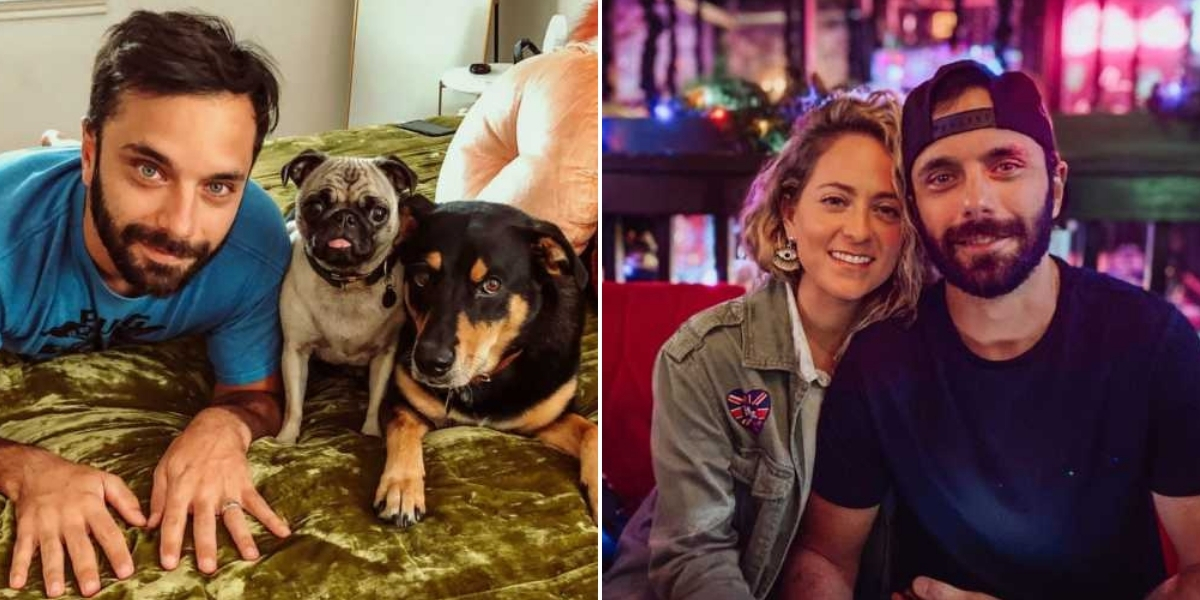
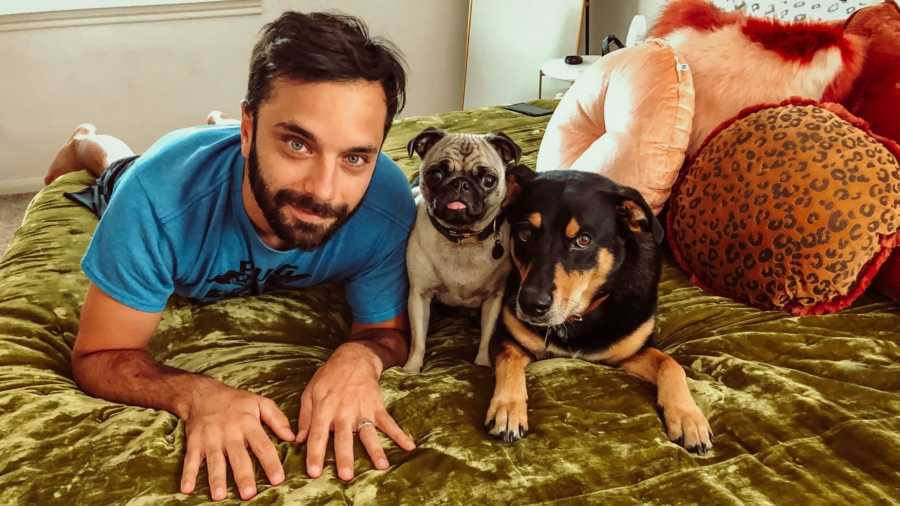
Instead, we sold our house, quit our jobs, and embraced travel nursing. Just us, our dogs, and the open road. We gave ourselves a year to heal, to rediscover joy, to reconnect without IVF looming over every moment. Slowly, our hearts began to mend.
COVID changed our plans, bringing us back to Houston near family. Being around nieces and nephews stirred a longing for a baby again. Could we face IVF once more? We decided we could, cautiously, with hope tempered by experience.
This round brought new challenges. Tom’s sperm count was almost nonexistent. Surgical retrieval provided sperm, but none were motile. We tried donor sperm, and still, embryos failed to form. Heartbreak became painfully familiar.
It was during this time that we reached out through social media, sharing our story, hoping to help others feel less alone. And then, a life-changing message arrived from a friend: she and her husband had frozen embryos and wanted to donate two to us. Overwhelming joy, tears, gratitude—words can’t describe that moment. They are our angels. Tom and I began the process of transferring the embryos, preparing for the next chapter, regardless of the outcome.
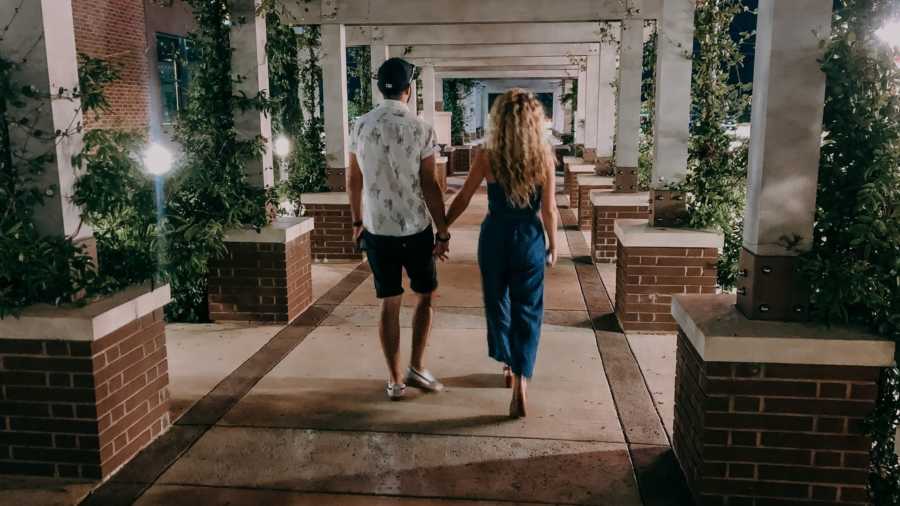
I may not yet hold a child in my arms, but I feel like a mother. Each failed transfer, each lost embryo, represented a part of me, and part of our journey. My hope in sharing this story is that anyone walking a similar path knows they are not alone. Talk, share, reach out—there is support, love, and understanding waiting for you. And sometimes, angels appear in the most unexpected ways.