To the family members and friends of someone newly diagnosed with a chronic illness—someone buried under surgeries, scans, and unanswered questions—let’s talk for a moment.
I know how helpless you feel. I know how badly you want to fix it. I know you’ve probably wondered how long a rope it would take to lasso Pluto, drag it back to Earth, and scour the galaxy for some miraculous potion that would make your sister, spouse, or mother feel better for just one second. I’ve been on your side before, too. I know the desperation. I know that Pluto-plundering feels reasonable when someone you love is hurting. I also know that the things you say usually come from a good place—well-meaning, emotional, often spilling out before you’ve had time to think them through. But your loved one does not need Pluto. They don’t need judgment. They don’t need opinions thrown at them like lifelines. What they need is community. What they need… is you.
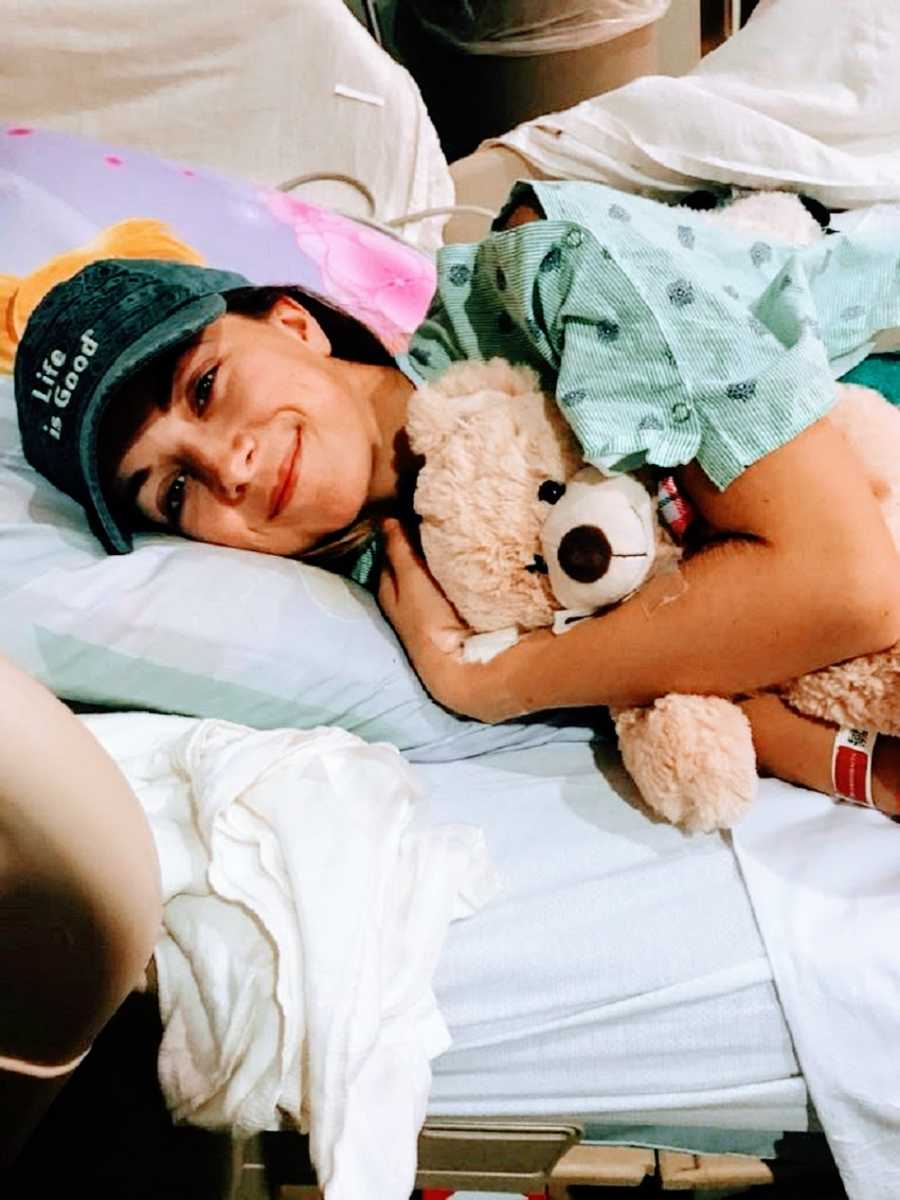
Let’s skip the makeup bags and glossy fashion magazines meant to “inspire” the girl who doesn’t recognize herself in the mirror. She doesn’t feel like herself. She doesn’t look like herself. Flipping through pages about summer glow-ups, six-week abs, and the perfect “no-makeup makeup” look won’t motivate her—it will only remind her of what feels impossibly far away. You may think it encourages us to look forward to the day when sickness ends. But here’s the truth, dear well-meaning friend: it may get better, but it doesn’t exactly end. And right now, the last thing we care about is getting abs back. How about we focus on keeping solid food down first? One step at a time. Let’s start there, okay?
Let’s also not ask that question. You know the one—the question that sits right beside “Are you going to die?” on the list of things that make our stomachs drop. “Will your children have this?” Oh my. I can’t speak for every warrior, because every story is different. But I can say this: many times, that question doesn’t even have a clear answer. And I can say with absolute certainty—it’s not your question to ask. It belongs to me, my spouse, and my doctor. Full stop. Off the table. Forever and ever. Amen.
Let’s not ask why, either. Please don’t ask what we did wrong, what we ate, what we could have changed, or how you can make sure this never happens to you. Those questions don’t help. They only add weight to an already heavy load.
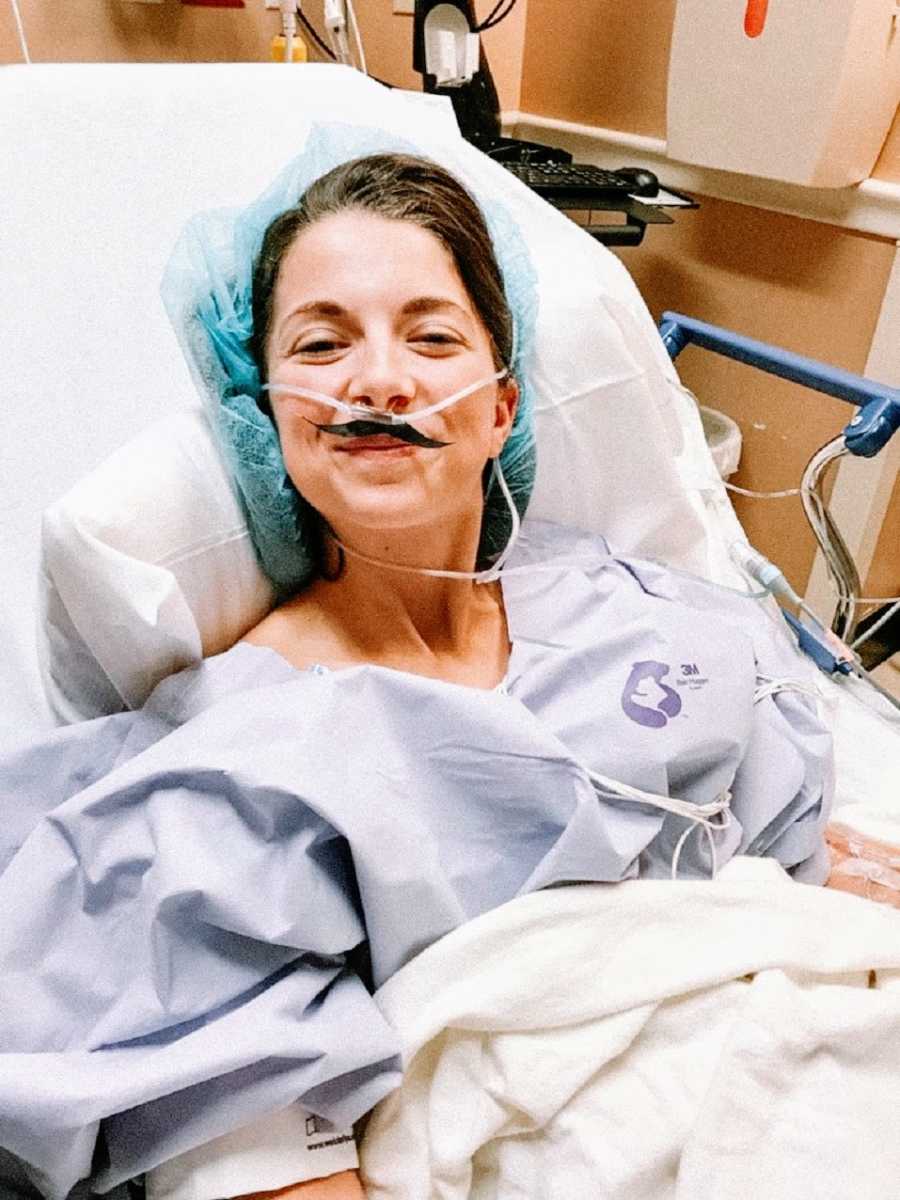
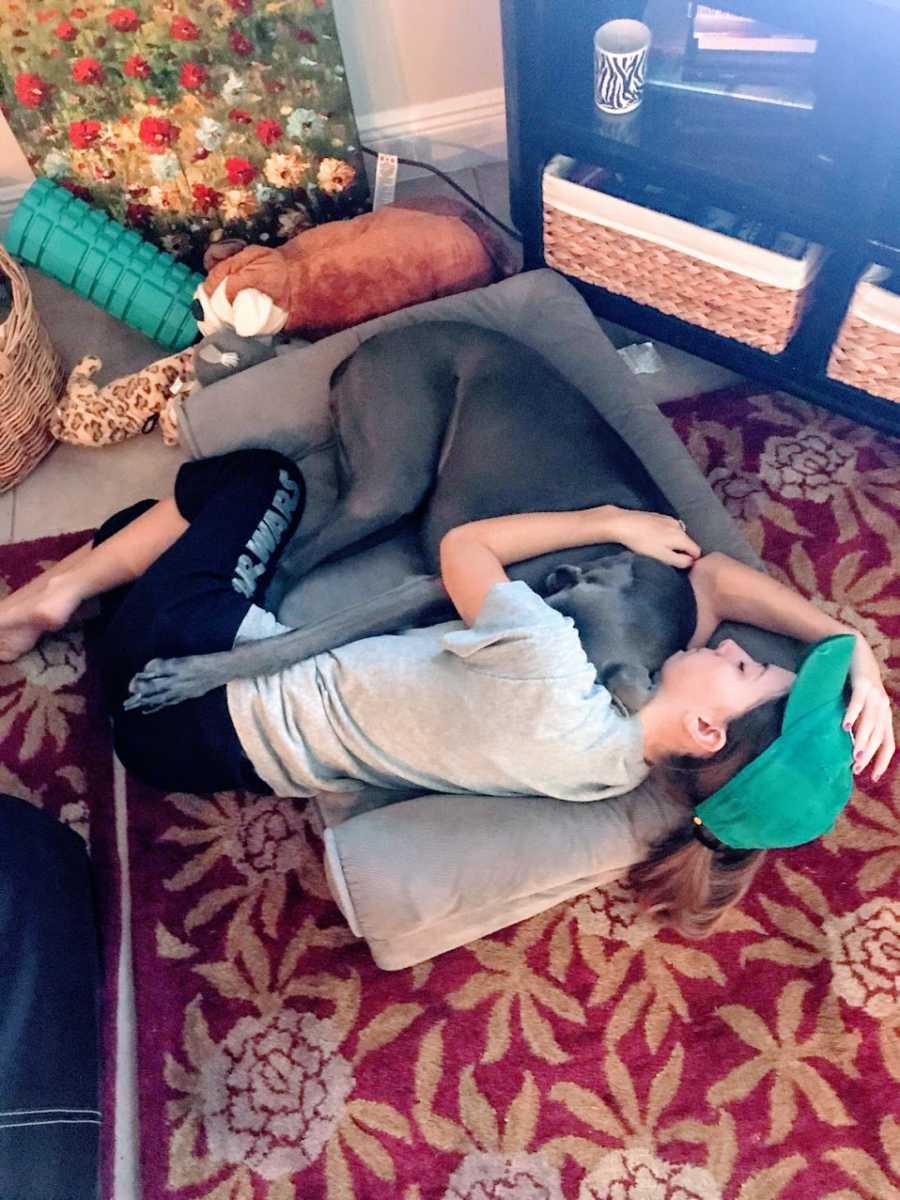
And let’s not be the scolder. “Oh my goodness, you really shouldn’t do that!” We know. Trust us—we know. Weeks after surgery, we’re fully aware we shouldn’t kneel down to kiss our dog just because her puppy eyes are irresistible. We know you’re scared. We are too. But treating us like fragile porcelain dolls won’t keep us safe. If we’re moving, stretching, reaching for our favorite coffee mug, or sneaking a kiss for the dog—stand nearby. Be quiet support. Please don’t tell us what we can’t do. We hear that voice constantly already. Sometimes, kneeling down or grabbing that mug feels as triumphant as finishing a marathon.
People told me they cringed when Luke dipped me during our first kiss as husband and wife. What?! That dip meant victory. Standing up on my own for the first time was celebrated. Tapping my toes to music again was celebrated. The first spin? Absolutely celebrated. We practiced those moments. We earned them. During our final meeting before the ceremony, our pastor joked that we should practice our first kiss. We laughed—but we had been practicing all along. The dip symbolized something bigger. We met the tumor. We overcame it. And we will keep overcoming it, moment by moment. Sometimes that joy is too powerful not to dip.

About a month after surgery, a family friend called. The conversation began normally—questions about my leg, my incision, the doctor’s outlook. Since it was Christmas, Luke mentioned trying to help me gain weight with holiday treats. Then came the comment: “Be careful what you put in your body—you’re feeding your tumor.” I know it was meant to help. But words like that make us feel responsible for our pain, our loss, and the fear in our loved ones’ eyes. And there is no illness heavier than guilt layered on top of suffering.
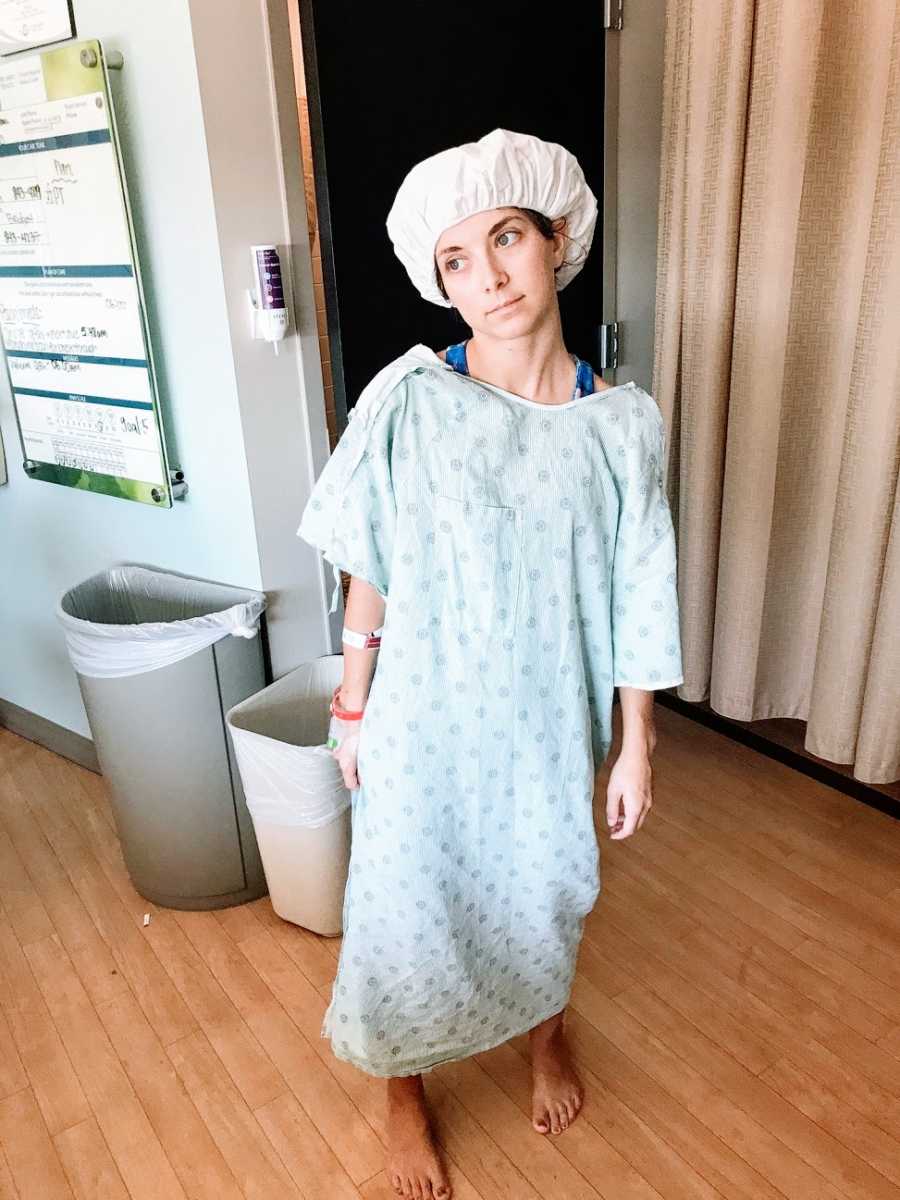
So let’s talk about what does help.
Ask how you can help. Ask how to pray. Ask if you can sit with us—even if we fall asleep mid-conversation. Offer to pray over us. Ask what our spouse or family needs. Bring groceries with zero judgment. Help us feel independent. Paint our nails. Scratch the itch we can’t reach. Bring your dog. Or find a dog. Dogs always help.
Things will look different now—maybe temporarily, maybe forever. We know. We don’t love it either. Meet us in this new normal. A canceled church service might be replaced by a quiet puzzle at home—and the Spirit will still be there.
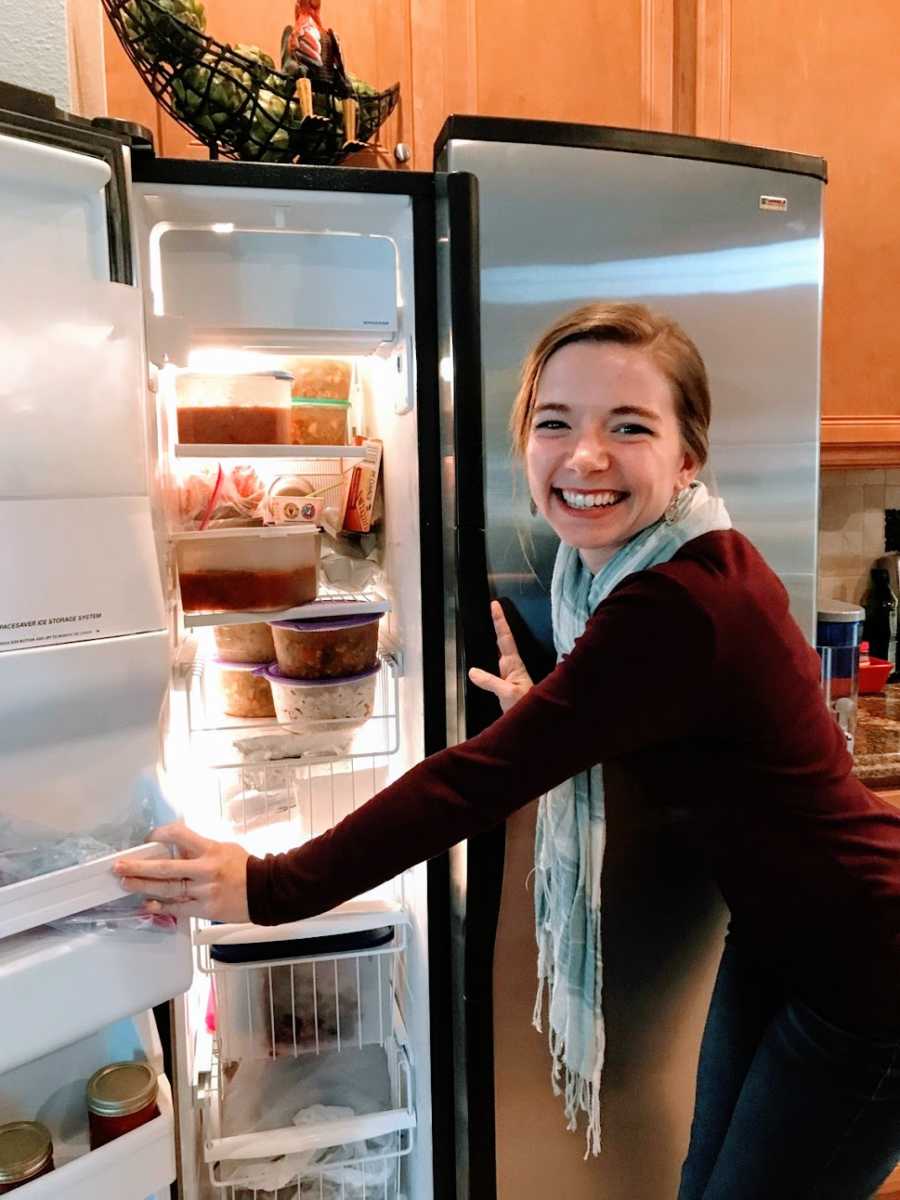
The smallest gestures often mean the most. Cozy pajamas for the hospital. A walk to distract a worried spouse. Meals cooked and frozen so survival feels manageable. Those “little” things carry us.
Celebrate every milestone with us. First car rides. First park visits. First days without pain meds. These moments are miracles. Hold hope with us.
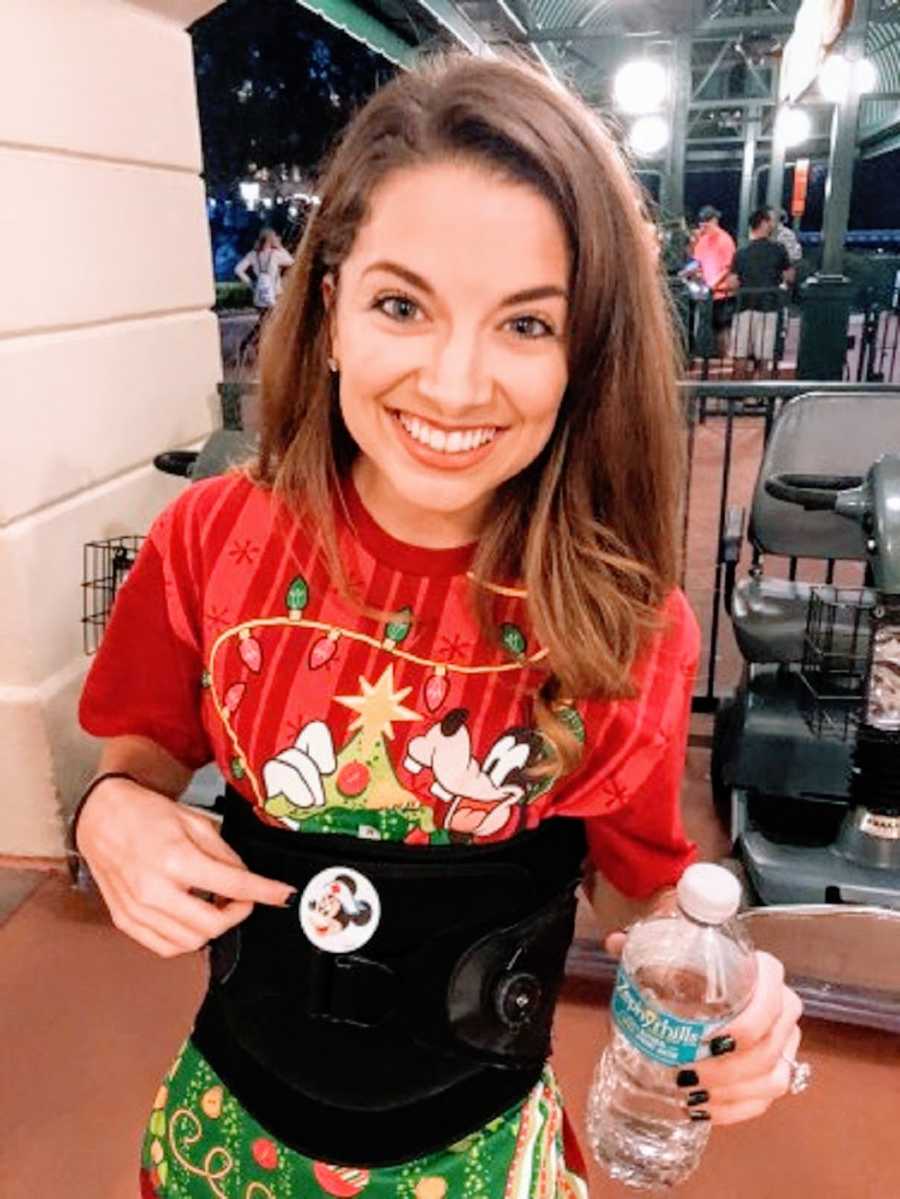
Even when appointments slow down, we are not “back to normal.” Please remember to ask how we’re really doing—physically and emotionally. It reminds us we’re not alone.
And finally, tell us about your life. We need normal conversations. We want to hear about promotions, anniversaries, and silly classroom chaos. Laughter is healing.
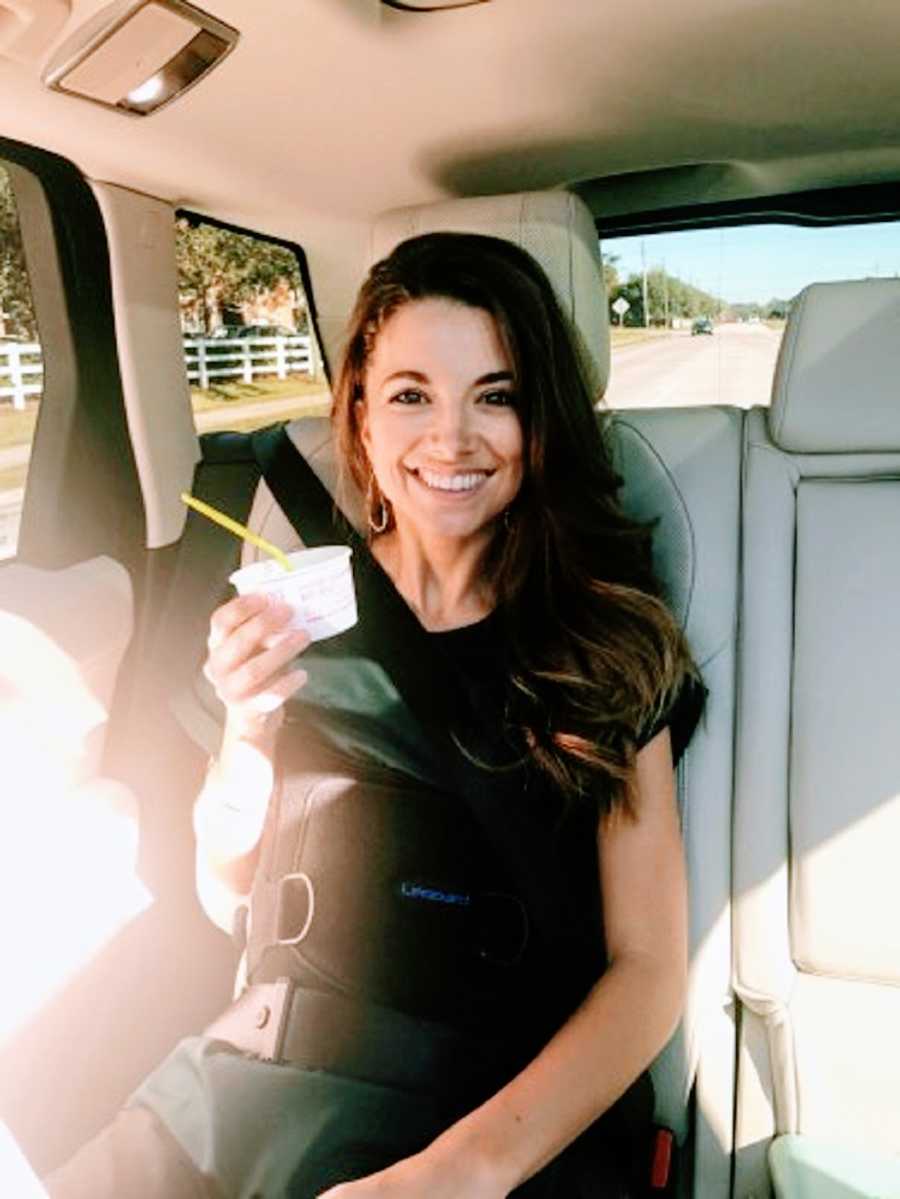
You may feel powerless—but you are not. Your presence, your kindness, and your willingness to simply be there will reshape how we survive this life. And we will heal—together—finding joy, humor, and hope in even the strangest moments along the way.