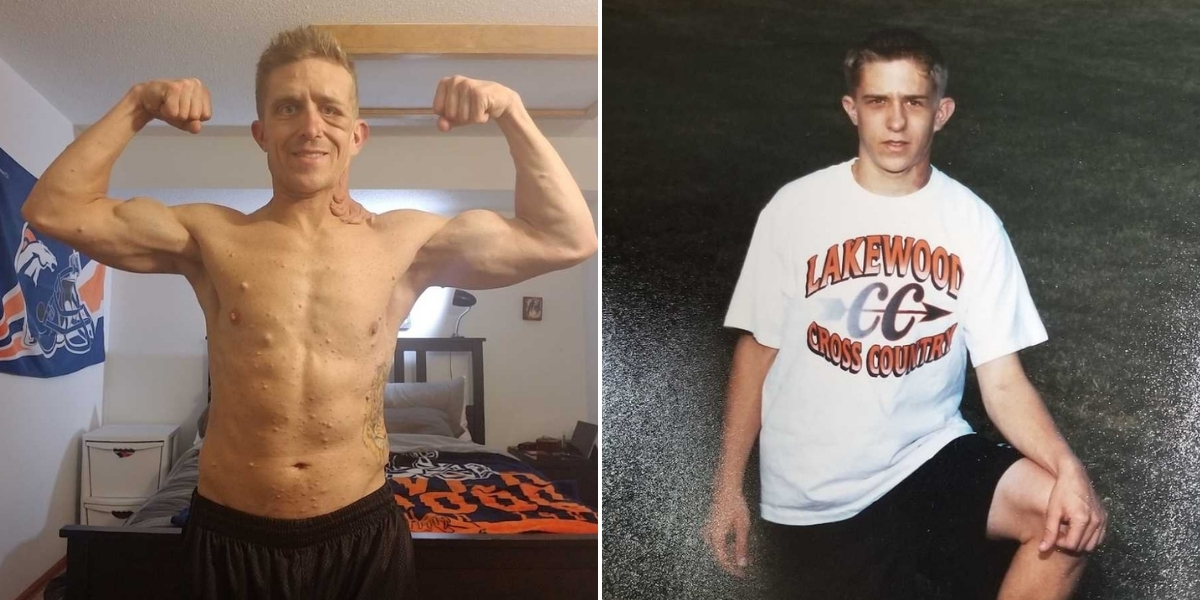
I remember growing up as a child feeling normal—like everyone else. I wasn’t stared at, pointed at, or treated differently for how I looked. Life felt simple, and I didn’t notice anything unusual. But when I turned six, a small spot appeared on my body, and over time, something began to grow. My parents, unsure of what was happening, took me to the doctors. I had no idea what was coming next. At the hospital, I was surrounded by other children who looked different, just like me. That’s when I first heard the words that would change my life: I had a rare condition called Neurofibromatosis Type 1, or NF1. I remember my mom panicking, as any parent would. But my soon-to-be adoptive father remained calm, reassuring her that everything would be okay.
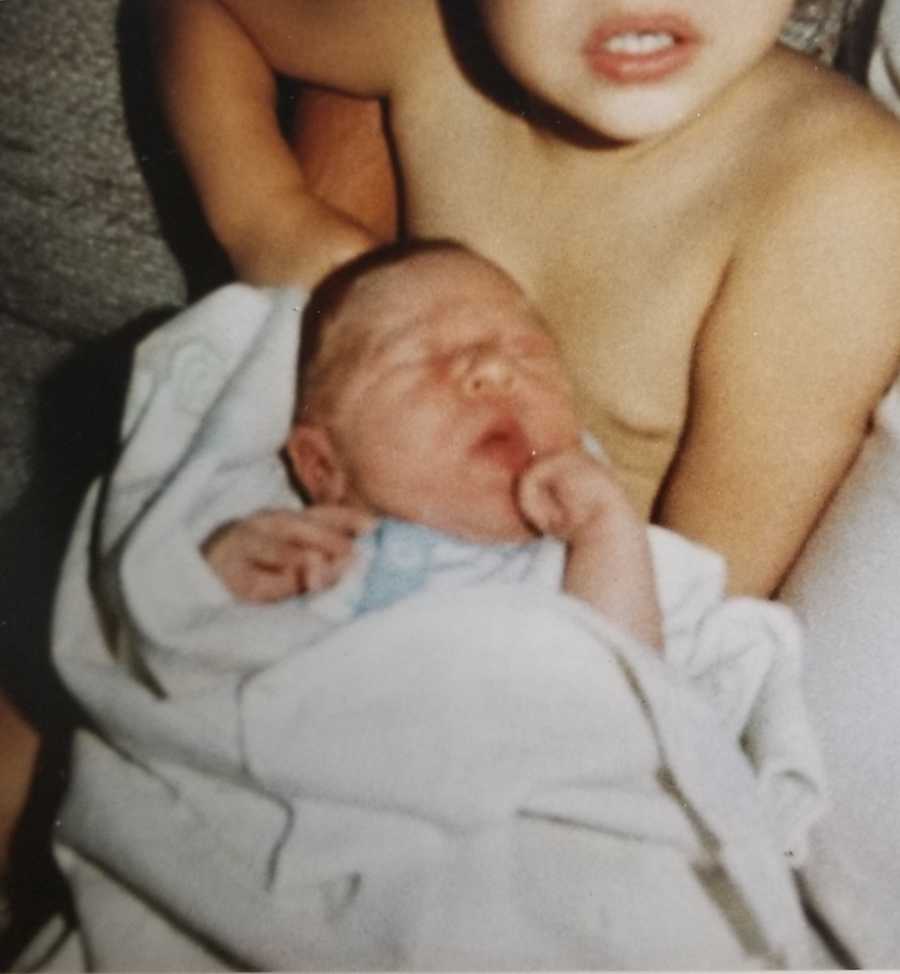
What scared me most as a kid was the idea of something growing on me that I didn’t understand—and possibly turning into something much larger. At the time, I didn’t know what a “condition” or “disease” really was, so I shrugged it off like any child would. I was ready to live my life to the fullest. After that first appointment, my parents started keeping a closer eye on me, monitoring the changes as my birthmark on my neck grew larger over time. And as the years passed, I realized that being “normal” on the playground or in class wasn’t going to happen for me.
Kids stared, whispered, and asked, “What is that on your neck?” The only answer I could give was, “It’s a birthmark.” But they never believed me. Some called it a burn, a hickey, or a disease. I was even asked if I was contagious. Those questions hurt, deeply, and there were times I felt broken and alone.
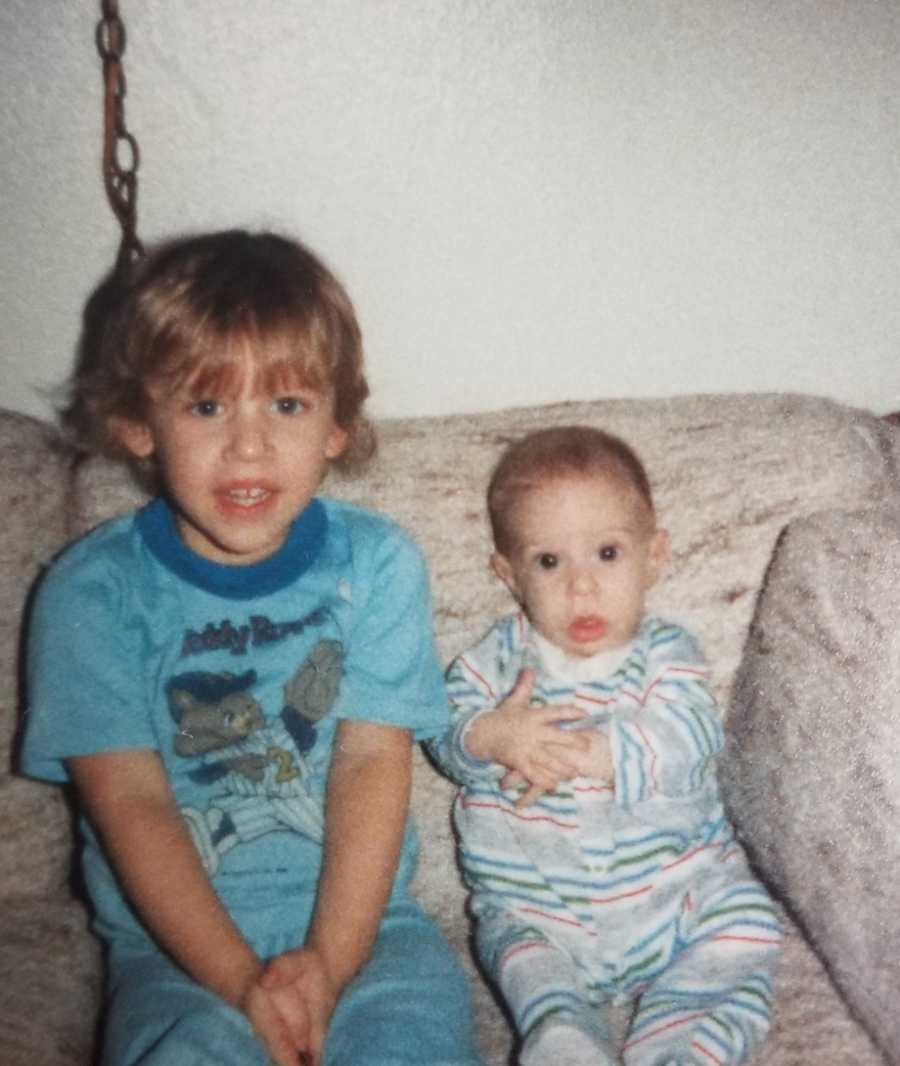
Yet, there were highs, too. I wasn’t bullied all the time. I learned to push back with comebacks, and I had friends who had my back. My brother became my protector, never letting anyone make fun of me or leave me out because of how I looked. My friends also made me feel included and supported. I felt like I had a purpose growing up, even if it wasn’t obvious. I pretended I was a famous baseball player, always winning in my mind. You have to feel like a winner, even when life deals you a different hand. That spirit carried me forward, and I made it my mission to inspire other kids who looked different—not to give up and to embrace who they were.
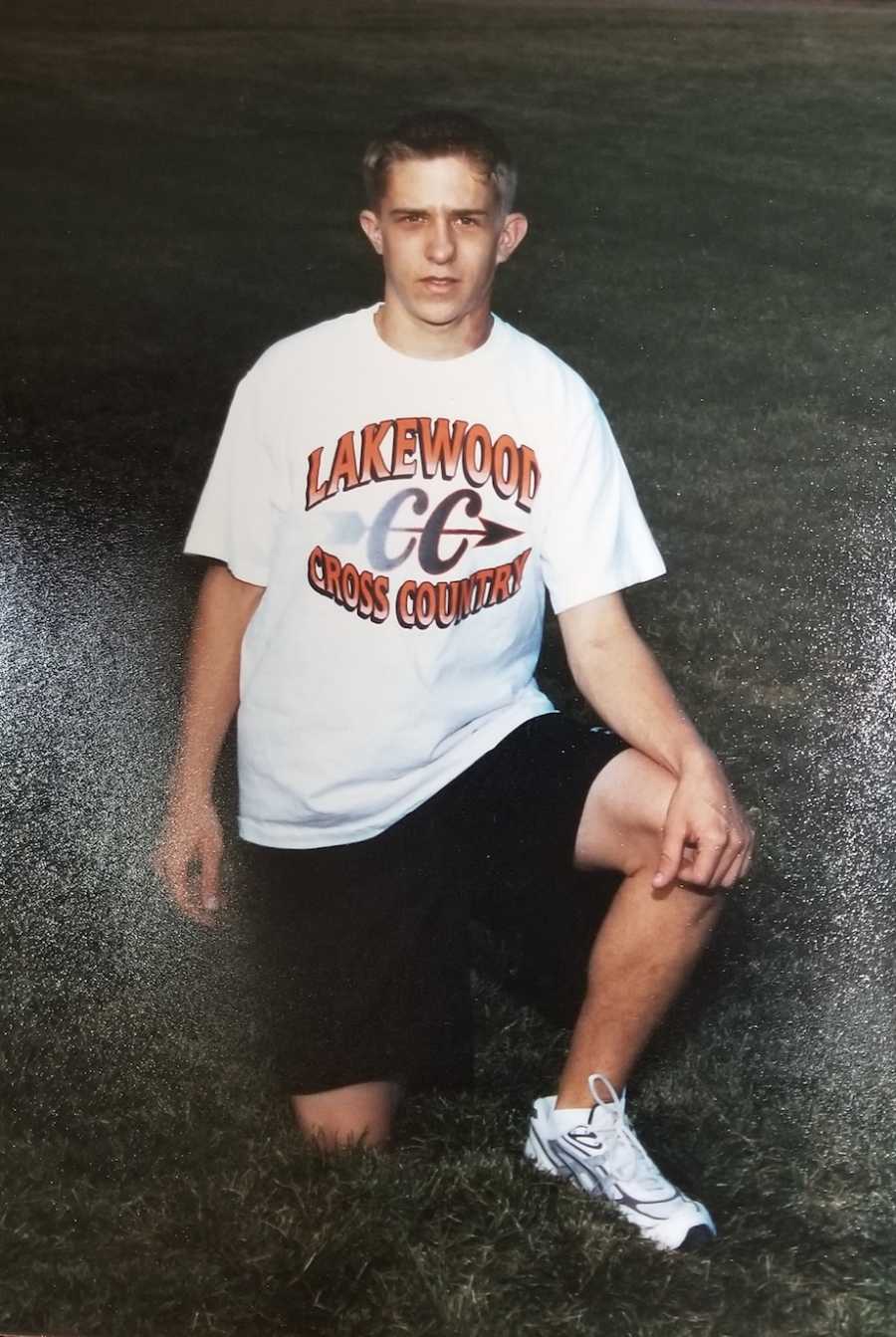
Doctor visits were terrifying. I had countless MRI scans, and I absolutely dreaded them. Sitting still in those giant machines was overwhelming, loud, and scary, and I often passed out or cried. But my teenage years brought a turning point: surgery. I remember the day vividly, filled with anticipation. I imagined my birthmark gone, envisioning a new version of myself. Living with a birthmark that had grown so large sometimes made me feel defeated, but this surgery felt like hope.
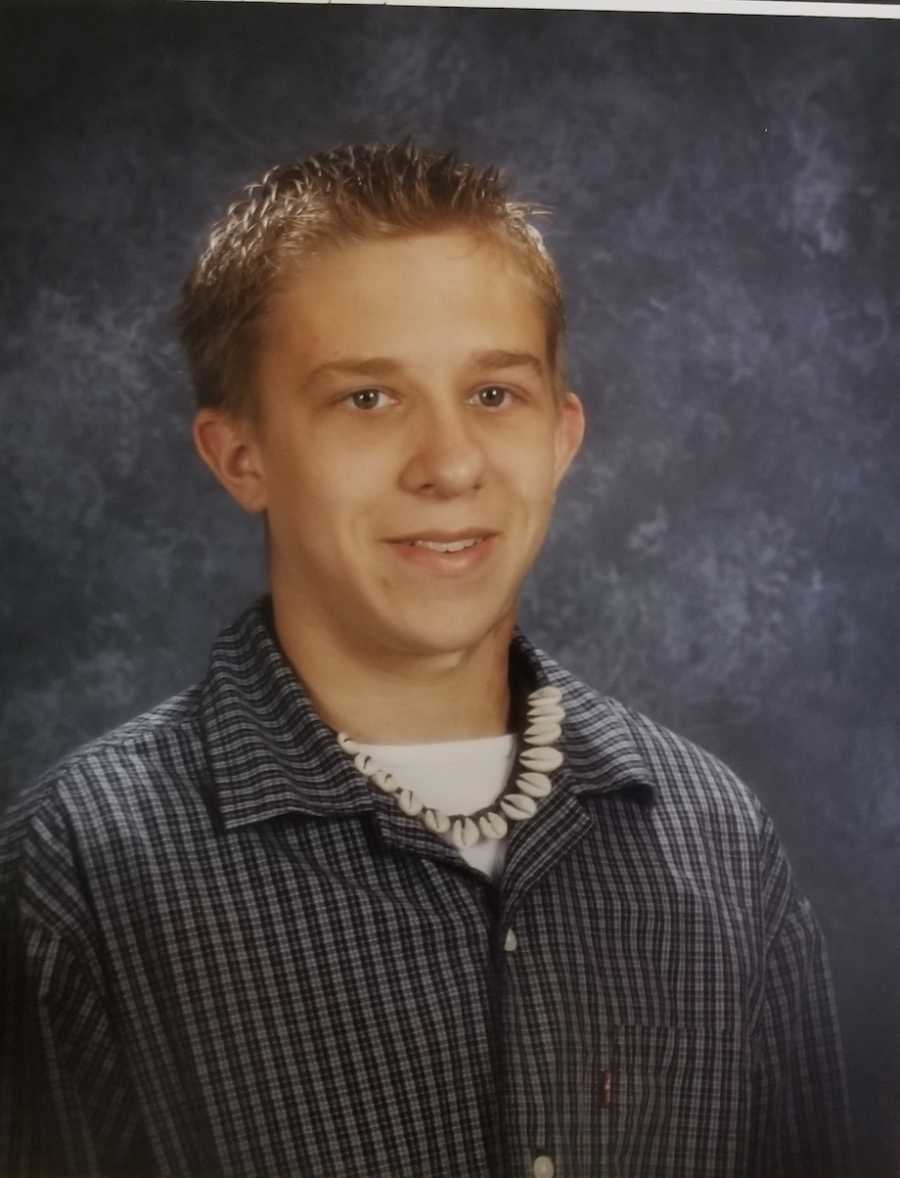
The bullying and torment were relentless, and I reached points where I questioned whether I could go on. There were moments when I wanted to give up entirely. But deep down, I knew I had a purpose. If I quit, I wouldn’t have the chance to grow, to become an uncle one day, or to inspire others. I realized that hope wasn’t gone—it was waiting for me.
Growing up, I often felt out of place in the world of relationships. I wondered if I’d ever find a woman who loved me for who I was. Looking back now, I realize I wasn’t different—I just sought people who valued appearances over substance. I judged others and, in turn, punished myself with unrealistic expectations. But eventually, I understood that when the right person comes along, it’s meant to be. There’s no need for regret over the past or the relationships that didn’t work out.
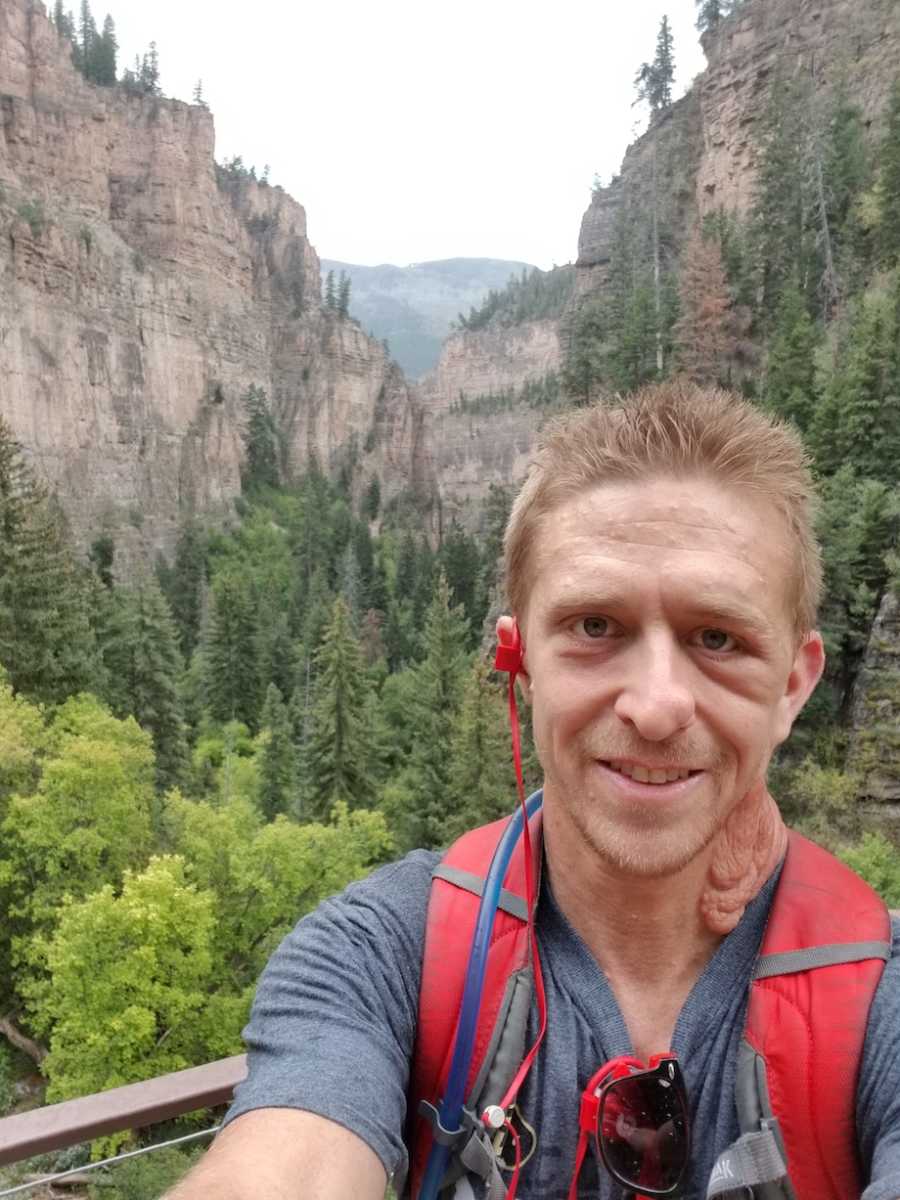
Entering my twenties, I gained confidence but still struggled with purpose. Then, new friends came into my life, showing me that I could achieve anything. I committed to becoming as fit as possible, not letting NF define or limit me. I wanted to inspire my community living with Neurofibromatosis, showing them that we are not limited by our differences. Achieving my fitness goals brought recognition on social media, where I encouraged others to never give up. Haters and naysayers existed, but I ignored them—they were just distractions, like junk food for the soul.
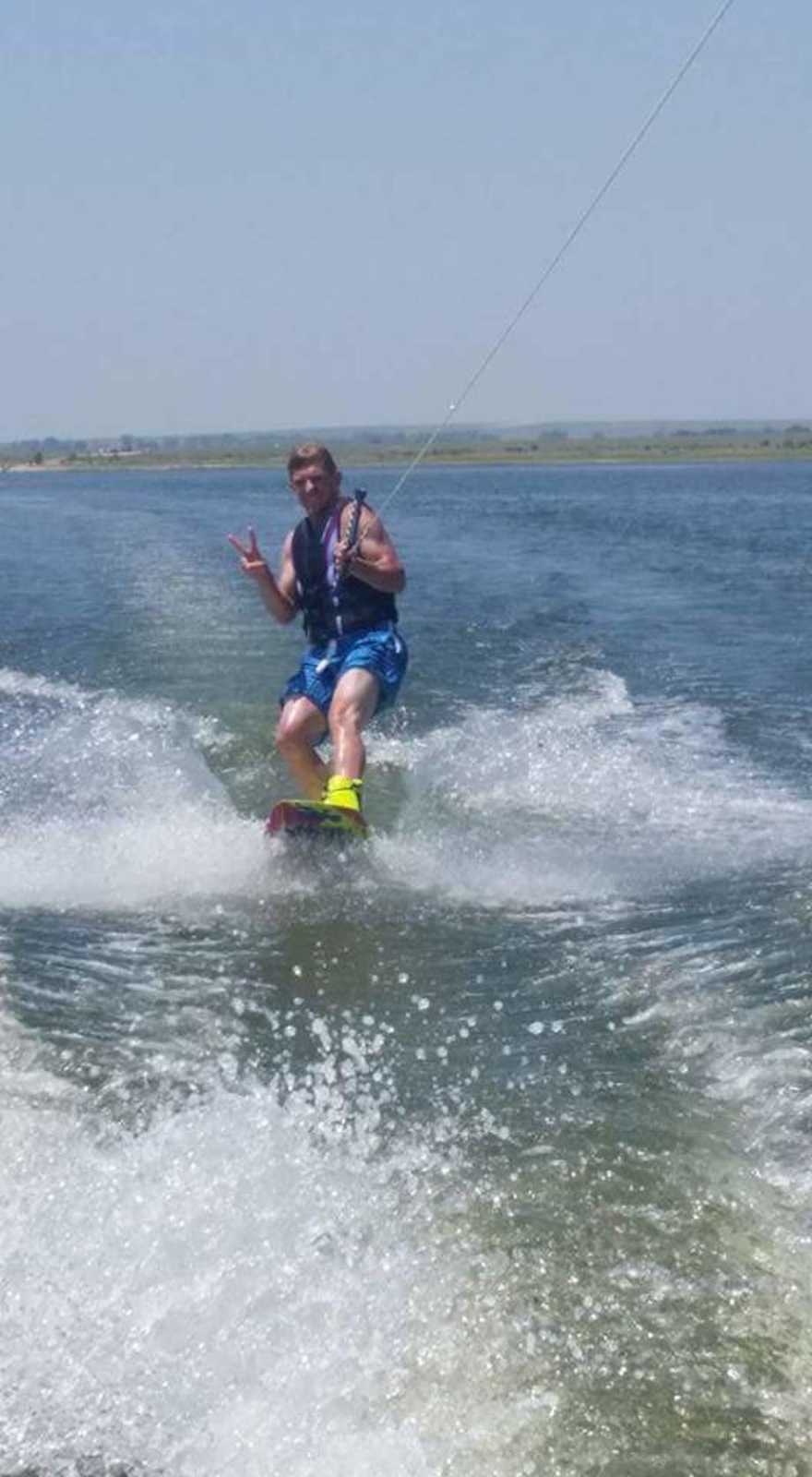
Fitness evolved into bigger challenges. I started hiking mountains over 14,000 feet high, proving to myself and others that true achievement comes from dedication, not comparison to others. I wanted to spread the message that success is about pursuing what you’re passionate about, not what society tells you to pursue.
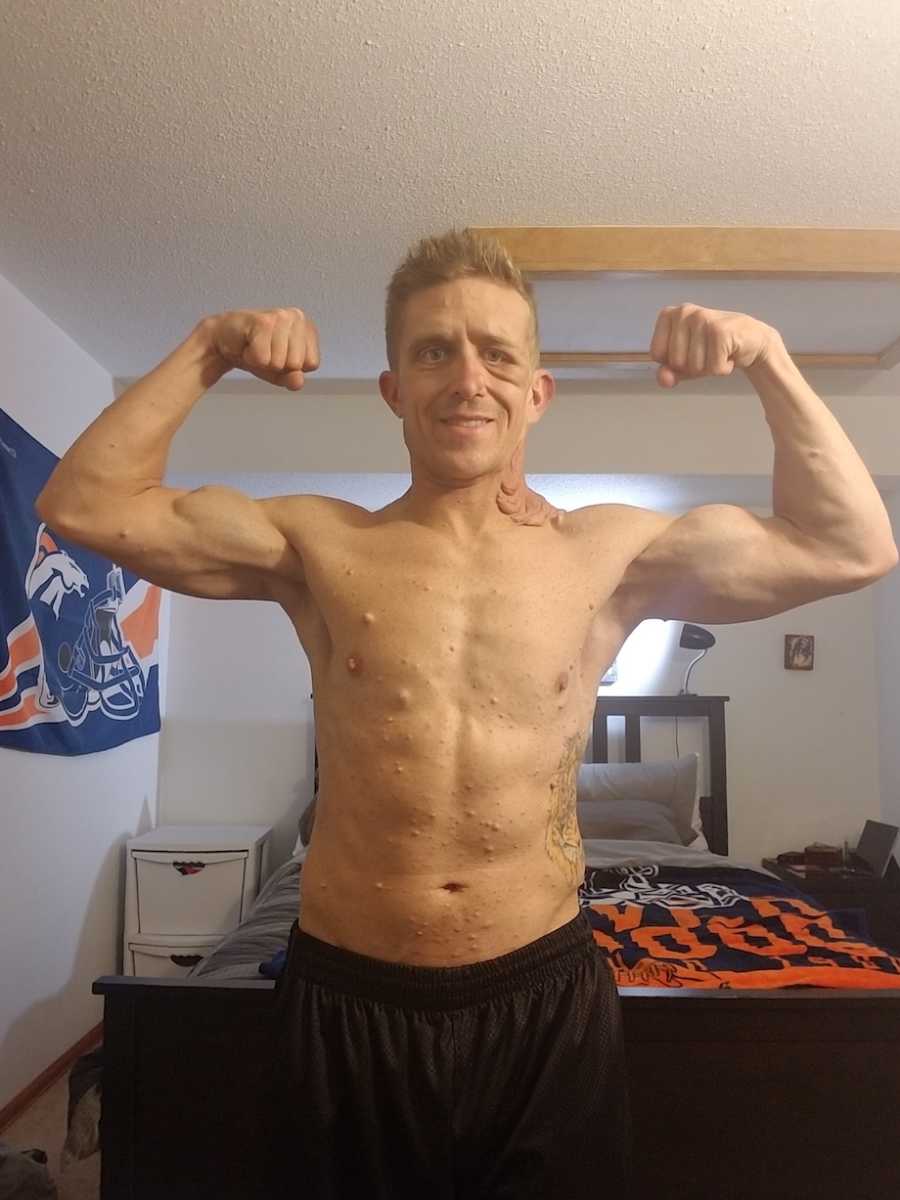
Social media brought unexpected opportunities. One day, I received an invitation to appear on TLC’s Dr. Pimple Popper. It was surreal. I was simply trying to bring awareness, inspire confidence, and show that people with NF are normal, deserving of love and respect. Dr. Sandra Lee and the crew treated me with kindness, listening to my story and helping me safely remove painful spots. I will always be grateful for that experience.
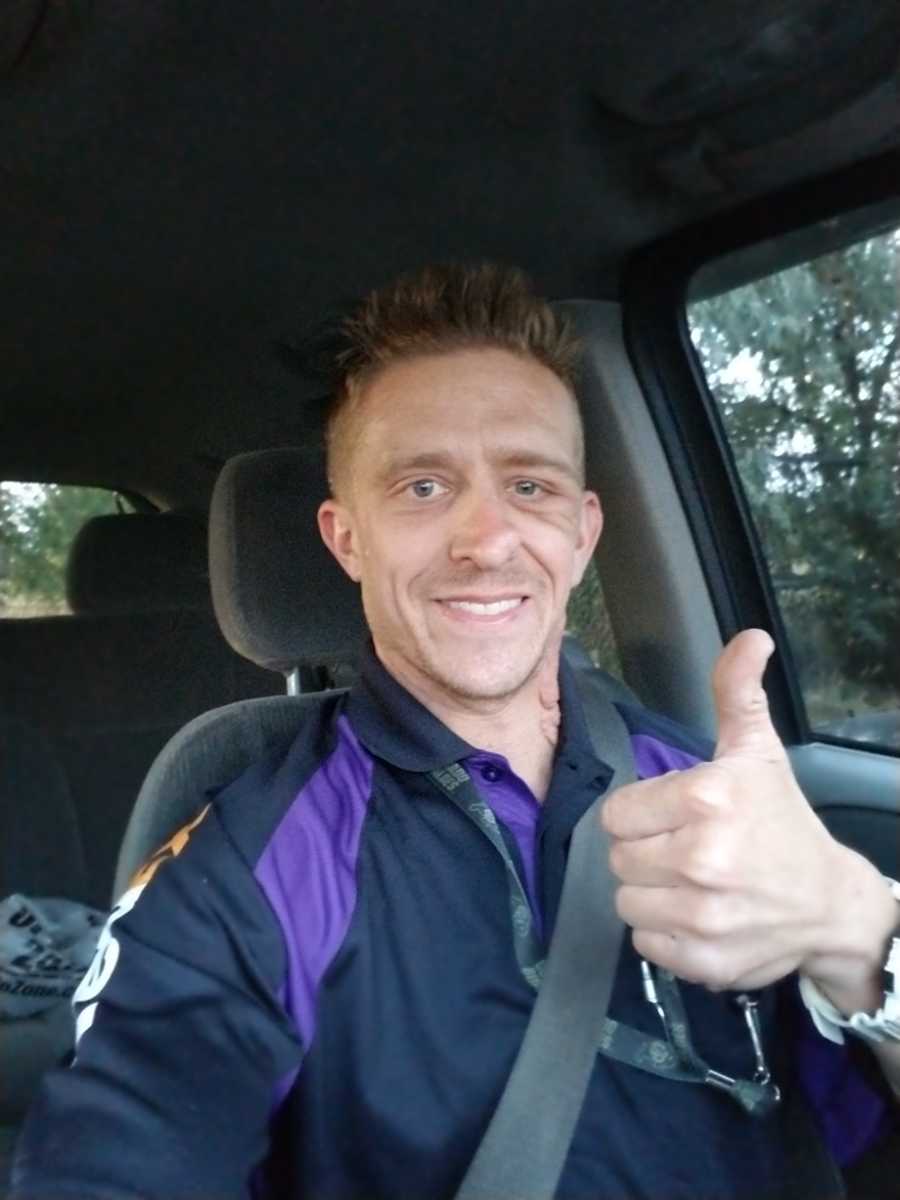
Now, I look to the future with optimism. Just because you look different or face limitations doesn’t mean you can give up. You have to rise, find your worth, and embrace your journey. And when life slows down, take a moment to reflect, challenge yourself, and always search for the greater you.