I was diagnosed with Crohn’s disease at the age of 15. At the time, I had no idea what it was. Neither I nor my family had ever heard of it—no one we knew lived with it, and social media was only just beginning, so there were no pages or communities to turn to for answers. The diagnosis didn’t come easily. At first, my doctor brushed it off as mild stomach pain that would eventually pass. A few months later, he said it was a stomach ulcer. But as the weeks went on, I lost an alarming amount of weight and the pain became unbearable. Eventually, I was referred to a professor at Coventry University Hospital in the children’s department, who immediately suspected Crohn’s disease. To confirm it, I was sent to Leicester Children’s Hospital for a colonoscopy. I was started on a course of steroids—prednisolone—which worked well and reduced the inflammation. For many years after, steroids became the go-to treatment whenever my flare-ups needed controlling.
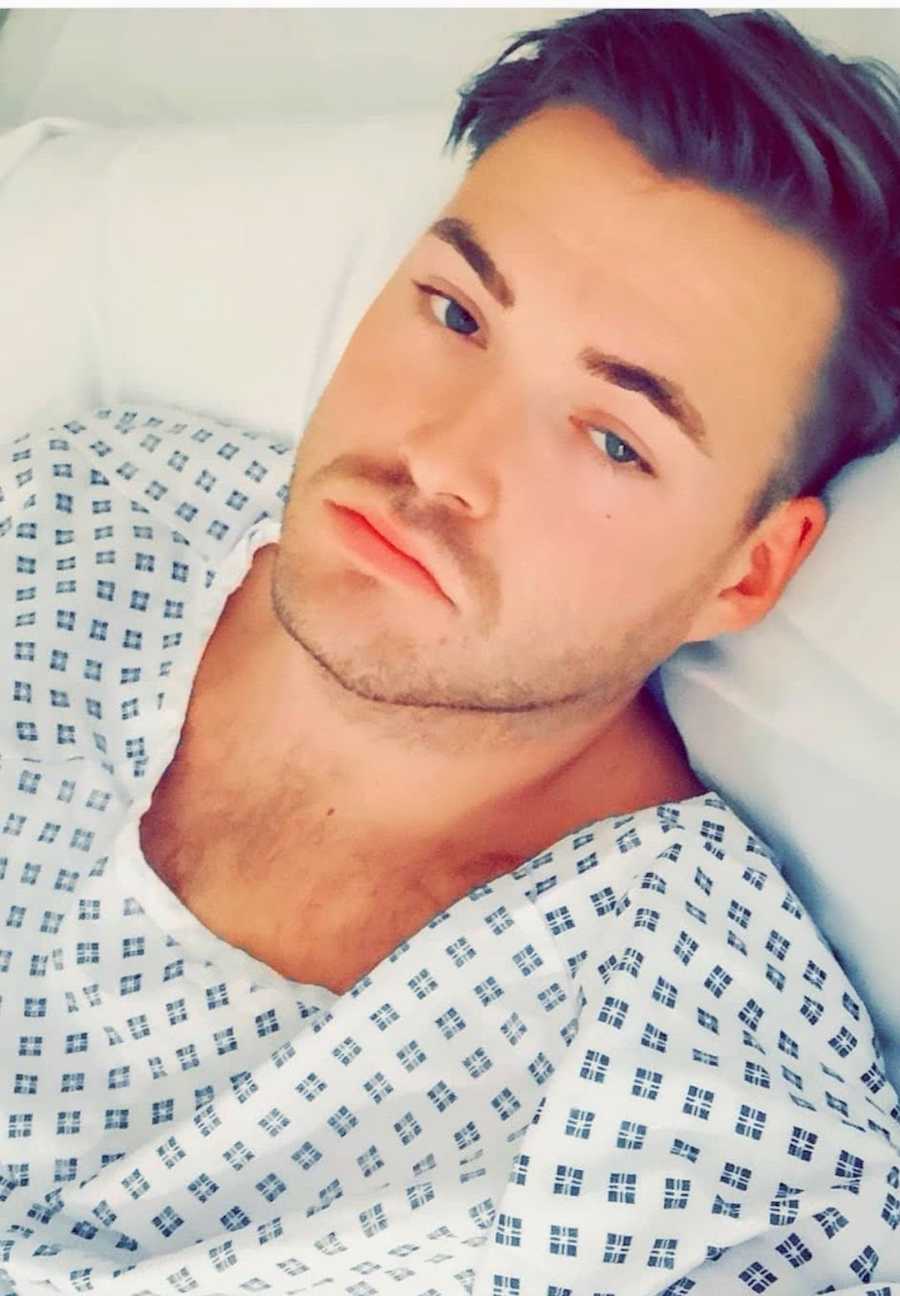
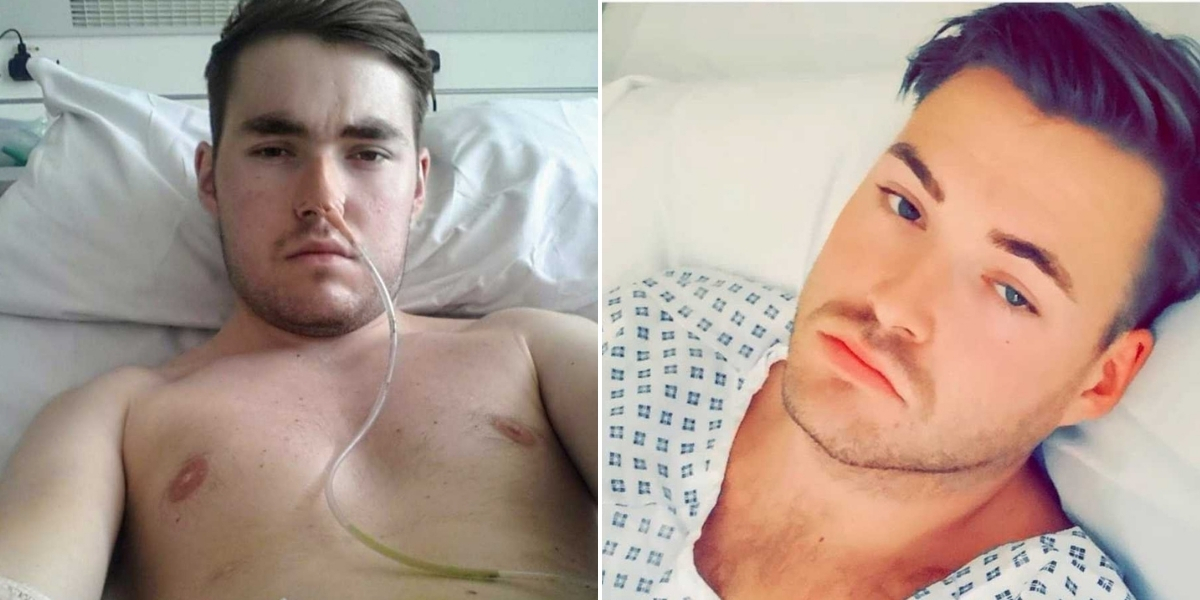
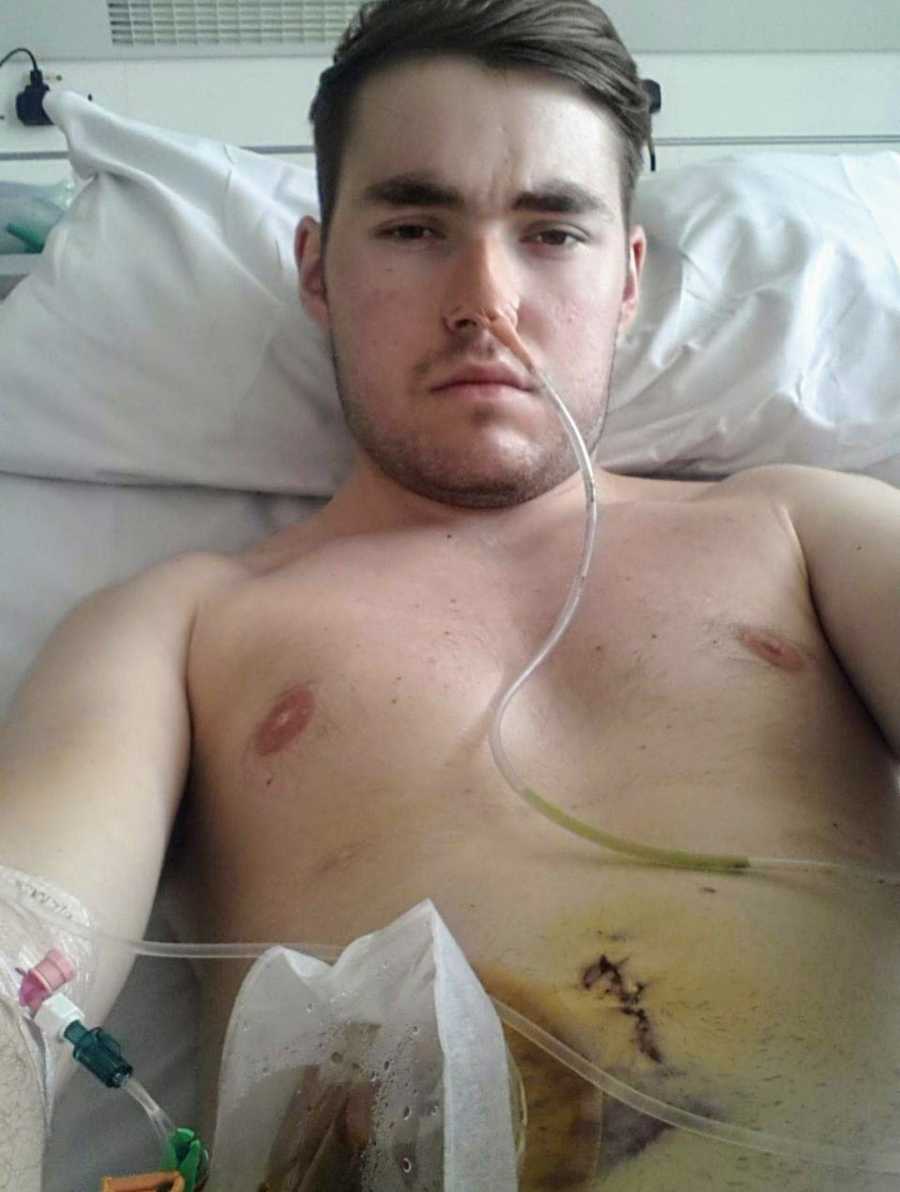
At 20 years old, I had my first operation. Two feet of my small bowel were removed due to three narrow openings positioned painfully close together. Every time waste passed through that section, the pain was excruciating. My bowel specialists explained that surgery was the only option. At that age, I was an incredibly positive lad, and as strange as it sounds, I was almost excited to have the operation—I’d never been put under anesthetic before. But after spending 33 days in hospital, any excitement about surgery quickly disappeared. It was an experience I hadn’t prepared for. I was given a temporary ileostomy to allow my bowel time to rest and recover.
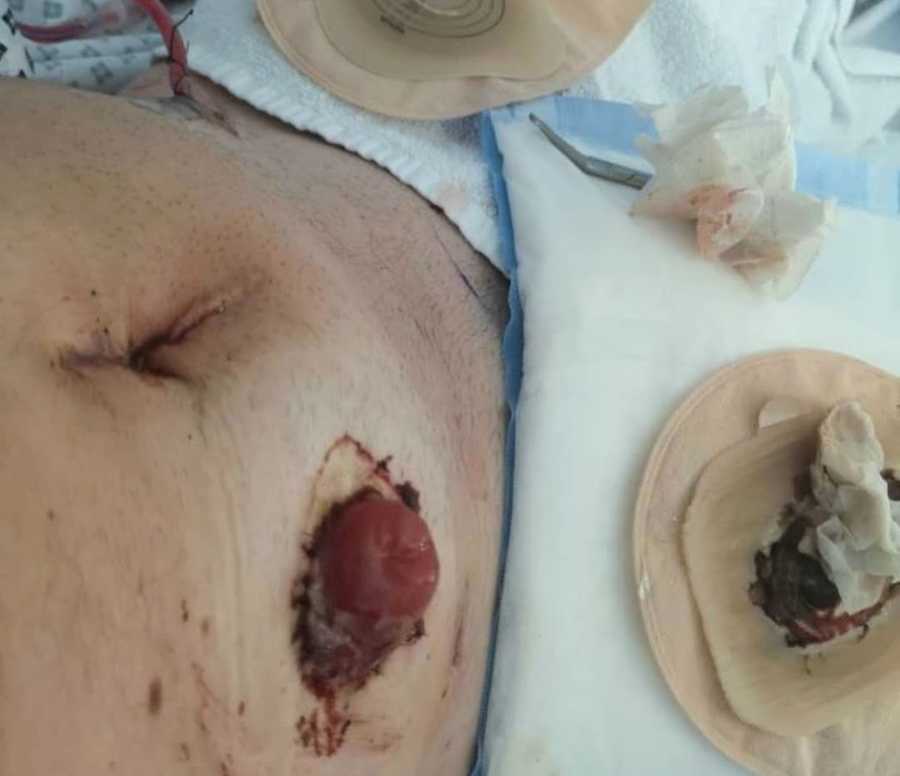
I lived with the stoma for a year before having it reversed, and surprisingly, that year was one of the best I’d had in a long time. I had no symptoms, and life felt good again. I went to two festivals, enjoyed nights out at the weekends, and felt supported every step of the way by my friends and family, who never once made me feel different.
After the reversal, the flare-ups returned. I went through countless infusions and injectable medications, growing used to the cycle of hope and disappointment. By the time I reached 25, things became much harder. For the first time, the disease began to seriously affect me mentally. I needed another operation to have a stoma fitted again, as I was now suffering from cysts and fistulas around my rectum. These had to be cut out every couple of months, leaving my rectum in a terrible state. I strained constantly to open my bowels, often with nothing left to pass, to the point where stomach acid would come out instead, burning my rectum and causing unbearable pain. Even after the stoma was fitted, I still felt the urge to go. I’d sit on the toilet, and lumps of pus would fall out, burning my rectum and leaving me in agony.
At this point, I was working as a maintenance engineer in a factory, but my condition made it almost impossible to cope. I spent most of my shifts running to the toilet, and afterward I was completely drained. It became clear that my rectum and colon needed to be removed permanently, meaning the stoma would be for life. The waiting list for surgery was a year, and during that time, my mental health began to unravel. Being off work for so long, I started drinking alone during the day in pubs and sniffing cocaine. I told no one how bad things had become. I also began smoking weed. What started as a way to cope slowly turned into dependence.
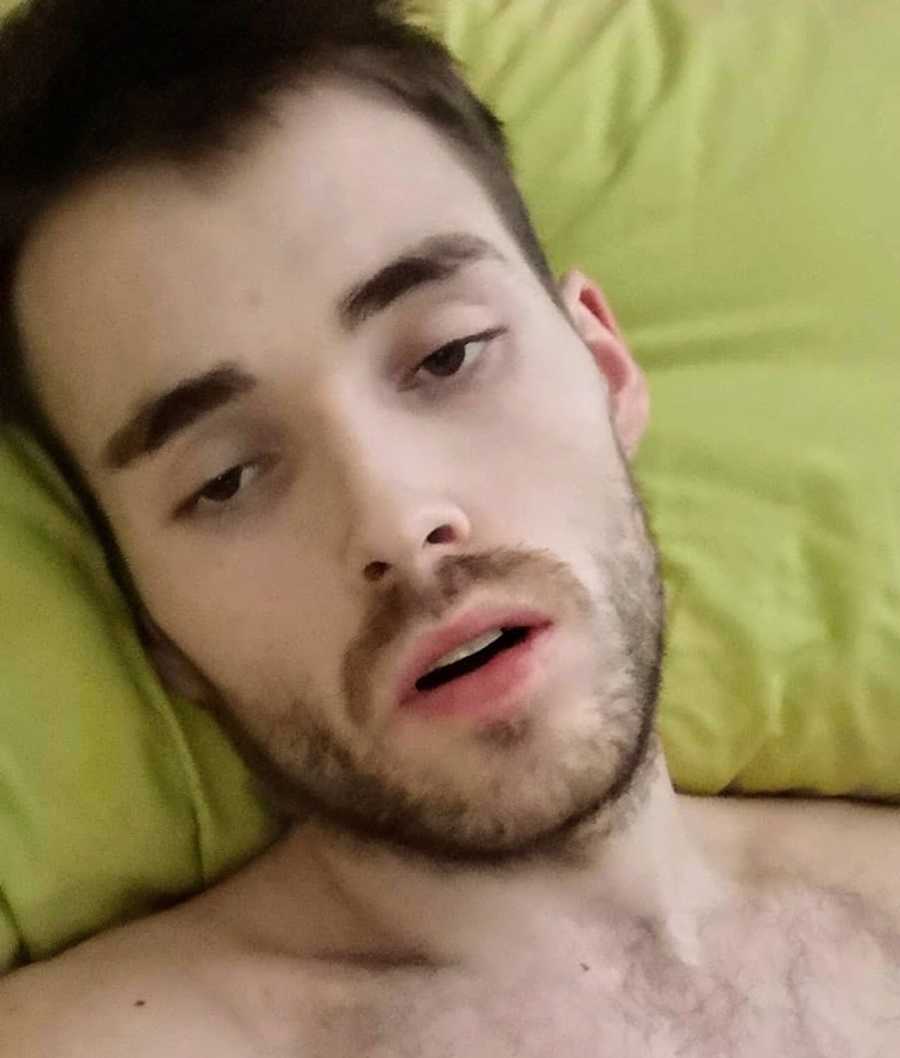
At first, smoking weed felt like it helped with my depression and anxiety. But before long, I was smoking from the moment I woke up until I went to bed. Over time, it made my anxiety much worse. Still, I didn’t see it as a problem, and I kept my drug and alcohol use completely hidden from everyone around me.
The surgery to remove my bowel and rectum was far from straightforward. I was under anesthetic for 11 hours, and the pain afterward was something I wouldn’t wish on anyone. I spent hours crying alone in my hospital bed, desperately searching online to see if I could qualify for legal assisted dying abroad. I simply couldn’t endure the pain anymore. I kept asking myself, Is this really going to be the rest of my life? What have I done to deserve this? I pushed visitors away because I couldn’t bear seeing my mum and sister cry as they listened to me talk about wanting to end my life. When the pain eased slightly and my mental state became more manageable, the visits I cherished most were from my mum. She worked nights at the hospital, visiting me in the mornings after her shift and again at night before starting work. Some mornings, I’d wake to find her sitting quietly at the end of my bed, waiting for me to wake up before heading home. Even in your mid-twenties, there is nothing more comforting than a mother’s love. Those moments will stay with me forever.
After being discharged and recovering at home, I developed severe stomach pains and my stoma stopped working. My bottom became soaking wet, and when I checked, I realized something was seriously wrong. My bowel had twisted while trying to settle into its new position, causing pressure to build up inside me. The stitches where my bottom had been sewn shut split open, and because closing it again risked infection, I had to visit the doctor every day for six months to have the wound packed and unpacked so it could heal from the inside out.
I eventually moved out of my mum’s house and into a shared place near the countryside, hoping the change would improve my mental health. Instead, the isolation pushed me deeper into drugs and alcohol. Because I’d been off work for so long, my insurance company agreed to fund private CBT to help me return. I was excited to regain some sense of normality, but I wasn’t honest about my mental state or substance use. I told the counselor what I thought she wanted to hear. Still, she saw straight through me. After 12 weeks, she told me I wasn’t mentally stable enough to return to work, and it crushed me.
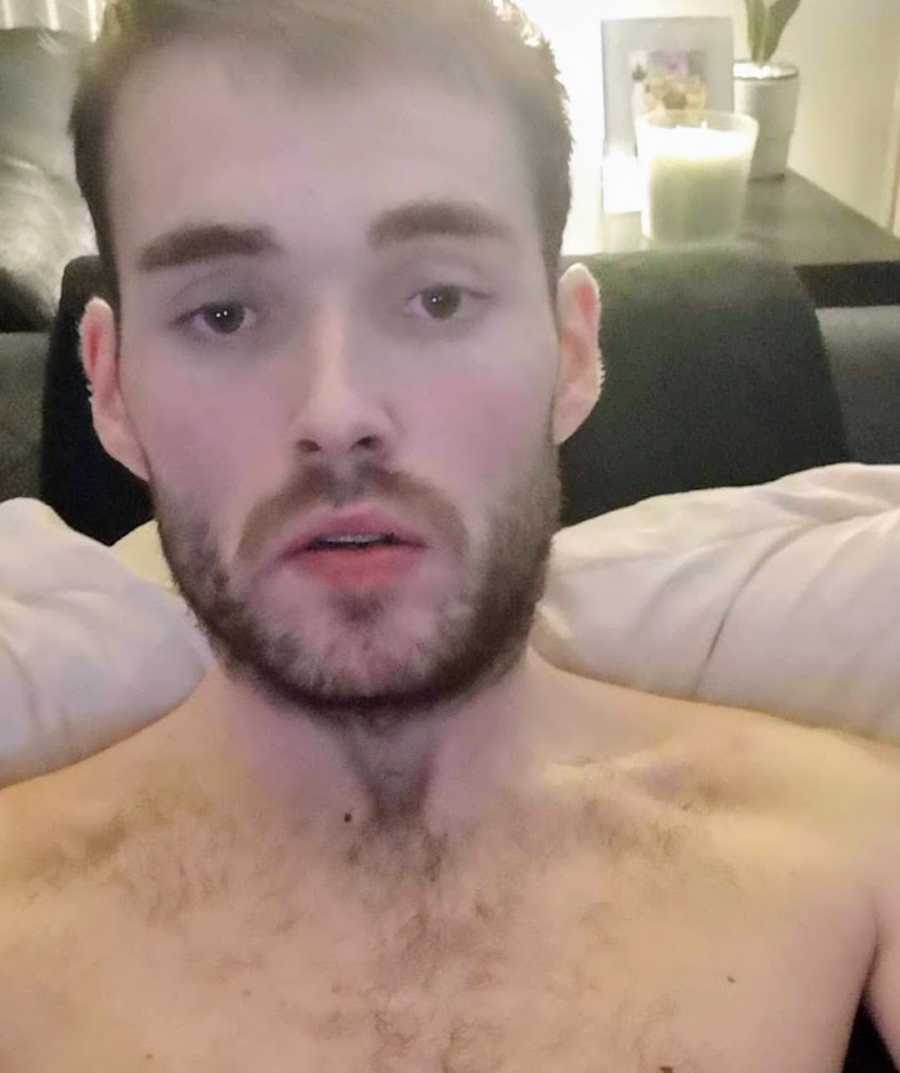
From there, things spiraled further. I drank and used cocaine most days, smoked weed constantly, and completely isolated myself. I woke up every morning hoping I wouldn’t wake up at all. I pushed friends away, consumed by jealousy as I watched them buy homes and build lives while I spent every penny destroying myself. Family issues added more pressure, and one day I found myself sitting on a country lane, drinking wine straight from the bottle and taking drugs, planning something that could have landed me in prison. I knew then that this wasn’t who I truly was, and I’d reached breaking point.
I desperately wanted help but knew I couldn’t stop alone. While looking at rehabs I couldn’t afford, I came across my mum’s cousin on Facebook—a former addict who had been clean for years. I messaged him, and he replied instantly, giving me his number and urging me to call. He put me in touch with a friend who ran a dry house in Weston-super-Mare. He answered straight away and offered me a room. Everything happened so fast, and for the first time in a long while, I felt relief. I drove to my mum’s house and told her I was leaving Coventry to get help. It came as a huge shock—no one knew how bad things had been. The next day, I left for Weston-super-Mare.
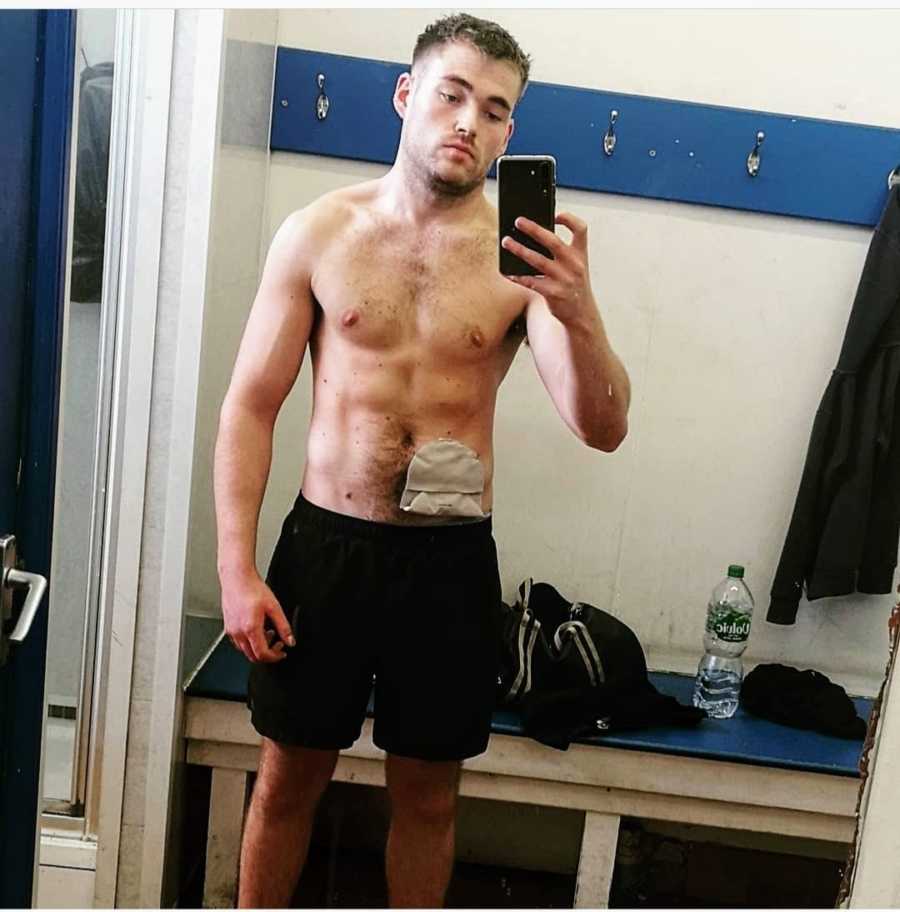
I initially planned to stay for just a month, but while I was there, I realized I was an addict and needed long-term support. I handed in my notice at work and moved permanently. Today, I am eight months clean from drugs and alcohol. I host a Wednesday morning NA meeting on Zoom and am working a 12-step program to understand the root causes of my addiction and my behaviors. I’ve completed mentor training to support young people and families struggling with their mental health, and I hope my experiences can help others achieve goals they never thought possible.
After ten years, I also decided engineering was no longer for me. I’m now studying personal training and nutrition, with the aim of helping people with disabilities work toward sports they once thought were out of reach. I want to be open about my journey so others don’t turn to drugs and alcohol the way I did. If you’re struggling mentally, it can be an incredibly lonely place—but my inbox is always open for anyone who needs to talk, wants advice, or needs pointing toward professional support. I wouldn’t change a second of my journey, because I truly believe everything happened for a reason and led me to where I am now: helping others.
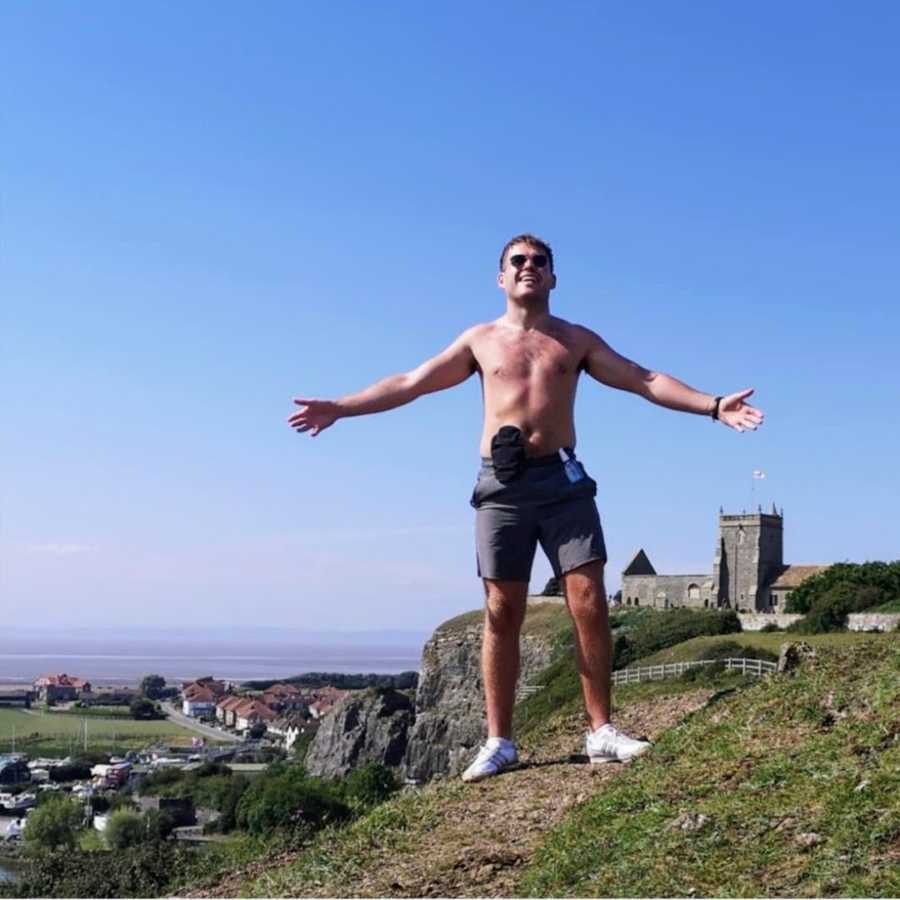
I’m back in contact with all my old friends, who regularly remind me how proud they are. The lost boy who once felt jealous is now genuinely proud of every single one of them. I am deeply grateful for all the support I’ve received from friends and family—old and new. Thank you for believing in me. I love you all.