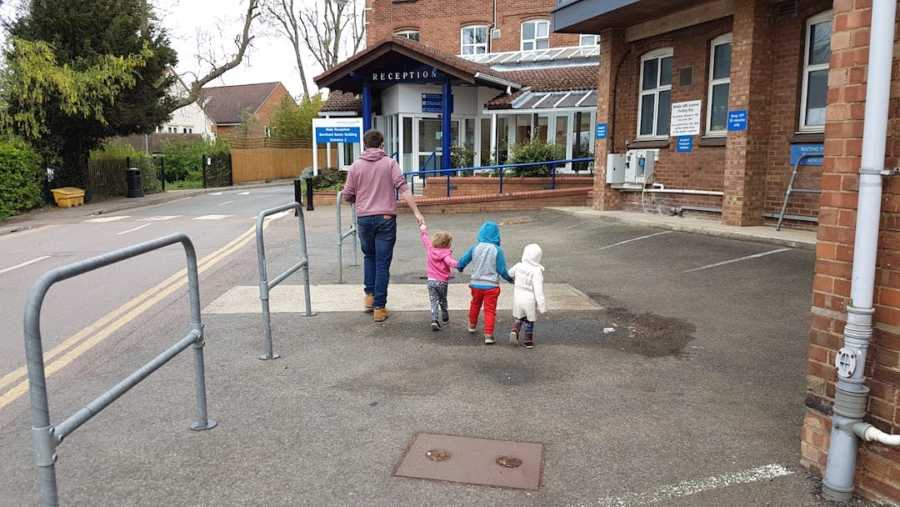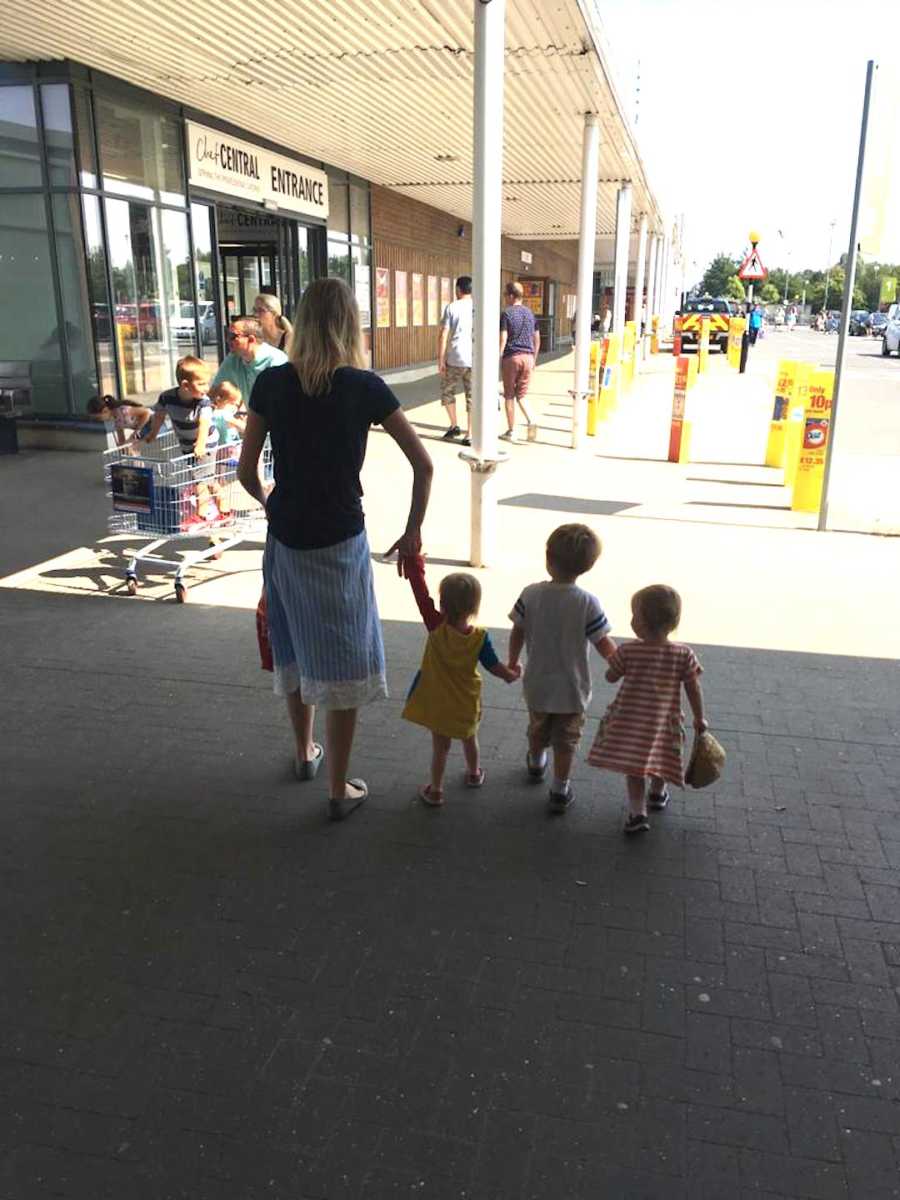
My name is Abi Halstead. I am a married mother of three young children, living in rural England, and I help run a small business alongside my husband. To me, life feels normal—though perhaps a little busy—but to an outsider, my daily routine might seem extraordinary. Each day, I inhale four nebulizers, perform two physiotherapy sessions, drink two high-calorie prescribed supplements, and take up to 51 pills. I do all of this simply to help my faulty organs function as best they can.
When I was just four years old, I was diagnosed with cystic fibrosis, a rare, life-limiting genetic disease affecting multiple organs. Most children with CF are diagnosed within the first few weeks of life, but I slipped through the net. My early years were difficult: I was extremely malnourished, very small for my age, and suffered two rectal prolapses in my first two years due to constant, severe diarrhea. Despite this, I was always hungry, and my parents struggled to keep me from raiding the kitchen cupboards in search of food. I cried often and was frequently angry. My parents knew something was wrong, but the GP at the time was unwilling to investigate further.
By the time I reached school age, my feet hadn’t grown for over a year, and my stomach was visibly distended. Fortunately, my parents managed to take me to the school doctor, who agreed that something was seriously wrong and referred me to the hospital for testing. There, I was tested for diabetes and cystic fibrosis. My parents anxiously awaited the results at home, and just a few days later, they received a life-changing phone call. The man who would become my CF consultant told them that their middle child, their only daughter, had cystic fibrosis. My parents immediately took me out of school and brought me straight to the hospital, where we met a team of specialists—doctors, nurses, a physiotherapist, and a dietician. I underwent extensive scans and tests while my parents learned everything they could about CF and the medications I would need to start taking immediately.
Naturally, this news was devastating for them. In 1995, the life expectancy for someone with CF was just 21 years, and my delayed diagnosis could have further reduced that. Suddenly, my parents were faced with raising a child who might not even reach her teenage years. Yet, despite their shock and worry, they made a conscious decision: life must go on. They began the strict routine of pills and two 20-minute physiotherapy sessions a day, but otherwise treated me just like my brothers. Thanks to their dedication, my childhood and teenage years were remarkably healthy and happy. My medication, physio, and supplements allowed me to grow and thrive. I threw myself into schoolwork, judo, swimming, and summer adventures like climbing mountains and camping.
At 15, I met John, who would later become my husband. We dated for several years before marrying just before my 20th birthday. At that time, my CF hadn’t yet impacted my life significantly. But by the age of 22, things began to change.
Cystic fibrosis is caused by a tiny fault in a protein found in every epithelial cell in the body. This protein regulates salt and water balance, keeping mucus in organs thin and effective. In CF, this balance is off, so mucus becomes thick, sticky, and prone to clogging organs. Epithelial cells line the lungs, pancreas, liver, gallbladder, intestines, sinuses, and reproductive organs—all of which can become blocked in CF patients. In the digestive system, I struggle to digest fat properly due to blocked pancreatic ducts, and my intestines absorb nutrients inefficiently. In the lungs, thick mucus creates a perfect breeding ground for bacteria, leading to chronic, sometimes aggressive infections that often require hospital stays for intensive intravenous antibiotics.
When I was 16, I contracted my first serious CF infection: burkholderia gladioli, which has remained with me ever since. Initially, I was terrified, fearing it might end my life. Thankfully, it appeared dormant at first, and after months of worry, I grew accustomed to its presence. Over the years, however, it has become increasingly aggressive. By the age of 22, I needed my first hospital stay for IV antibiotics—a milestone, as many CF patients have long experience with IV treatment by that age.
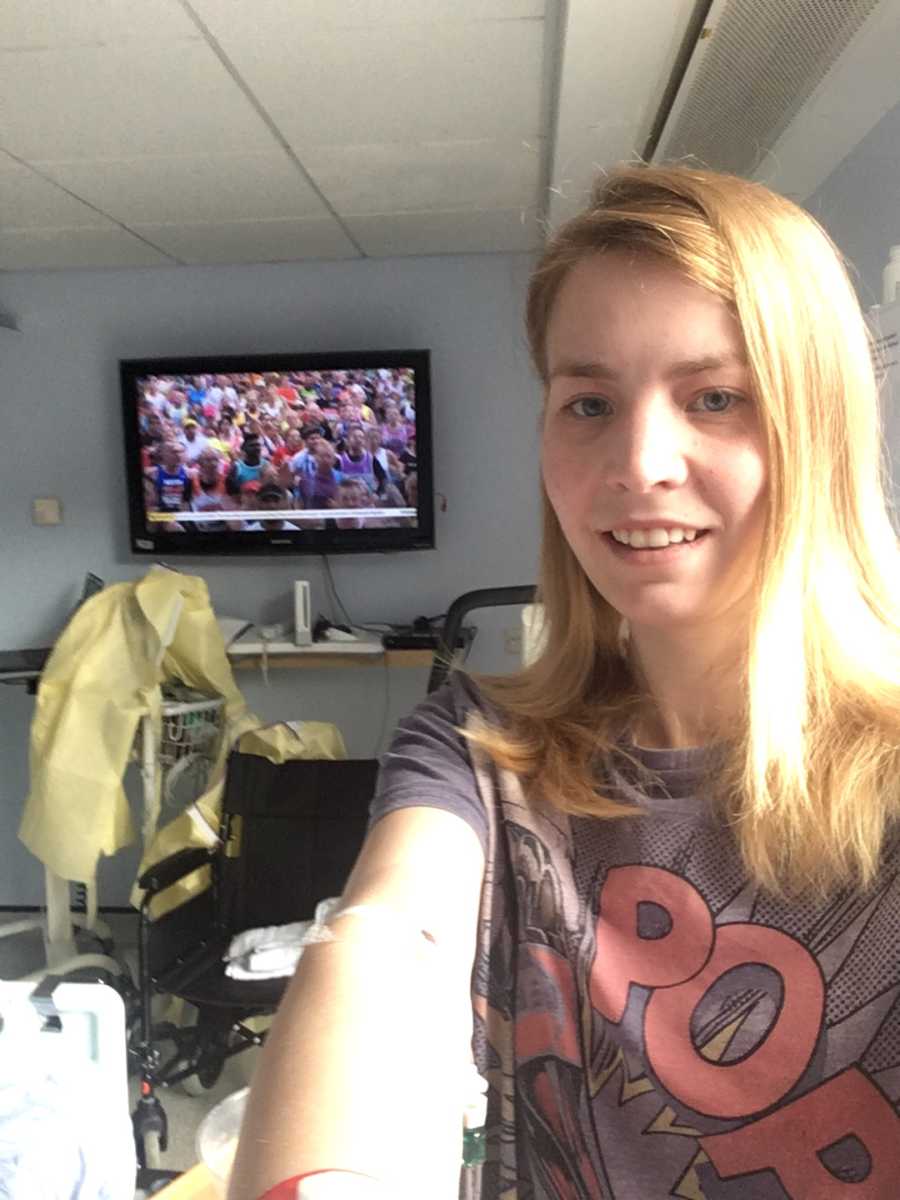
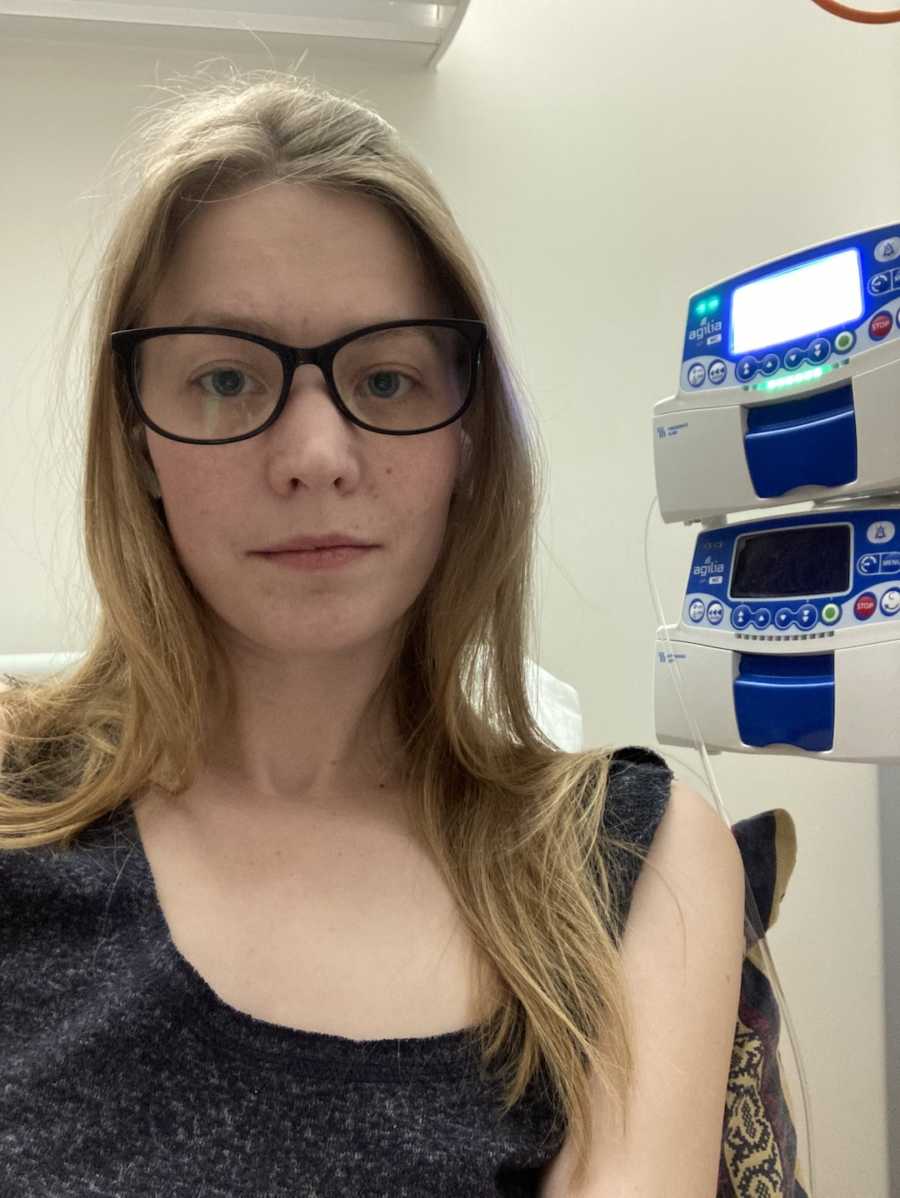
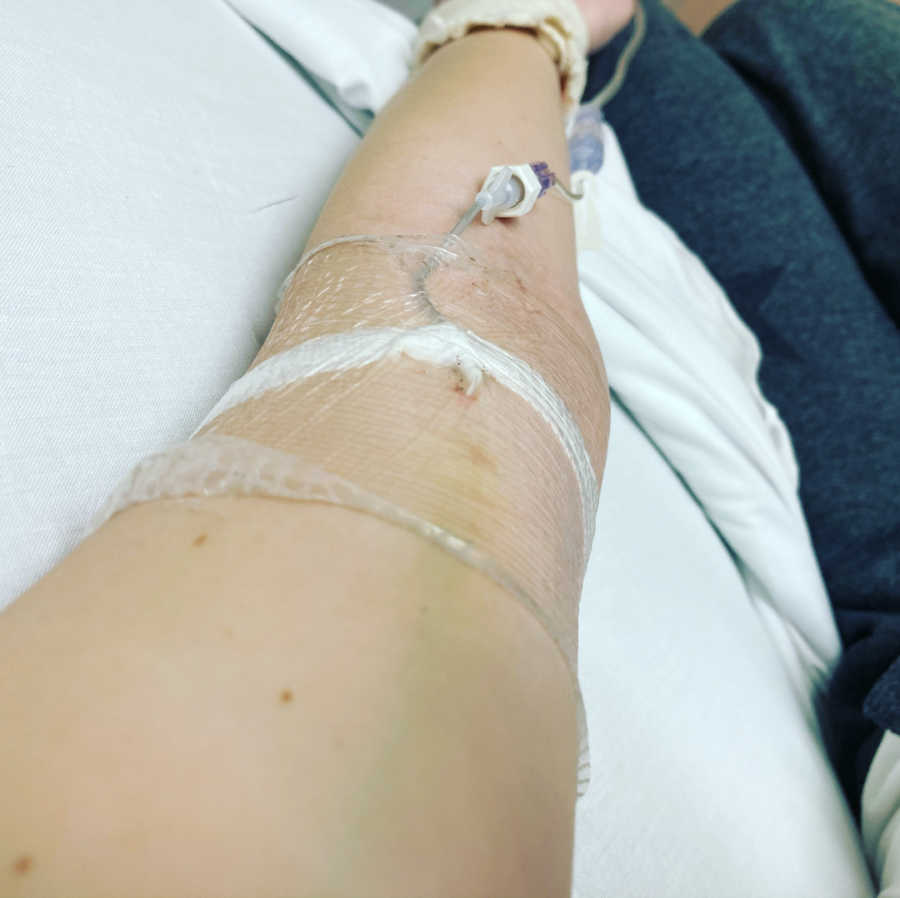
At first, IVs were occasional, but in recent years, they have become frequent, often overlapping, and mostly self-administered at home. This involves mixing three IV antibiotics three times a day and pushing them directly into my veins through a long line, a soft, flexible tube running from my wrist or elbow up my arm. IVs are exhausting, nauseating, and can upset my stomach to a near-apocalyptic degree. And as I’ve gotten older, adverse reactions have become more common.
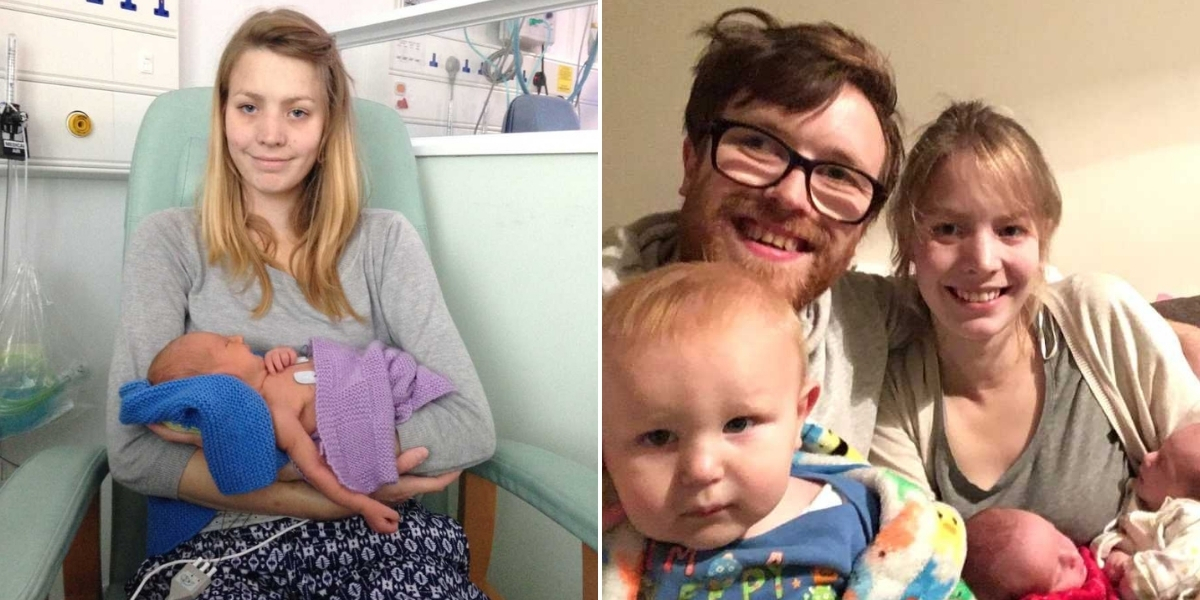
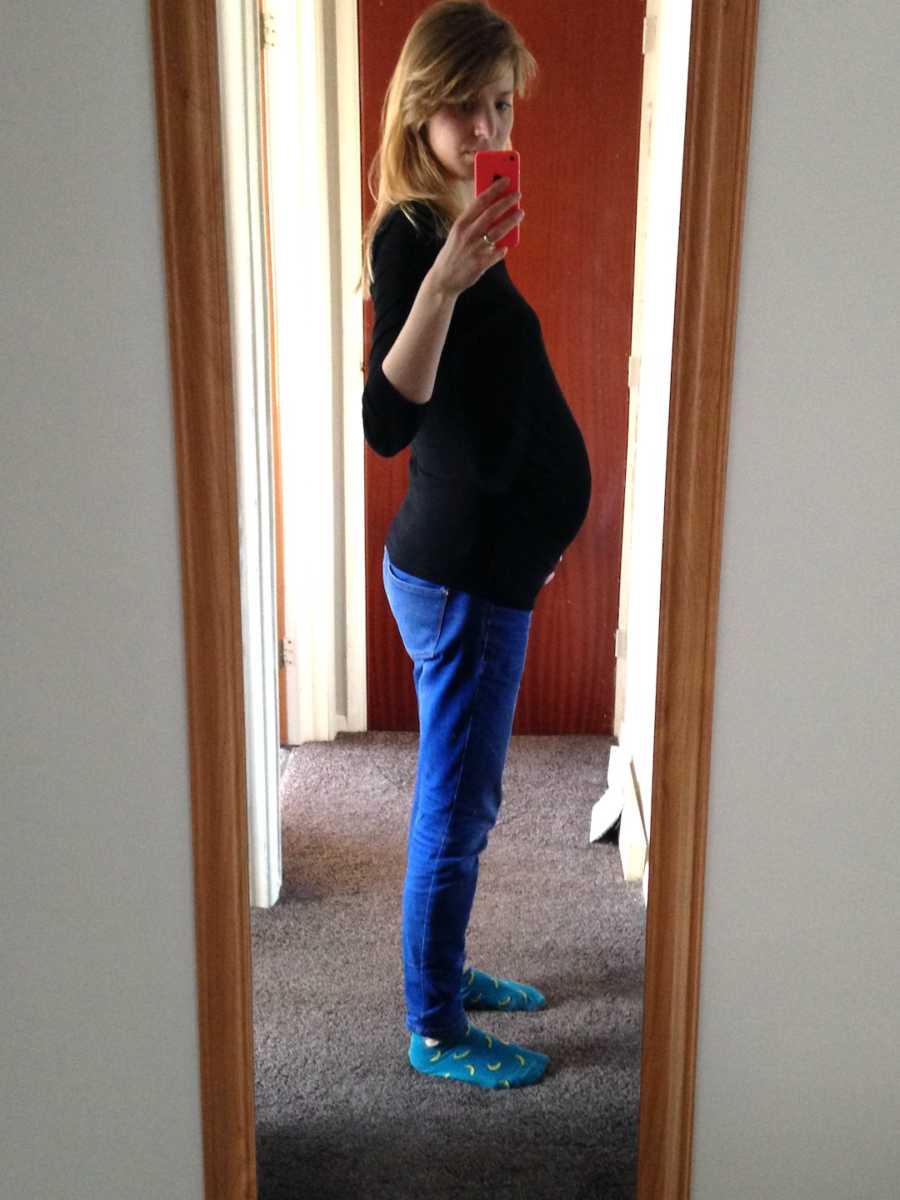
Despite these challenges, my life is full of love and joy. John and I have been blessed with three children, something neither of us ever expected to achieve. Our first child, Ben, was born in 2015. My CF team had warned me that pregnancy would carry significant health risks, but they supported me fully throughout. Ben was a relaxed, happy baby, and John and I settled into parenthood. Less than a year later, I discovered I was pregnant again. To our surprise, it wasn’t just a single baby—I was expecting identical twins who shared a placenta, a rare and high-risk situation. This type of twin pregnancy posed a serious threat of Twin-to-Twin Transfusion Syndrome, which can be fatal. My CF and obstetric teams monitored me closely with weekly scans and support.
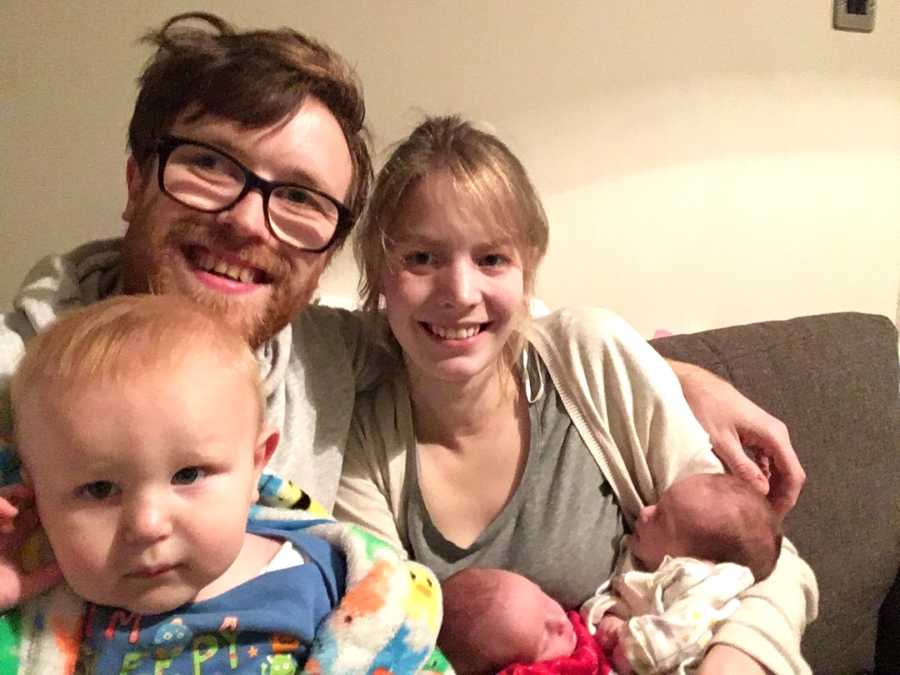
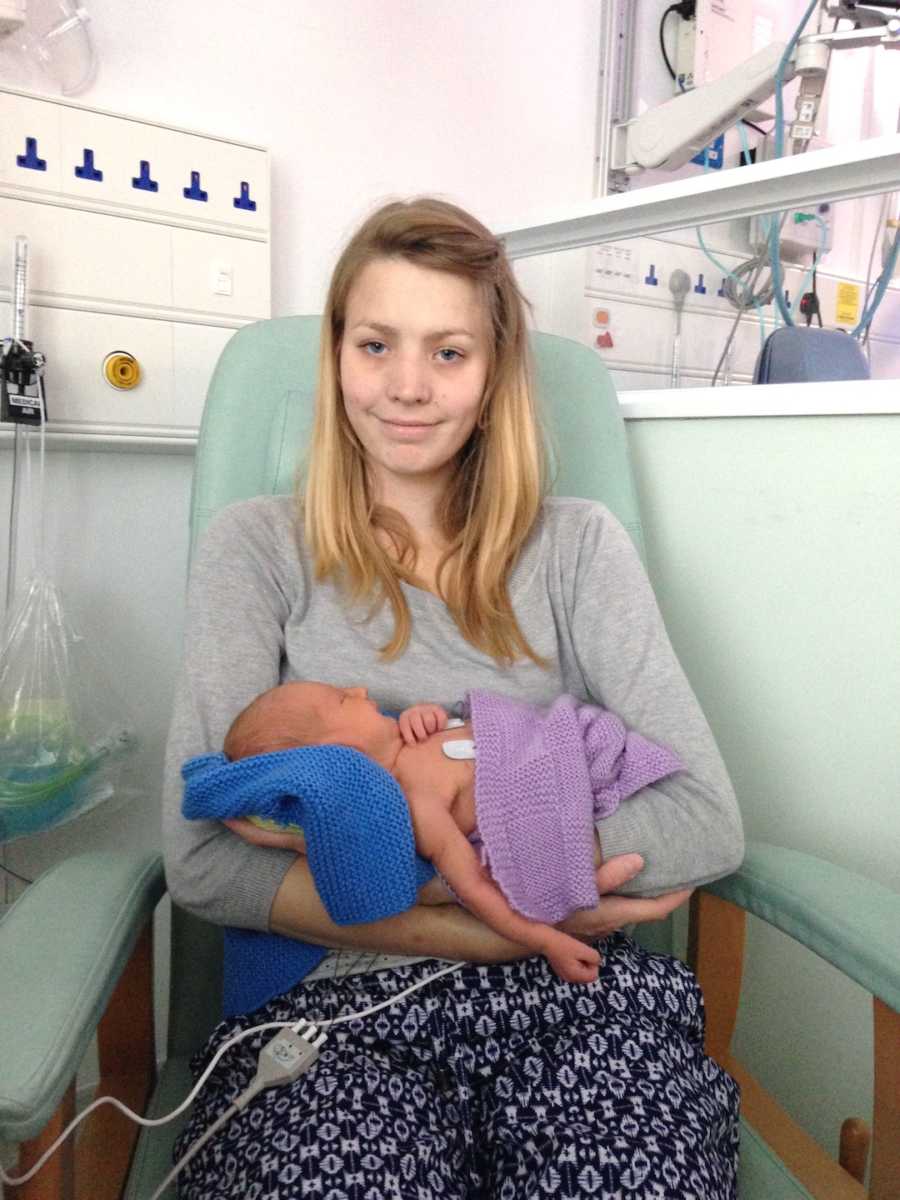
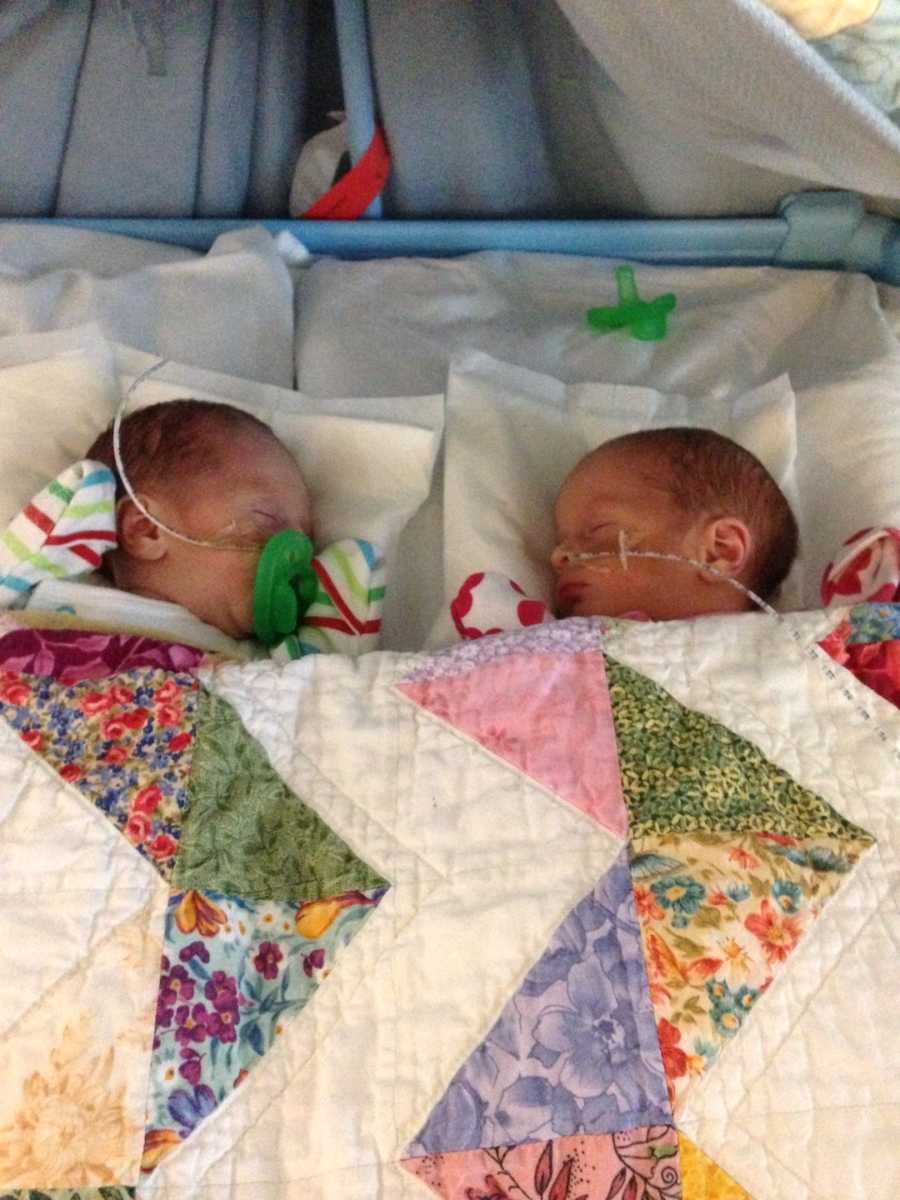
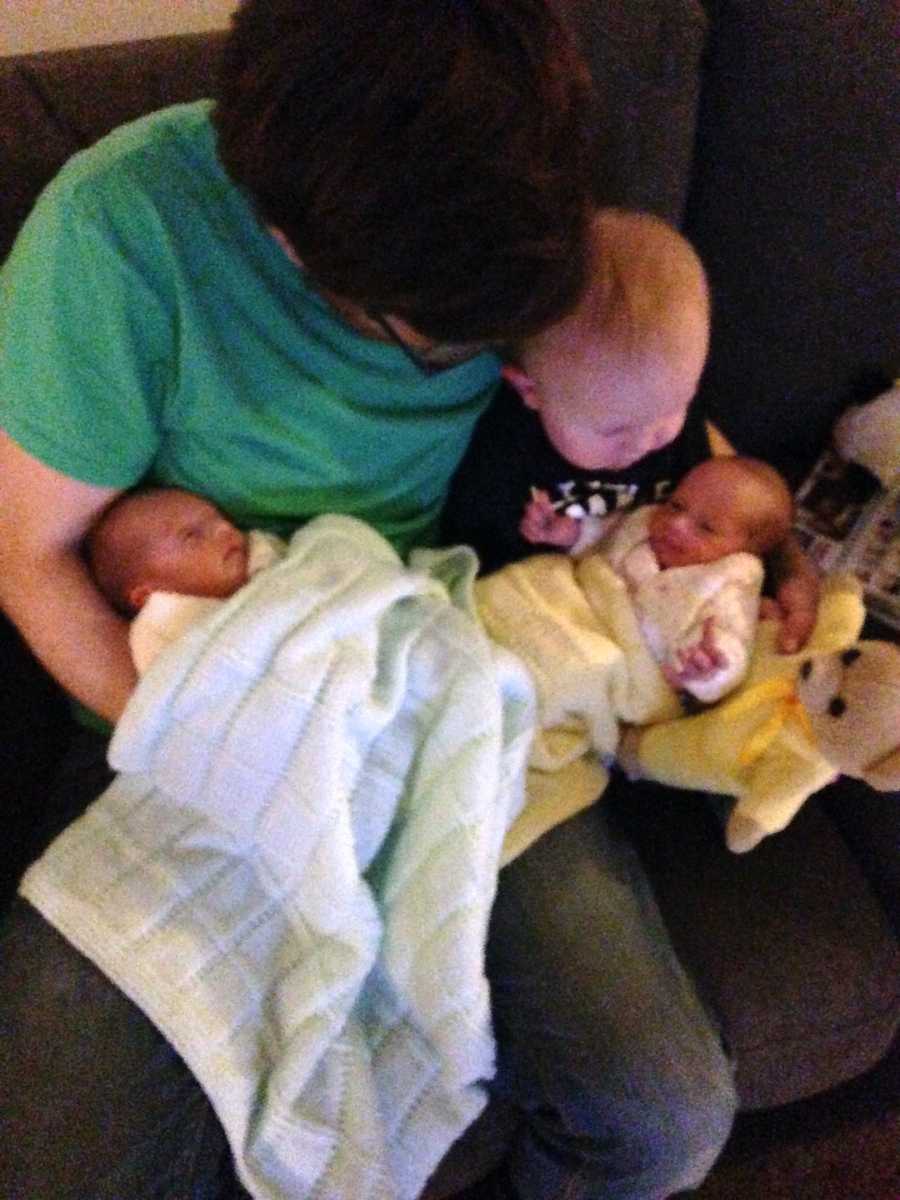
Delivery was intense. I was induced, but the babies were so ready that my labor lasted only 23 minutes—far faster than my first. The rapid contractions caused my double-sized placenta to nearly detach, leading to life-threatening blood loss. Despite this, the twins survived and went home just 10 days later, both weighing only four pounds. Looking back at photos of my three children, all under 18 months at the time, it feels almost surreal that we survived and thrived.
John, a self-employed plumber who launched his business just days before we learned I was having twins, and I have navigated sleepless nights, paperwork, and exhaustion together. While our days are incredibly taxing, they are also full of joy. Watching our children play, laugh, and grow together reminds us how blessed we are, even in the toughest moments.
As I age, life with CF will inevitably become harder. Last year, I turned 30, a milestone in a condition where the average life expectancy is still only 29–35 years. While I work tirelessly to maintain my health, I cannot ignore the reality that my life may be shorter than most. But this awareness has never been depressing—in fact, it’s empowering. I cherish every day, every laugh, and every moment with my family. My life may be limited, but it is full of love, happiness, and purpose, and I intend to make every single day count.