My parents immigrated to the United States from South Korea when they were just 30 years old, bringing their first child with them and very little else. After settling in, my mom naturally gave birth to three more children in the U.S. When the fourth child arrived, she firmly declared she was done having kids. Three years later, everything changed. My mom became extremely ill, so sick that she ended up in a wheelchair. Fearing cancer, my parents sought answers—only to discover something no one expected. She was pregnant again. That child was me. The shock was overwhelming, but so was the miracle.
Raising five children in a country where they barely spoke the language was incredibly hard. My parents took whatever jobs they could find—cleaning motels, sewing neckties, working at dry cleaners, cooking in restaurants, running corner markets, anything that would keep food on the table. While they worked long hours, my older siblings stepped in to help raise the younger ones. Survival became a family effort.
After years of exhausting labor, an unexpected opportunity emerged. My parents began training to become Taekwondo instructors. They pushed their bodies, studied teaching methods, and followed experienced mentors to perfect their craft. Eventually, they earned the chance to open and run their own Taekwondo studio. It felt like salvation. Our family was finally stable—or so we thought.
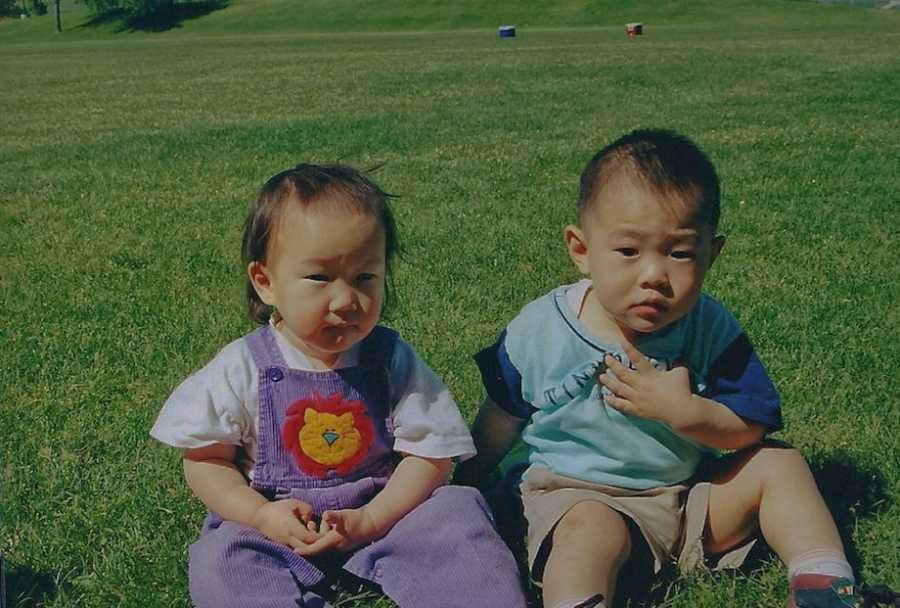
Every day after school, we were expected to help out at the studio. At first, it was fine. But as time passed, it began to interfere with our social lives. I watched my friends join clubs, sports teams, and build inside jokes without me. Slowly, I started to feel invisible. Instead of fighting it, I isolated myself, using our family business as an excuse to avoid parties, hangouts, and even dates.
That isolation only confirmed my worst fears. I felt friendless, alone, and like a complete loser. I leaned heavily on my family for happiness, but even that began to crumble. My oldest sister got married. My parents’ relationship grew strained. My mom left Utah to live in California with my sister and her husband. My oldest brother—my best friend—left for college. Suddenly, it was just me and my dad, who had (and still has) diabetes.

When half of my family left, I felt responsible. I tried to fill every role—my mom, my sister, my brother-in-law, my brother. I failed miserably. That failure seeped into my schoolwork, my attendance, and my self-worth. I skipped classes regularly. While my mom was in California, my high school repeatedly called her about my absences. For months, my sister, my mom, and my brother all tried reaching me. I ignored every call.
One day, my sister texted me: “Jiwon, you better answer your phone or mom is going to come all the way over there because of you.” I finally answered, silent on the other end. Gently but firmly, my sister asked, “Jiwon, are you okay? We think something might be wrong. We think you might have depression. We’re looking for therapists near you.” I barely understood what depression was. All I knew were the overly cheerful antidepressant commercials online. Still, I trusted her and began looking for help.
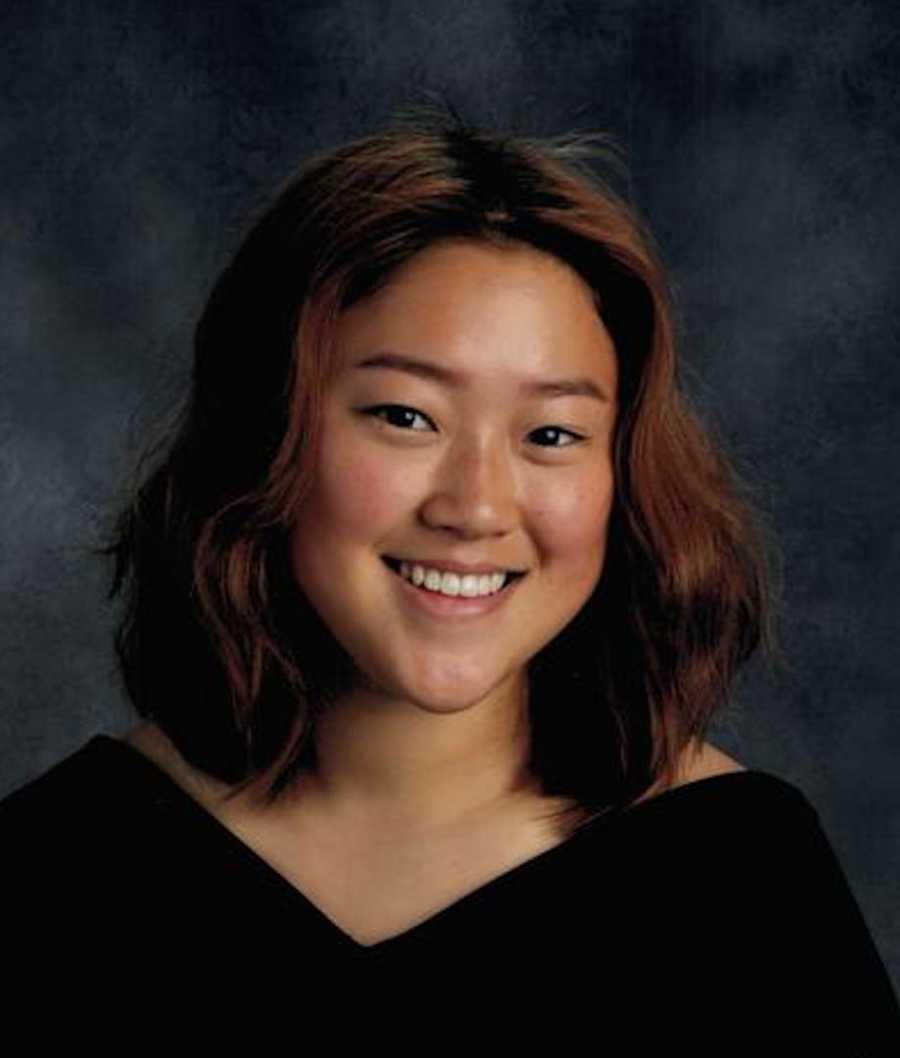
I called and messaged counselors, asking about trial sessions. Every price felt impossible for our family. Eventually, I reached out to my local ward bishop—who was also a therapist. I told him I couldn’t afford therapy but desperately needed help. He offered me a free session. That one session brought a small sense of relief, but I didn’t know how I could continue. I never went back.
Afterward, I drove aimlessly until I parked in front of our Taekwondo studio. Sitting there, I wondered if I should call the suicide hotline. I didn’t know what I would say. I didn’t want my mental health to destroy my family financially. Instead, I emailed the only teacher I trusted—Mrs. Darling. I poured out my heart. She replied almost immediately: “I’m here for you.” Words I had been aching to hear. I returned to school just to attend her class, the one place I felt safe. She arranged a meeting with a school counselor on my behalf. It was supposed to be a one-time thing, but it helped.
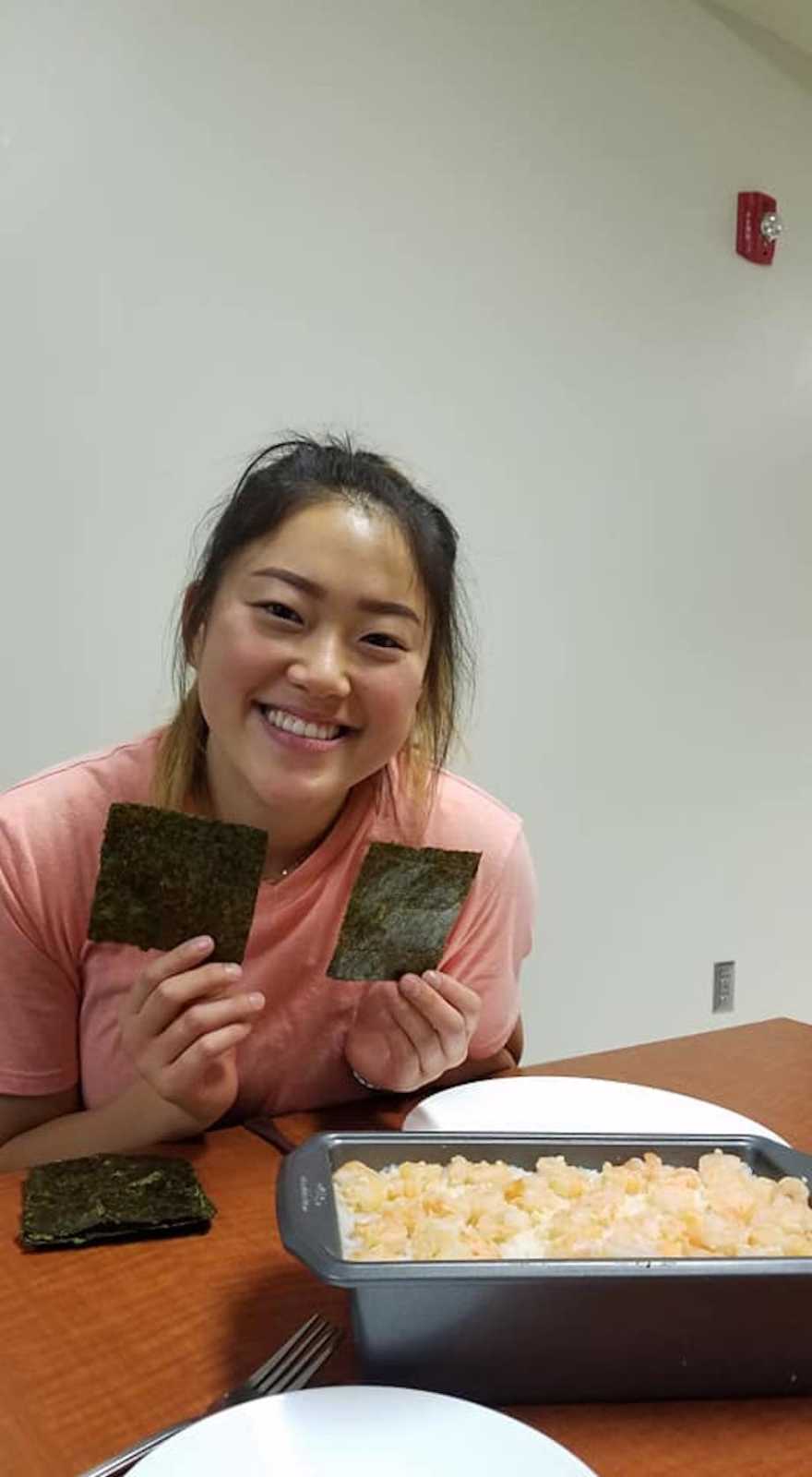
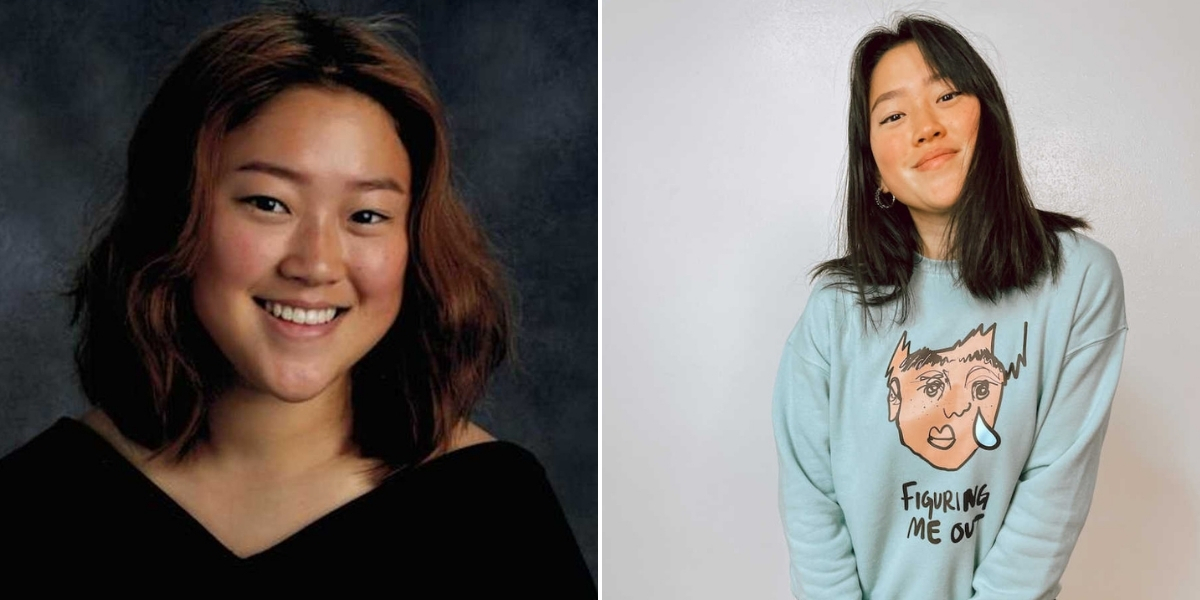
Mrs. Darling continued to guide me through everything. She helped me catch up on schoolwork, explained my situation to the school board and my teachers, and never gave up on me. She truly saved me. I finished the school year and was awarded the Visual Art Sterling Scholar Award for the state of Utah. I earned a scholarship to my dream school, Brigham Young University. My mom returned home, and I completed a year of college before deciding to serve a mission for the church. My freshman year was incredible. I saw my brother every day, made lifelong friends, and finally felt free.
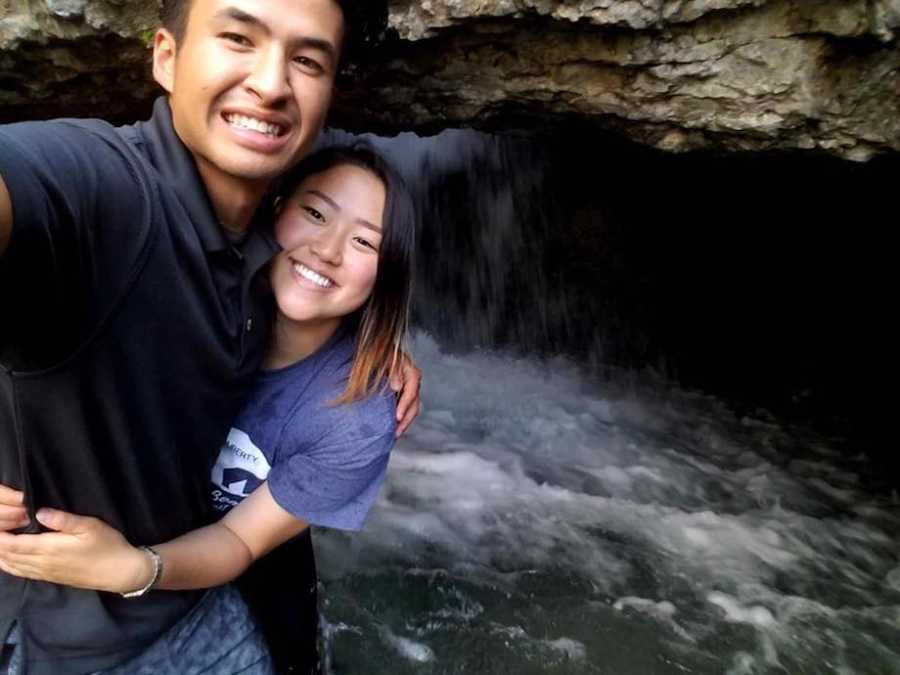
Then I met my husband, Paul Cannon. After months of getting to know him, I fell deeply in love and decided I didn’t want to serve a mission anymore—I wanted to marry him. Paul encouraged me to reconsider, and I made a decision I will never regret. I served a full-time mission and gave it everything I had. I studied obsessively, carried my scriptures everywhere, and wrote down every thought, even in the middle of the night.
I was called to serve in Iowa, which felt like the middle of nowhere. Four months in, my body began to break down. I experienced extreme fatigue, shakiness, nausea, headaches, and constant bloating. I felt like I was failing every single day. Knowing my mom had thyroid cancer and my dad had diabetes, I begged doctors to test me. My symptoms felt so physical that I was convinced something was medically wrong. But test after test came back normal. They said my body was healthy, even though I felt anything but.
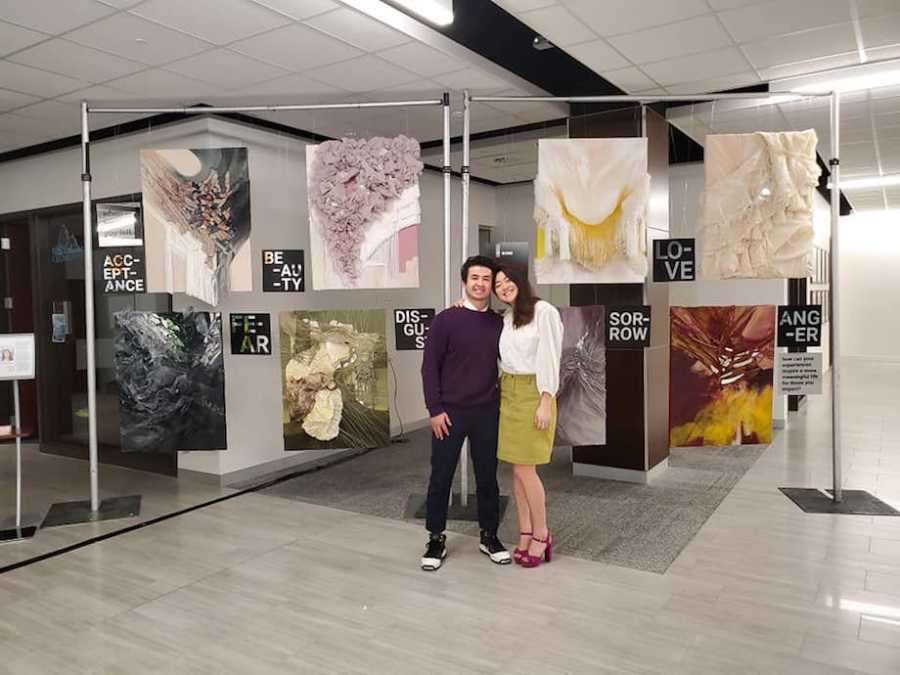
After weeks of rest, I finally opened up about my thoughts. I admitted I was suicidal. That’s when I was diagnosed with severe anxiety and depression. I was crushed. I kept thinking, “Why do I feel this way? I’m serving God—shouldn’t I be happy?” I was prescribed medication, and I was terrified.
Growing up with an Asian background, I deeply feared Western medicine. The first time I took the pill, I had a full-blown panic attack. My arms shook so violently I couldn’t hold my cup. I was hyperventilating, convinced I was swallowing knives. I felt exposed and humiliated as five girls watched me struggle, like I was an animal on display.
My condition worsened, and I was eventually sent home early from my mission. Shame consumed me. My family welcomed me with love, but I felt like a burden. Therapy helped, but the cost made my anxiety even worse. Panic attacks became constant. Suicide began to feel like the only escape. I confessed these thoughts to my family. They immediately pulled me out of school and enrolled me in an intensive program at the OCD and Anxiety Treatment Center—far beyond what we could afford. But they chose my life over money.
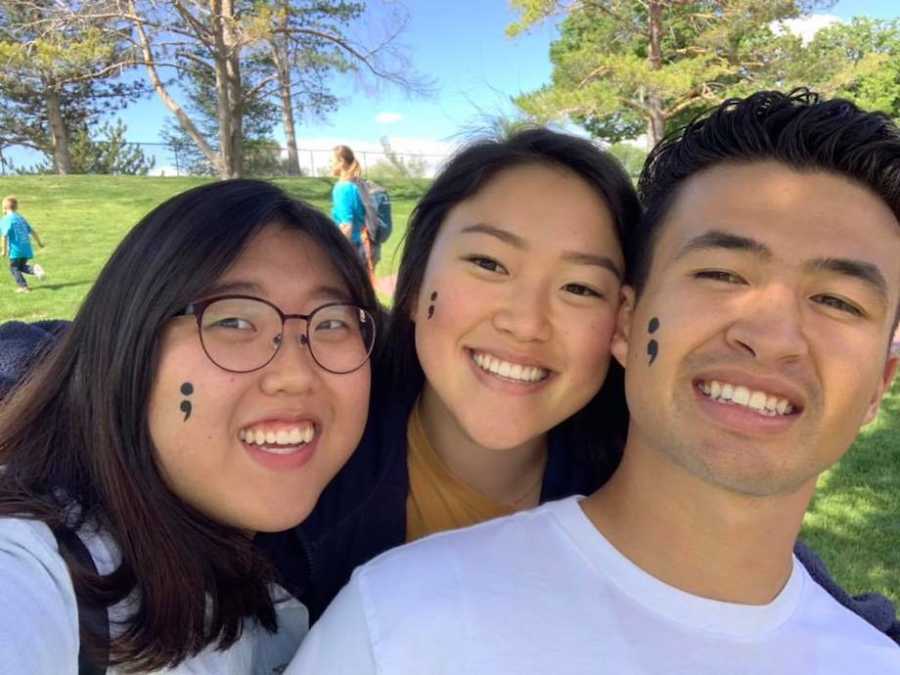
I didn’t want to go. I felt broken and judged before I even arrived. I was terrified of being seen there. What would people think? But I was wrong. Completely wrong. I learned how to manage panic attacks, build a social life, and challenge my compulsive behaviors. I made meaningful friendships and learned how to pursue my goals without letting anxiety block the way. For the first time, I learned how to be imperfect—and be okay with it.
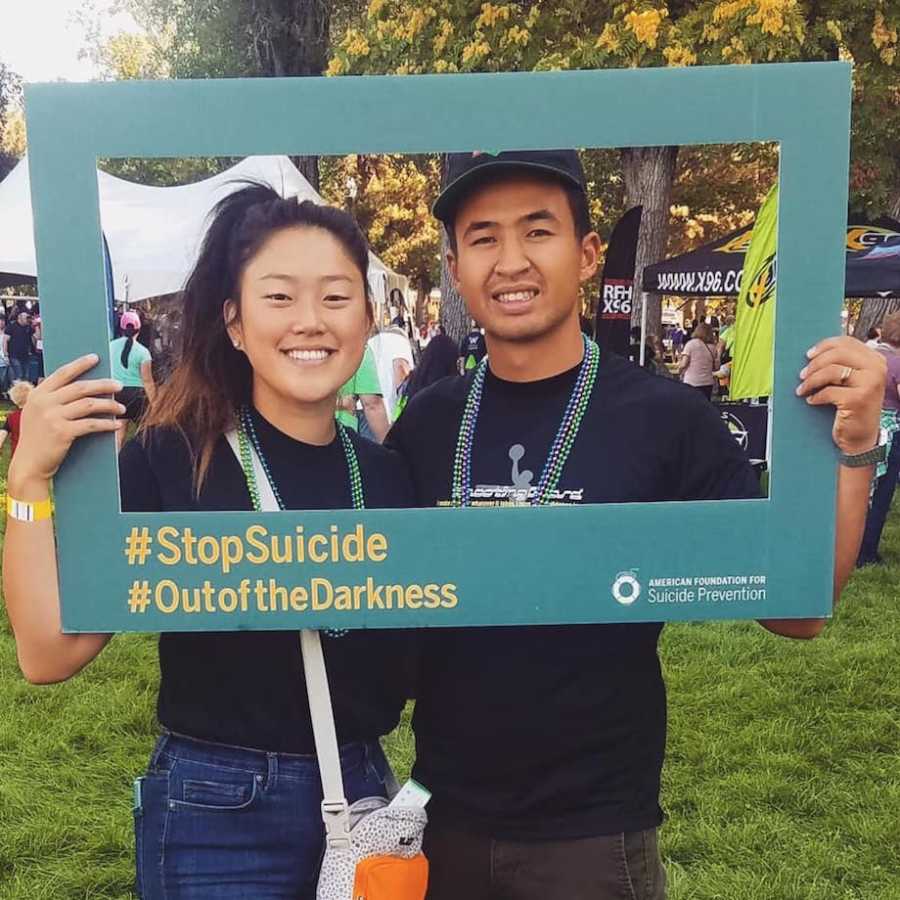
After graduating from treatment, I felt called to share what I had learned. I wanted to reach people who didn’t understand anxiety or depression, who dismissed others for struggling. I wanted them to know there is help, and there is hope.
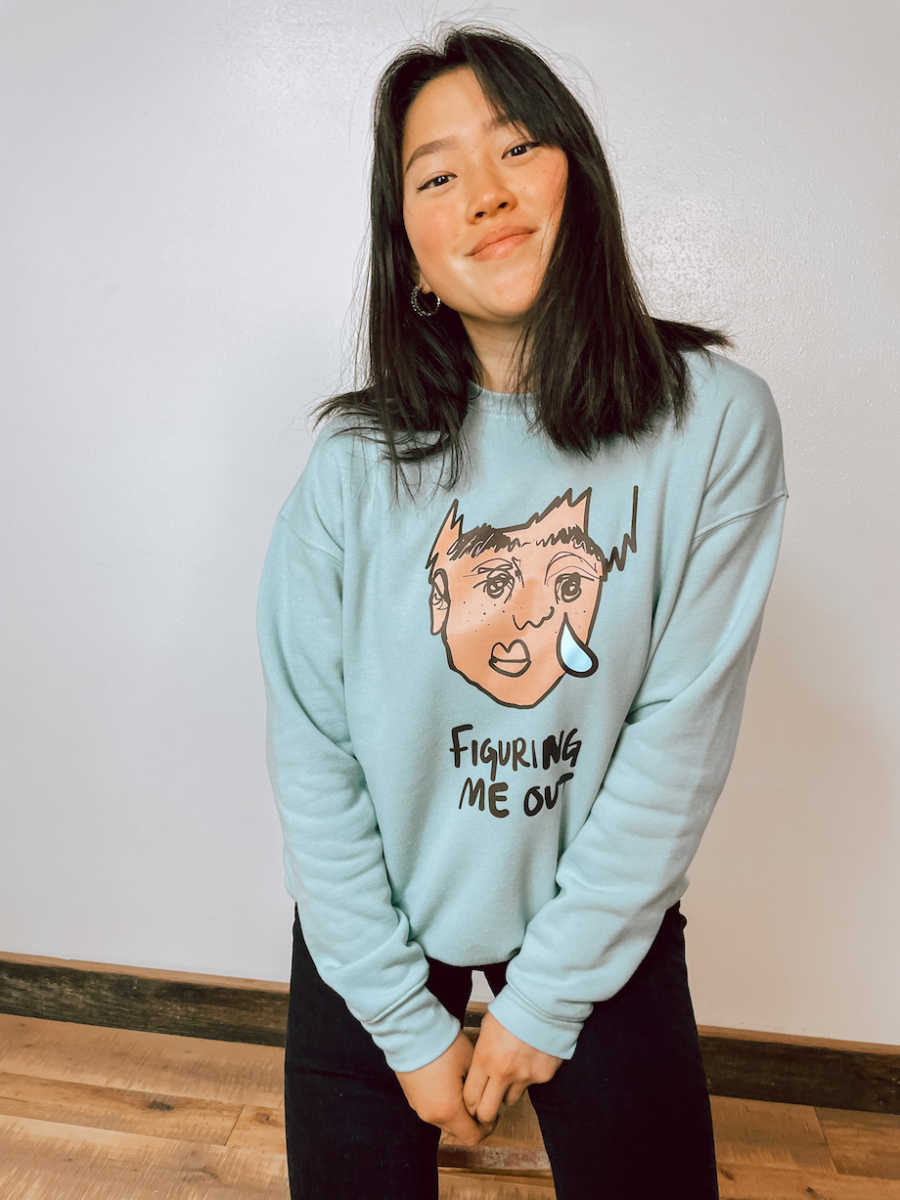
That’s why I started Uncover Designs—a business creating wearable designs that promote mental wellness. This is my purpose. Through my story and my art, I want to help change the world, one conversation at a time.