After finishing my service as an infantryman in the United States Army, I purchased a brand-new car and drove across the country from Ft. Lewis, Washington, back to my home state of Tennessee. With the rest of the money I’d saved during my last year in the military, I opened a recording studio in the small town of Humboldt. I was living in the back of the studio at the time, and my girlfriend suggested we move in together. The house we chose, however, was too far for a daily commute, so I sold all of my studio equipment and used the money to furnish our new home. I still hoped to continue offering mixing and mastering services remotely, but giving up the recording side of the business ended up costing me most of my customers.
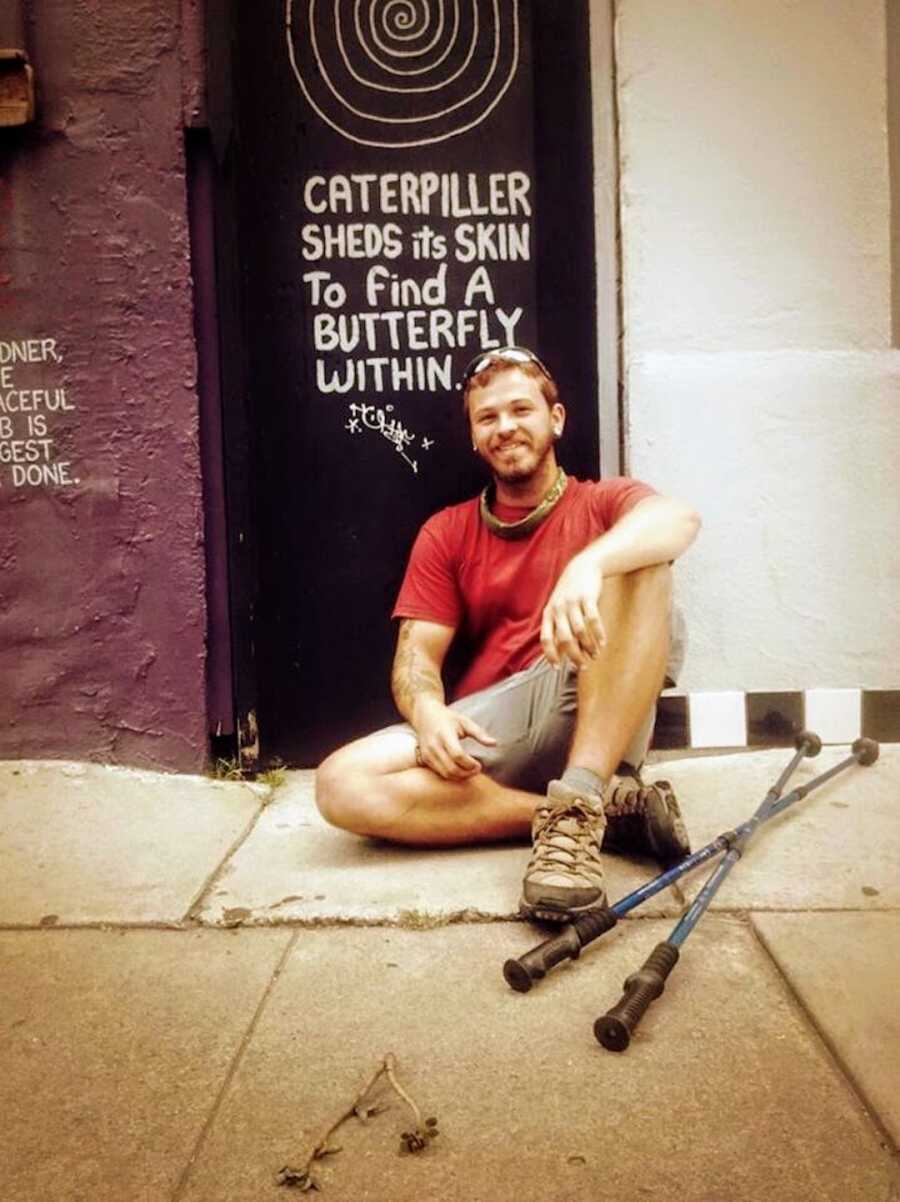
To make ends meet, I applied for any work I could find. After about a month of doing odd jobs that barely covered basic expenses, my girlfriend left, leaving me unable to afford the house on my own. I sold everything I had just purchased for the home and began living out of my car. Months passed with no stable work in sight, and I decided to visit my parents in Greenfield, keeping the truth about my situation hidden. I told them I’d taken a few days off work to relax, but in reality, I needed a shower, clean clothes, and a brief respite from living in my car. I stayed the night, did my laundry while they were away, and decided to remain for a second night before resuming my job search.
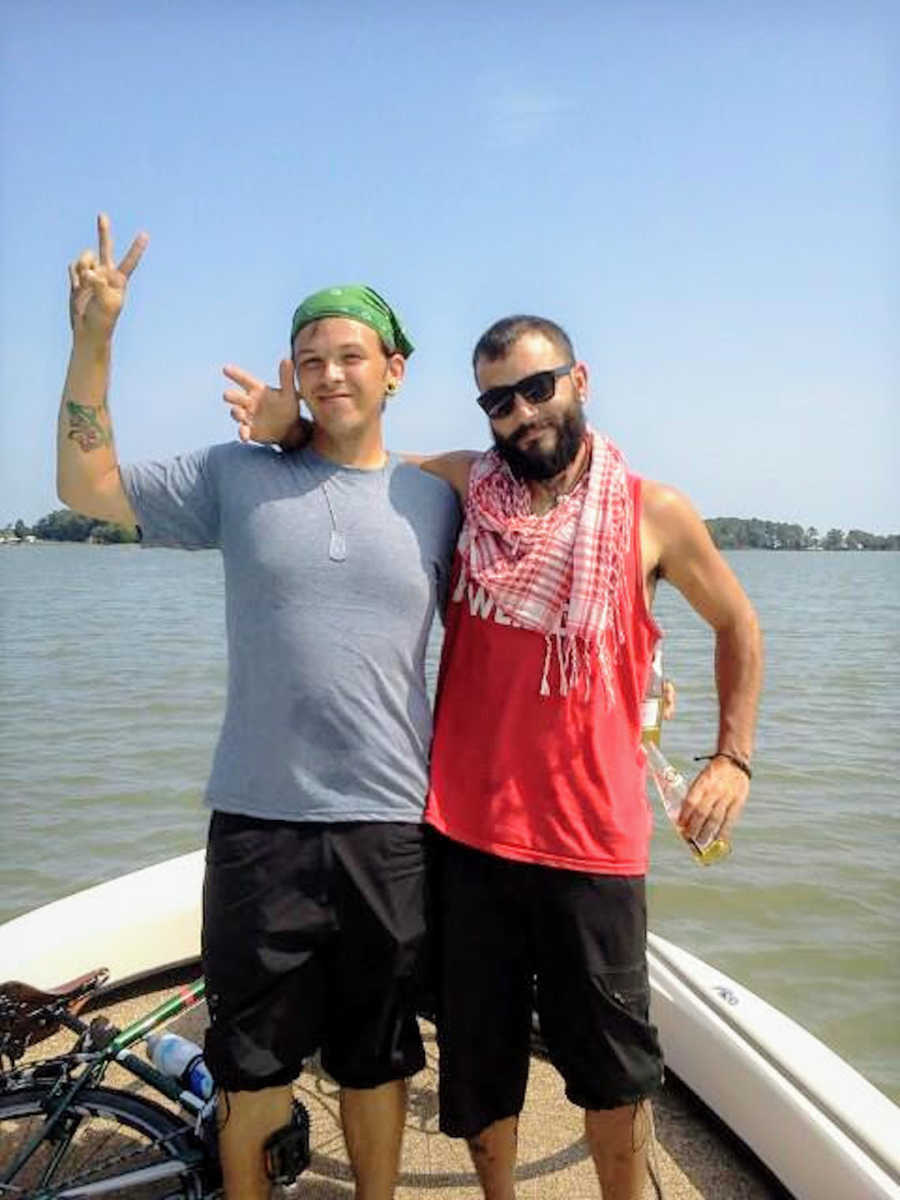
During that second night, a tornado struck, sending a tree crashing onto both their house and my car. I ended up staying with my parents for about two months, helping to repair the damage. Unfortunately, having recently switched my car insurance to liability-only coverage, I had no choice but to scrap my car for $500. I used the money to buy a backpack and camping gear, preparing myself to hike between towns in search of work. While the walking and nights under the stars were exhausting, I noticed that it seemed to ease my PTSD in ways I hadn’t expected.
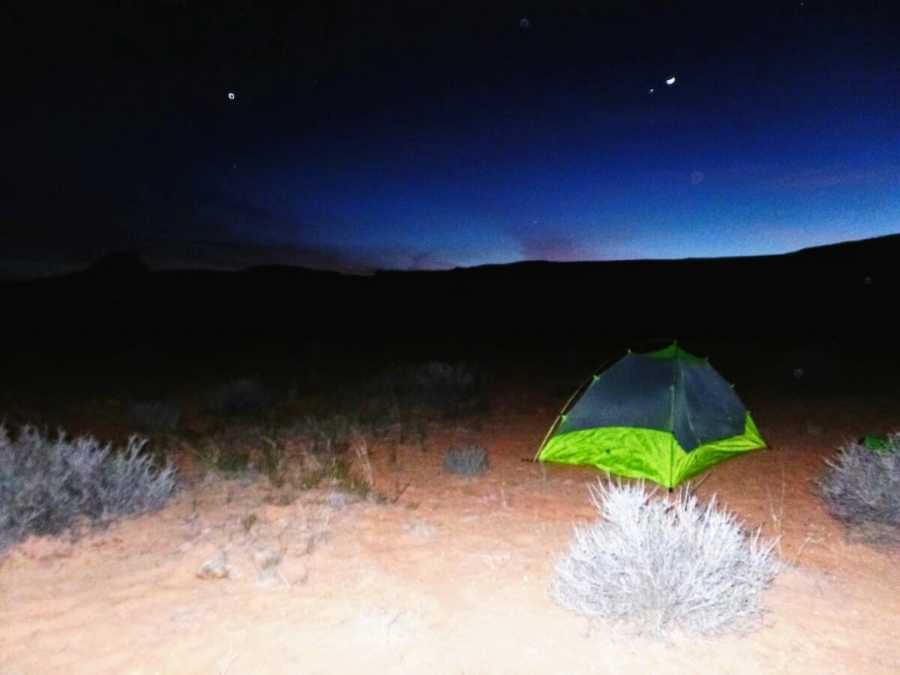
One night, as I trudged along train tracks toward yet another town, I had an idea: to walk across America. I imagined taking six months for myself, giving my mind and body the space they needed, and maybe returning with a fresh start. I spent nearly all my remaining money on equipment, purchased a train ticket to Washington, D.C., and then traveled to Delaware to begin my cross-country trek. Initially, I focused on speed rather than experiencing or savoring the journey. I gained little from that first attempt, learning the hard way that rushing through life left me with almost nothing to show for it.
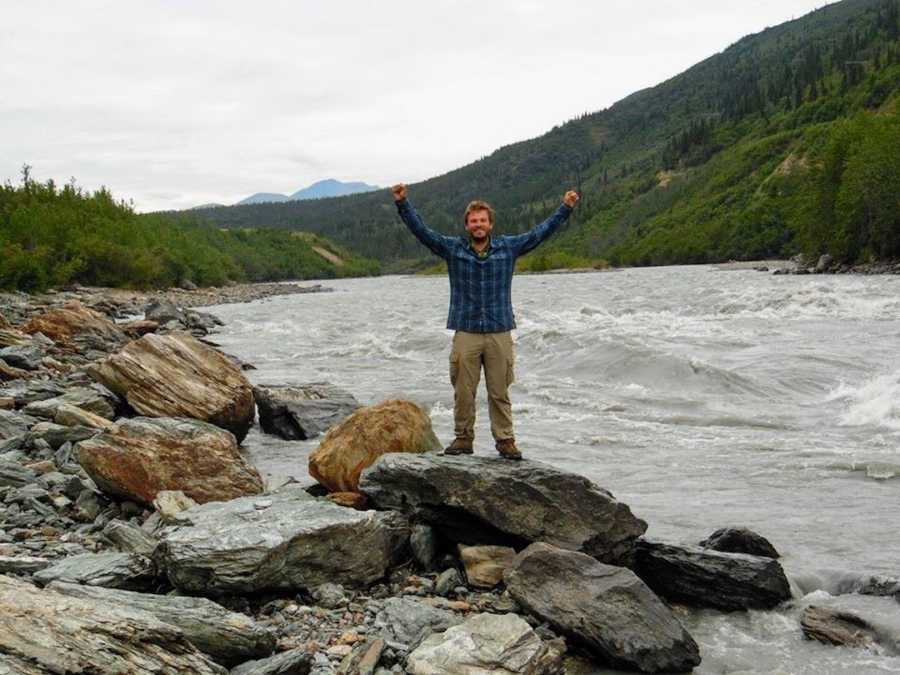
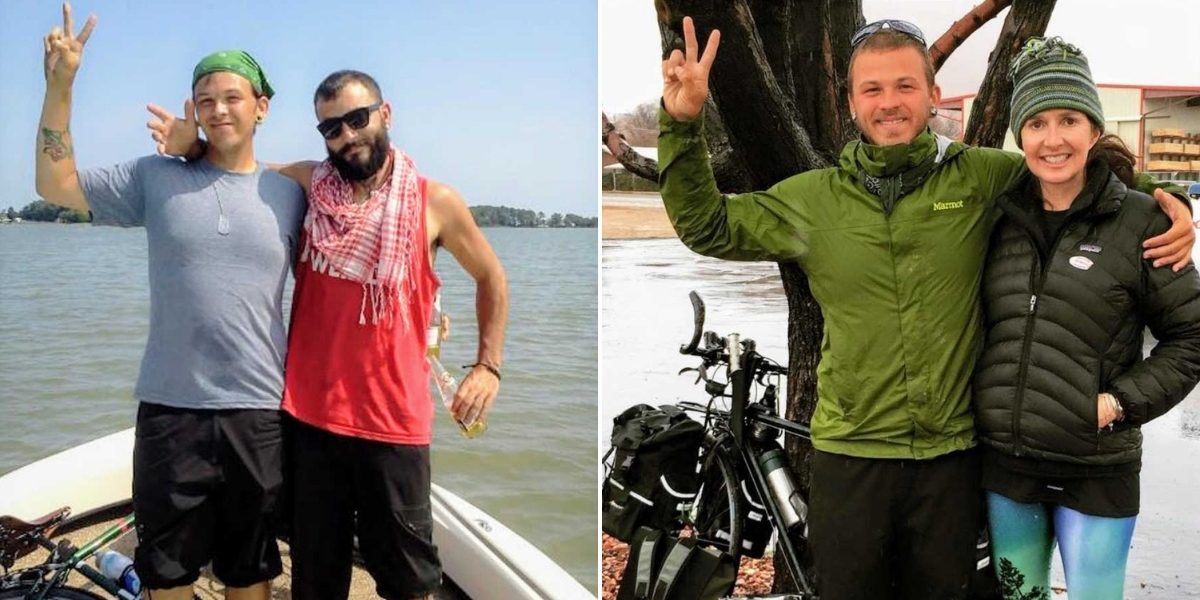
Still, there were moments of kindness and growth. A couple in Kansas invited me to stay with them for two nights and even took me to the zoo. I learned to camp in unusual places, be comfortable in my own company, and disregard the judgment of others. I discovered the best gear to carry, rebuilt my physical fitness to near-Army levels, and gained confidence in my independence. Wanting more from my adventures, I purchased a bike and began pedaling toward Florida. After nearly succumbing to several heat strokes, I arrived in Pensacola and reunited with an old friend. Plans of living there together were dashed when she was hit by a car the next night while walking from the beach.
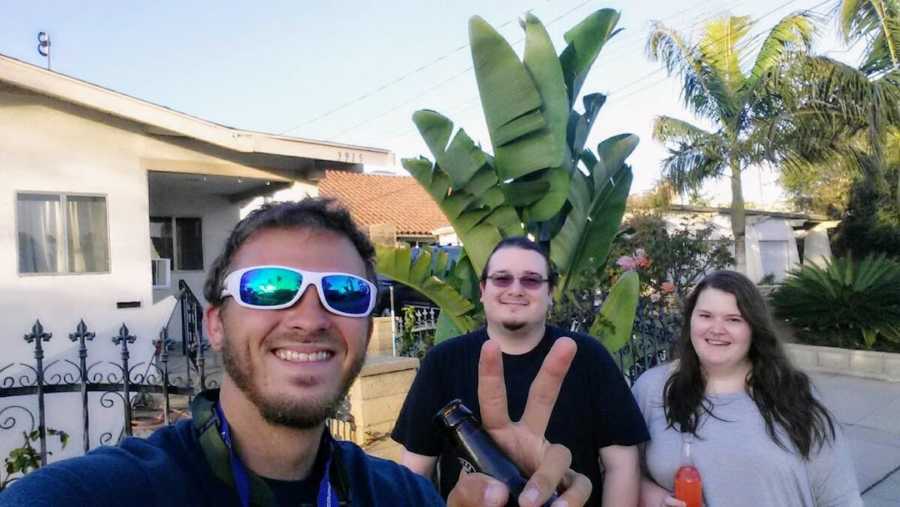
She survived but required extensive physical therapy back in Tennessee. I spent a few weeks in Florida recovering from the heat and waiting for the weather to cool, during which I conceived the idea of reaching Alaska and even living there for a while. I also sought a way to stay motivated and discovered ‘Shot At Life,’ a charity providing vaccines to children in developing countries. By tracking my miles for the cause, I found a renewed sense of purpose. Helping others boosted my self-worth, eased my depression and anxiety, and made me more open to people and experiences.
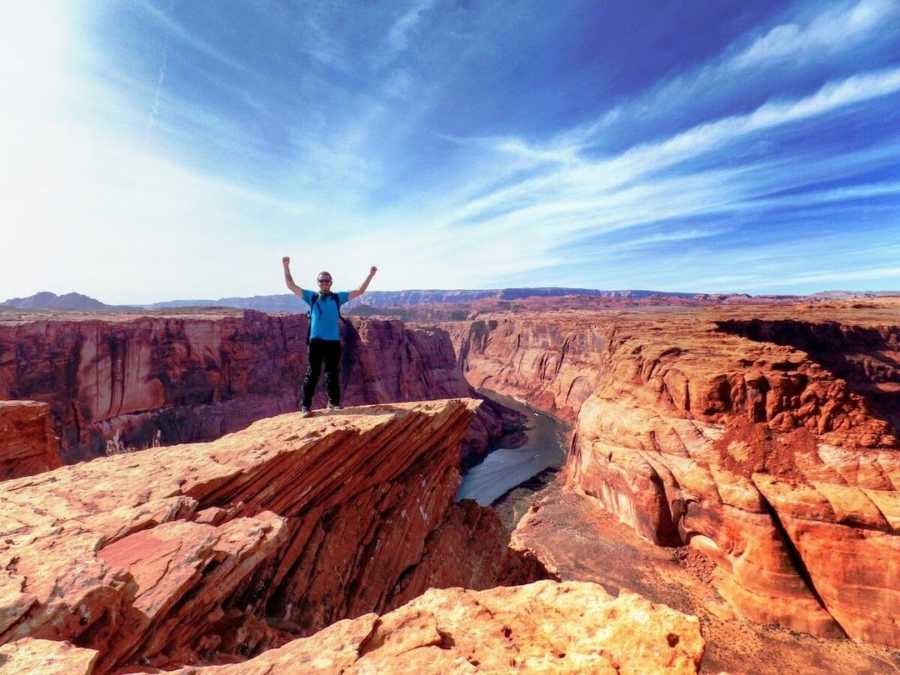
The journey from Florida to Alaska was far from easy. I was shot at in Kentucky after stumbling upon a meth house, crushed a nerve in my hand due to improper bike fit, and endured nights where my belongings were soaked in near-freezing temperatures. I witnessed a man sever a boar’s head, which he gave to me with a simple warning: “You might need this.” I faced nearly being stepped on by a bear while sleeping on a mountainside, got caught in sandstorms and blizzards, and stayed with a traveling cyclist family in Arizona who were somewhere between Amish and hippies. Before reaching Nevada, I sold my bike to continue on foot and switched my charity support from Shot At Life to the Wounded Warrior Project. Walking, rather than cycling, allowed me to fully experience the world beneath my feet and reconnect with the rhythm of life.
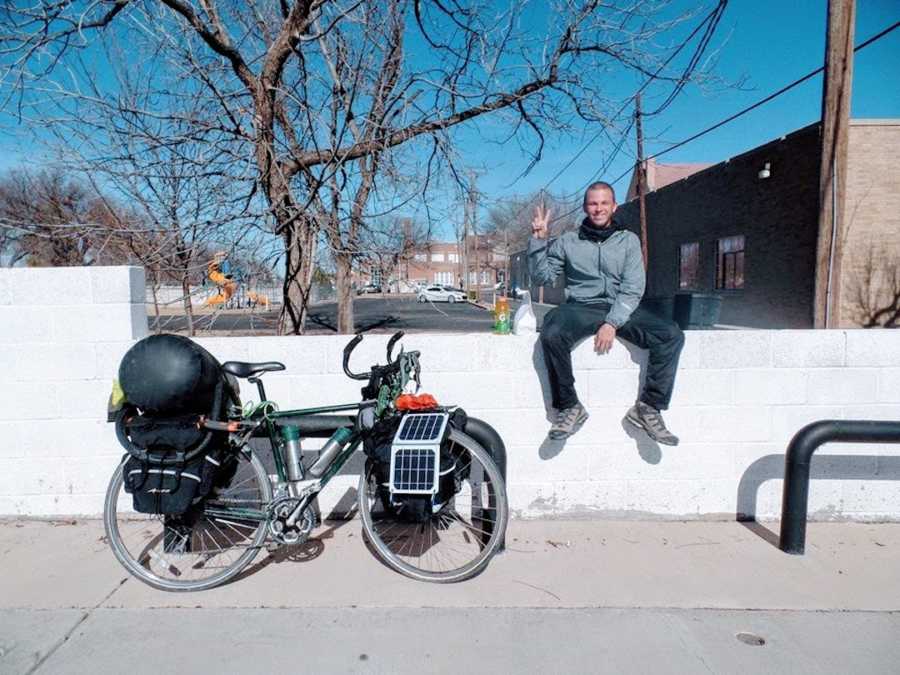
I walked the Loneliest Highway in Nevada, entered California, and followed the Pacific coast north. Plans to continue through Canada were thwarted by time constraints and passport delays, so I took a month off to work on a plantation to fund my flight to Alaska—a detour that added another layer to the adventure. In Alaska, I explored the wilderness for months, surviving a near-fatal encounter with a grizzly bear. Returning to Anchorage, I sought work and shelter but was caught unprepared for the harsh winter. Eventually, I flew back to Tennessee with nearly all my savings spent, yet my desire to walk across America again remained.
Back in Tennessee, I connected with an old friend to plan another cross-country trek, this time for St. Jude Children’s Research Hospital. We began our journey in Florida. After thirty days and 300 miles, my friend opted out, leaving me to continue alone. Months of walking brought challenges: cold, loneliness, dwindling donations, and my body breaking down. By the time I reached San Francisco for the third time, I was physically exhausted and emotionally depleted. Standing on the Golden Gate Bridge, contemplating ending my life, I was stopped by police and taken to a VA hospital, where a month-long stay in a psychiatric unit allowed me to begin letting go of my past.
After release, I moved to Wyoming, worked on a ranch, and briefly married the ranch owner’s daughter before returning to Tennessee. Soon after, I discovered a tumor on my liver. Treatment required living in a tent behind the hospital to attend appointments, but I stayed occupied by writing a book about my travels. Three months later, my cancer went into remission, and I completed my book, self-publishing twenty copies and sharing the news with my unsuspecting parents.
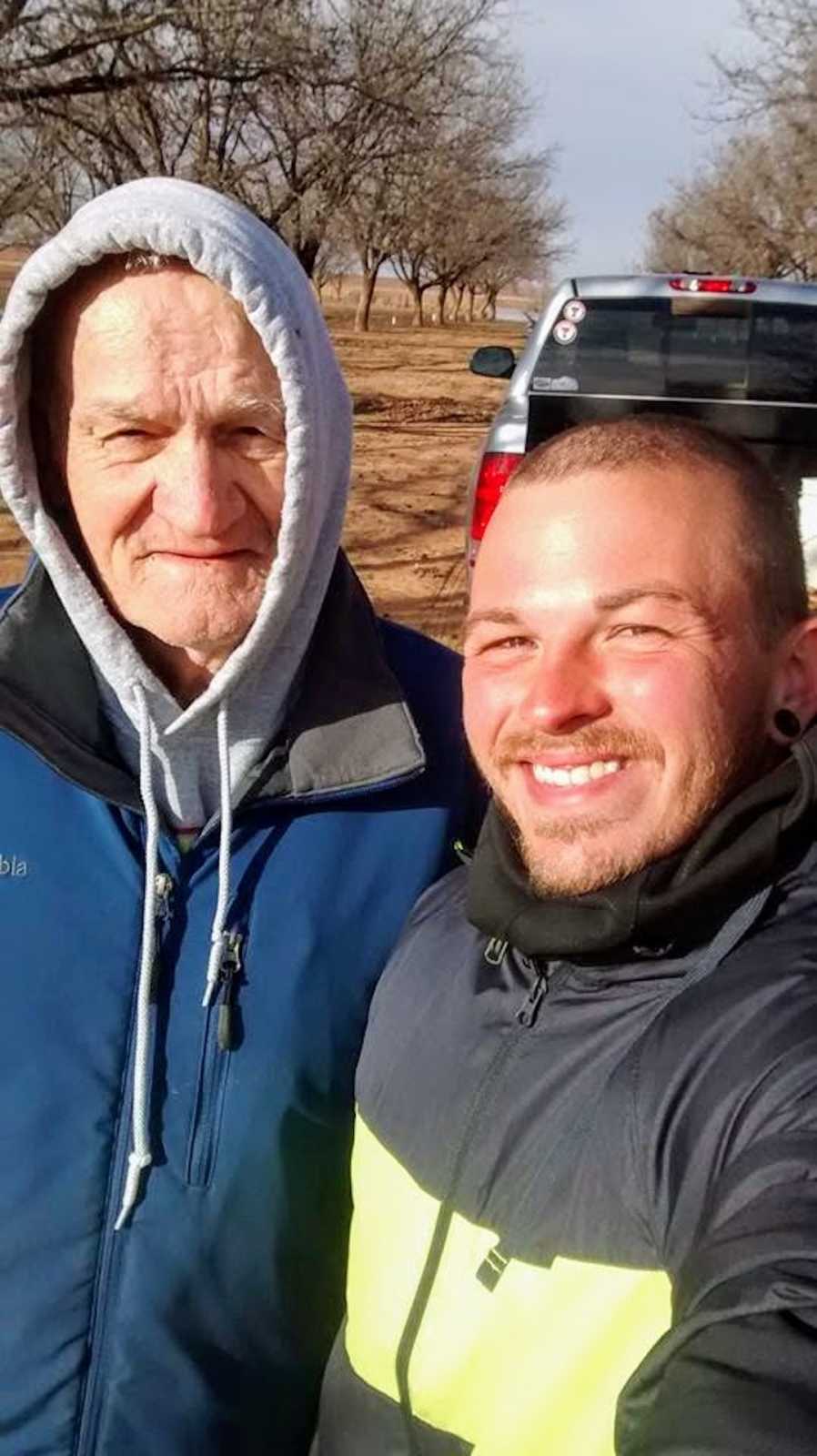
I carried on, walking between towns for book signings. Selling a hundred autographed copies was not enough to support myself, so I traveled to California, walking up the coast and selling directly to readers. By the time I reached San Francisco, I had earned enough to buy a vehicle—but instead chose to buy a small RV for a blind homeless man I had met along the way. After struggling with slow sales, a kind woman offered me a place to stay in Los Angeles until I could afford a reliable SUV, which I eventually did, though it had a faulty transmission.
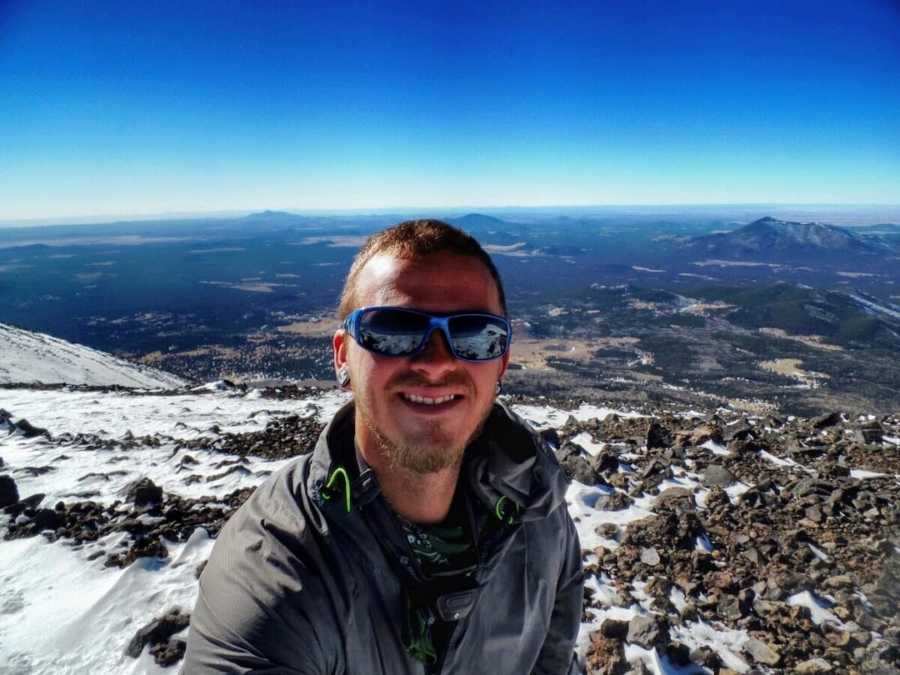
Today, my goal is to sell enough books to fund a proper van, allowing me to travel the country for signings, speeches, and to continue helping those facing homelessness. Along the way, I’ve embraced photography, hunting, fishing, foraging, dumpster diving, and relying on the generosity of strangers. Walking across America alone taught me more than I ever imagined about resilience, self-reliance, and compassion. I have witnessed incredible kindness, survived tornadoes, blizzards, sandstorms, near-fatal wildlife encounters, and even gunfire.
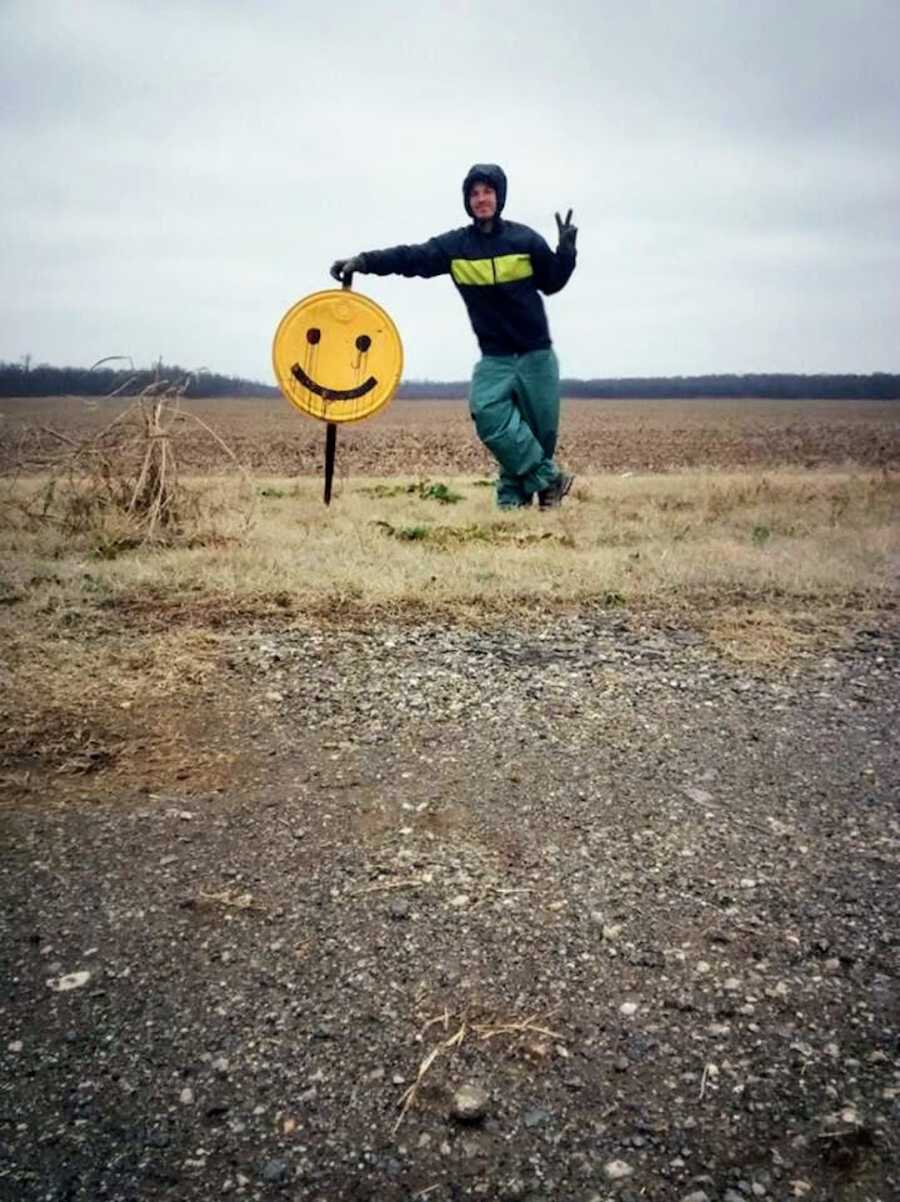
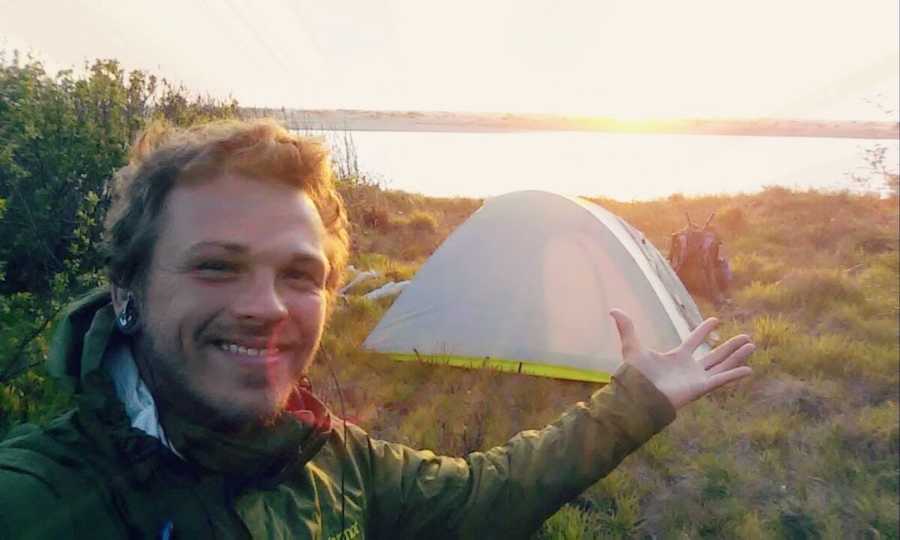
My book, Walking America: A 10,000 Mile Journey of Self-Healing, is available on Amazon, with autographed copies offering access to the audiobook, PDF, and my travel photographs. I also maintain a Patreon for photography, with 10% of proceeds going to The Nature Conservancy. The journey continues, one step at a time, fueled by adventure, creativity, and the unwavering desire to help others.