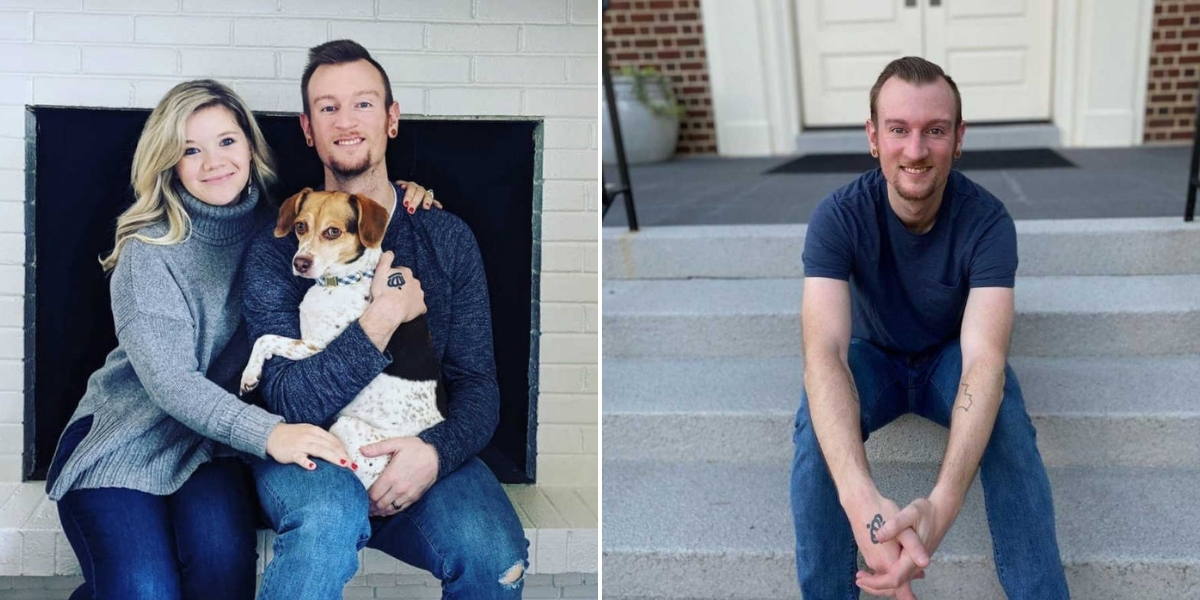
Between 2010 and 2017, my life changed in ways I could never have imagined. I had just graduated college and was living with my parents, saving every penny to marry my high school sweetheart. Life felt full of promise, until one day, I started experiencing bloody diarrhea for a couple of weeks. Concerned, I visited my primary care doctor, who referred me to a gastroenterologist. The diagnosis came quickly: ulcerative colitis.
I left the doctor’s office feeling completely defeated. Chronic illness was a world I had never encountered in my family or friends. I didn’t know how to navigate it, yet life went on. I had studied music business and production, dreaming of owning my own recording studio. But opportunities in the Syracuse, New York area were scarce. I took odd jobs related to music, hoping to inch closer to my dream, though the pay was barely enough to cover my own expenses.
In 2011, seeking stability and the ability to support a future family, I returned to trade school to study computer networking. This seemed like a practical path toward financial security. During this time, I managed my ulcerative colitis relatively well. I experienced three to four flares a year, usually handled with a couple of weeks on prednisone, after which I would return to remission. But there were moments that would forever be seared into my memory.
It wasn’t until I had a few terrifying public accidents—crapping my pants in restaurants—that I truly realized the seriousness of my condition. The embarrassment was intense, but it forced a shift in my mindset. From that point forward, every outing required meticulous planning: “Where’s the nearest bathroom? Where’s the nearest exit?” Going to new places became anxiety-inducing, and I lived in constant anticipation of an “emergency escape.”
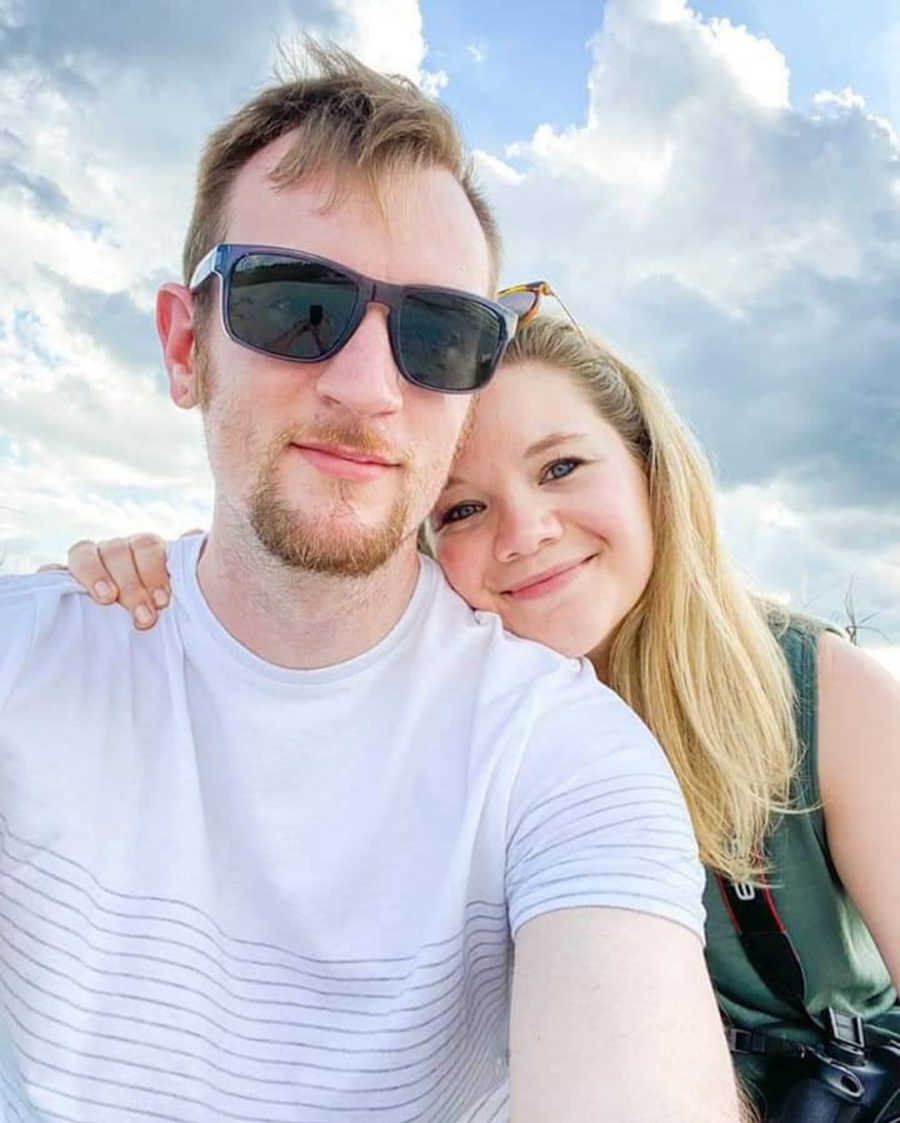
Life continued, though. My fiancée and I married in 2013, and I graduated trade school, beginning a career as a programmer. We moved about an hour and a half away to Rochester, New York, where we found a supportive community of friends who understood my illness. For a while, life was easier. We were active, engaged, and enjoying the early years of our marriage.
A year and a half later, seeking new opportunities, we moved to Charlotte, North Carolina. But this move marked the beginning of one of the most challenging periods in my health. I started seeing a new gastroenterologist who wanted me off prednisone due to its long-term side effects. The intention was good, but the outcome was devastating. In 2014, this new treatment triggered a relentless, three-year flare. Nothing worked—diets, prescriptions, multiple doctors. I was trapped in an emotional rollercoaster, feeling helpless as I tried to provide for my family.
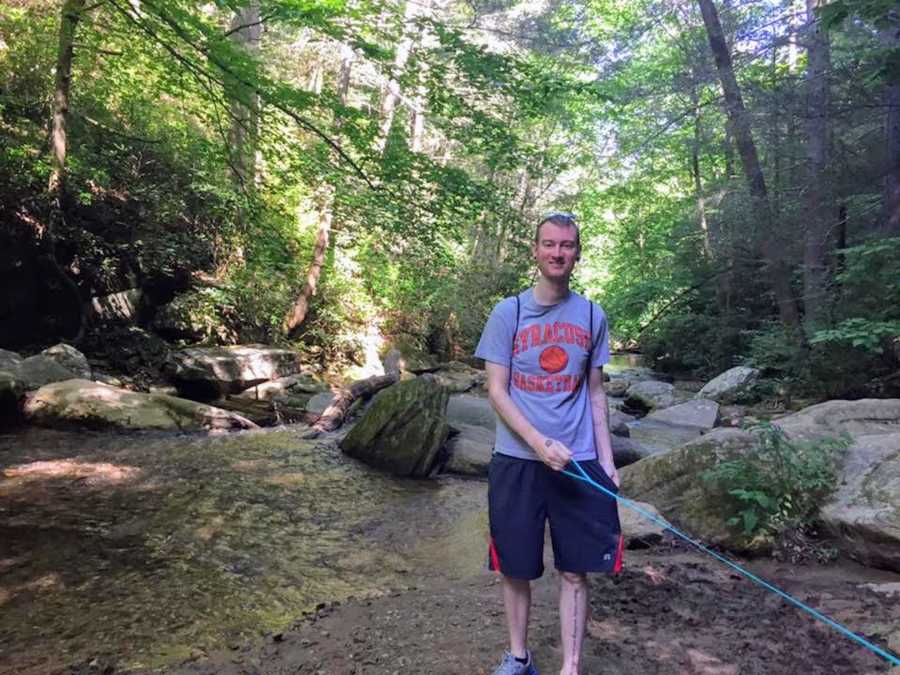
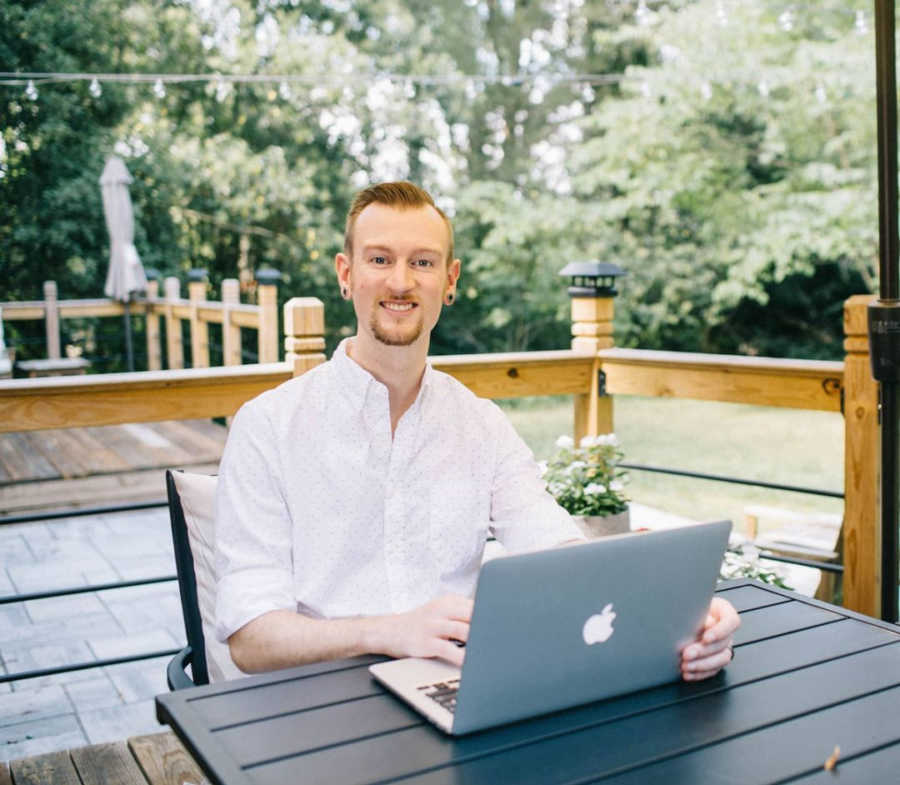
During this period, I honed my skills as a web developer, which allowed me to work remotely. While I could support my family financially, I was still largely incapacitated. Simple household tasks—making dinner, taking out the dog, cleaning—were impossible due to extreme fatigue and constant bathroom trips. Eventually, I discovered I also had C. diff on top of colitis, compounding the pain and restrictions in my life. Prednisone became a rollercoaster of dosage adjustments, from 10 milligrams up to 60 or 70, leaving me with a puffy face and feeling trapped in my own body.
In May 2017, I secured a fully remote position as Chief Technology Officer at an agency. This role provided financial stability and flexibility to accommodate my health needs, for which I remain eternally grateful. Around that time, I began seriously exploring surgical options. My illness was confined to my colon, and a colectomy—removal of the colon—offered a path to reclaiming my life.
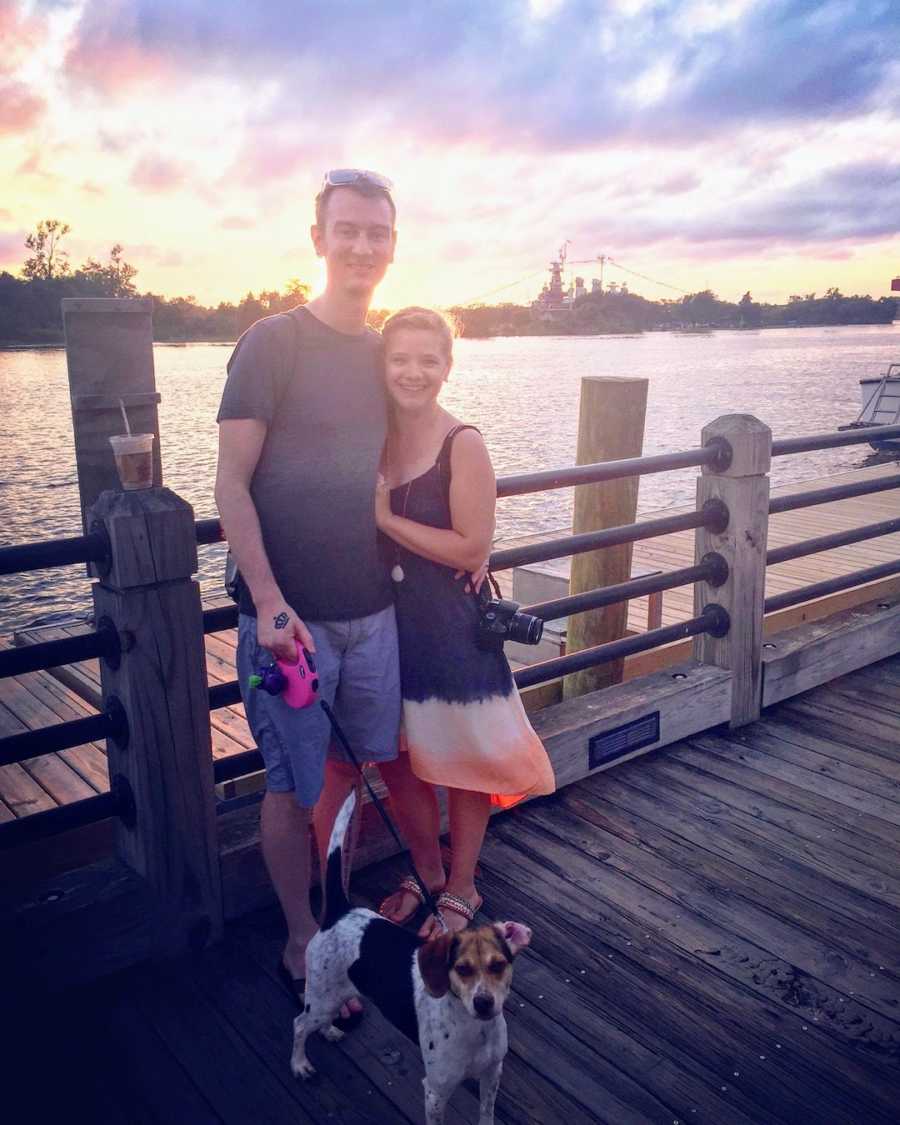
The surgery was a two-step process. The first removed my colon and rerouted my small intestine to a temporary stoma. Initial recovery seemed promising, but complications quickly arose. At home, I experienced excruciating pain and returned to the ER, eventually landing in the ICU with my organs unable to process food due to another C. diff infection. For a week, tubes drained my system while I battled flu-like symptoms, hallucinations, and the terrifying reality of near-total organ shutdown.
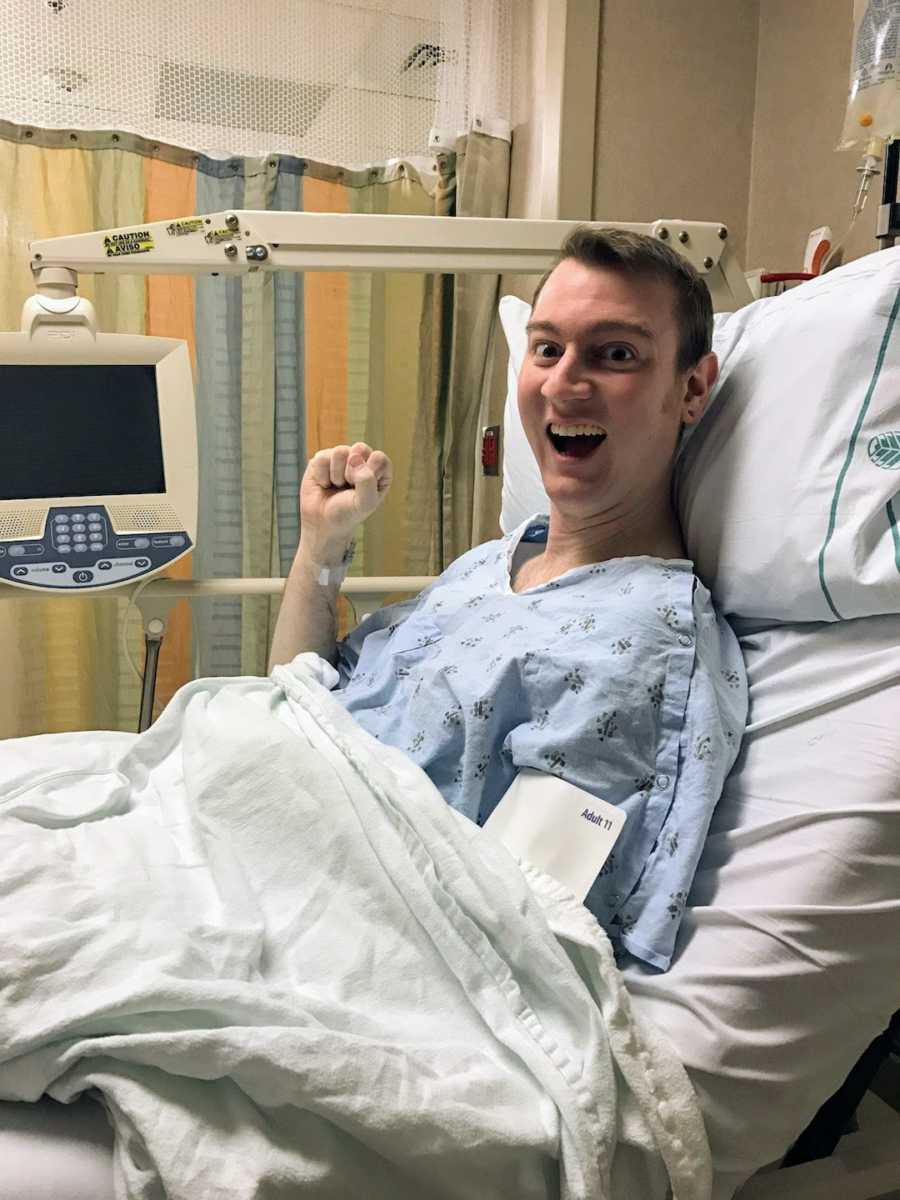
After three weeks of recovery in a private hospital room, supported by family, friends, and coworkers, I finally began to regain hope. I kept the ostomy bag for eight months, longer than typical, as I needed time to process what I had endured. By September 2017, I mustered the courage for the second surgery: the creation of a J-pouch and reconnection to my rectum. The procedure went smoothly, but complications arose again with severe bleeding from an ulcer at the pouch connection. I blacked out in the hospital, injuring my face and cracking my front tooth. After a colonoscopy, the bleeding was fixed in 15 minutes, though I wouldn’t receive a permanent tooth implant until 2020.
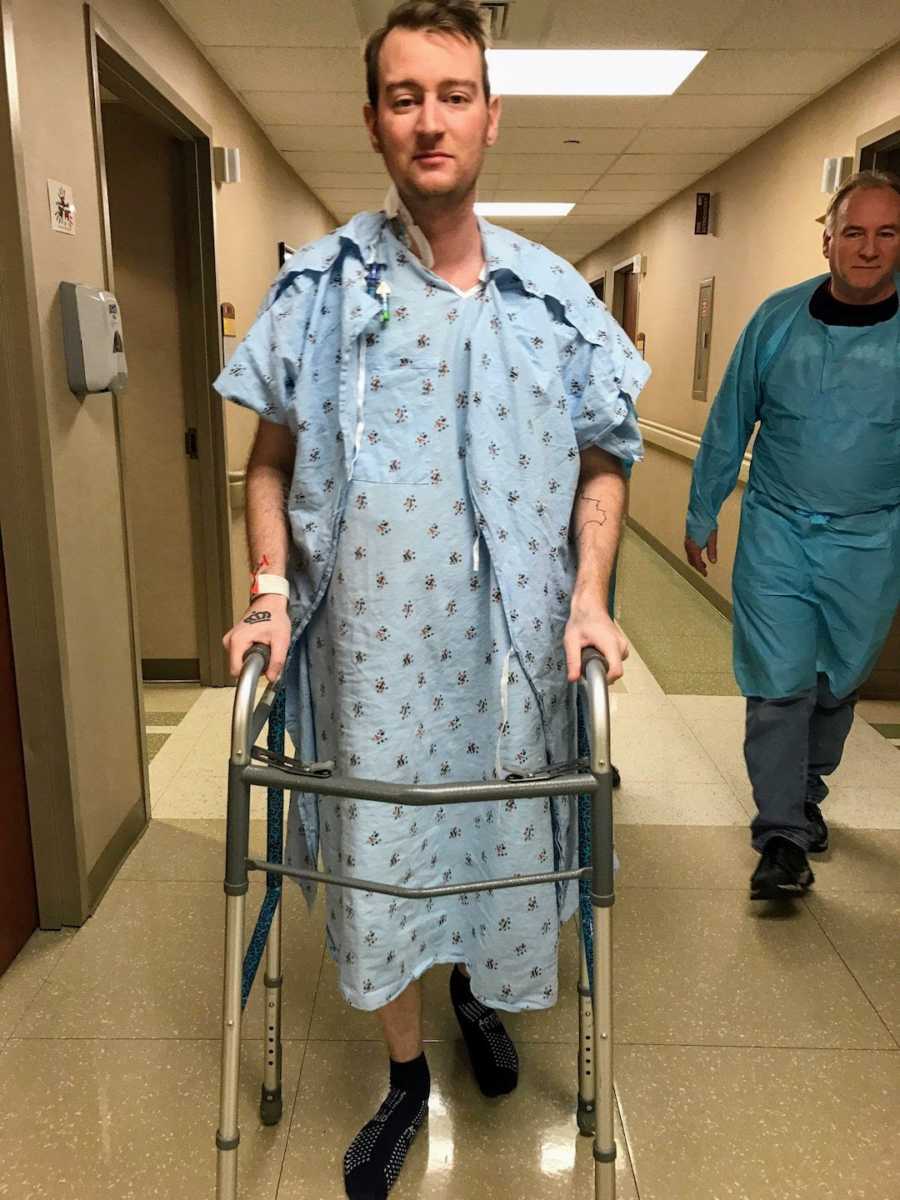
Finally, after seven long years, I could declare that I was no longer sick. It has now been three years since my last hospital visit, and I’ve been reclaiming the time lost to illness. Two lessons I carry with me are invaluable: separate your thoughts from your circumstances, and focus on the principles of entrepreneurship and personal growth.
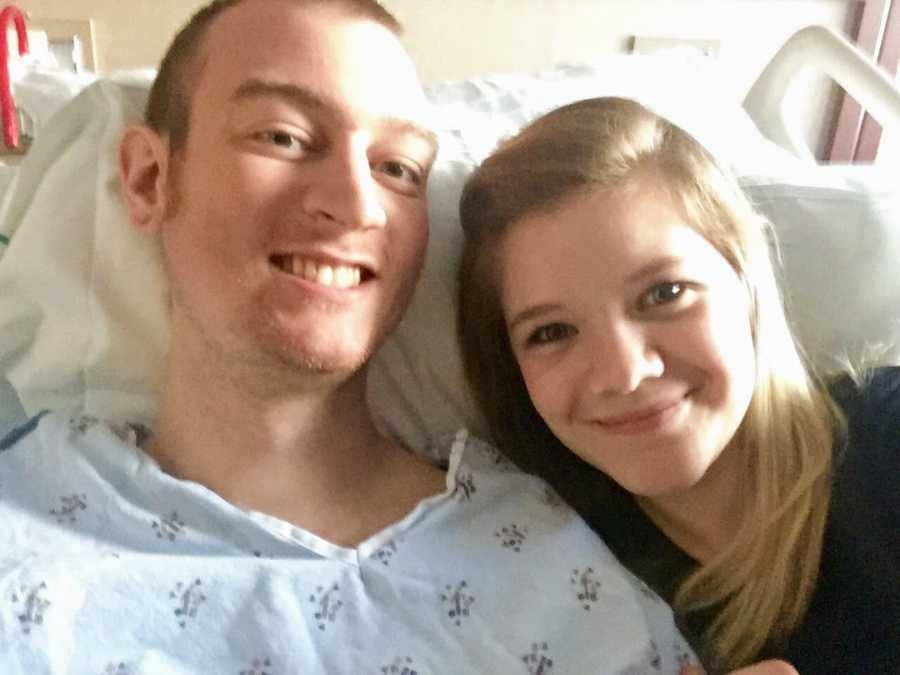
During the time with my ostomy bag, my wife and I traveled, explored Arizona’s Grand Canyon and Sedona, and found moments of joy despite the limitations. By the end of 2017, I began writing my journey as a book, hoping to provide hope and clarity to others facing similar struggles. By 2020, I turned my focus toward serving the autoimmune community, helping people build online businesses to gain financial freedom and control over their lives.
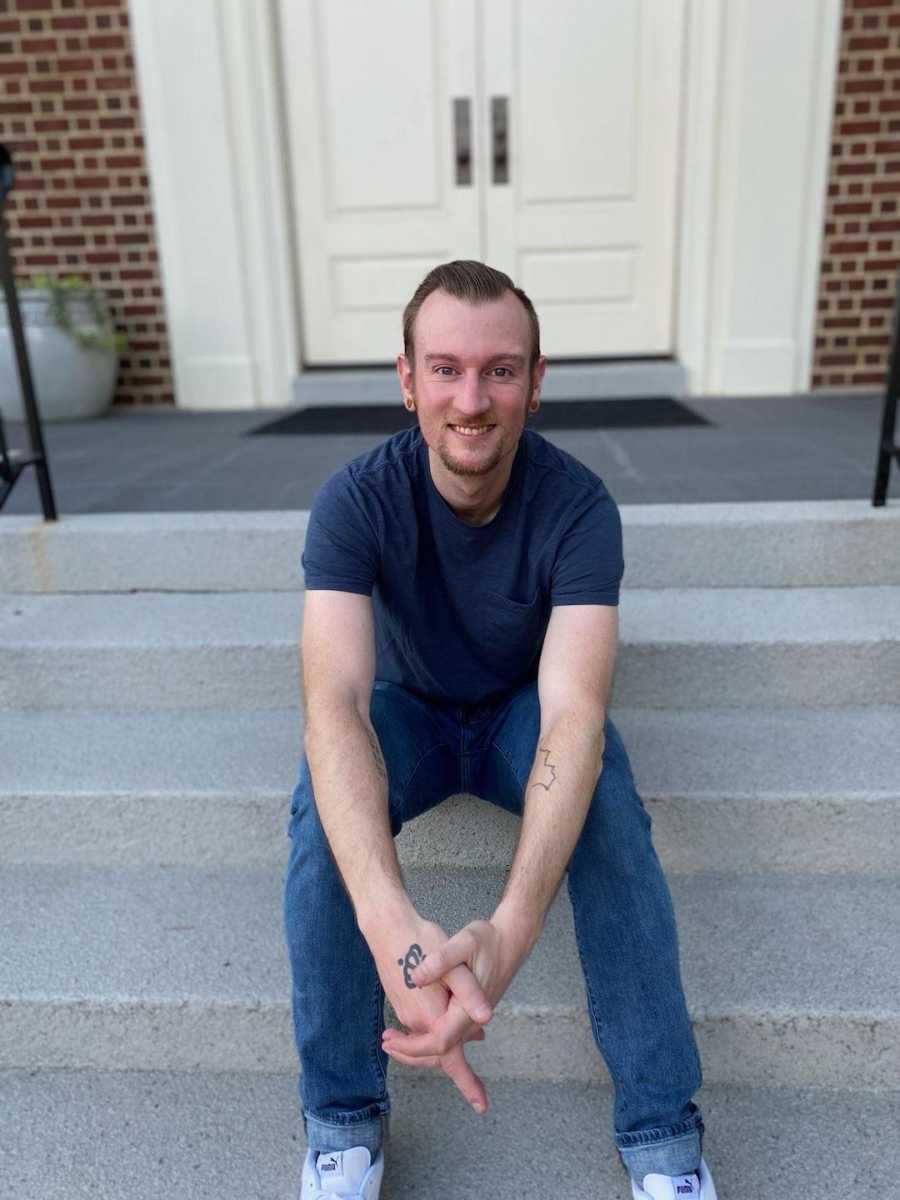
If there’s one thing I want to share with anyone dealing with chronic illness, it’s this: take care of your mind. You may not control your body or circumstances, but you can control your thoughts and reactions. Choose joy. Choose love.