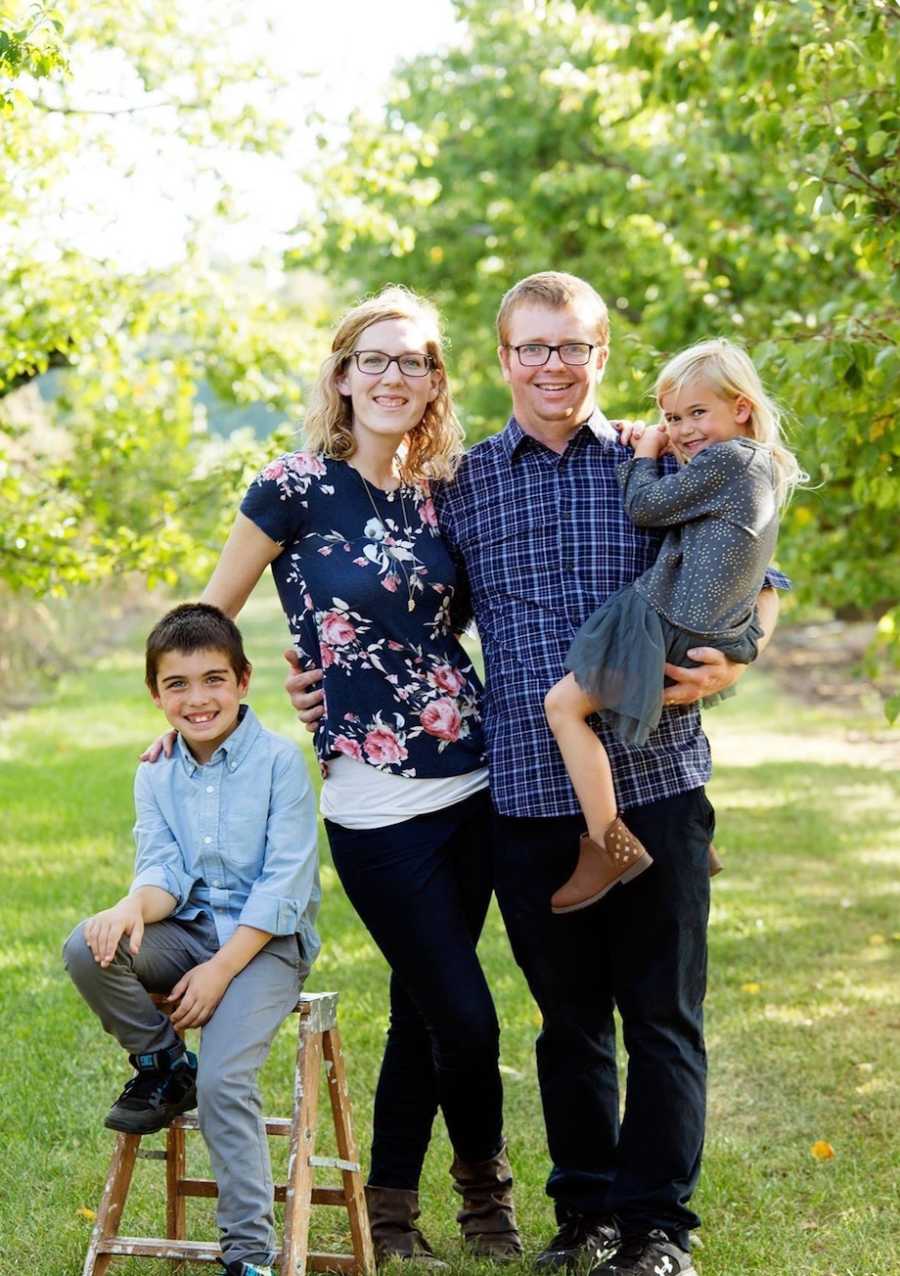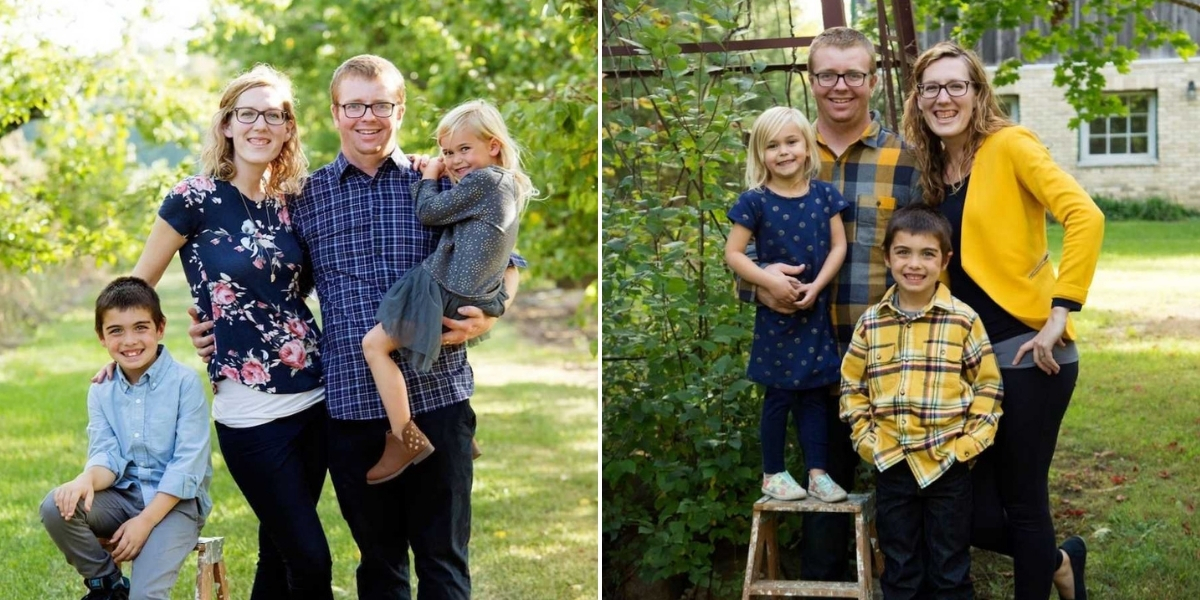
I always knew I wanted to adopt. What I didn’t know was how deeply alone it could feel to be an adoptive mama, or how incredibly hard it would be to parent children carrying such profound early loss.
Ethan and Arianna came into our lives when they were just 4 and 1. Their arrival marked the start of a journey I could never have fully prepared for.
The path to adoption was long, frustrating, and overwhelming. We had to complete the licensing and home study process a second time because Children’s Aid wouldn’t accept our private agency’s work. Months and months passed on adoption probation, waiting for two agencies to coordinate, compile, and submit the paperwork.
But nothing compared to the challenge that came after the adoption was finalized—after the workers left, after the checklists and inspections were done. No one had truly prepared us for parenting children who had come from hard places, children who had experienced loss in ways most of us can’t imagine.
When Ethan joined our family at age 4, he already carried a heavy history. The system had failed him multiple times. He entered care at a year and a half, moved through two foster homes, returned briefly to his biological mother—who then moved away—was re-apprehended when Arianna was born, lived in another foster home, and eventually arrived at our house.
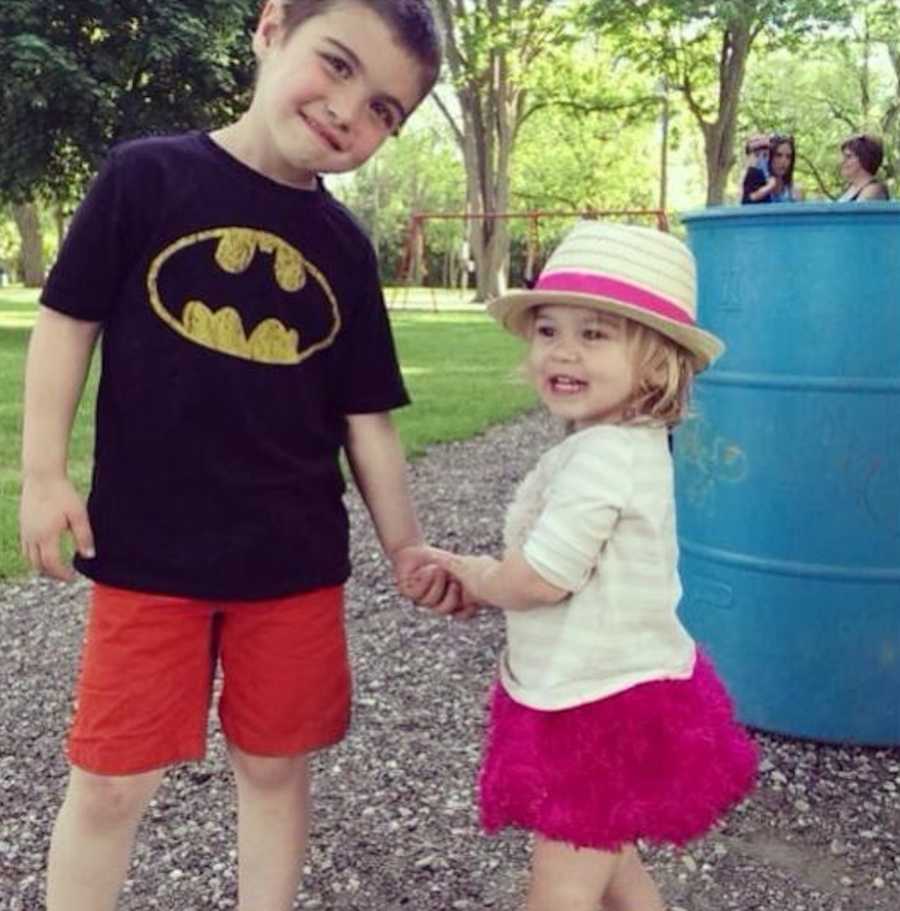
He had missed out on the crucial attachment that typically forms in those early years. His default response to stress was often a tantrum, a storm of emotions he didn’t yet have the words to express.
By the time he was 7, our family had to move to a new home. For most kids, a move is stressful but manageable. For Ethan, it was a trigger. Despite being adopted, he was so accustomed to transitions that the concept of a “forever home” was foreign to him. I remember driving past the courthouse where his adoption had been finalized, pointing it out, and him saying, “Oh, cool! When will I go back there to be adopted by another family?” The permanence we were promising him was hard for him to believe.
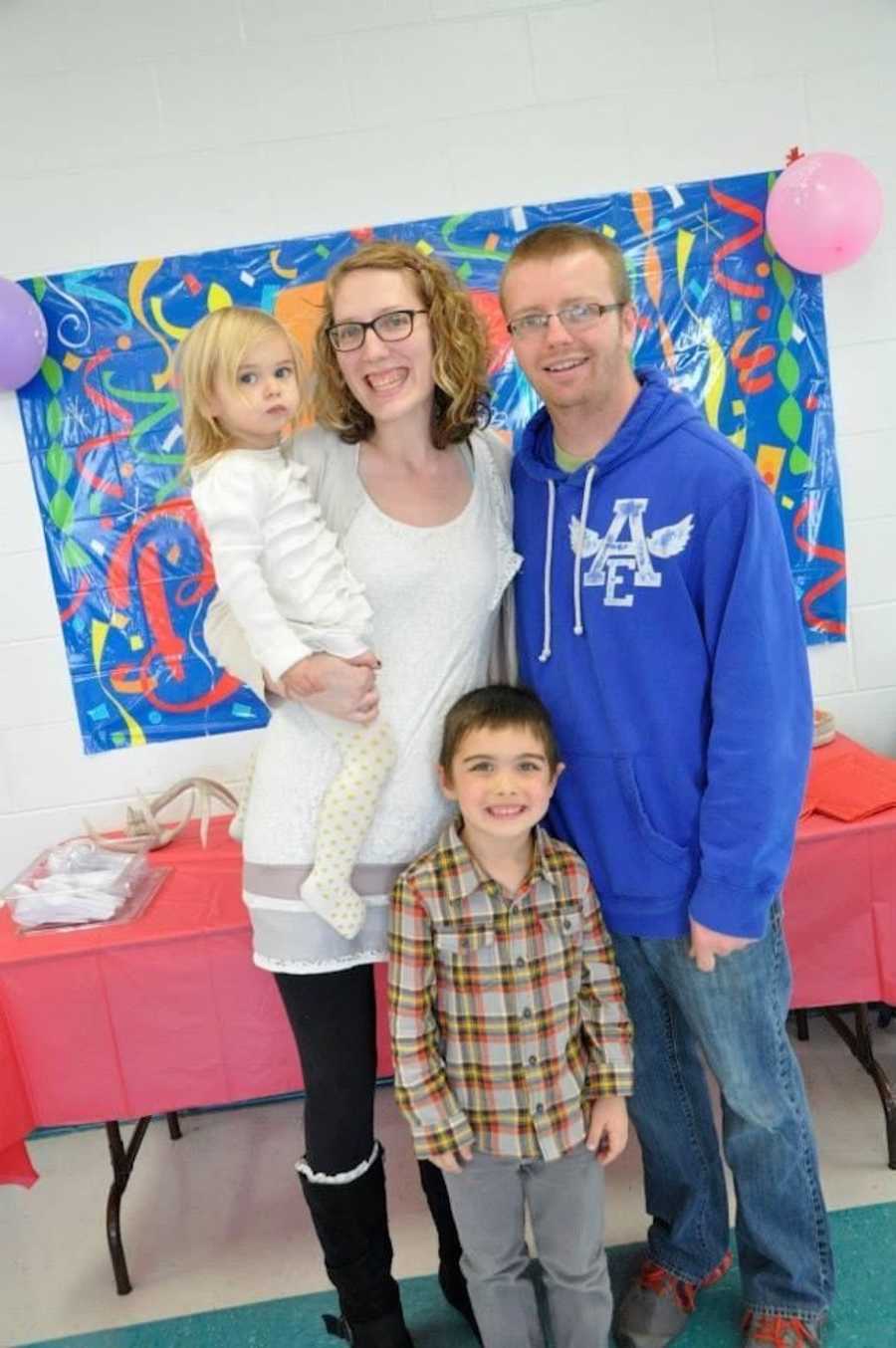
As we packed boxes and settled in, his rages escalated—yelling, screaming, even aggression. He couldn’t understand or regulate what he was feeling. He didn’t feel safe. And neither did we. We were drowning in a sea of uncertainty, desperate for guidance, wishing for someone to teach us how to help him through these storms.
We reached out to agency after agency, counselor after counselor. We had heard of Circle of Security, a program grounded in attachment and attunement, something we knew Ethan desperately needed. But the agency only worked with children over 8. They referred us elsewhere. The next agency said they could only help children who had exhausted other services. It felt like a maze with no exit.
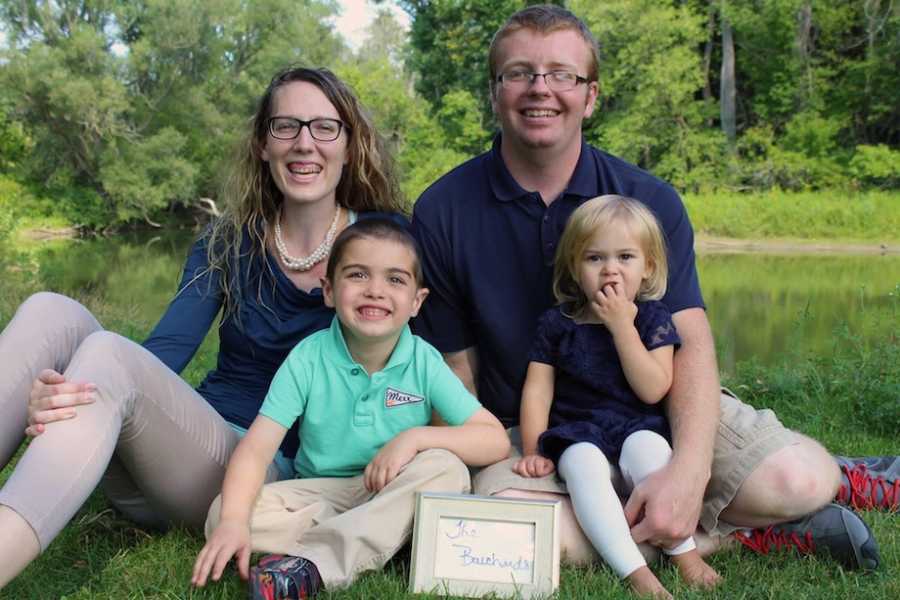
After two agonizing months, we finally had an intake appointment. The counselor asked countless questions—questions I couldn’t always answer. “What was his birth weight?” “Gestational age?” “Did his birth mother drink during pregnancy?” When I answered yes, she immediately said this explained much of his struggles, that he likely had Fetal Alcohol Syndrome, and that she would assign a counselor to begin therapy. The waiting period to start services was another eight months.
I remember the exhaustion—the despair. You love your child, your forever child, with every fiber of your being. And yet every door seemed closed. Every lead a dead end. You want to heal them, guide them, comfort them, but you feel powerless. I felt so alone, as if the waves were crashing over me and I couldn’t find the surface.
So many people had told me, “Oh, she was so little when she was taken from her mom; it won’t have an impact.” Or, “He was only three—it won’t matter.” But it does. Every. Adoption. Starts. With. Loss.
Every child in foster care comes from loss. Our child welfare system is failing kids and families because it doesn’t equip parents to understand this grief. What looked like anger in Ethan was actually sadness. He didn’t know how to identify his feelings, much less express them. He didn’t feel safe in our home, because moving had been his norm for so long. We had to reassure him again and again that he was safe, that he was staying, that we were there for him. We had to invite him into our calm instead of joining his rage.
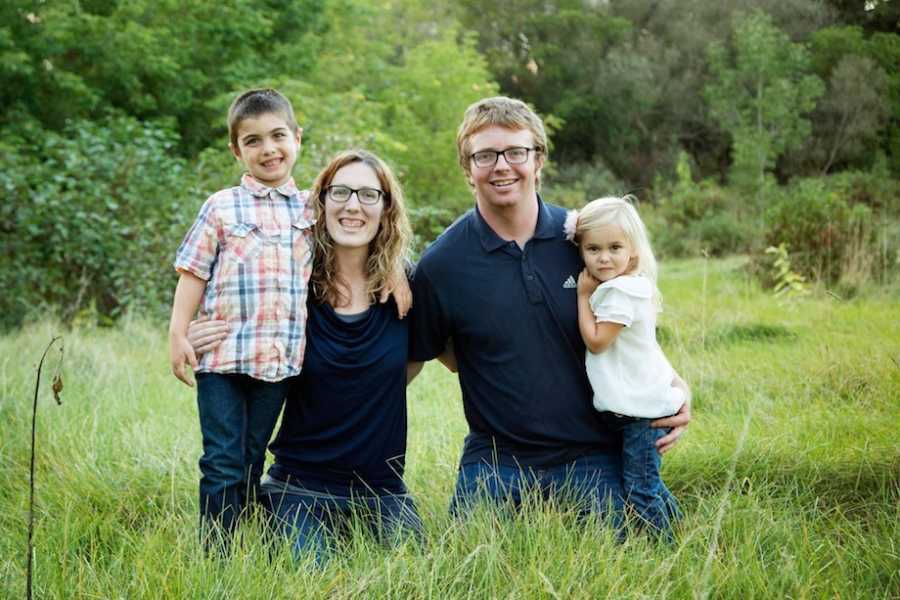
We had to parent through the lens of his loss. We had to acknowledge the trauma of his early years, to make space for grieving, and to accept that healing is a process, not a checklist. We didn’t expect him to just “get over it.” We gave him time, patience, and love, every single day.
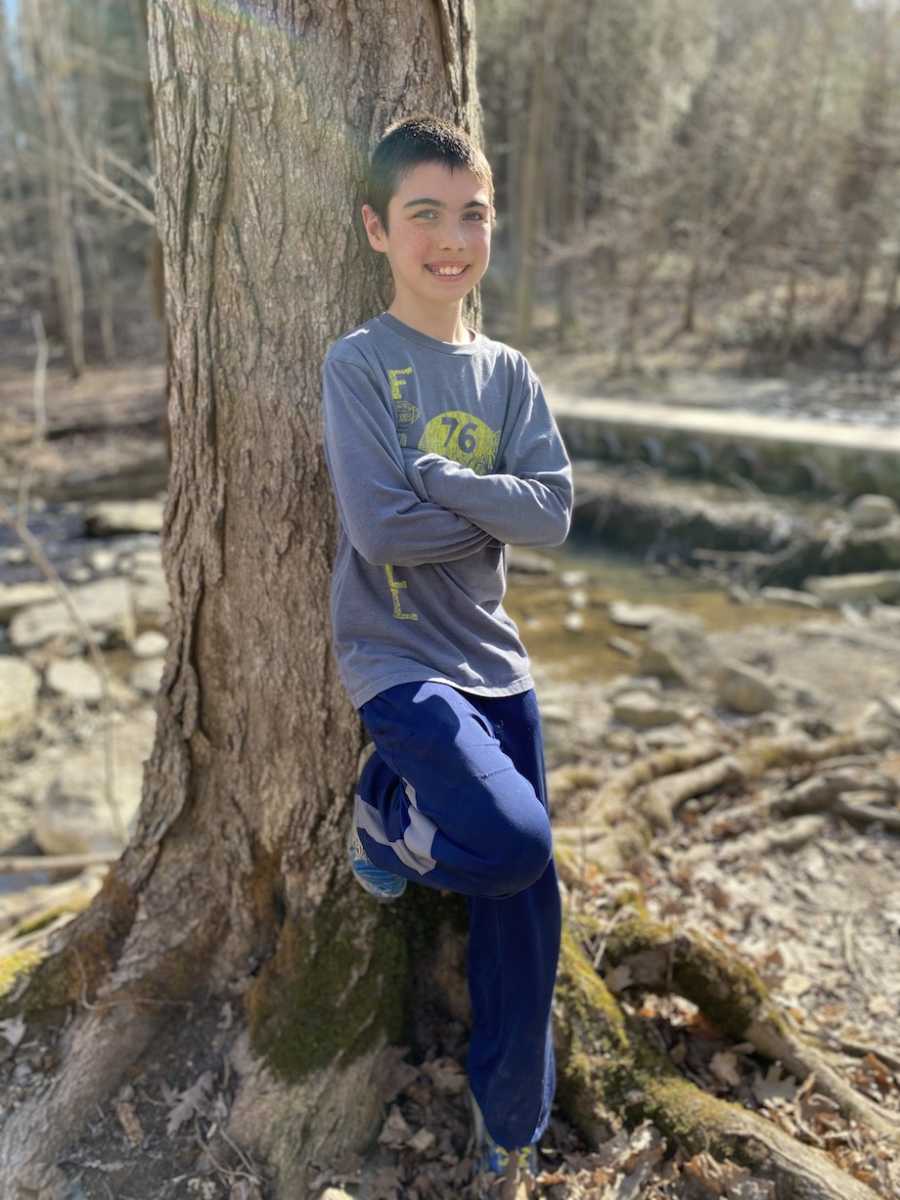
Today, Ethan is an extraordinary 12-year-old. He has overcome challenges no child should face. He is a living testament to resilience, and I could not be prouder to be his mom.
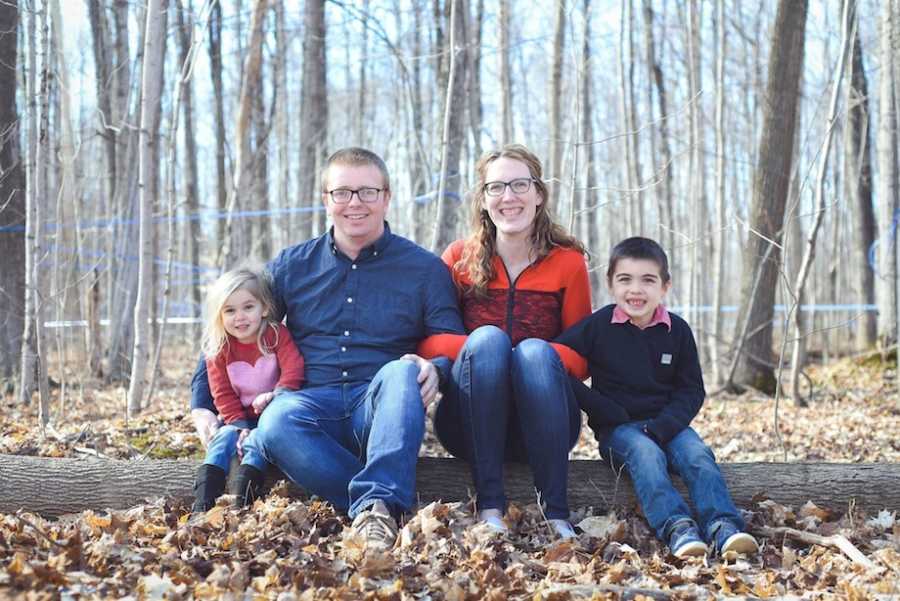
But those messy middle years—those years of rages, of hopelessness, of isolation—tested everything I knew about adoption, child welfare, and love. They reshaped me as a parent. During those years, a social worker came alongside me, answered my endless questions, and cheered me on when I wanted to give up. She changed my life and Ethan’s life forever. Now, I’m determined to be that person for other foster and adoptive parents—to offer hope, encouragement, and guidance. Because the other side of those messy years? It’s breathtaking. It’s beautiful. Watching Ethan grow into the incredible young man he’s becoming makes every hard day, every tear, every battle worth it.
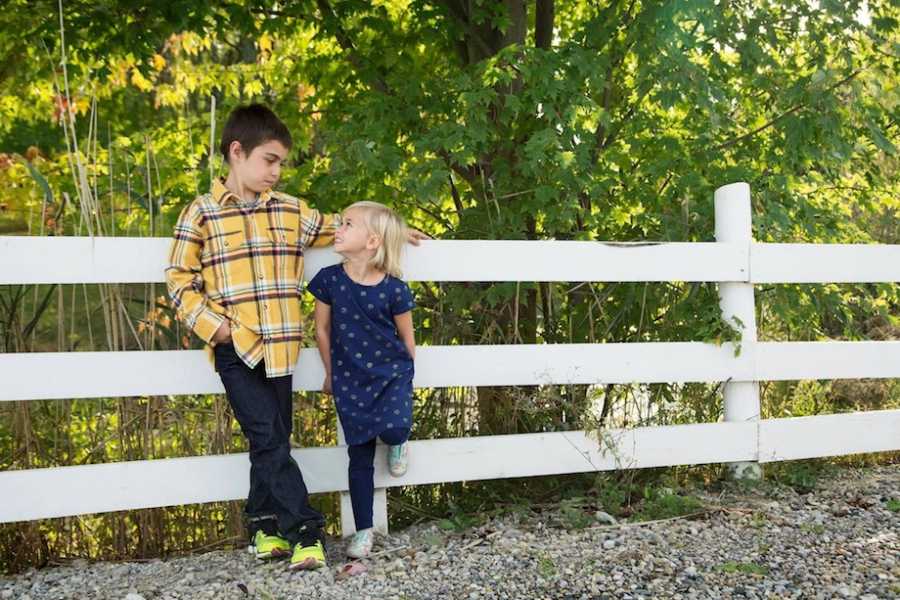
To all foster and adoptive parents: the work you do matters. Every tear, every sleepless night, every ounce of energy you give—it matters. You might feel alone. You might feel overwhelmed. Seek support. Learn about loss and early trauma. Take breaks when you can. Then get back in the ring and keep fighting—for your child, for your family. You’ve got this.