What is your very first memory as a child? The one that you can almost step into, feeling the colors, hearing the sounds, smelling the scents over and over again? For me, it was when I was eight years old. I sat in an OBGYN waiting room for what must have been two hours. I didn’t have a watch, but I had a book in my hands, and I remember thinking that if it went on much longer, I might actually finish my Babysitters Club Super Special. I had been to many appointments with my mom before, but this one felt different—it felt endless.
I watched the door open and close, ladies coming and going, yet none of them were her. Eventually, my dad came to get me, and we walked across the street to the hospital. That day, my mom was about to undergo an emergency complete hysterectomy. I finished that book in the waiting room, just as I had started it, unaware that this was the day my mother’s spirit began slipping away from us.
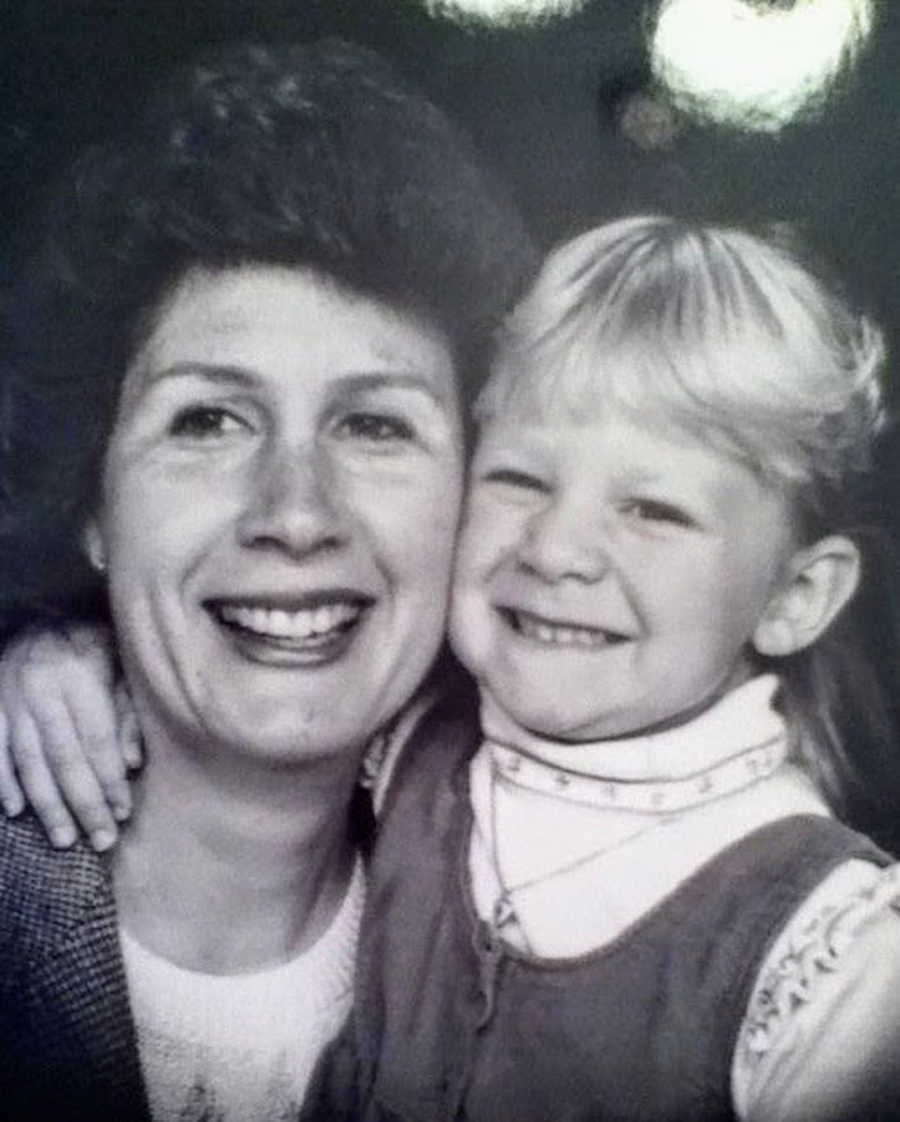
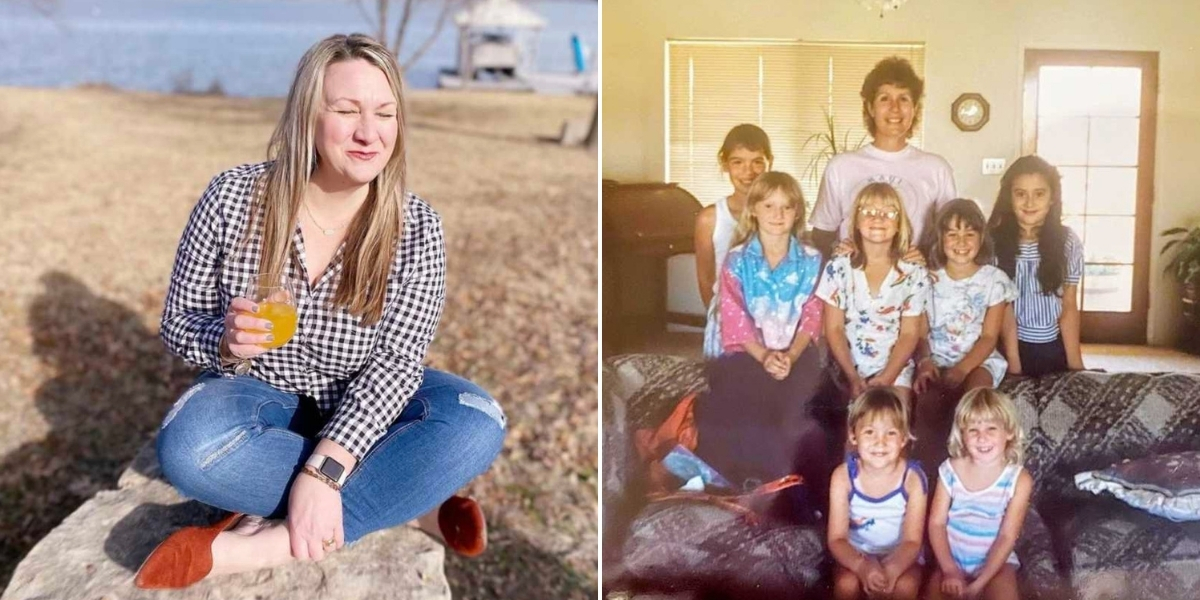
My mother was someone who radiated joy in every moment. She loved music and would dance around the house while doing chores, the radio blasting The Eagles or Elvis. Every summer, she ran a home economics-style camp for my sister, me, and our friends, teaching us to sew, bake, and cook. She never missed a chance to plan gatherings, always choosing sunny spots with water, laughter, and family. My sister often says it best: after her procedure, it was as if the music in her life had faded, and the dance had stopped.
The change didn’t happen overnight. It unfolded over months and years, eventually leading to a diagnosis of bipolar disorder with schizophrenic tendencies. Though her body could no longer produce hormones naturally, she refused synthetic hormone replacement therapy, fearing the breast cancer risks heavily reported in the late eighties.
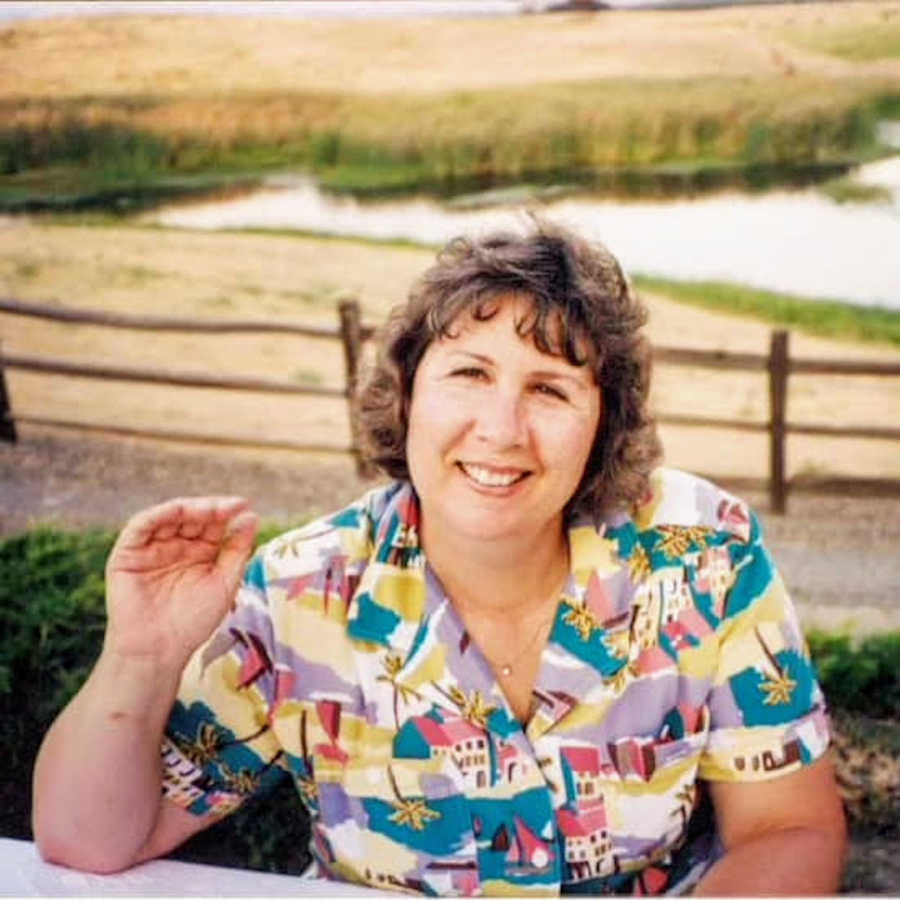
No one can ever know for sure, but her doctors offered some possibilities. Maybe her genetics had always included mental health vulnerabilities, and the sudden, traumatic removal of her womanhood triggered them. Or perhaps her brain had gone into overdrive, desperately trying to produce estrogen, resulting in a chemical imbalance that clouded her mind and dimmed her spirit. I often pictured it like a brush fire: trying to fight a fire with a broken hose, the water failing to reach its destination, flooding the garden instead. That’s how I imagined her brain battling the hormonal imbalance, unknowingly hurting the very essence of her beautiful self.
Her struggles became apparent early. Just before I turned nine, she ran away for the first time. Something on the radio caught her attention, or perhaps a gesture from another driver—it doesn’t matter now—but she drove straight to the airport and flew across the country. My dad searched for her for days, and in her mind, she was simply on vacation. She promised she would return for my birthday. When the day arrived, I ran excitedly to see her, only to be greeted by a package: a handmade canvas bunny with a note saying, “Sorry I couldn’t make it home in time, Happy Birthday!”
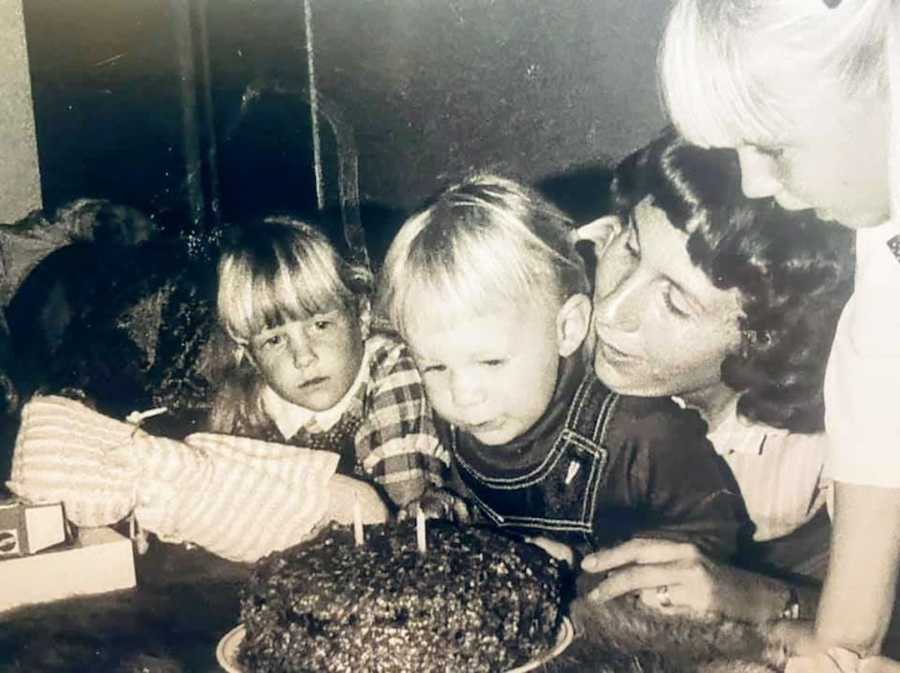
This was the first of many disappointments that became routine in our lives. She ran away once more, leaving my dad to navigate raising two daughters alone while maintaining his work. Her absences disrupted finances, plans, and stability. Yet, each time she returned, glimpses of the mother we knew shone through. With medication, therapy, and community involvement, she found moments of clarity. She engaged with a local church, and I was baptized alongside her. Those moments felt like she was returning, if only briefly.
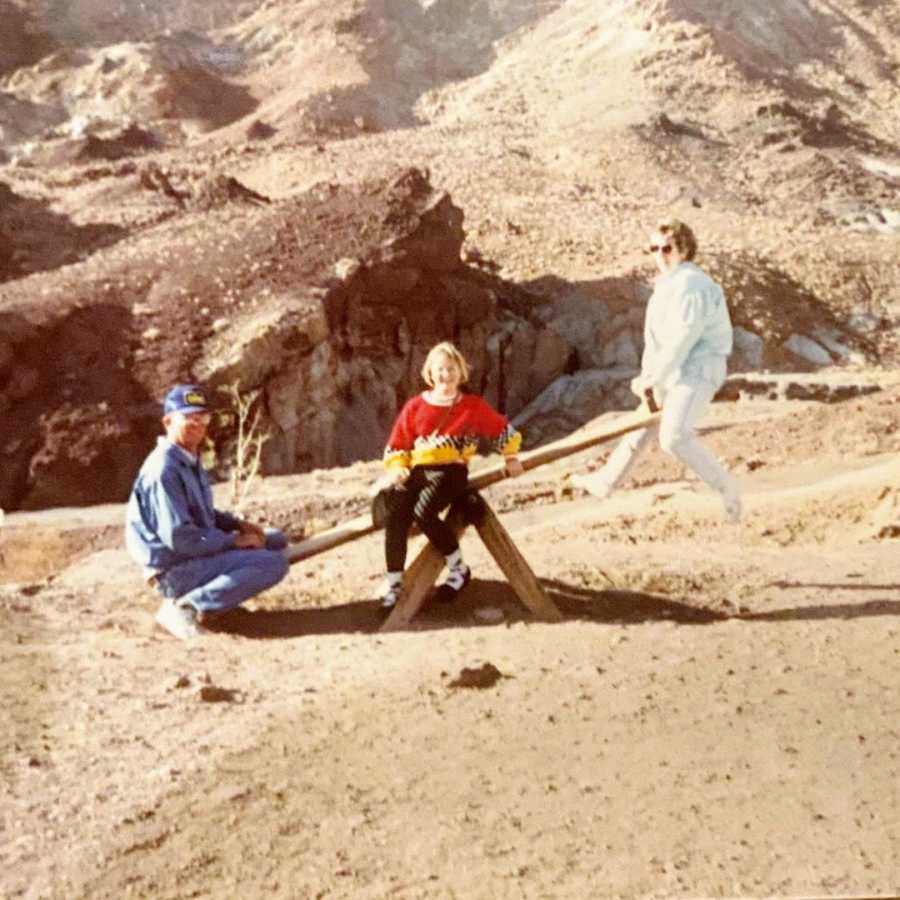
But when I was twelve, a sudden shift occurred. One summer afternoon, mom and I were home alone. I was practicing lines for a service organization with references to the Bible. My practice upset her. She yelled, insisting I do my chores and accusing me of being a government spy, saying God was invented to control people. I called my dad, who came home to calm her. As he returned to work, I quietly watched TV, trying to process the tension. Then I heard a shot.
I froze outside their bedroom door, hand on the knob. Slowly, I opened it and found her outside on the back patio, holding a shotgun. Somehow, I stayed calm, spoke her down, and convinced her to lie down. With cell phones still rare, I contacted neighbors and a childhood friend of my mom’s until my dad arrived. He took her to a mental hospital, and I spent the rest of the day in the safety of friends’ homes.
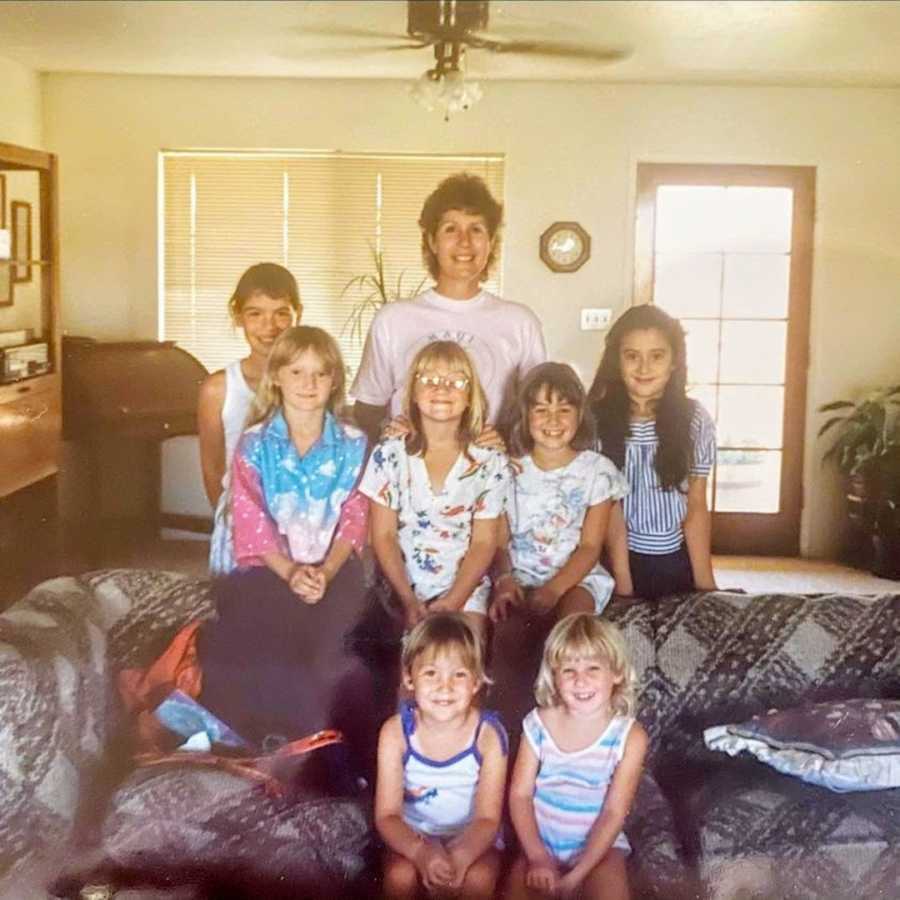
This cycle of highs and lows continued for years. There were other hospitalizations, interventions by family, and near-misses we prevented together. Gradually, doctors found a medication regimen that helped her regain some stability. She returned to work as a substitute and later as a school secretary. Life found a rhythm, and though she wasn’t fully herself, the extreme episodes became rarer. Mental illness was still stigmatized, so I rarely spoke of my mom’s struggles outside our family. I sought a sense of normalcy, spending summers at friends’ homes to feel like a typical child.
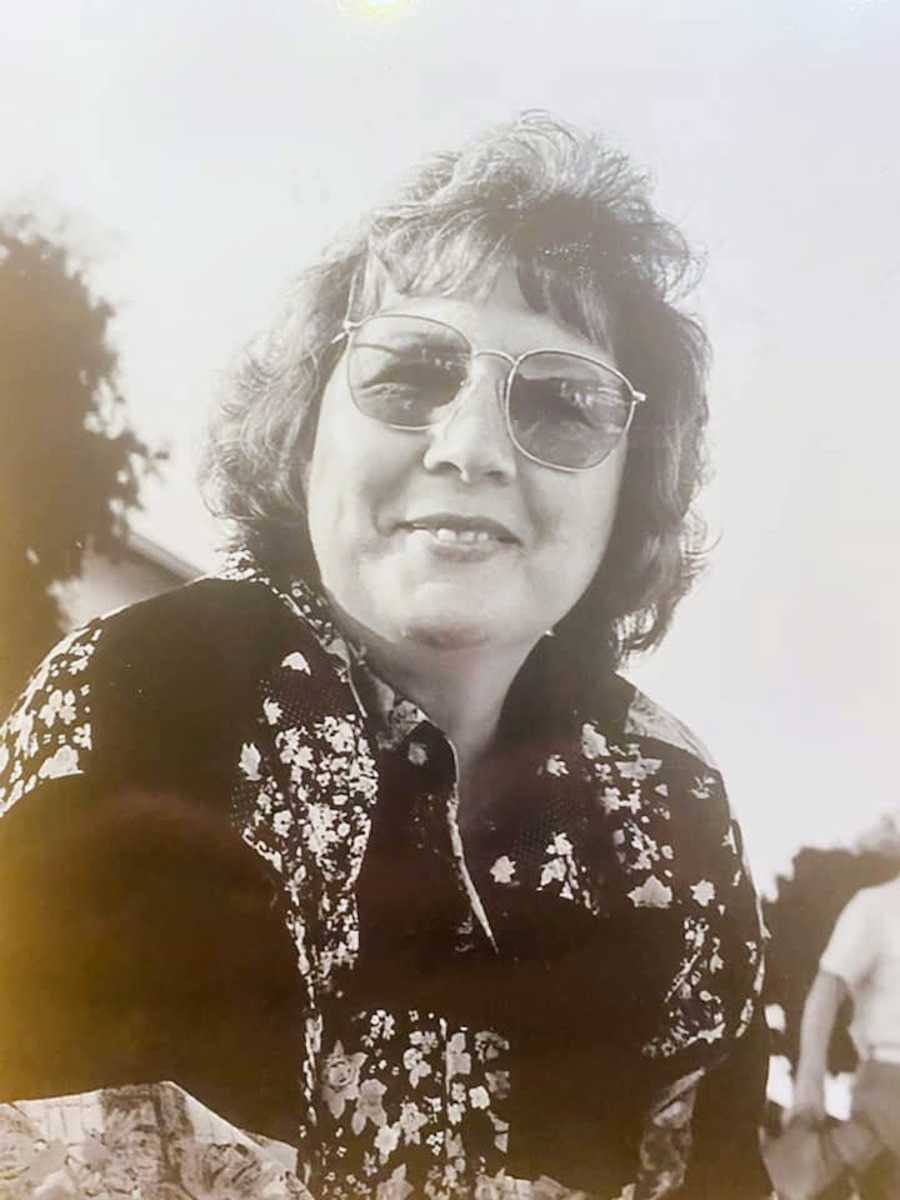
Then, during my junior year of college, everything changed. My aunt drove two hours to tell me my mom had taken her own life. I remember screaming, collapsing onto my bed, the room spinning. Years of fear and guilt engulfed me—if only I had returned her call the night before. The world seemed to react with judgment instead of compassion. Friends and family whispered about her “selfishness,” perpetuating shame instead of offering support. I became hyper-independent, wary of vulnerability, afraid to let anyone close.
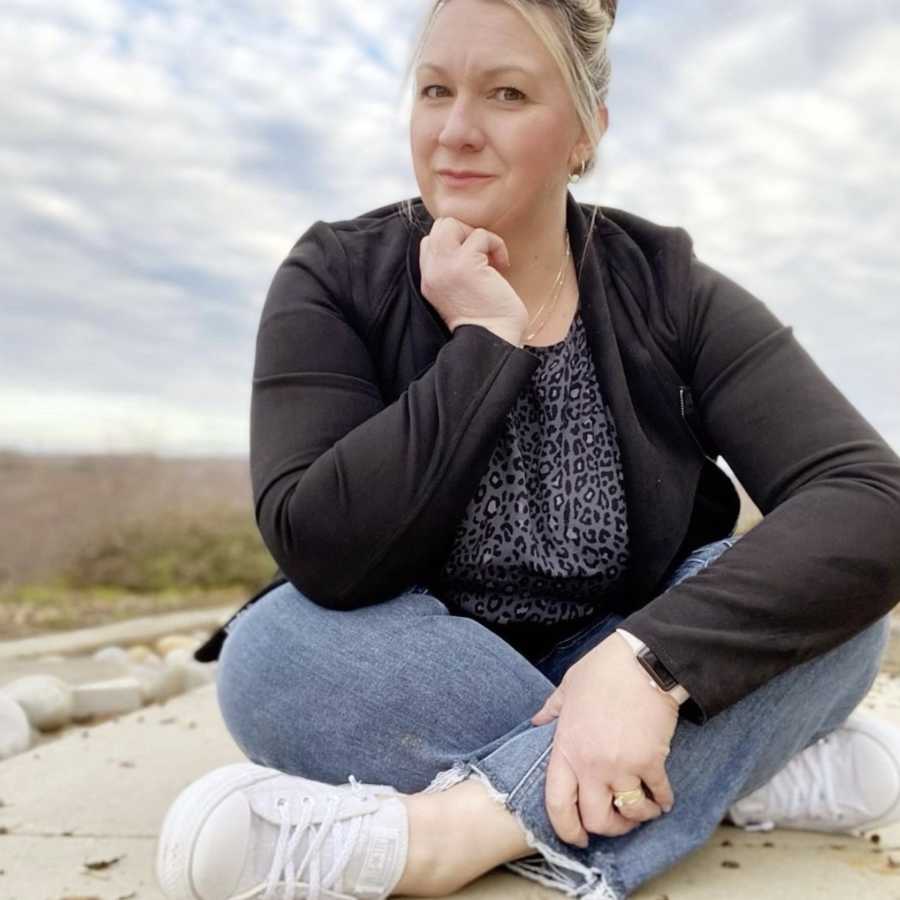
The twentieth anniversary of her passing was this past February. My sister and I chose to share our grief publicly for the first time. For ten days, each of us shared stories on Facebook under the hashtag #GiftsFromMom, honoring her life and raising awareness of mental illness and its ripple effects.
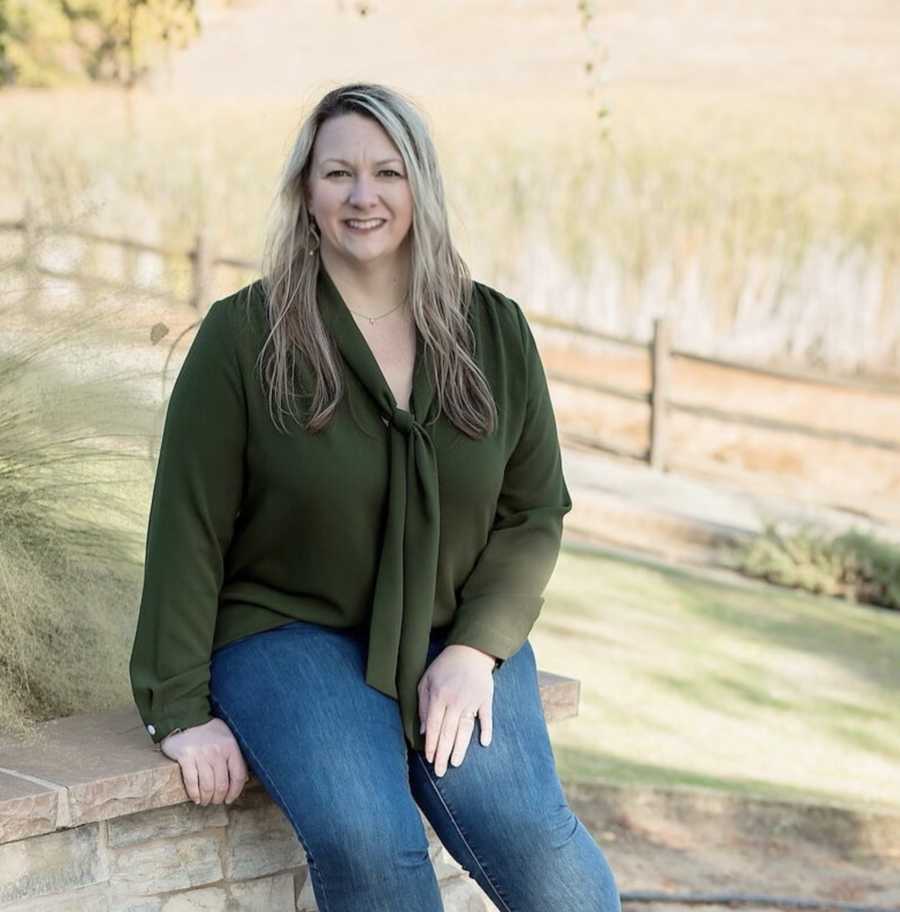
In the bright moments, our mom gave us music, water, and baking—the joys that linger. In the darkness, we learned to treasure memories, focusing on the good rather than dwelling on the painful lows. The greatest gift she left me is a servant’s heart: through her love, through my desire to bring light in her absence, it shaped my path as an educator and mental health advocate. Her life, and her struggles, guide me to stand with those fighting, hoping, and praying for a better day, reminding them—and myself—that even in sorrow, there is purpose, love, and light.