Looking back on my childhood, I realize I never knew a breastfeeding mother—let alone one who donated milk. Not my own mom, not my aunties, and not any friends’ mothers. I do, however, vaguely remember overhearing snippets of adult conversations around the kitchen table. My mom would say things like, “I breastfed Abigael for a couple of months, but I just didn’t have the breasts for it, so I went straight to formula with the other three.”
Now, as a mother myself, I understand the truth behind those words. My mom, who was actually a teen mom, simply didn’t have the support she needed. She was told that common infant behaviors, like cluster feeding during developmental leaps, meant she had no milk supply and should switch to formula. We’ve since talked in depth about it, and I now realize that in a time before Google and Facebook, resources for new mothers were extremely limited. Many women felt, and still feel, like formula is their only option—and that doesn’t mean they failed; they just weren’t given the guidance or support they deserved.
From a very young age, I knew I was deeply maternal. I remember in lower primary school, when our teacher asked us what we wanted to be when we grew up, I confidently declared, “I’m going to be a mom.” I always imagined having children relatively young. By the time I was sixteen, I had started watching family vloggers on YouTube, following every pregnancy announcement, nursery tour, birth story, and milestone video—secretly taking notes for my own future.
One content creator who profoundly influenced me was Ellen Fisher. I discovered her shortly after going vegan at seventeen. Ellen shared her gentle, plant-based approach to raising four children in Maui. In one postpartum video, she explained how she expressed and donated breast milk to a local family, as she had in previous breastfeeding journeys. It was the first time I’d ever heard of donating milk. Intrigued, I read her blog post about pumping and milk sharing, and from that moment, I knew I wanted to do the same when I had children of my own.
By the time I approached twenty, I was engaged to my high school sweetheart and knew children were likely on the horizon. I joined vegan parenting groups on Facebook and quickly discovered discussions around what to do when a mother cannot breastfeed but wants to avoid dairy-based formula. Donor milk came up often, along with practical tips on where to access it.
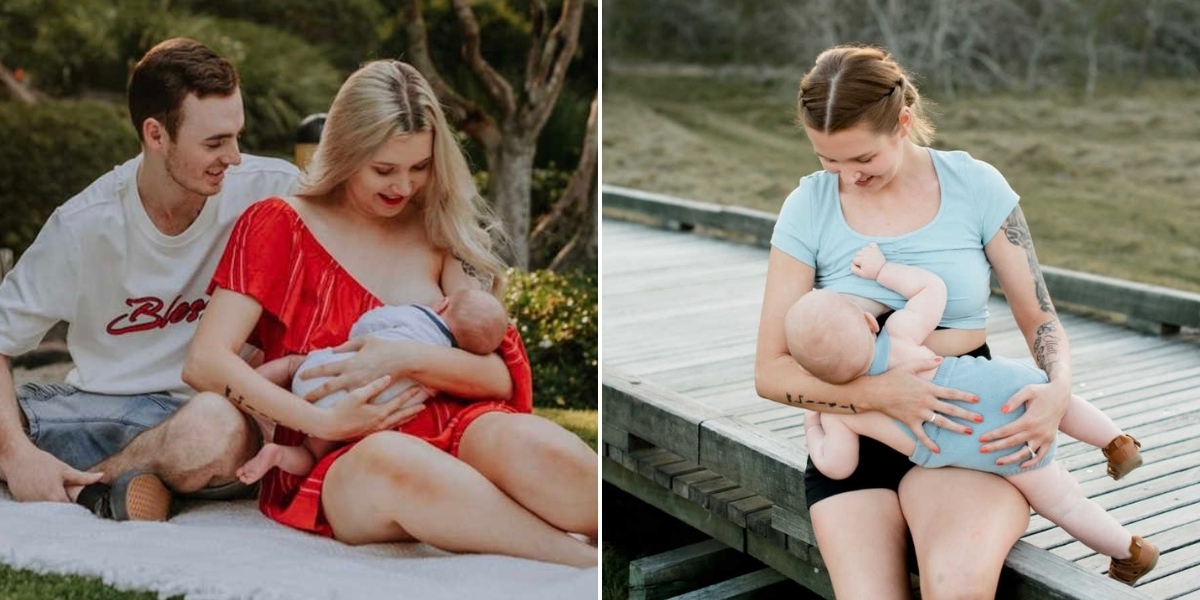
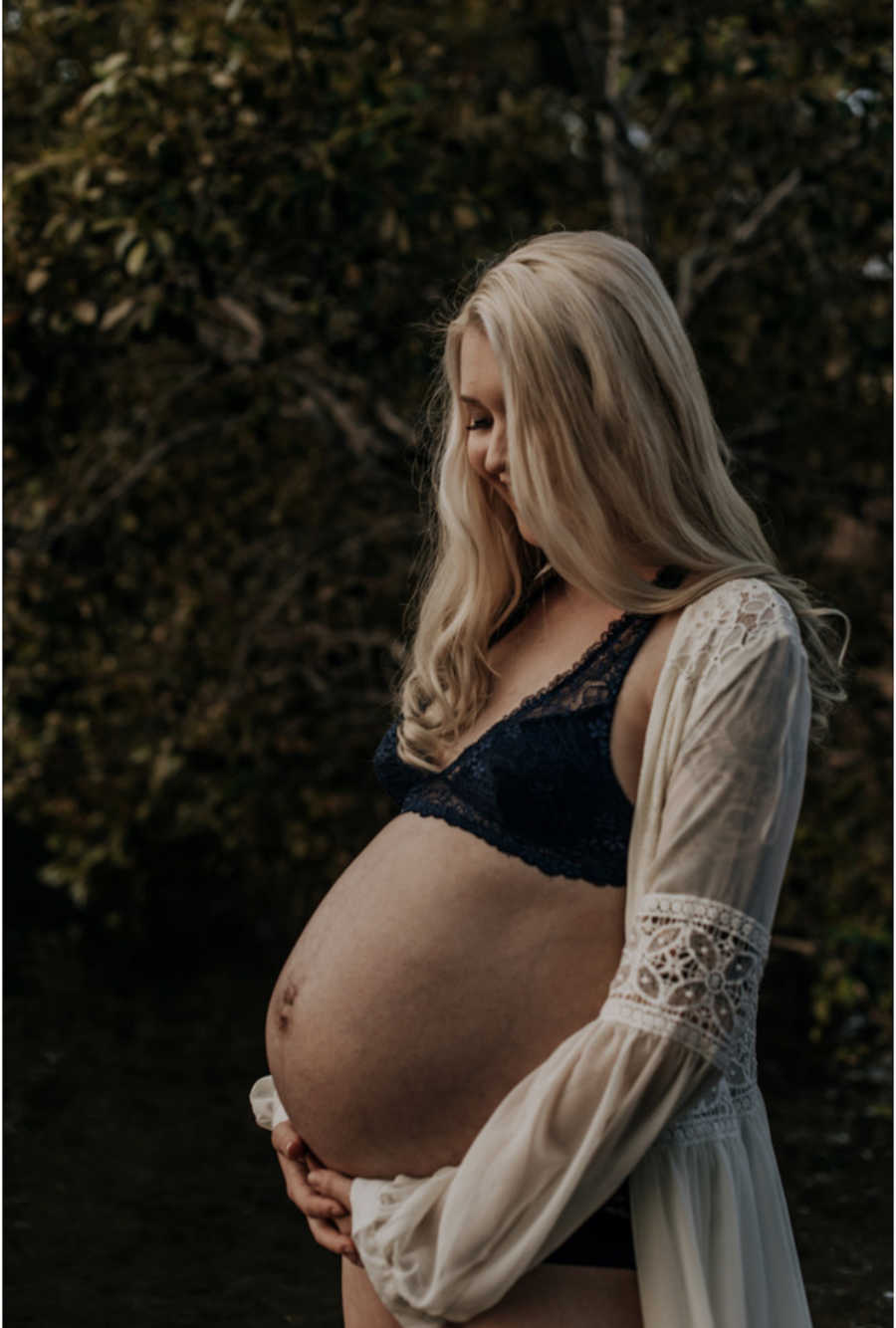
In March 2019, the week I turned twenty, we learned we were expecting our first child. During my pregnancy, I was determined to breastfeed. I bought a pump, attended hospital breastfeeding classes, and made my intentions clear to my midwives. My plan was simple: just like Ellen Fisher, I would breastfeed and pump once a day to donate. If only it had been that easy!
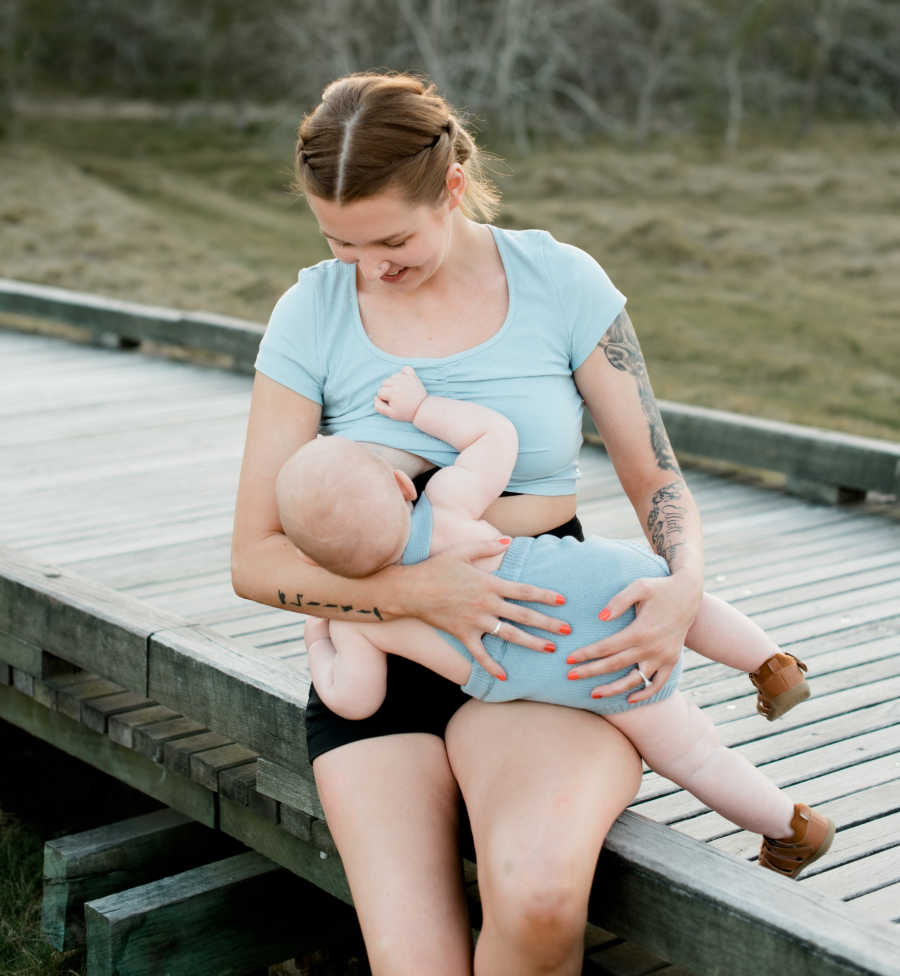
When my son was born, he couldn’t latch. I was devastated. Despite all the family vlogs, Facebook groups, and research I had done, I had never heard of oral ties. The hospital offered little guidance either, which I’ve since learned is a common gap, as tongue and lip ties are more prevalent than most realize. The early weeks were a blur. My milk came in, and we used nipple shields to help my son latch—without them, his lips couldn’t flange, making feeding exhausting for both of us. He needed to feed every 20–30 minutes just to get enough, leaving no time for me to pump.
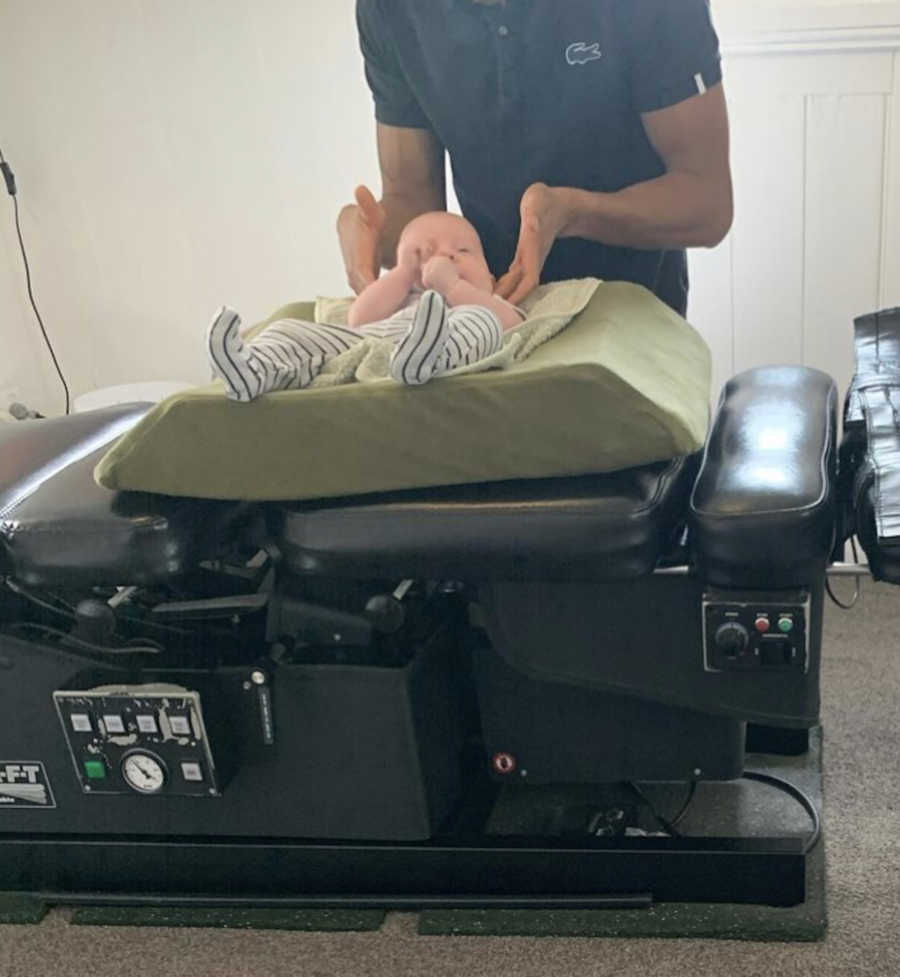
At six weeks postpartum, I turned to bed-sharing so I could feed him while lying down and try to get a few hours of rest. Mustering the courage to ask about safe bed-sharing in a Facebook group led me to a lifesaving resource: Tongue and Lip Tie Support Australia. This community provided a provider list, guidance, and support. At nine weeks old, my son had his tongue, lip, and buccal ties lasered. It was as if a switch had flipped—he could latch without shields, drain a full breast, and stay full for up to two hours at a time.
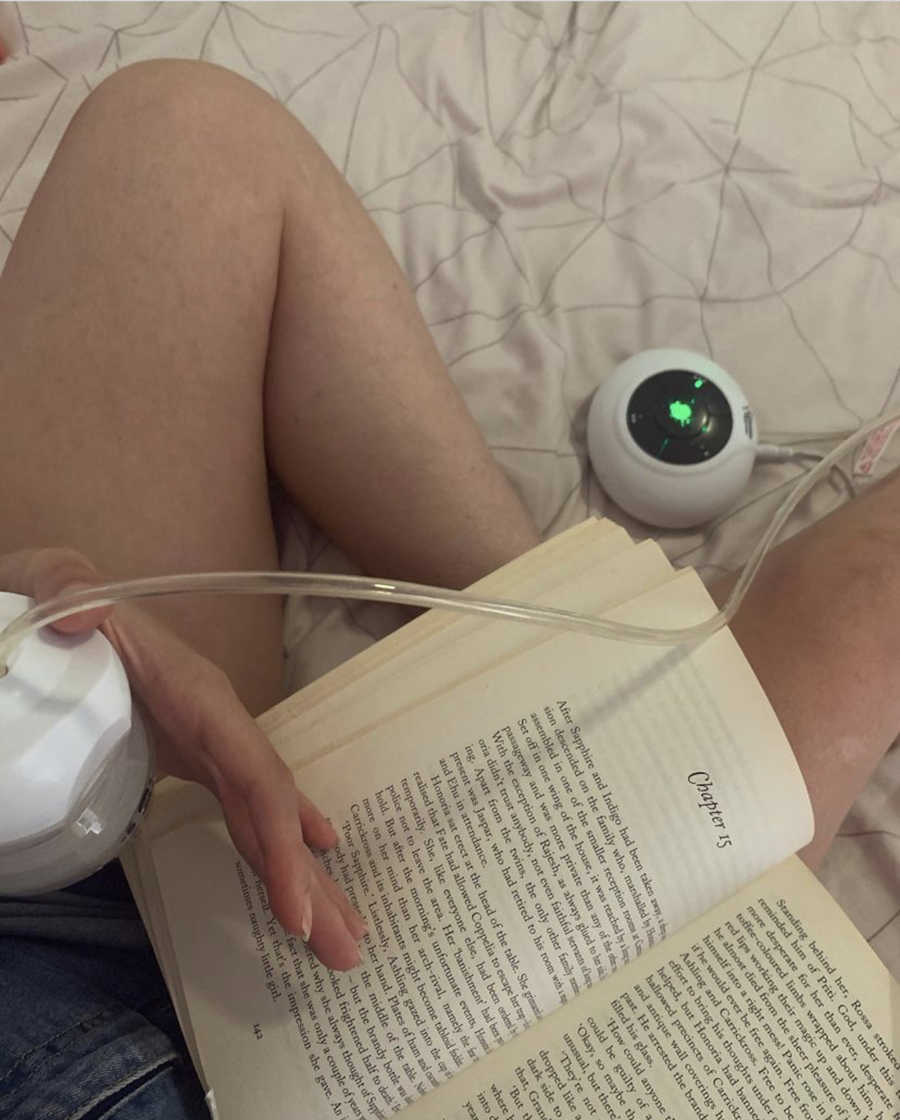
Finally, I could establish a pumping routine. At first, it wasn’t every day, but eventually, I built up enough frozen milk to donate. Choosing where to donate, however, was a challenge. Initially, I thought of the breast milk bank, but in Australia, families receiving milk through the bank often had to pay hundreds of dollars—not for the milk itself, but for processing and running the charity. The requirements for donation were strict, and they only accepted full liters, which felt inaccessible.
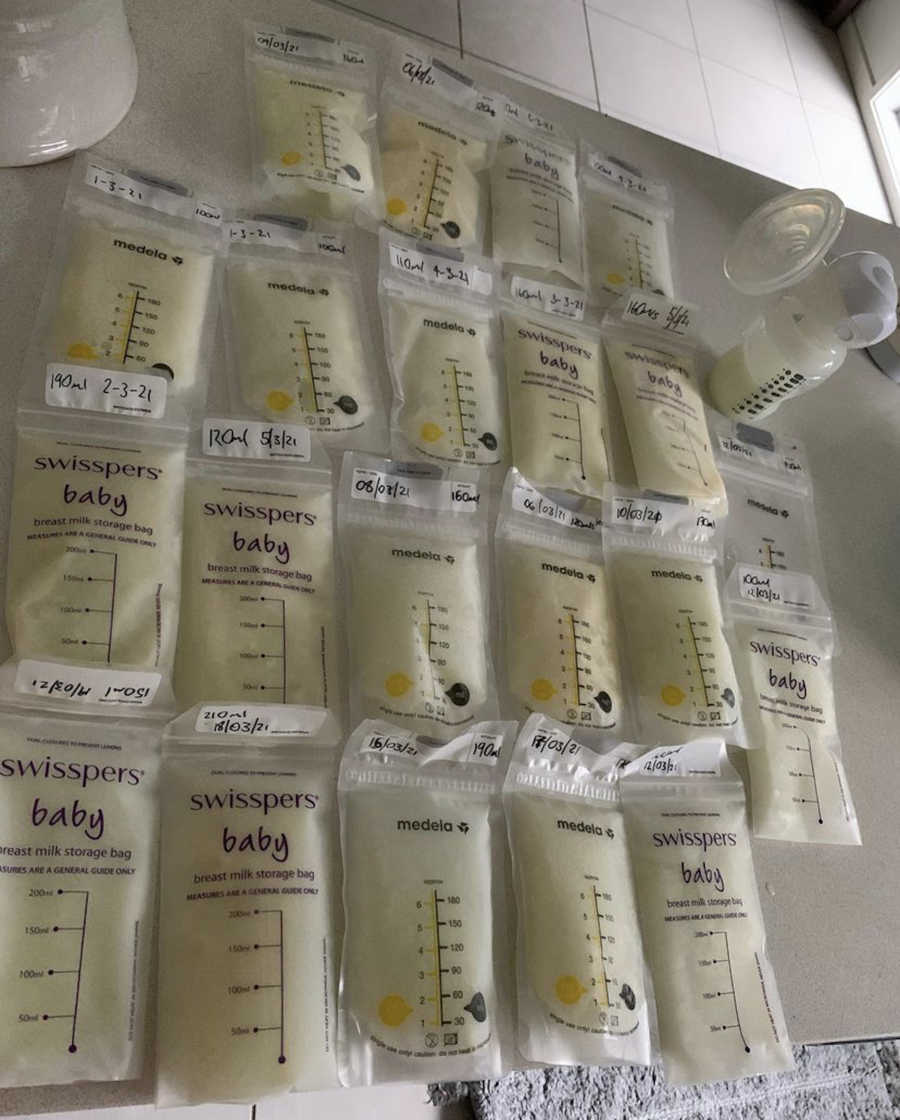
That’s when I discovered Human Milk 4 Human Babies, a worldwide network with local chapters. Joining my state’s group opened my eyes to how vital donor milk really is. I learned that while formula meets basic nutritional needs, it lacks the “living” antibodies that breast milk provides, which are essential for building immunity. The families in these groups had babies with a wide range of needs—preemies, children with life-threatening illnesses, allergies, babies on feeding tubes, foster and adoptive children, and even those needing temporary supplementation. Each request was as important as the next, and every donation, no matter how small, made a difference.
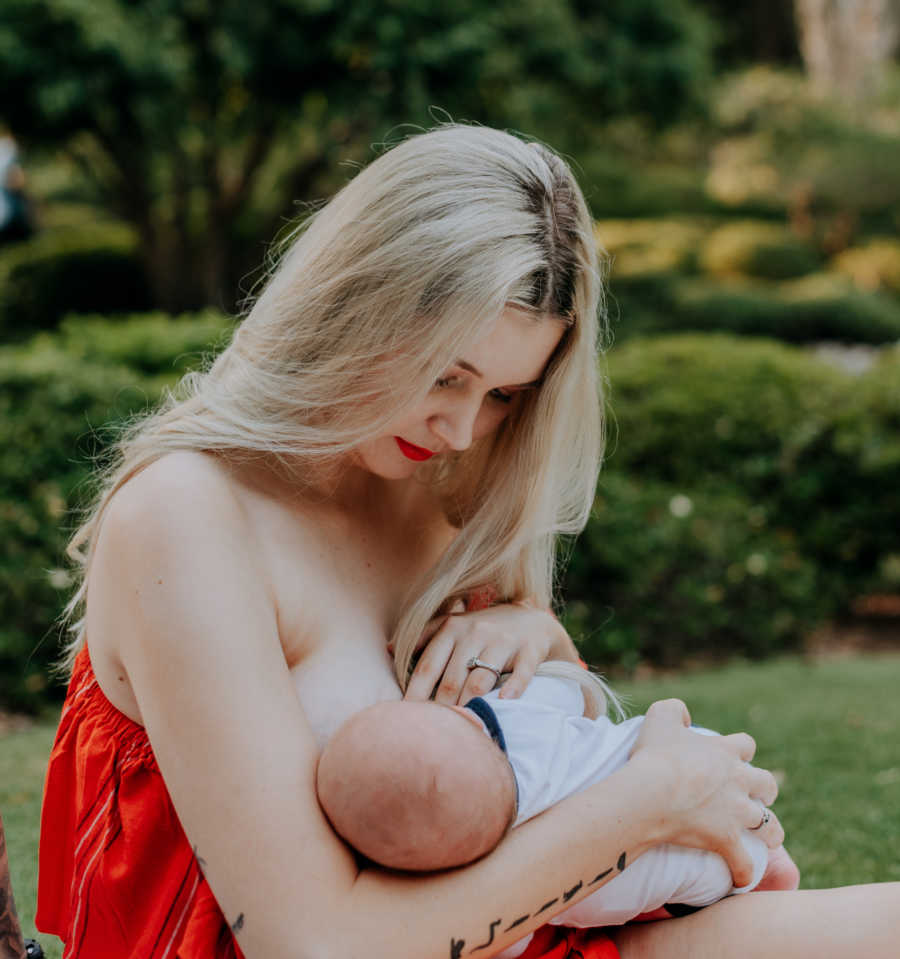
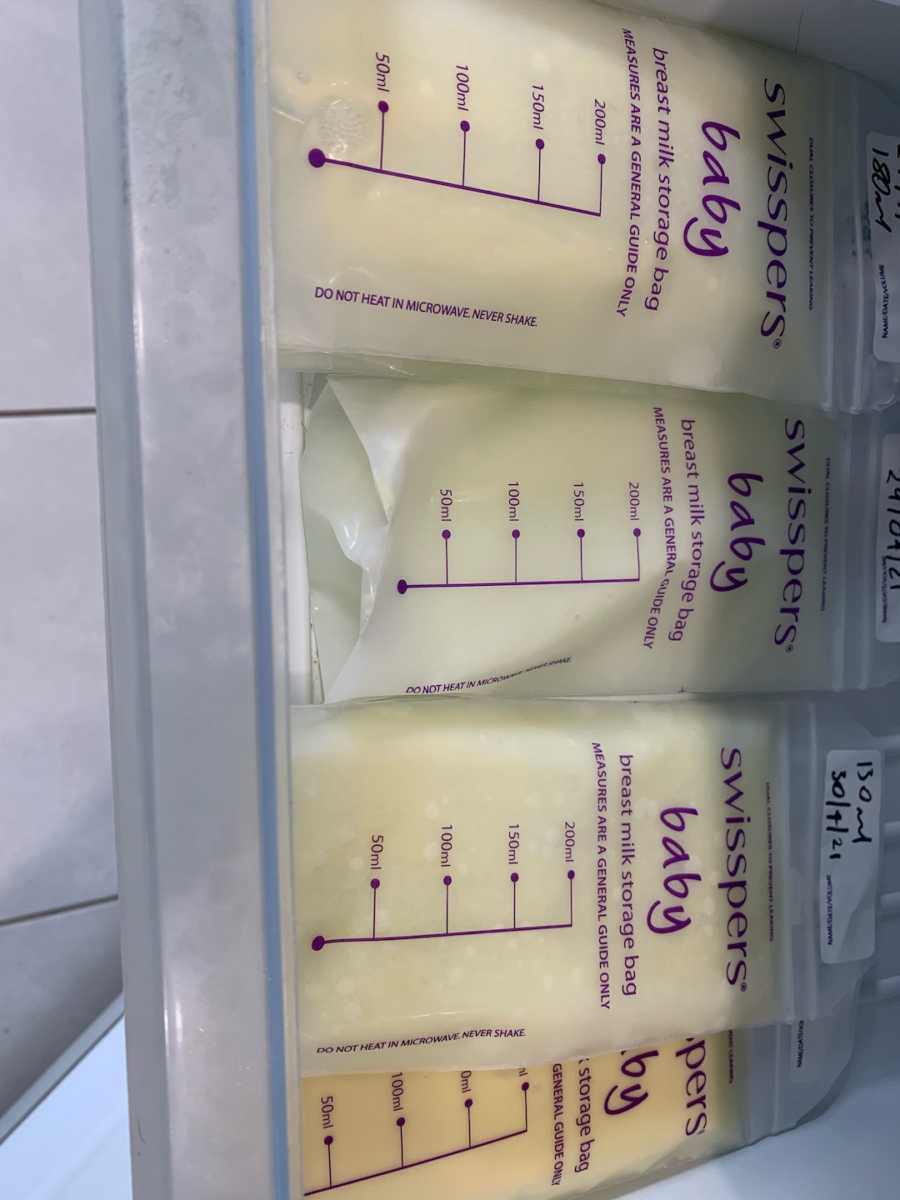
My first donation went to a toddler recovering from the flu. It was just a few hundred milliliters, but it introduced me to the joy of sharing milk. From there, I donated whenever I had extra, often to different families each time. Because my milk is dairy-free, demand was high. One of my first regular recipients was a little girl diagnosed with failure to thrive and reliant on a feeding tube. After just two donations, she gained enough weight to begin weaning off the tube. The joy I felt witnessing that transformation cemented my commitment to donate regularly. Since June 2020, I have donated a combined total of 18 liters, hoping to reach 25 liters by the end of 2021 and continue donating with our next child.
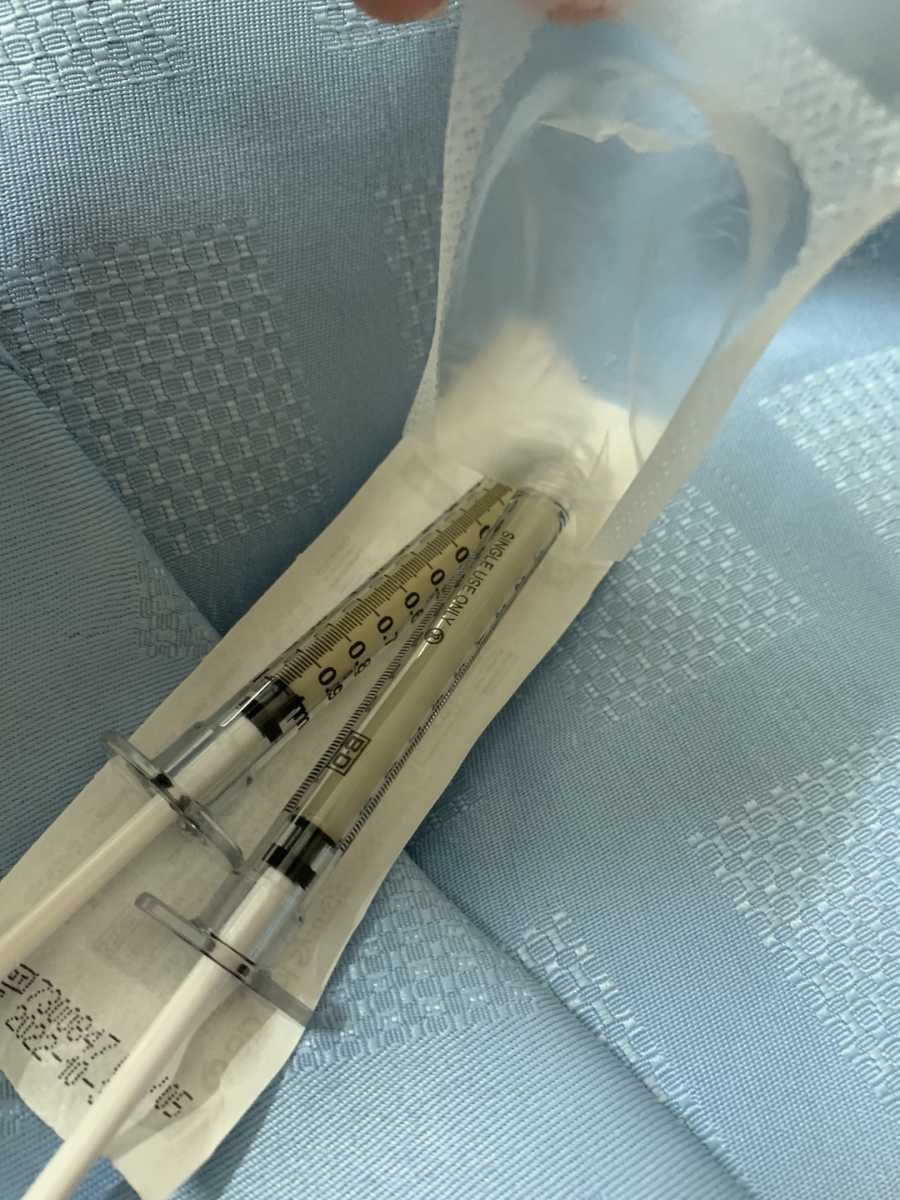
I have shared my experiences—struggling with oral ties, the triumphs of donor milk, and our journey through extended breastfeeding—on Instagram, and it has been incredible to see peers inspired to donate or seek support for their own breastfeeding journeys. One story that touched me deeply is of a bereaved mother donating in honor of her stillborn daughter, Odette. Time and again, I am left in awe of the selflessness, strength, and love I witness in both donors and recipients.
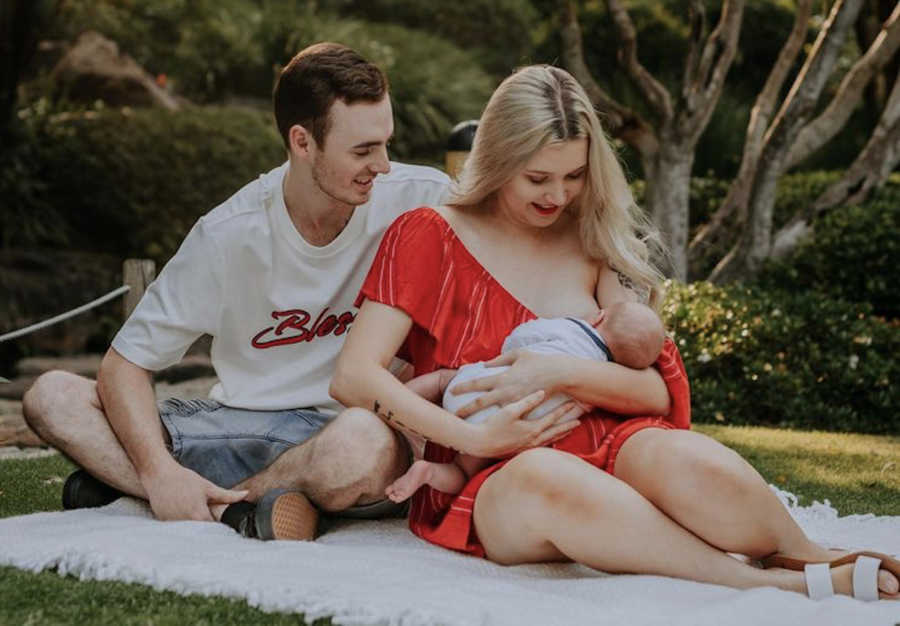
Groups like Human Milk 4 Human Babies are moderated to ensure no judgment or off-topic advice, creating a safe, welcoming space for all parents, whether they formula feed or breastfeed. For anyone navigating parenthood, these communities are a lifeline—proof that support, compassion, and shared care can truly change lives.