“You should call Mom.”
Those words appeared on my phone just as my husband and I arrived at the final stop of our honeymoon in Sevilla, Spain. It was our last stretch of the trip, and we had decided to splurge on a romantic night at a charming bed-and-breakfast tucked into the heart of the city. The message came from my brother-in-law, and it immediately caught my attention—we rarely texted.
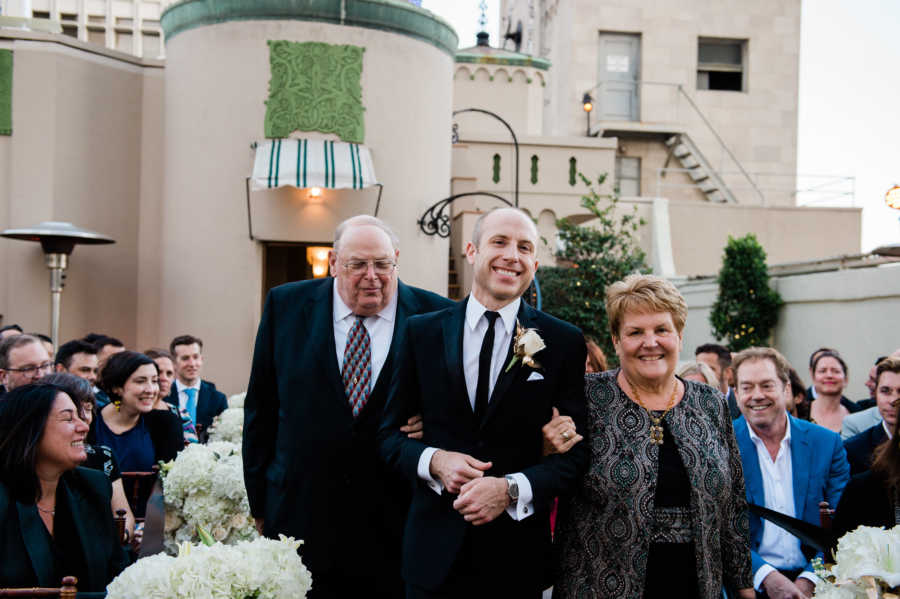

Then I remembered a message my mom had sent a few days earlier, casually asking when we were coming home. She already had our full itinerary in her inbox; I had planned the trip the way I always do—early mornings, late nights, and not a minute wasted. At the time, I hadn’t thought much of it. She was always the first person I shared my adventures with, and I assumed she was just checking in. But in that moment, my heart began to race. I know now she had reached out for a very different reason.
My husband and I immediately called my mom. Ring. Ring. Ring. Voicemail.
We tried my dad next. Ring. Ring. Ring. Voicemail again. Normally, I would have laughed it off, assuming they were lost in one of their infamous Walmart shopping trips. This time, though, dread crept in. I called them both again. Still nothing.
Finally, I called my brother-in-law. He answered but only repeated that I should keep trying. As I pressed him for more information, my phone buzzed with another incoming call—it was my mom. I switched lines instantly.
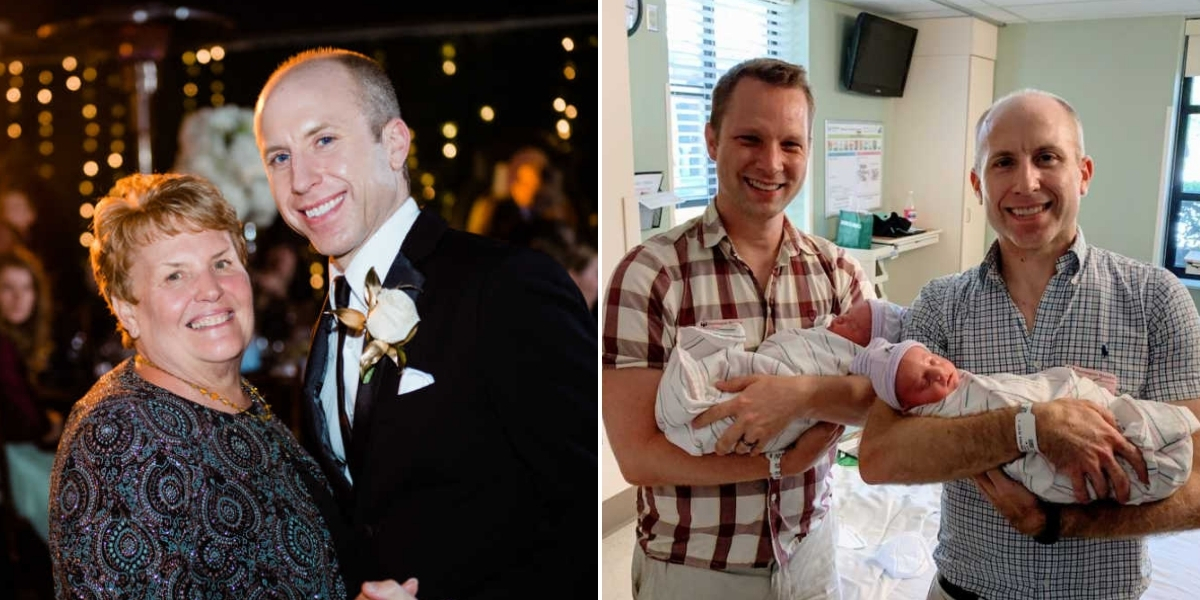
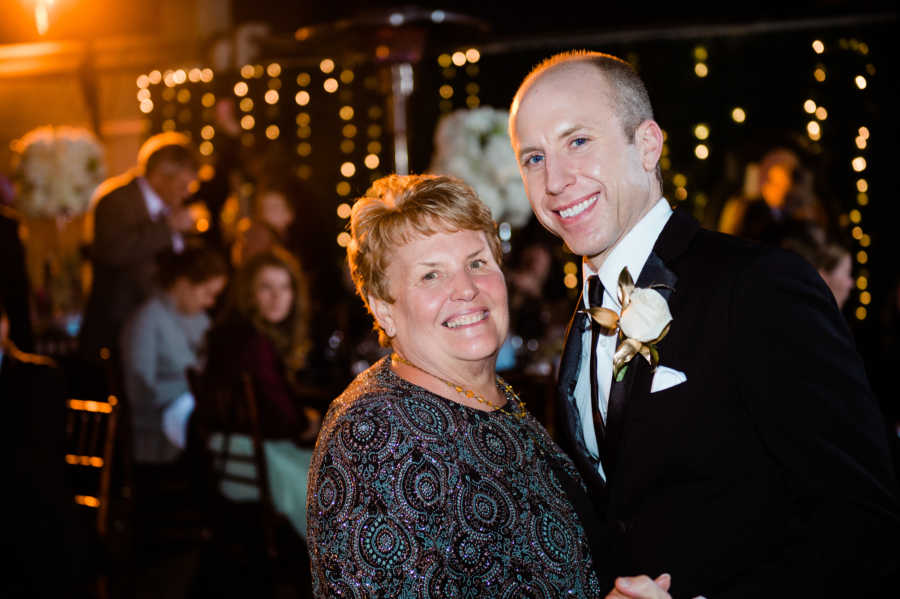
Her first words were, “I didn’t want anyone to bother you while you were on your honeymoon.” That was classic Mom. She was a nurse to her core, always caring for others, always putting their needs before her own. After a long pause that felt endless, she said the words that would change everything: “I’ve been diagnosed with pancreatic cancer.”
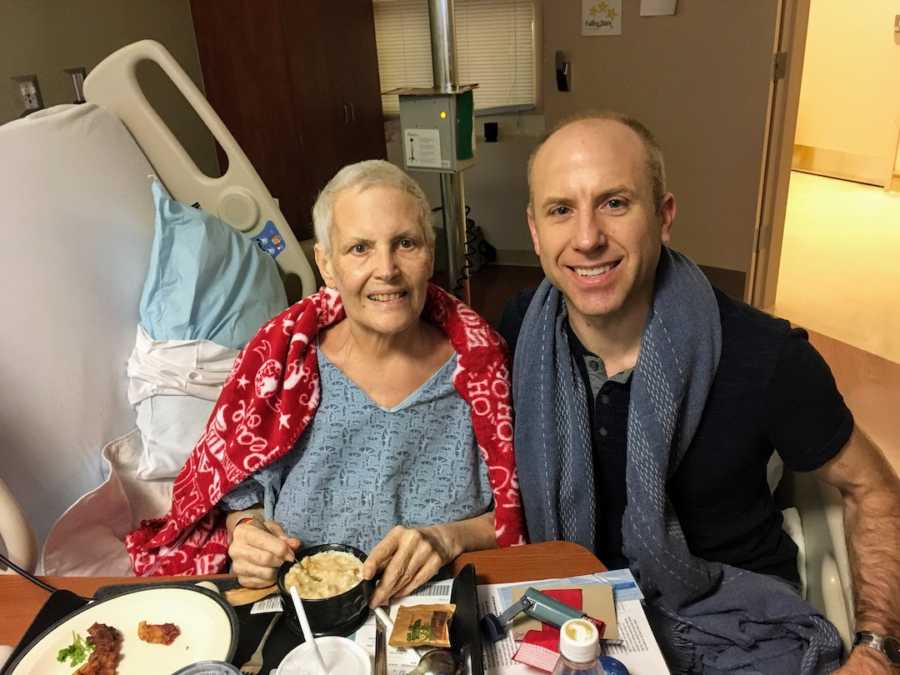
While we were celebrating our honeymoon, she had been admitted to the hospital for an emergency procedure to bypass a blocked duct after developing jaundice. That surgery revealed a tumor. Pancreatic cancer is one of the deadliest forms of cancer, with a survival rate of just 9%. The rest of our honeymoon passed in a fog. We shifted into survival mode—researching, asking questions, and figuring out how we could support her from thousands of miles away.
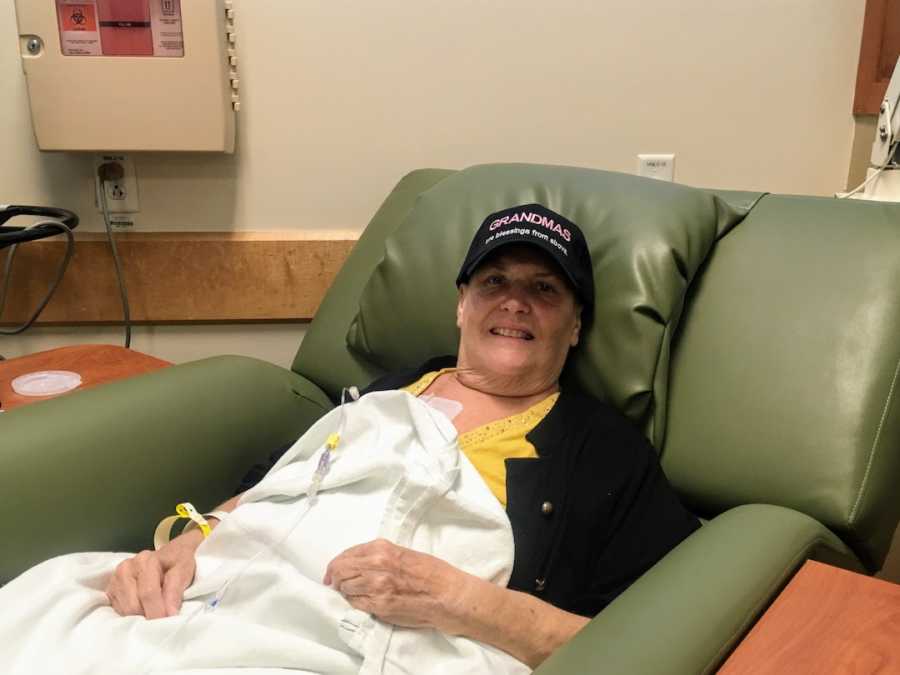
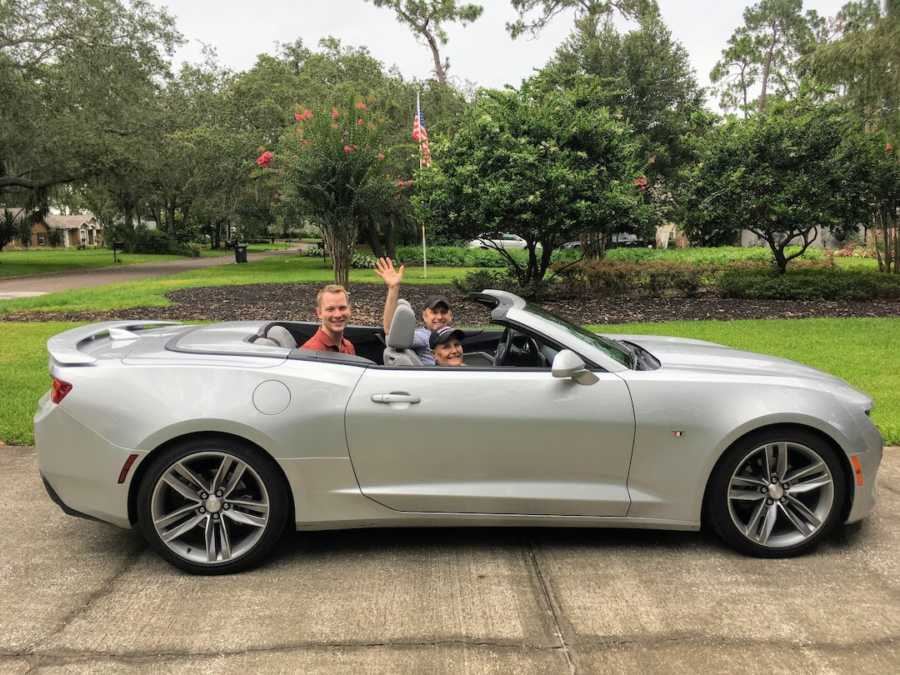
For the next nine months, we flew from the West Coast to the East Coast at least once—sometimes twice—a month. We attended every appointment we could, either in person or virtually. We celebrated her birthday by surprising her with a ride in a silver convertible. We gathered our entire family for Thanksgiving in Jacksonville, Florida—our first there, and heartbreakingly, her last.
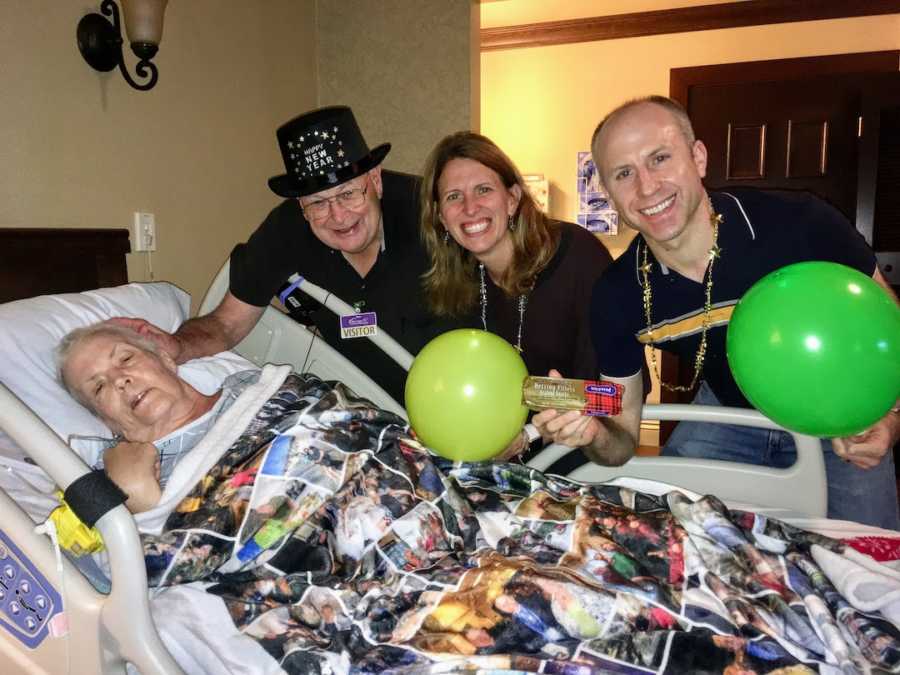
After Christmas, she moved into hospice care. She could no longer breathe on her own, and there were moments when I wasn’t sure she even knew we were there. Still, her love for family never faded. We rang in the New Year by her bedside as she lay in hospice. When it came time for us to fly home, I knew in my heart I would never see her alive again.
When hospice called to say she was nearing the end, I was on FaceTime with my husband, my sister, and my dad, saying goodbye as she took her final breaths. In her end-of-life orders, she had written three words that still echo with me: “Love never dies.” That thought carried me through those final moments.
My mom’s battle with cancer became the wake-up call my husband and I didn’t know we needed. As much as we loved our independent life, we realized it was time to start a family. And let’s be honest—there’s no such thing as an “oops” baby when two guys decide to have kids. We hadn’t arrived at this decision overnight. We’d talked about children for years, but it never felt like the right time.
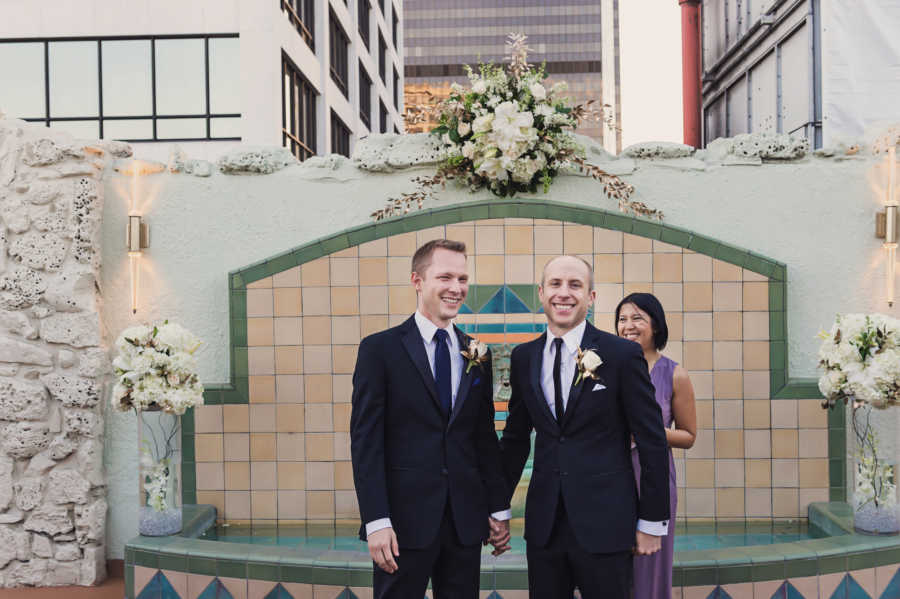
When we first met, we never imagined parenthood would be possible. This was before marriage equality, when the only gay men we knew with children had them from previous marriages. Fast-forward to today, and we’re surrounded by same-sex couples who are parents—or actively planning to be. After considering every path, we chose surrogacy.
What we didn’t expect was how overwhelming the process would feel at first. Eventually, we realized it boiled down to three major steps. The first was choosing a fertility clinic. As my husband Kevin likes to joke, this was where we made sure our “stuff was up to snuff.” In reality, it meant confirming our sperm was healthy—or making a plan if it wasn’t. Just as important was finding a clinic with experience working with LGBT couples and a strong track record in surrogacy.
The second step was finding an egg donor. That process felt strangely like online dating—profiles filled with hobbies, favorite foods, and medical histories. We chose not to limit ourselves to one agency until we found the right match. Once we had a fertility doctor and eggs on ice, it was time for the final step: choosing a surrogate.
We had three main criteria. First, proximity—we wanted to attend appointments whenever possible. Second, someone with a strong support system, what we called a “mom’s mom.” And third, a healthy woman who had successfully carried children before.
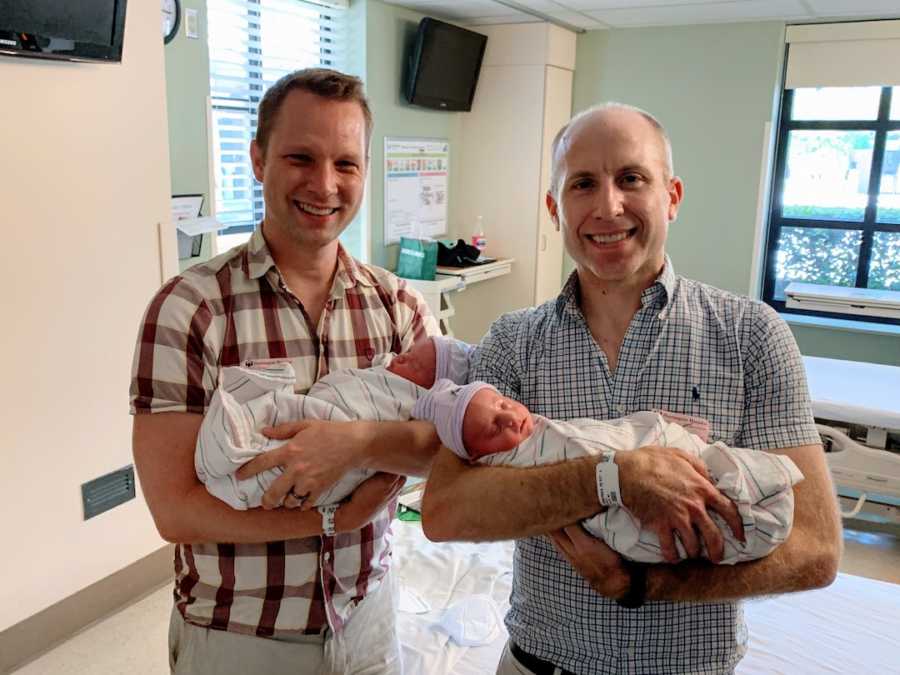
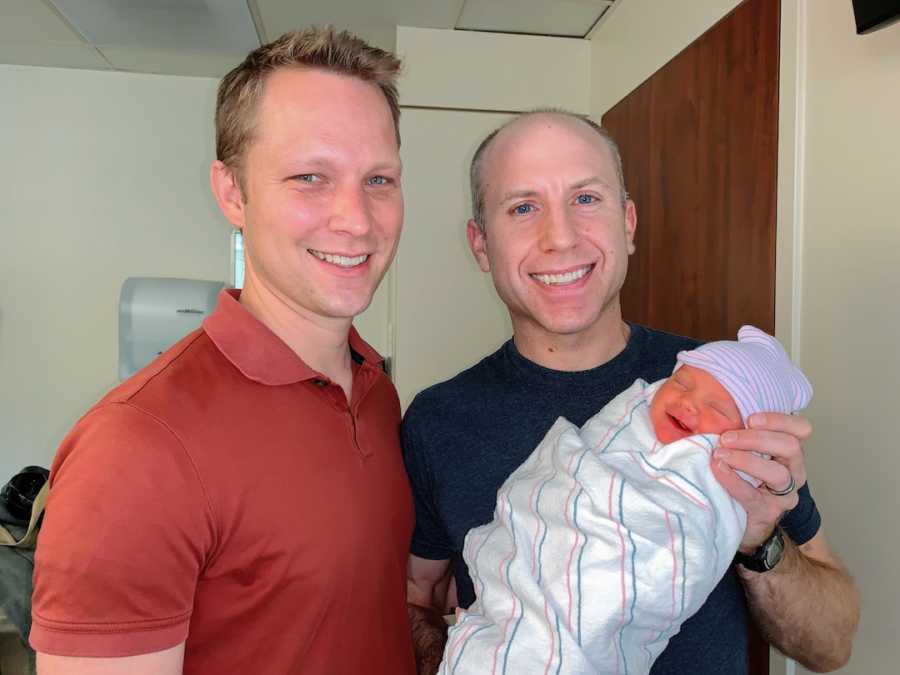
Thankfully, the process went smoothly, and a year and a half later, our twins were born. After working so hard to become parents, we remember looking at them and thinking, Now what do we do? Because of COVID, we couldn’t leave the hospital room or send the babies to the nursery. In hindsight, it became baby boot camp—learning how to feed, swaddle, burp, and change diapers nonstop.
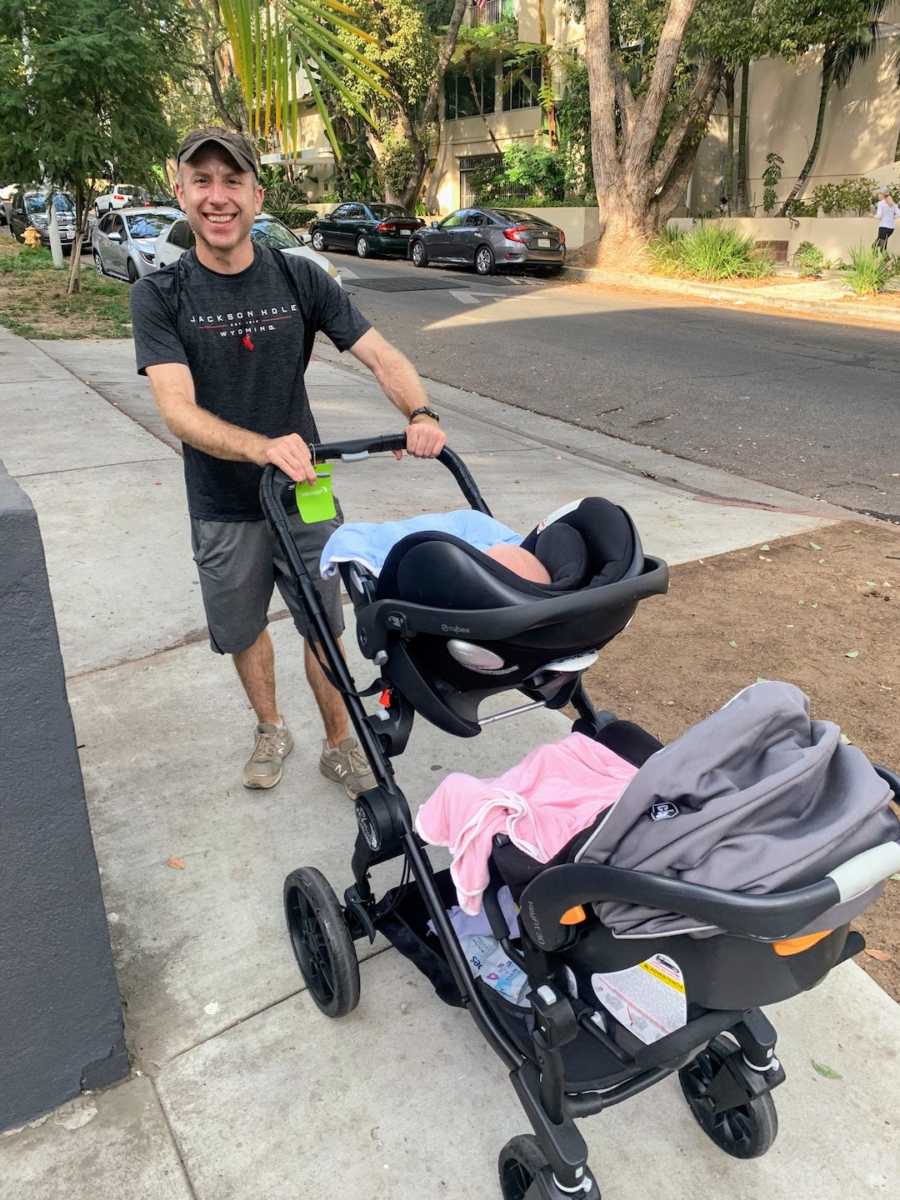
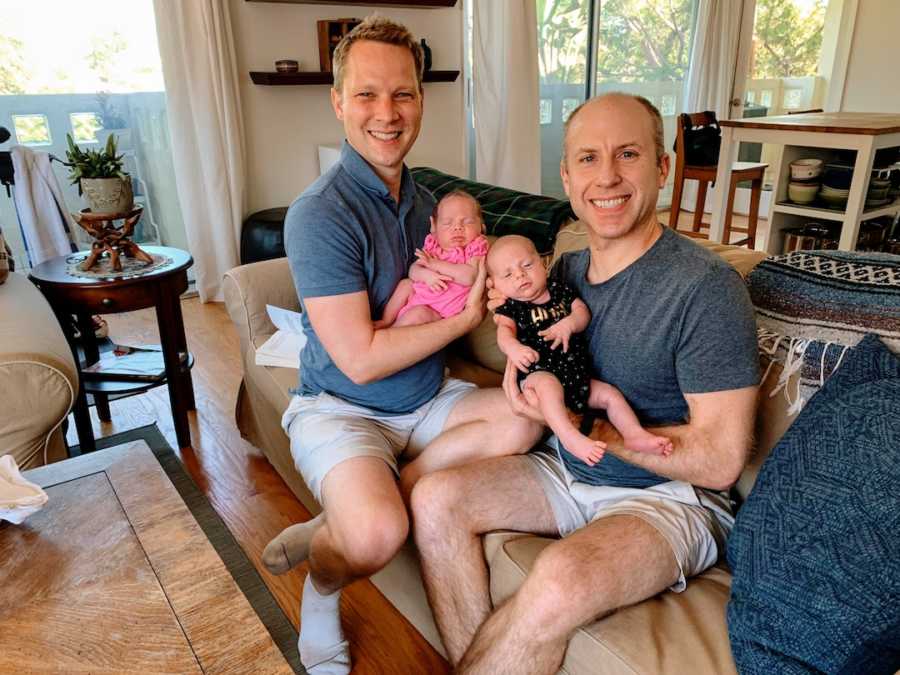
Before discharge, the twins had to pass the car seat test. Our daughter passed easily. Our son didn’t. He was straining, and we had to wait 24 hours for a retest. When he didn’t return after several hours the next day, we knew something was wrong. The nurse eventually came back—with his car seat, but without him. He was diagnosed with apnea of prematurity, meaning he would forget to breathe on his own.
We spent an extra night splitting our time between the NICU and our daughter’s room. The next day, we left the hospital with only one baby. It was excruciating. We visited our son daily, one parent at a time, once every 24 hours. Thankfully, his NICU stay was short, and a week later, he came home.
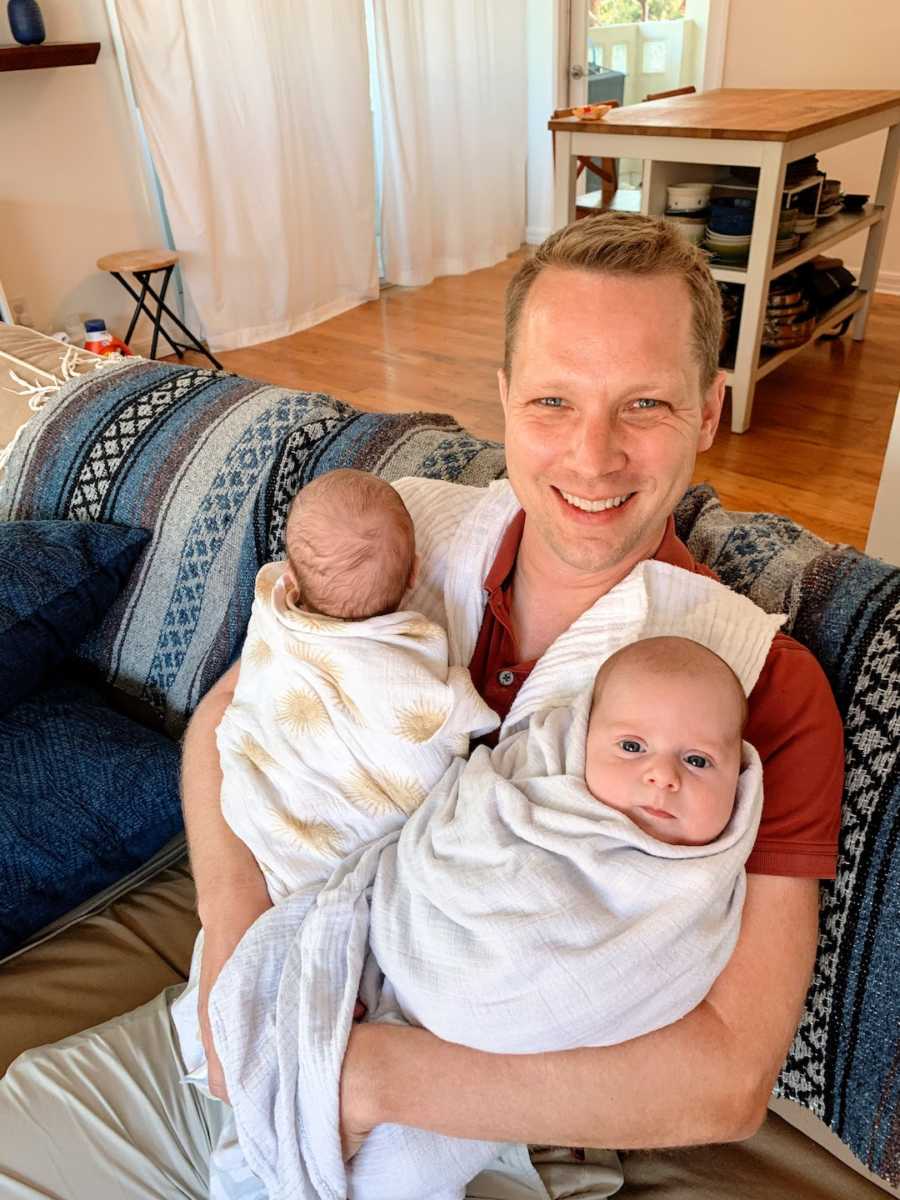
When it came to paternity leave, we chose to take it together. Without hesitation, we knew that time as a family was irreplaceable. Those months were filled with bonding, exhaustion, joy, and gratitude.
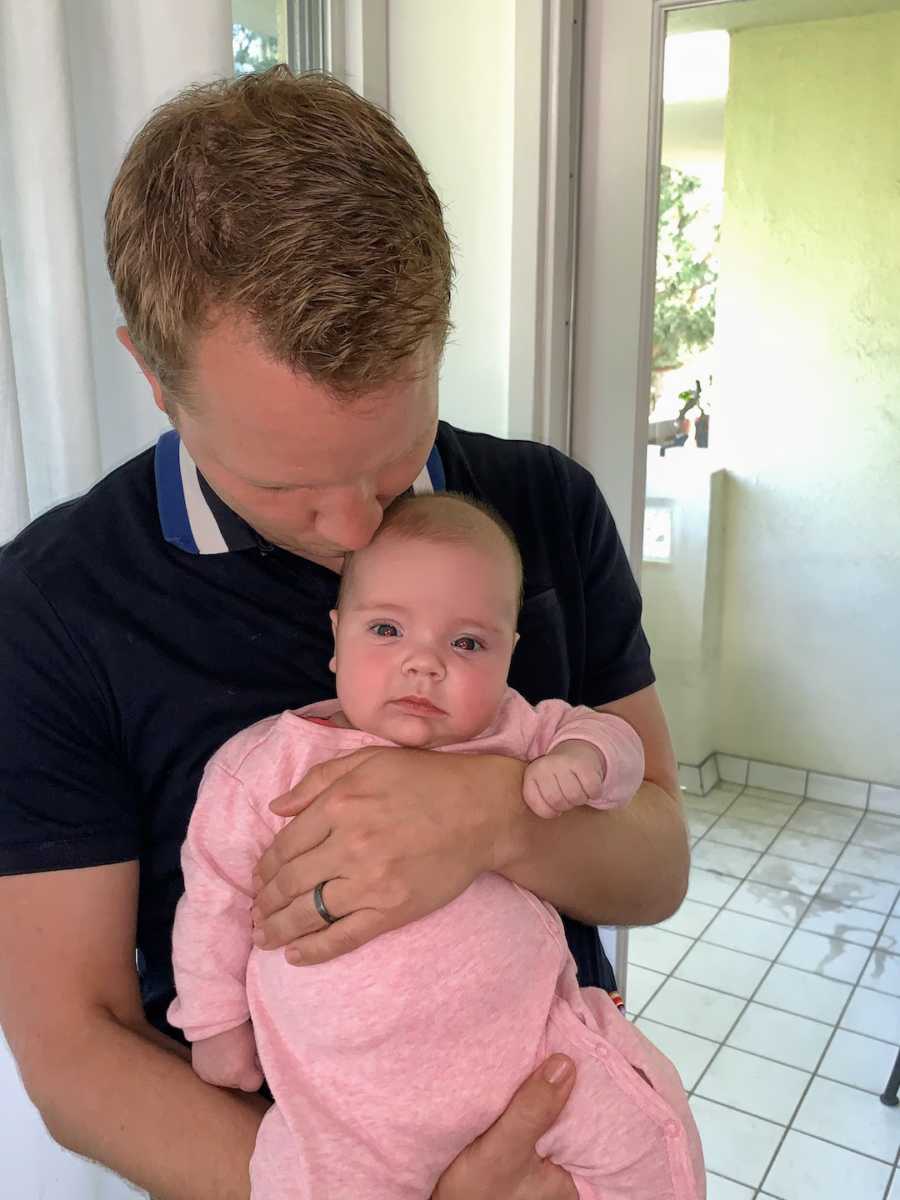
During that time, we started a blog called Adventuring Dads, sharing both big travels and everyday parenting adventures. Our goal is to entertain, educate, and support others—especially those navigating surrogacy or struggling to build a family.
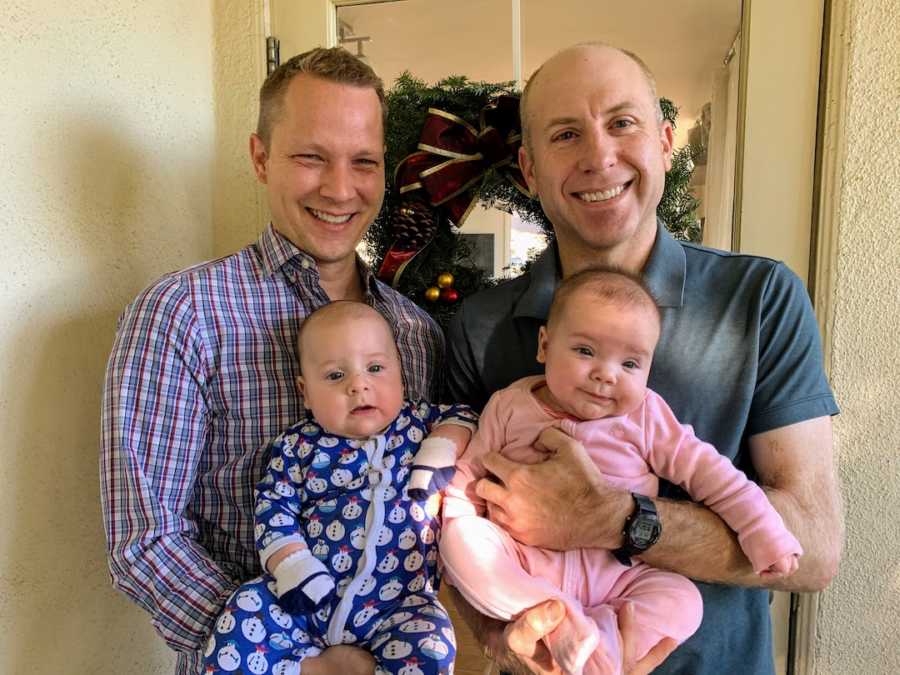
Every day, when I look at our kids, I think about my mom’s final message: “Love never dies.” Mom, wherever you are, I hope you know our love never will—and we can’t wait to share it with your grandchildren.