My freshman year of college was the same year my parents quietly began making funeral arrangements for me. I was losing a brutal battle against anorexia nervosa. I weighed just 56 pounds and was dying—though I didn’t see it that way at all. I genuinely believed I was fine, sometimes even convinced I was fat. What should have marked the end of my struggle was, in truth, only the beginning. Binge eating disorder and bulimia soon followed, along with a long, confusing quest to recover and understand myself.

Growing up, I was a highly sensitive child—quiet, shy, and eager to please. I lacked self-confidence and tried to compensate by demanding perfection from myself. I never felt good enough, and life seemed inexplicably harder for me than it was for others. I was frequently teased and never quite fit in, even though I desperately wanted to. I assumed there was something inherently wrong with me. In reality, I was struggling with severe anxiety, depression, and obsessive-compulsive disorder (OCD), though I was far too young to recognize or name them. Instead, I buried my shame and pushed myself to excel outwardly. I was a competitive athlete, an excellent student, and part of a loving family. On the surface, everything pointed toward success. I wore a convincing smile to match—but beneath it lived much darker fears.
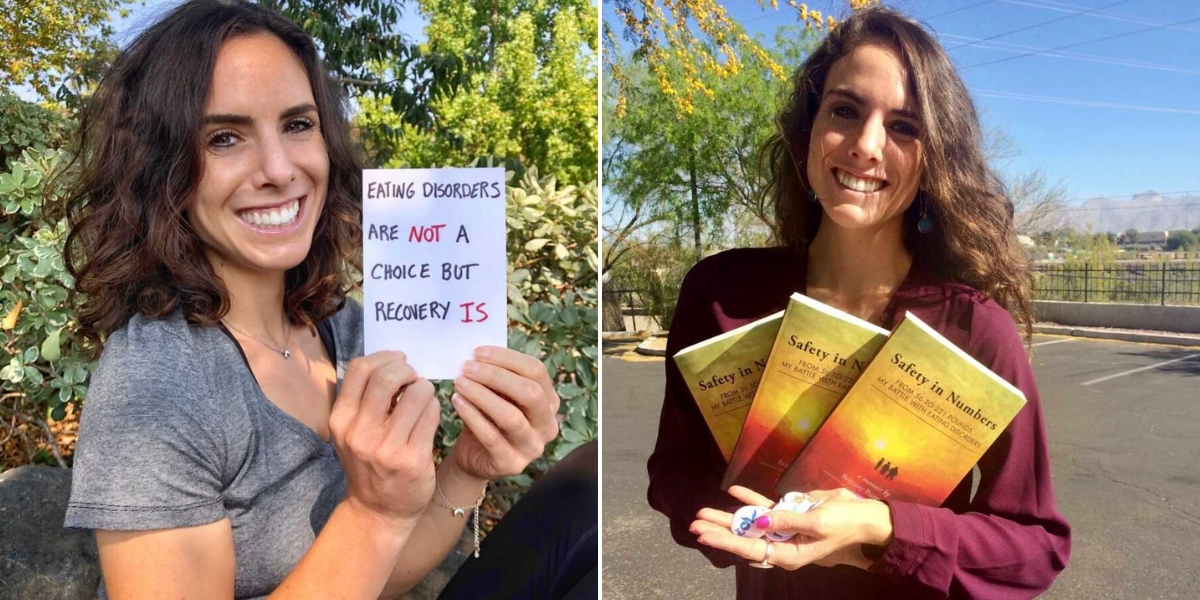
Anorexia entered my life when I was 13 years old. At the time, I had no understanding of eating disorders, only that the behaviors quieted my restless mind. My OCD latched on, creating endless rituals around food, exercise, calories, and weight. My anxiety found a focus in fearing my body rather than everyday life. My depression fed off the temporary high of weight loss. Most dangerously, I finally felt in control and believed—falsely—that this would make me happy and accepted. In truth, I had never been more powerless. I did not choose this path; eating disorders are never a choice.

My parents intervened quickly and immersed themselves in learning about my diagnosis. When outpatient treatment failed, I was sent to a long-term inpatient facility. My parents hoped I would come home cured. I entered the program deeply in denial and overwhelmed, but I wasn’t alone. Other patients welcomed me and helped me understand the rules. For the first time, I felt less isolated. Still, I didn’t grasp the concept of true recovery. I followed instructions, determined to be the “perfect patient.” I was discharged physically healthier, yet mentally unchanged.
Returning home, I tried to resume life as if nothing had happened. I told only a few people about my struggles and pretended everything was fine. My diagnosis made me feel even more alienated, and I feared ridicule if anyone found out. As stress mounted, so did my need to cope. I relapsed into harmful behaviors and became addicted to exercise—sometimes visiting three different gyms in a single day. Though I wanted to change, recovery felt overwhelming and unreachable. My eating disorder felt safe. Writing in private journals became my refuge. I meticulously recorded my thoughts, fears, and contradictions, pouring out truths I couldn’t say aloud.
When I was accepted to the University of California, Davis, I saw it as a fresh start. My parents were hesitant but eventually agreed. My first quarter passed in a blur. Despite my promises, my disorder tightened its grip once I was out of my parents’ sight. My time at UC Davis became haunting rather than hopeful.

Eventually, the university required me to take a leave of absence, and I entered a specialized eating disorder stabilization program. My weight dropped to that of an eight-year-old, and I was not expected to survive the medical complications. My parents were devastated. I remained in denial. Against the odds, I survived and returned home—but I clung to my eating disorder like a lifeline. It shielded me from deeper pain. Weight was never the real issue. When anorexia gave way to binge eating disorder, it felt inevitable.
In August 2009, I experienced my first binge. I devoured every food I had forbidden for seven years—and I couldn’t stop. Bingeing became another coping mechanism. My weight skyrocketed, and by 2010 I weighed 221 pounds. Most days were spent bingeing in isolation, leaving home only to buy more food in shame. Searching for an external fix to an internal wound, I cycled through extreme diets and weight-loss plans, only worsening the problem.
Bulimia emerged as a twisted compromise between extremes. I became trapped in a vicious binge-restrict cycle. Binges often exceeded 10,000 calories, followed by terrifying laxative abuse—sometimes over 100 at once. I tried endlessly to stop and failed repeatedly. To make matters worse, I appeared “healthy” and was often complimented. Some even congratulated me on my recovery. They saw only a sliver of my life, not the other 23 hours when I was still gambling with my survival.
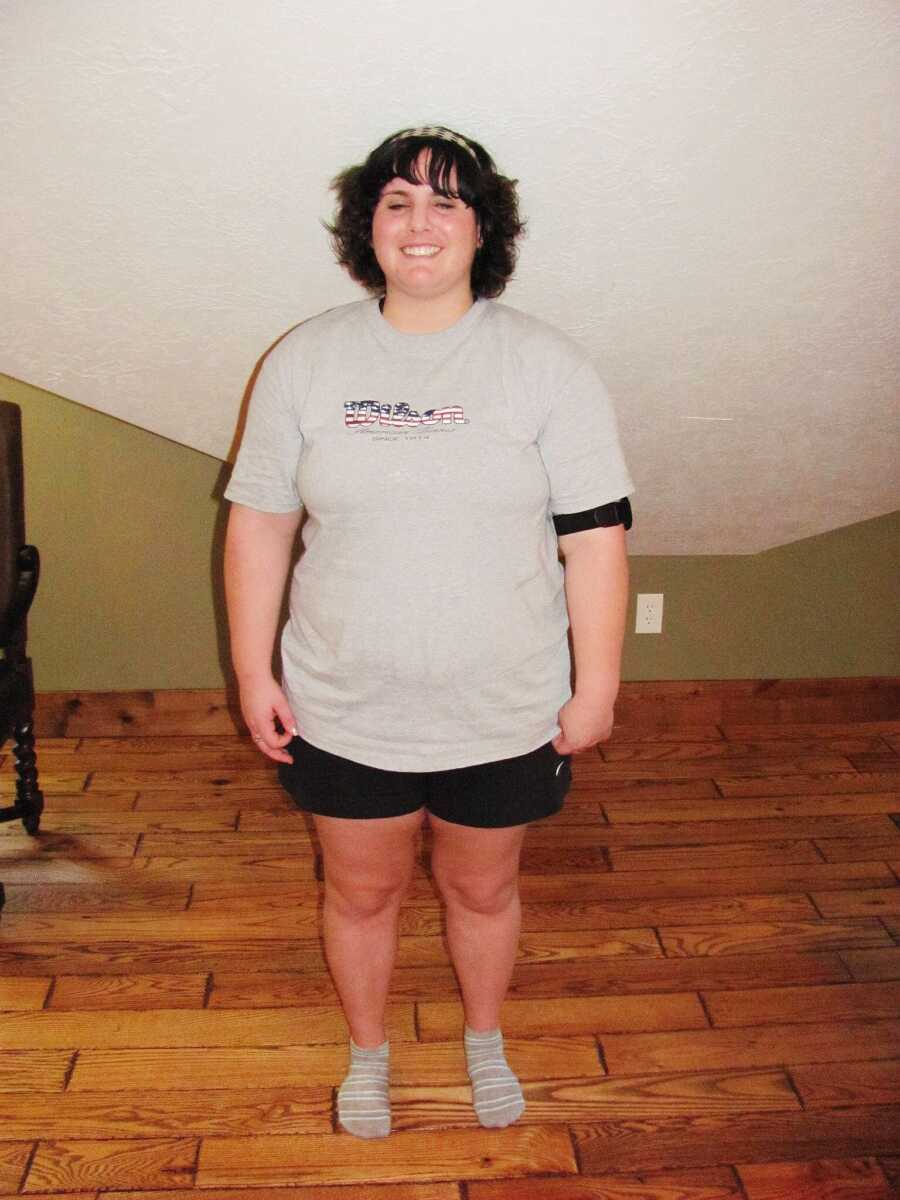
My family remained steadfast—supportive of me but not my disorder. With tough love and outpatient treatment, I began to make real progress. I cautiously stepped outside my comfort zone, rediscovering my love for horses and tennis. I transferred to California Polytechnic University to continue my psychology degree. Around this time, I started sharing my journey on Instagram and was overwhelmed by the response. For the first time, my pain felt purposeful. It gave me the courage to write a memoir.
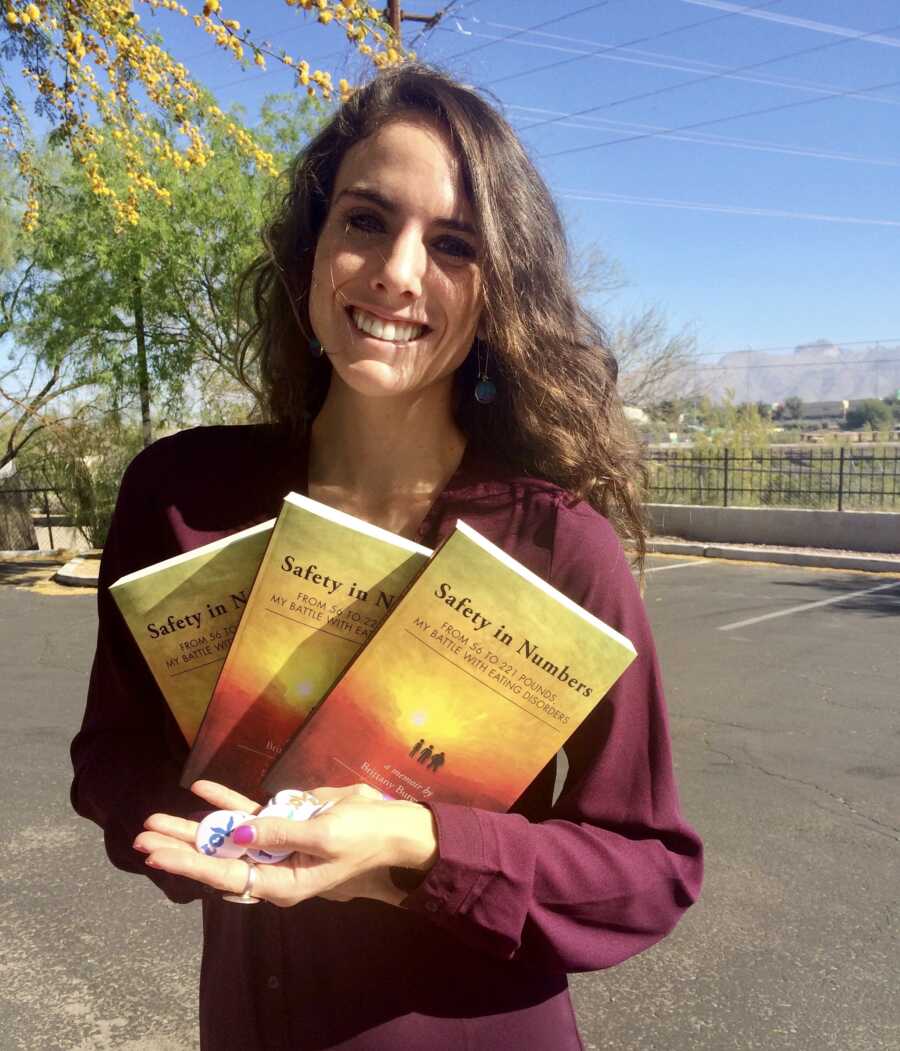
In early 2016, my book Safety in Numbers: From 56 to 221 Pounds, My Battle with Eating Disorders was published. Built almost entirely from years of uncensored journal entries, it exposed the raw reality of mental illness. More than anything, I wanted to show that recovery—and hope—are always possible.
Recovery itself was the hardest battle. Staying sick was easier than healing. I learned that eating disorders create false rock bottoms, convincing you you’re never “sick enough” for help. My turning point wasn’t physical—it was mental. I had to hit rock bottom in my mind.
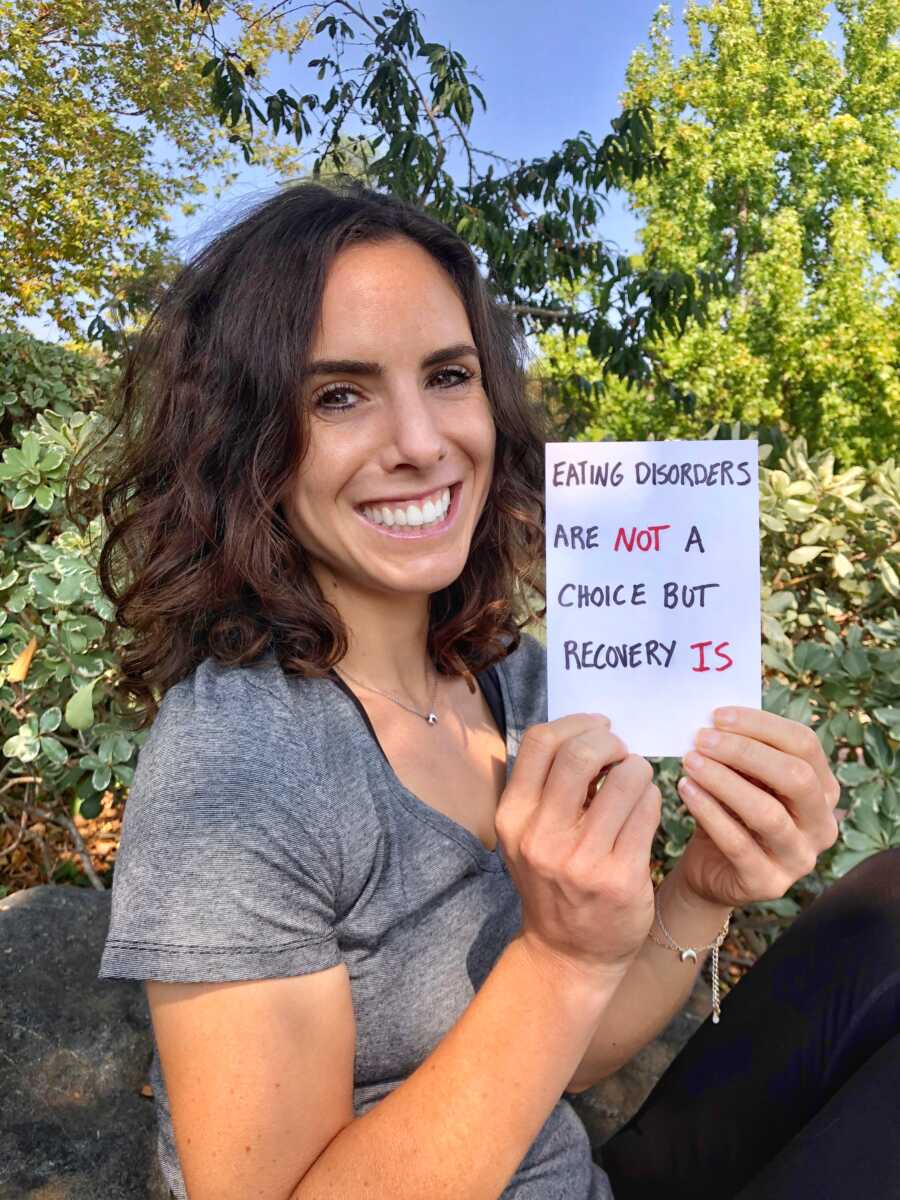
I stumbled many times and questioned whether recovery was worth it. My disorder had become my identity. Letting go felt terrifying. But partial recovery isn’t real recovery. I had to release it completely, recommitting each day. Unlike other addictions, food cannot be avoided. Healing was messy and nonlinear, but it allowed me to fully experience life again.
Looking back, I don’t regret my journey. It gave me strength, insight, and purpose. I became a certified life coach specializing in eating disorders and continue to write, including sequels to Safety in Numbers. My eating disorder was part of my life, but it no longer defines me. Often, our deepest struggles hold the greatest potential for growth. Some victories are invisible—but they matter the most.