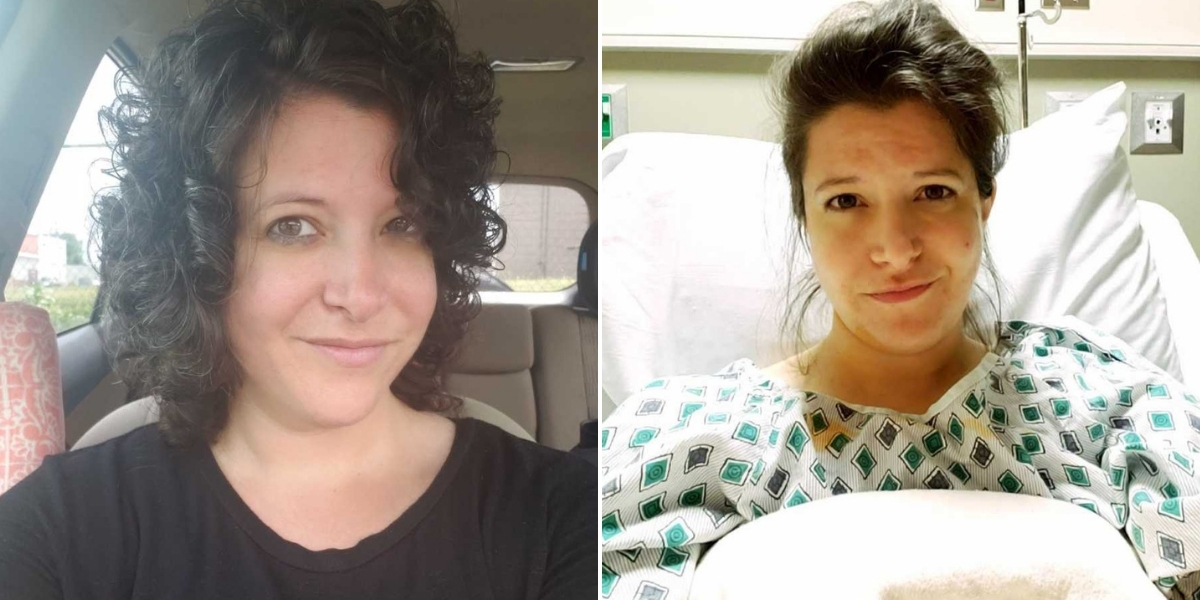
Cancer has always had a presence in my family. It seemed like every few years, someone was diagnosed. Fortunately, two of my aunts who received diagnoses had genetic testing that came back negative, so we chalked it up to bad luck. Still, I carried a quiet awareness that, statistically, cancer might touch my life too—after all, nearly half of all people develop cancer at some point.
But at 32, when I discovered a lump during a self-check, that wasn’t the thought that raced through my mind. When I imagined I might get cancer “eventually,” I pictured it happening later in life—after 50, not now. It was the middle of the month, I drink a lot of coffee, and I assumed it was a hormonal-caffeine cyst.
At the time, I worked as a biologist aboard commercial fishing boats in Alaska. That summer, I was on a research charter studying black cod, helping monitor the fishery and set quotas. I was somewhere in the Gulf of Alaska when I felt the lump. I was partnered with another biologist and working alongside scientists from the National Marine Fisheries Service. Technically, I could have left the charter to see a doctor—no one would have blamed me—but it would have caused a scramble to find a replacement.
Honestly, I wasn’t worried. It was a cyst. Even Google reassured me: a painful lump usually isn’t dangerous. I had about six weeks left on the research cruise, and I already had a doctor’s appointment scheduled two weeks after returning home. The lump could wait. I didn’t mention it to anyone on board; no reason to stir worry among my teammates.
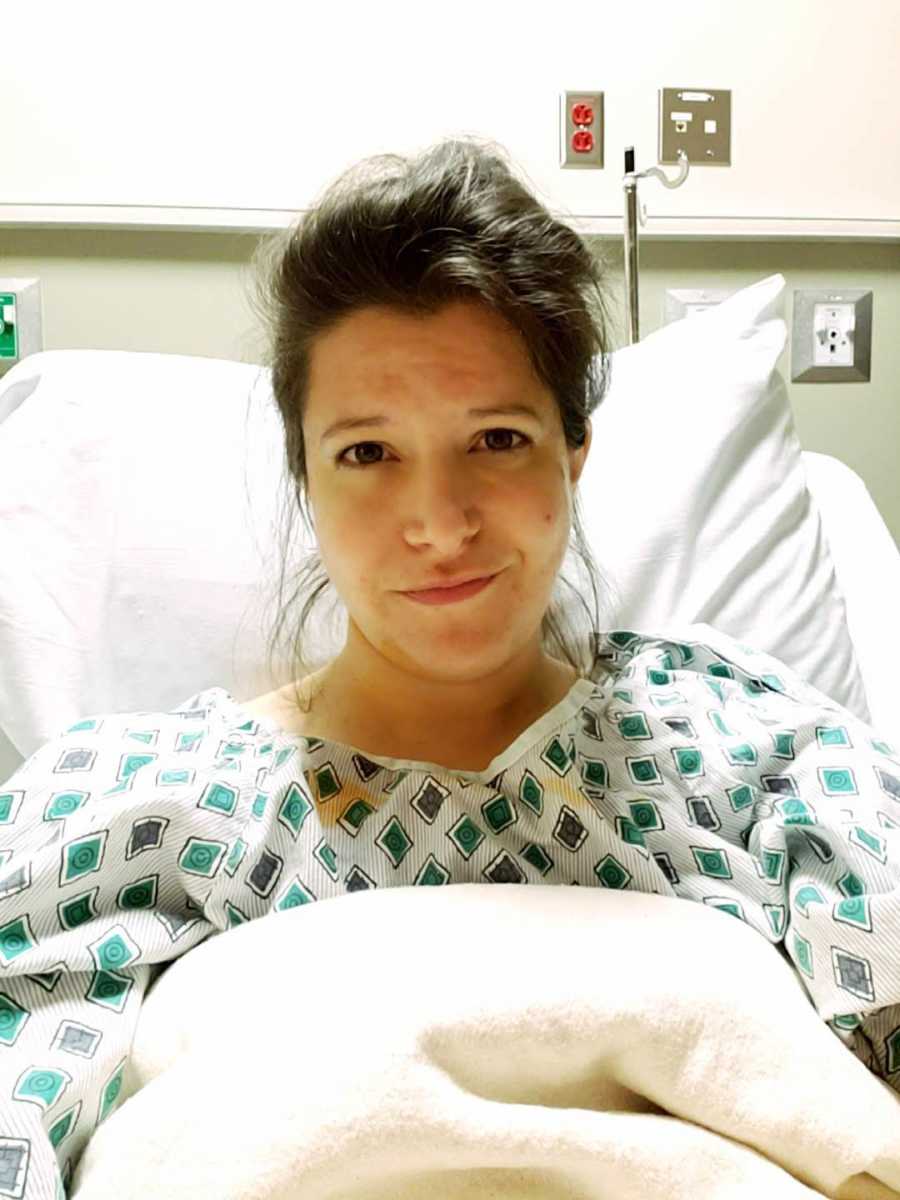
I debated even telling my doctor, but the lump hadn’t gone away, and I only saw her once a year. So, I brought it up. Thankfully, I advocated for myself. My doctor decided to play it safe and sent me for screening. Because of my age, I needed both a mammogram and an ultrasound. My dense breast tissue made the mammogram inconclusive, but the ultrasound revealed the truth.
“So… you have cancer. We need to schedule a biopsy.”
Wait, what? Cancer? Did my doctor just say the wrong C-word?
The news hit just a week after my aunt passed from pancreatic cancer. It had been a grueling three years of treatments for her, and my mom, her primary caregiver, had only just begun to rest after doctor visits, hospice, and the funeral—rest that lasted three short days.
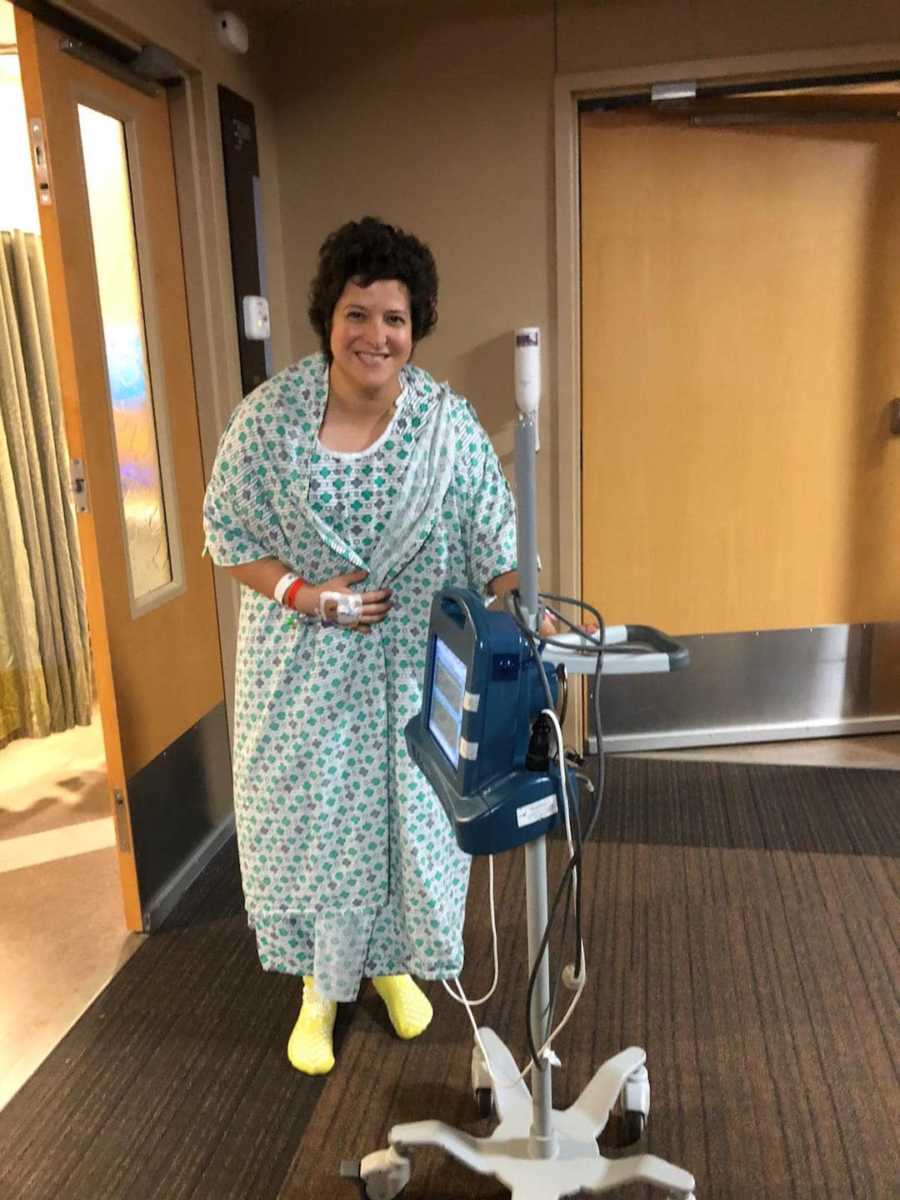
Facing cancer in the middle of the Bering Sea wasn’t feasible. My oncologist advised staying home for treatment. While many women work through chemo, my doctor warned that starting a new job only to miss days for surgery or feel too sick from chemo would be pointless.
I scoffed. I’ve been horribly seasick, puking on nearly every boat I’ve worked on, and I’ve pulled 36-hour shifts straight. Fatigue and nausea from chemo? That sounded manageable. I could handle it. Surely.
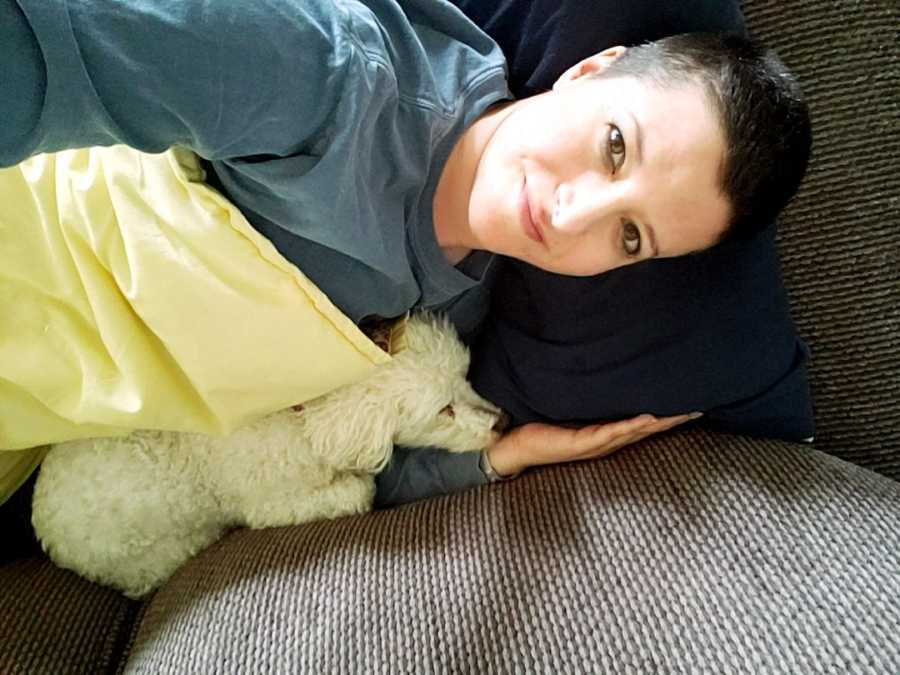
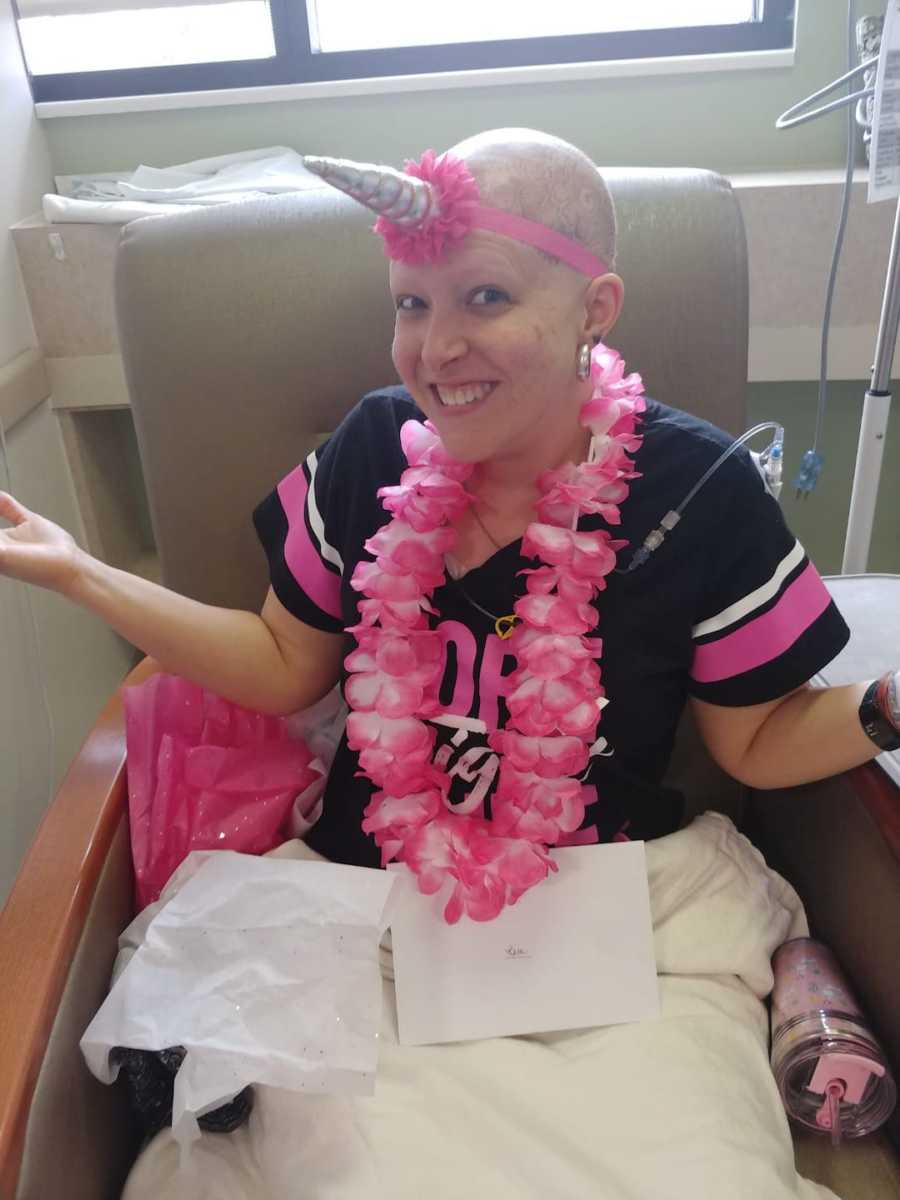
Then came the reality: there’s natural exhaustion and queasiness, and there’s chemo-induced nausea and fatigue. Those four months of dose-dense chemotherapy were grueling.
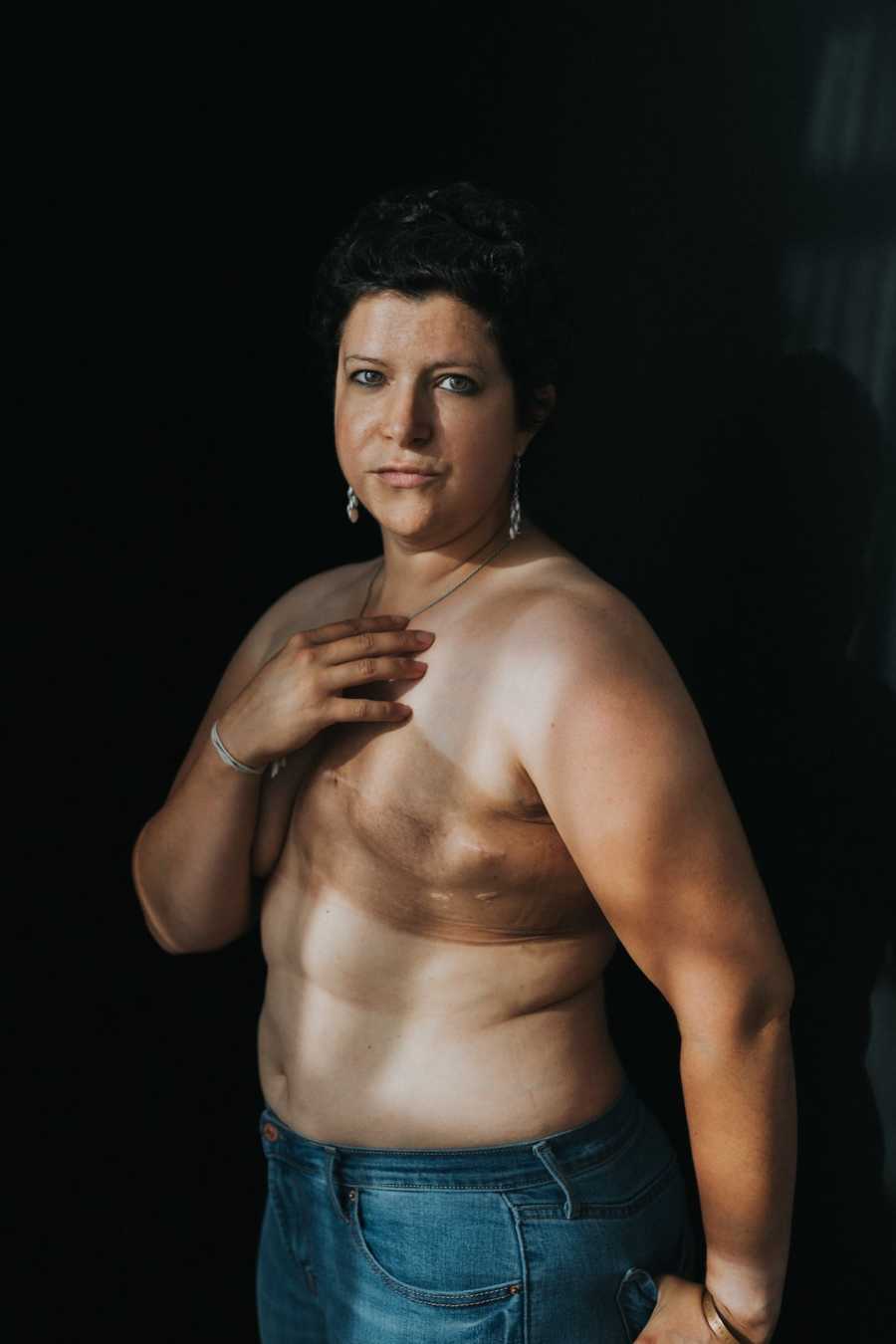
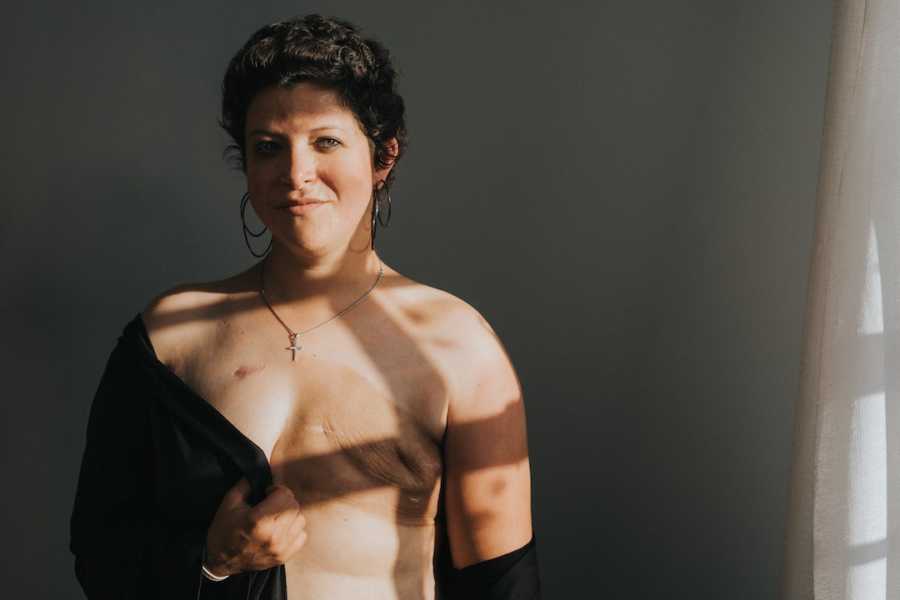
Perhaps because I had always imagined I’d face cancer someday, the diagnosis itself didn’t shatter me. That doesn’t mean I welcomed it. I grieved my diagnosis. I grieved the loss of my breasts. I cried when I shaved my head. I worried over the statistics of triple-negative breast cancer, its recurrence rate, and the 5-year survival odds.
But what hurt the most wasn’t the cancer itself. It was the sudden loss of my job, the derailment of my travel plans, and the uncertainty about my future. My life on the boats was a “work hard, play hard” existence: months of intense work, followed by adventure in new countries. Since starting, I had visited six countries, learned scuba diving, and explored many states in the U.S.
That summer, when I found the lump, I had a five-year plan I was ecstatic about: six weeks in Thailand, two months backpacking in Africa, Antarctica the following year. One word from a doctor erased it all. My job certification would expire, and I felt directionless, like the best years of my life had already passed.
I had even purchased extra pages in my passport for upcoming adventures. After my diagnosis, those pages—and my Thai visa—sat untouched in a drawer.
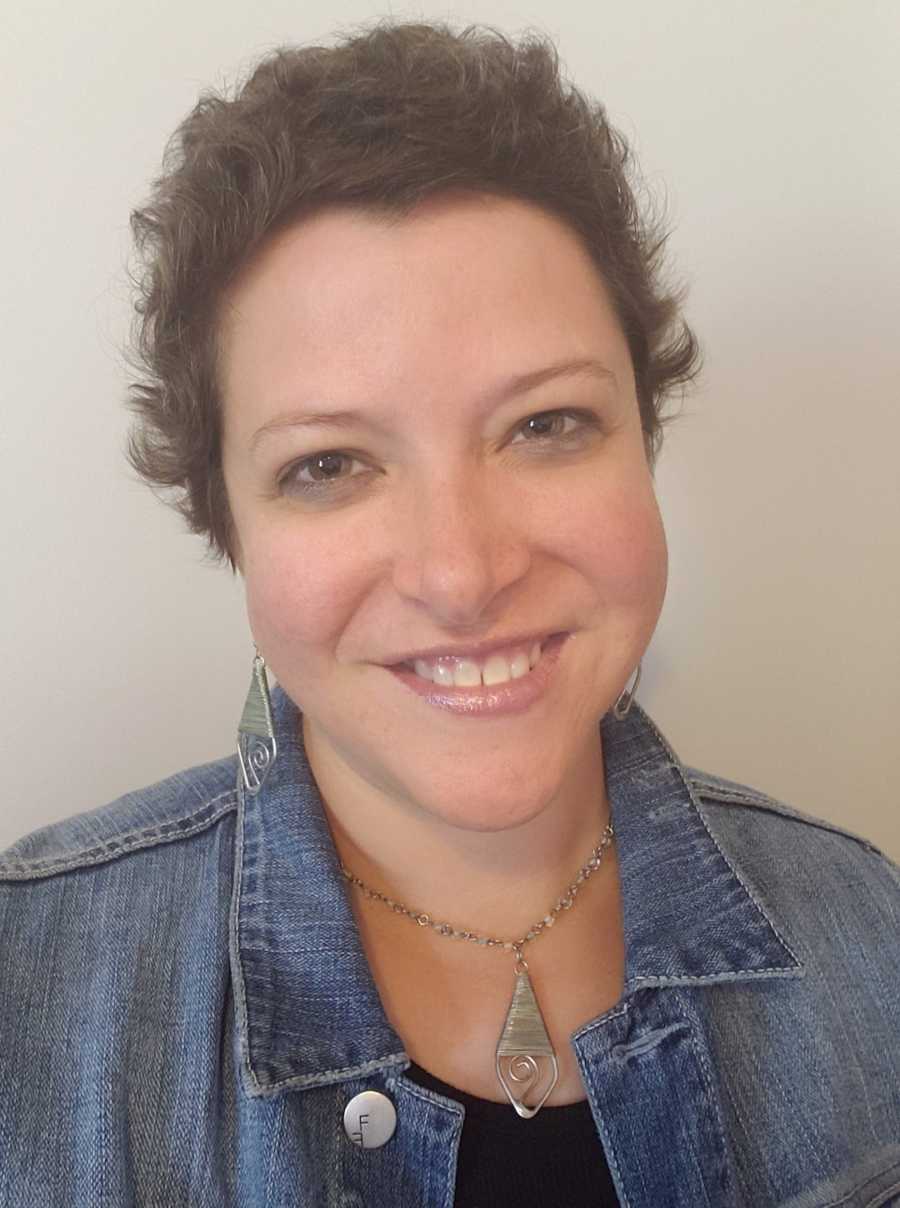
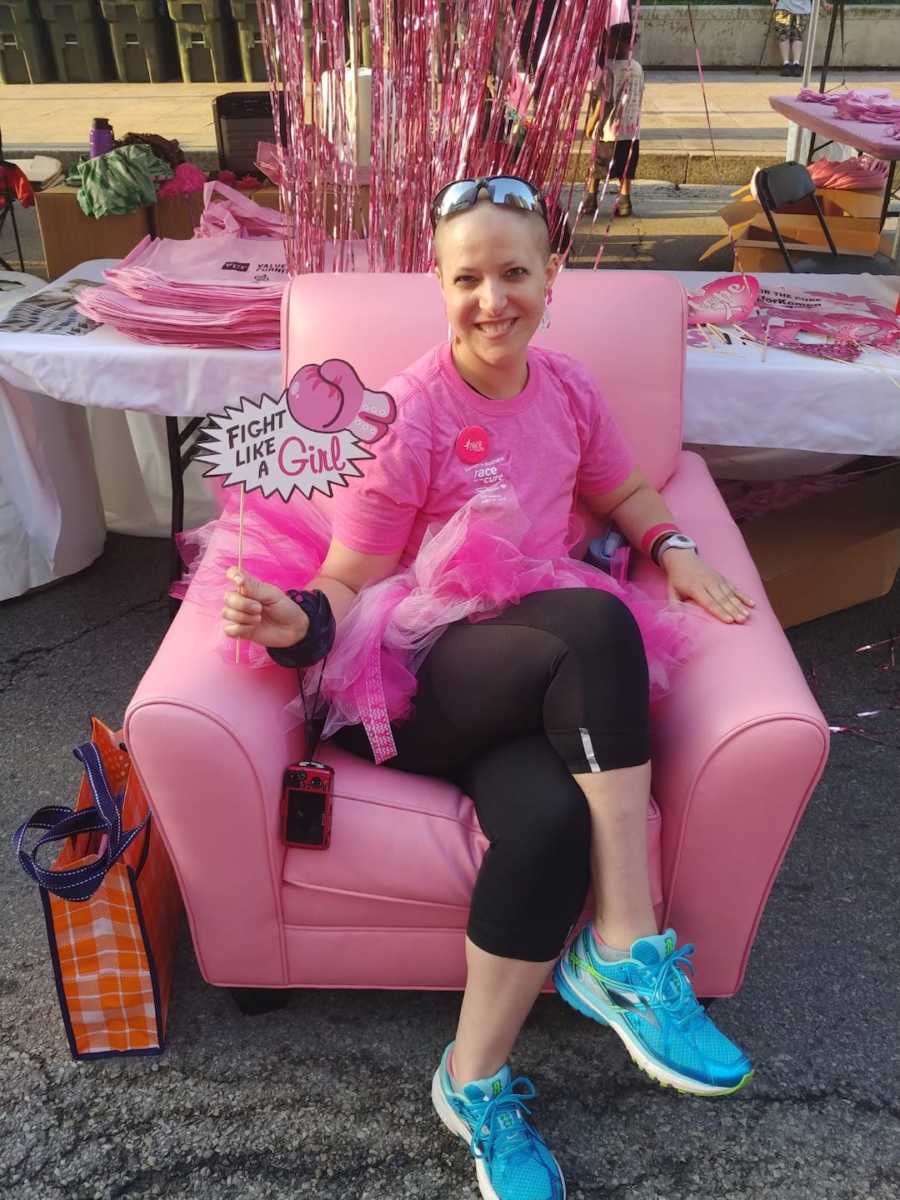
Instead, I had to find a new way to explore. Between COVID and medical appointments, I discovered adventure closer to home. I started a blog, Adventure After Cancer, to document my experiences and share tips for others facing a diagnosis. It became a way to remind myself—and other survivors—that life after cancer is still full of joy, beauty, and exploration.
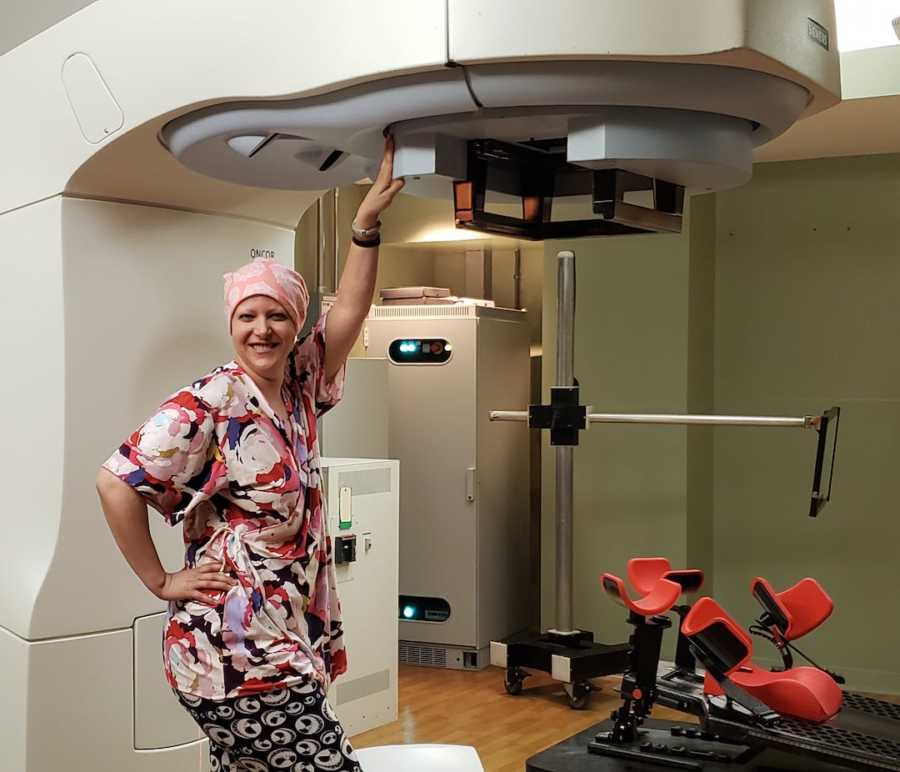
Nearly two and a half years later, I finally feel like myself again. Chemo’s side effects have mostly faded, my radiated chest is healing, and I’m done with reconstruction surgeries for now.
I’m also starting a new chapter. In March, I’ll train as a biologist on commercial fishing boats out of Hawaii. It’s similar work to Alaska, though with its own challenges—pooping in a bucket and showering with a hose on deck, for weeks at a time—but also perks, like exploring Oahu while on land. For a single, adventure-loving gal, it’s a dream come true: a job that blends hard work, travel, and discovery.
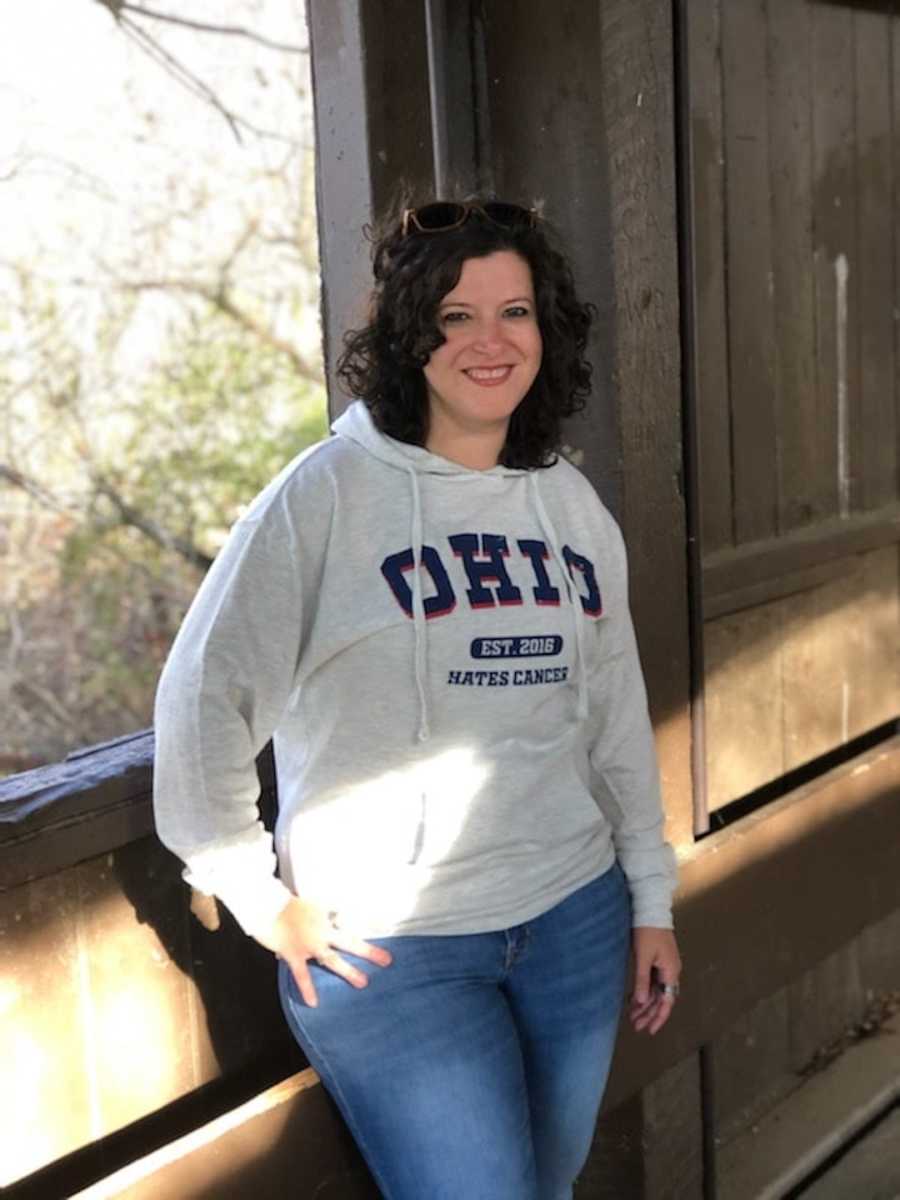
Cancer doesn’t grant enlightenment or automatic wisdom, but it does make time feel precious. It forces us to look mortality in the eye and embrace the things we want to do, the experiences we want to seize.
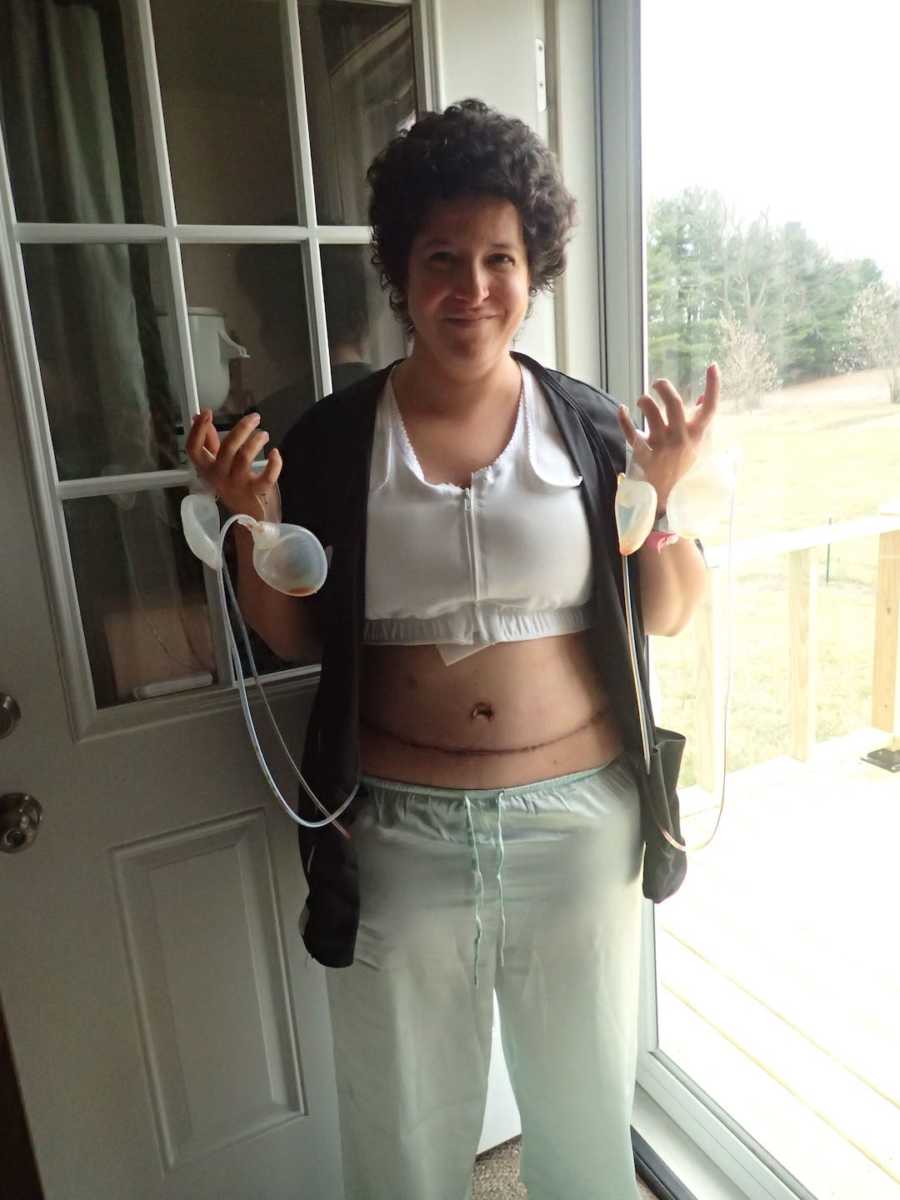
I’m thrilled to return to a life I love, filled with work, travel, and adventure that fuels gratitude and excitement. To anyone who has faced cancer, I hope my story inspires you to seek adventure, joy, and purpose even after diagnosis. And to those fortunate enough to have never had cancer, I hope it reminds you to live fully, treasure your health, and never take a single day for granted.