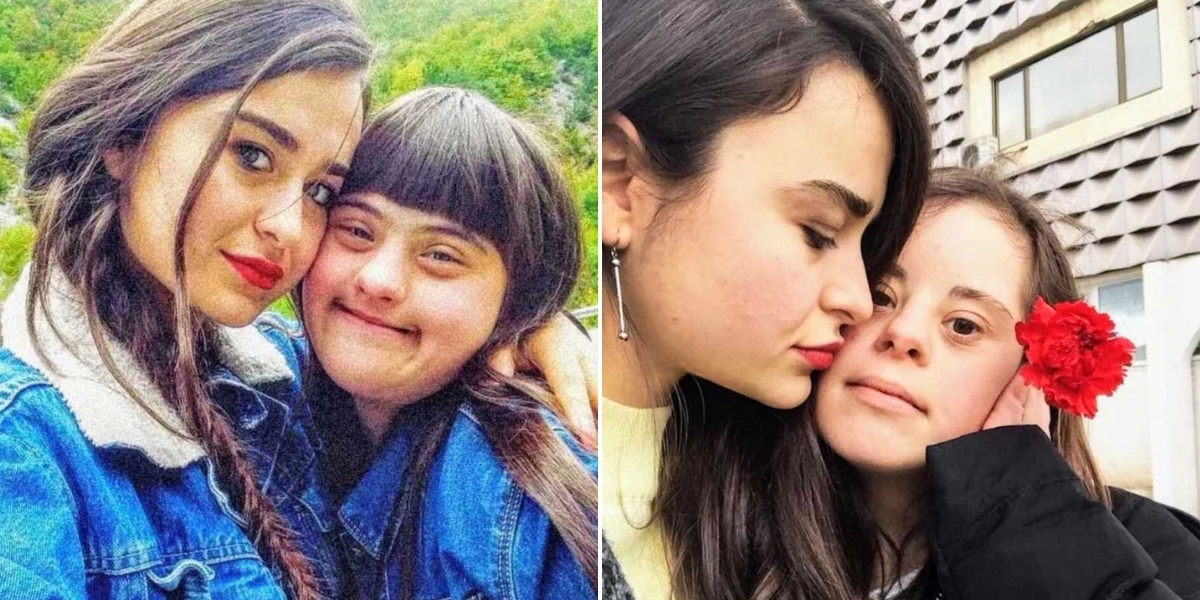
My name is Fjolla. I was born in 1993, the same year my cousin Meriton came into the world. As a child, I never understood why people would stare at him, whisper behind his back, or treat him differently. No one ever explained to me that Meriton had special needs. I was seven when I first learned he had Down syndrome, and at that age, I had no idea what that really meant. My parents told me, simply, that Meriton needed a little extra help to learn some things. That simple explanation sparked something in me—it became the reason I decided to dedicate my life to supporting people with an extra chromosome.
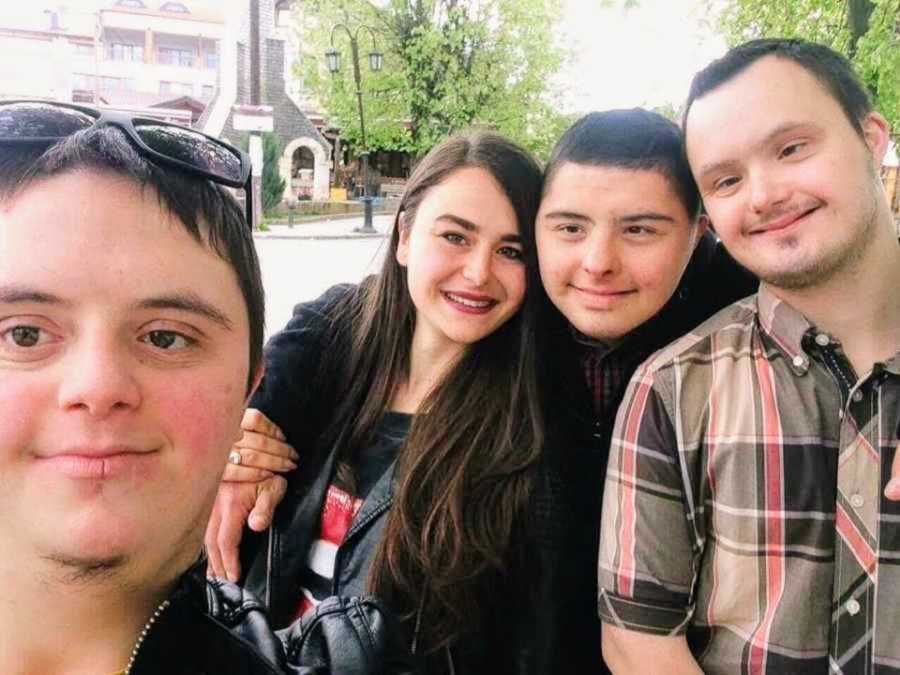
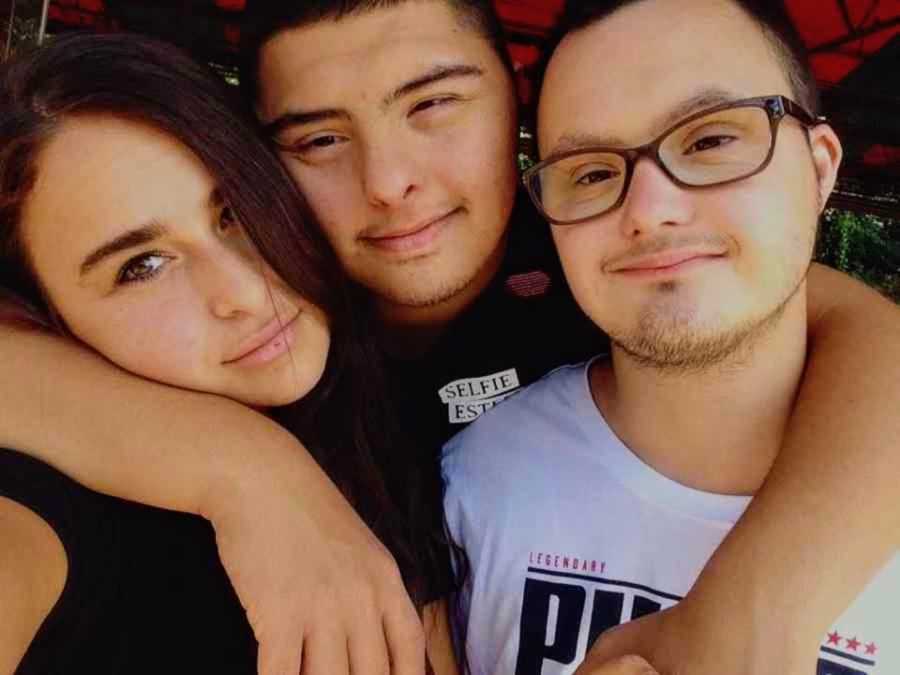
As a child, I had no concept of how challenging life could be for him, or how unkind some people could be. By the time I was a teenager, I spent nearly all my time with Meriton and his friends, Aldi and Lili. We would go for coffee, stroll through the park, or simply hang out—everywhere and anywhere. I found myself teaching them how to navigate prejudice and build independence. But in reality, they were teaching me, quietly and profoundly, how to be a better human being, without me even realizing it.
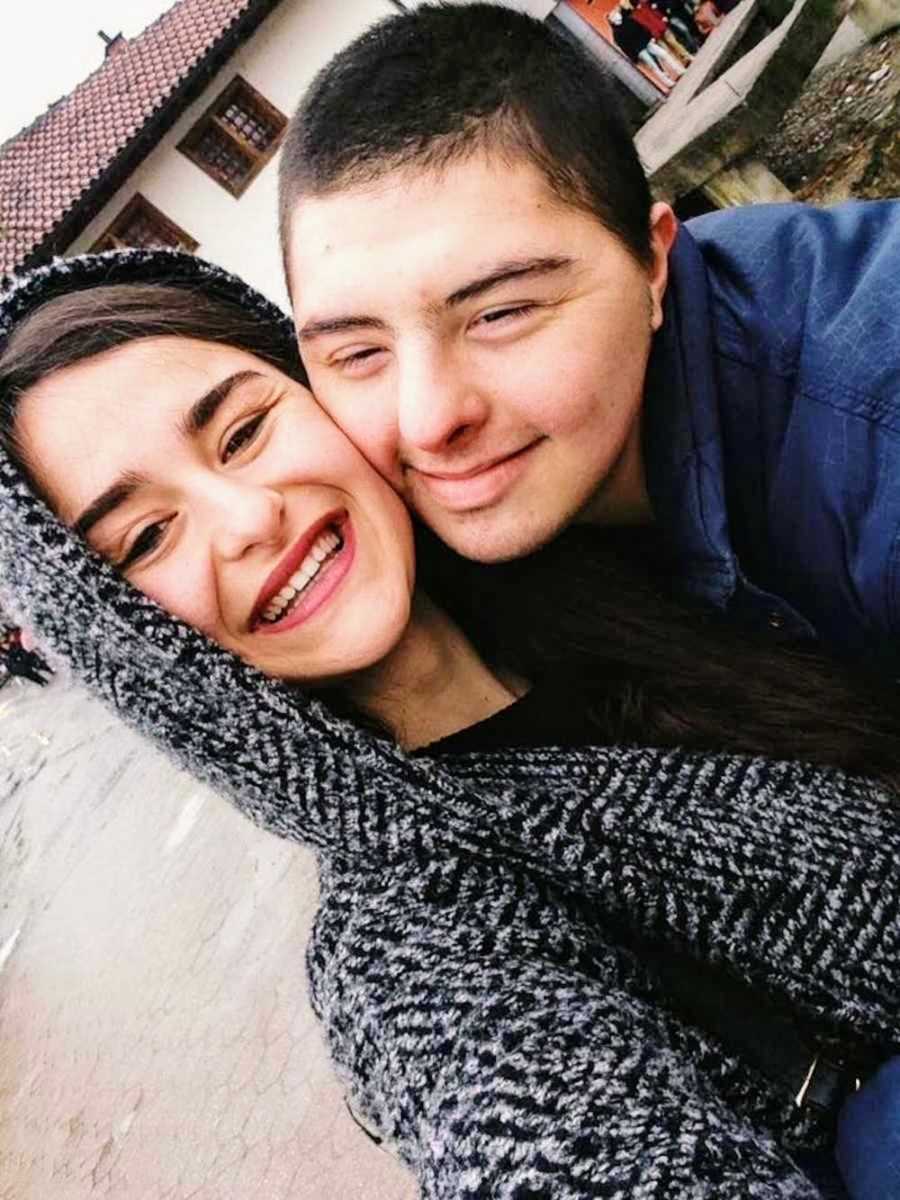
You could see the discomfort in people’s eyes when they encountered Meriton and his friends, and I struggled to understand why my peers couldn’t treat all people simply as people. Imagine being a teenager with Down syndrome, living in a society where acceptance is rare and kindness is conditional. I chose to step in, to do what I could to support them, to be their ally in a world that often wasn’t kind.
In 2011, I took my commitment further and became a volunteer at Down Syndrome Kosova. I wanted to make a bigger impact for the people I loved most. I attended trainings on raising awareness about Down syndrome, on early intervention, and on advocacy. I wanted to help amplify the voices of those who often went unheard. Sadly, even today, many of those voices remain overlooked.
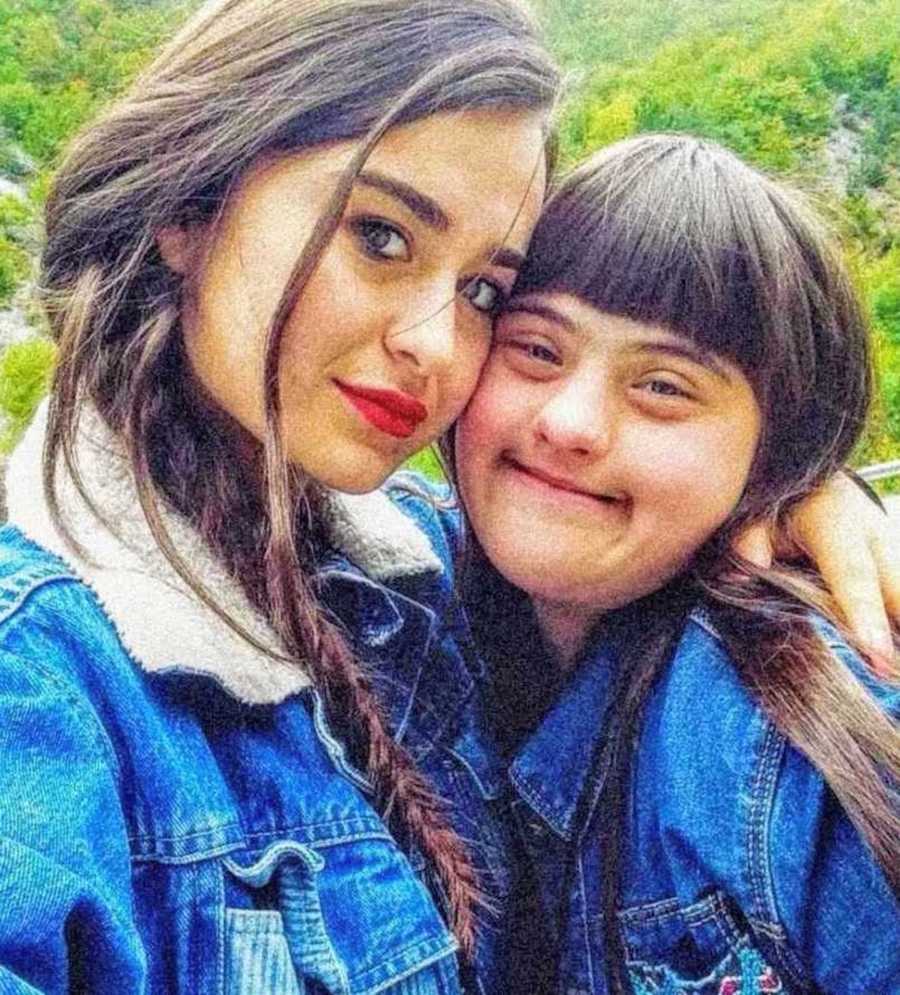
Through it all, my friends with Down syndrome have taught me one of the most valuable lessons: to be myself. They see the goodness in people, accepting me as I am without judgment. Over time, I also learned the power of language. I discovered that how we talk about Down syndrome matters. It’s the difference between saying “those who are sick with Down syndrome” and “people who have Down syndrome.” Words shape perception, and changing them can change the world.
There are many misconceptions about people with Down syndrome. I’ve often heard, “They die very early, no one lives past fourteen or fifteen.” In reality, the life expectancy for people with Down syndrome has improved drastically—today, many live into their 60s, thriving in communities, working, and loving.
I’ve also learned ways to reframe everyday phrases that carry unconscious bias:
- Instead of “They can’t do anything alone,” say, “They might need a little help to achieve their goals.”
- Instead of “I’ve seen you with that sick friend,” say, “I’ve seen how happy you are with your companion.”
- Instead of “You have a lot of nerve and patience to spend all your time with them,” say, “How lucky you are to be surrounded by so much love.”
Other common misconceptions include:
- “Those people all look the same.” In reality, while some features may be similar, they resemble their families and are as unique as anyone else.
- “Those people are always happy.” People with Down syndrome experience the full range of emotions, just like everyone else.
- “Those people you are dealing with.” They are not “those people.” They are friends.
- “Your friends are not normal.” They are friends with disabilities—or simply, friends.
- “Children with Down syndrome are born to older mothers.” Any mother can have a child with Down syndrome.
- “They are a burden to society.” With a little help, people with Down syndrome can live independently and actively contribute to society.
- “I feel so bad for their families.” Instead, recognize the joy and love these families share in celebrating their children as they are.
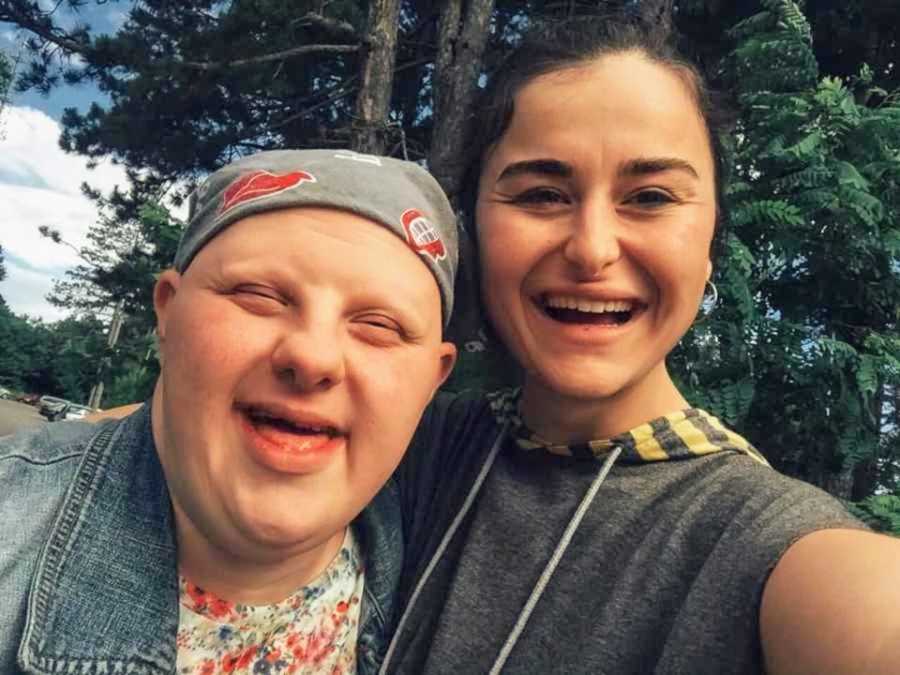
When I first heard comments like these, I was shocked. How could people think this way about another human being? But over the years, I’ve learned to let it roll off me. Words can hurt, yes—but pure love exists, and my friends with Down syndrome are living proof of it. They teach me about patience, kindness, joy, and unconditional love every single day. Knowing them has been one of the greatest gifts of my life, and I am endlessly grateful.