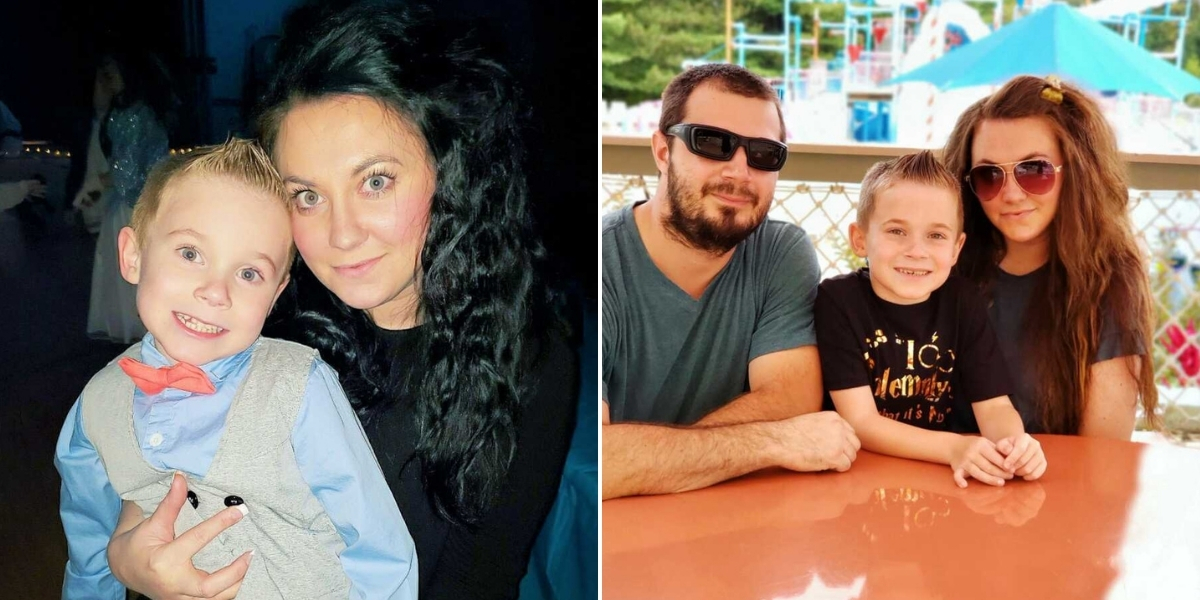
I’m scheduled for brain surgery in the next week or so, and I still can’t fully wrap my mind around it. There are so many emotions rushing in at once—fear, hope, confusion, gratitude—and just as many unknowns. Who would have imagined that I’d be preparing for a life‑saving surgery in the same month dedicated to raising awareness for the very condition that is threatening my life? Maybe it’s a sign of good luck, or maybe it’s a powerful wake‑up call reminding me that my journey is far from over. I’ve never considered myself a particularly religious person, yet I have never felt closer to God than I do now. At this point, I’m surrendering, trusting the people caring for me, and placing the future in hands greater than my own.
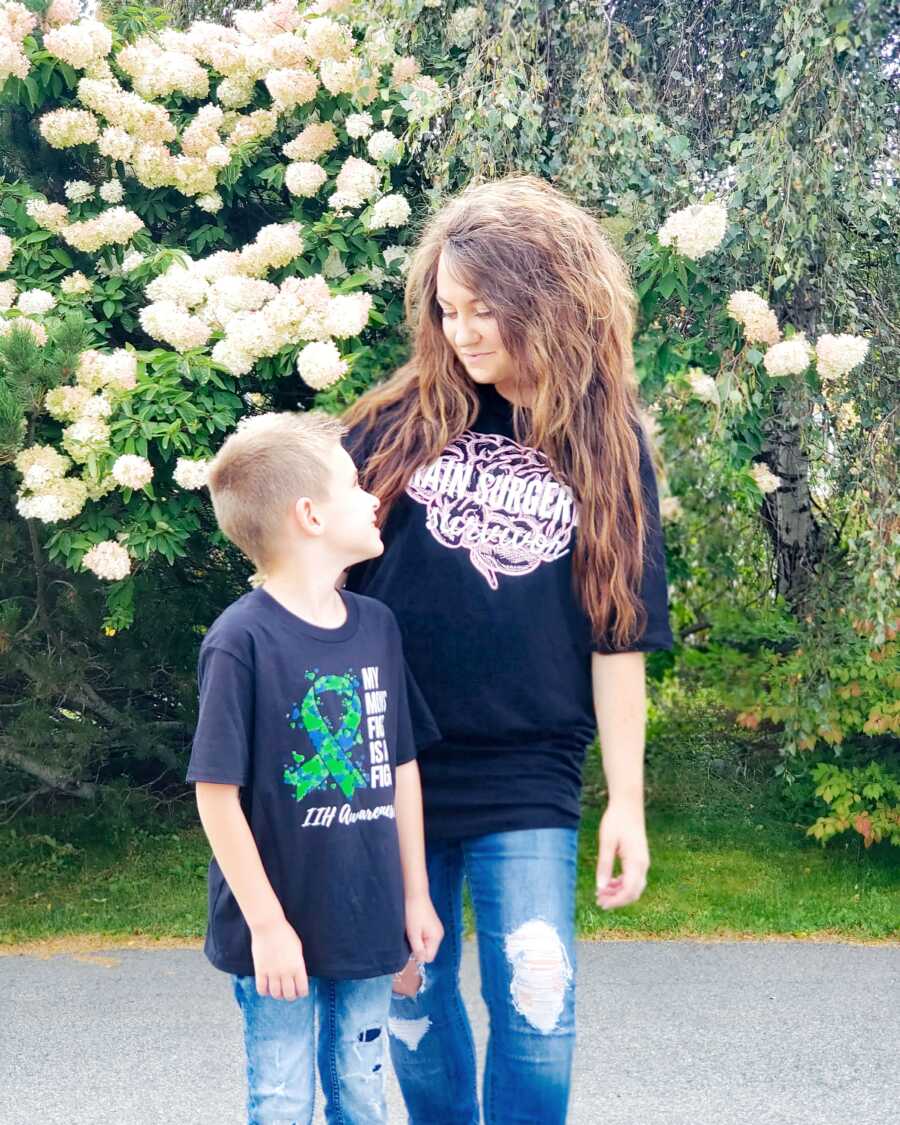
Knowing this month is meant to raise awareness for Pseudotumor Cerebri—also called Idiopathic Intracranial Hypertension—has added a whole new layer of fear and uncertainty. It’s heartbreaking to speak up about something that has no cure, especially when you can feel your own brain and body slowly deteriorating. This invisible illness is almost impossible to describe to someone who hasn’t lived it. Listing the symptoms doesn’t come close to showing what it feels like to carry around a body that won’t cooperate no matter how desperately you try.
All my life I sensed something wasn’t right, but it wasn’t until 2020 that anyone finally began to listen. What I’m sharing now is my raw experience living with this disease—alongside the many health complications that come with it. So many of us with invisible illnesses feel like we’re living the real‑life version of Finding Dory: forgetting things minutes later, walking through life with a head that feels ready to burst, and pretending it’s normal.
Nothing we take truly removes the pain. At best, medication dulls it; at worst, it fails completely, leaving brain surgery as the looming “last option.” We end up trapped inside bodies that no longer feel like ours, grieving the person we used to be. The anxiety, the depression, the constant adapting—it all becomes part of survival. We try so hard to return to who we once were, but mentally and physically we just can’t. So we suffer quietly, even when we’re surrounded by others.
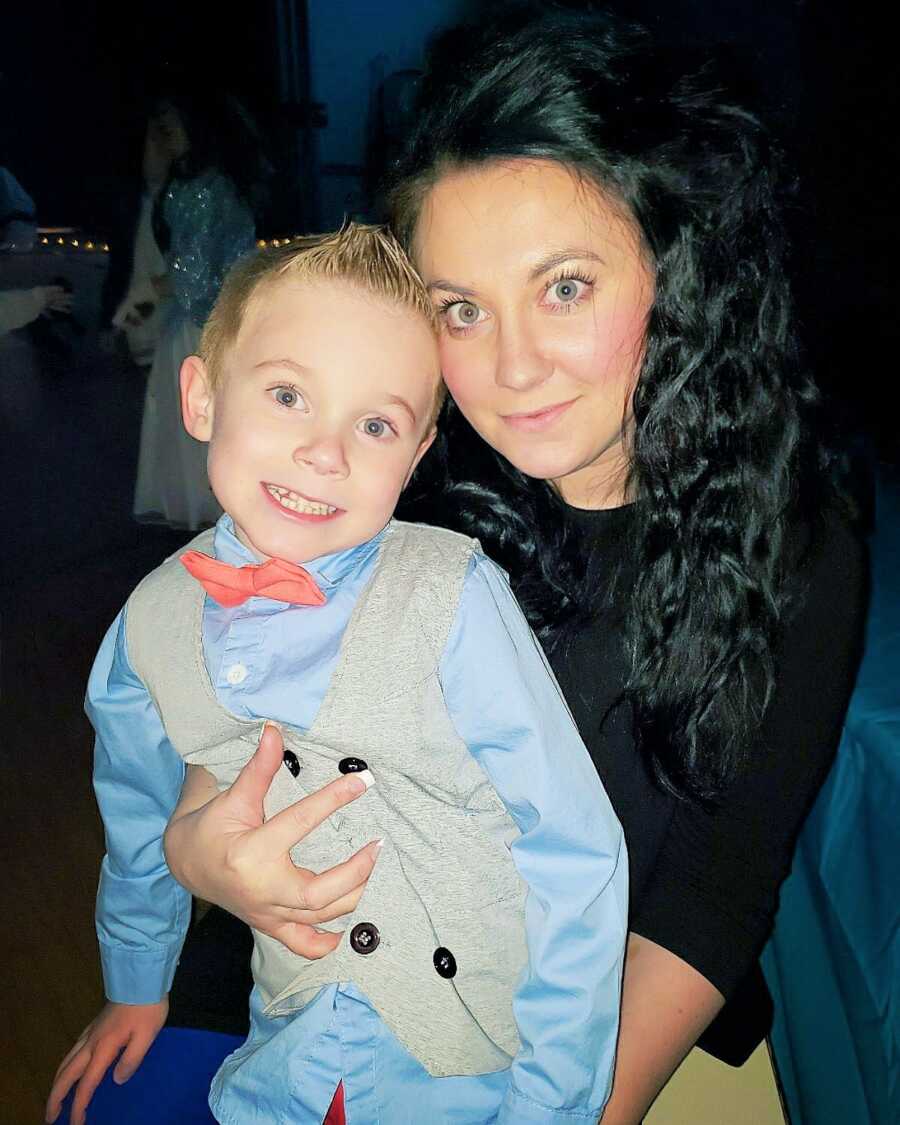
No one really talks about the severity of this. How much it changes your life. How terrifying it is to wake each day wondering if this is as good as it will ever get. The pain follows us everywhere—to work, into daily tasks, and most painfully, into parenthood. Being a mother with a child who looks up at me, expecting strength I don’t always feel, may be the hardest part of all.
I constantly worry I’m failing him. Yet somehow, all he sees is a mom doing her very best. People rarely acknowledge how heavy this illness is on our families, too. Our pain drains our energy until there’s almost nothing left to give, and our loved ones are left watching, helpless. They experience guilt, fear, sadness, frustration—and every one of those emotions is valid.
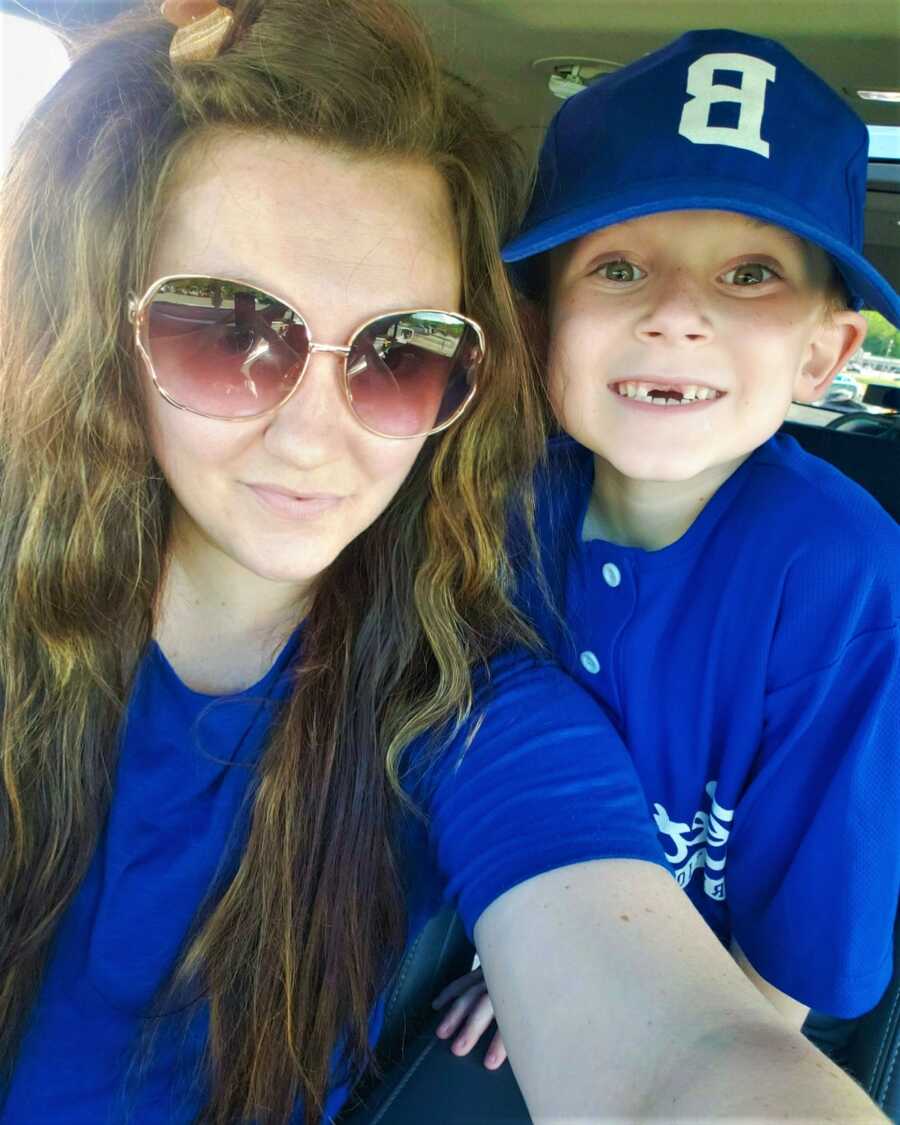
They want to fix it but can’t. Some even distance themselves because it’s too painful to face, which hurts deeply, even if we understand. Talking openly about these feelings is essential, because our pain doesn’t erase theirs. They are just as lost and scared as we are, even if they don’t show it the same way.
No one tells you how crushing the pressure on our optic nerves can be, or how we could lose our vision at any moment. One day we see clearly, the next everything blurs. Our ears and noses leak from fluid buildup, our veins can’t drain properly, and the unpredictability becomes exhausting. We can feel fine one day and barely function the next, knowing life will never fully return to what it was.
IIH alters everything—our moods, thoughts, work, memory. We can literally feel the pressure shift when storms roll in, and it’s enough to make us physically ill. The ringing in our ears, the exhaustion, the aches across our entire bodies, the medications that barely touch the pain—it all piles up while we try to keep moving forward.
On top of that, many doctors don’t fully understand this disease. Some dismiss us, blame our weight, or claim it’s “all in our heads.” They overlook the hormonal chaos, the immune issues, the dizziness, and the fact that weight gain can actually be part of the illness—not the cause. We’re brushed aside, labeled dramatic, and sometimes not treated seriously until it’s too late.
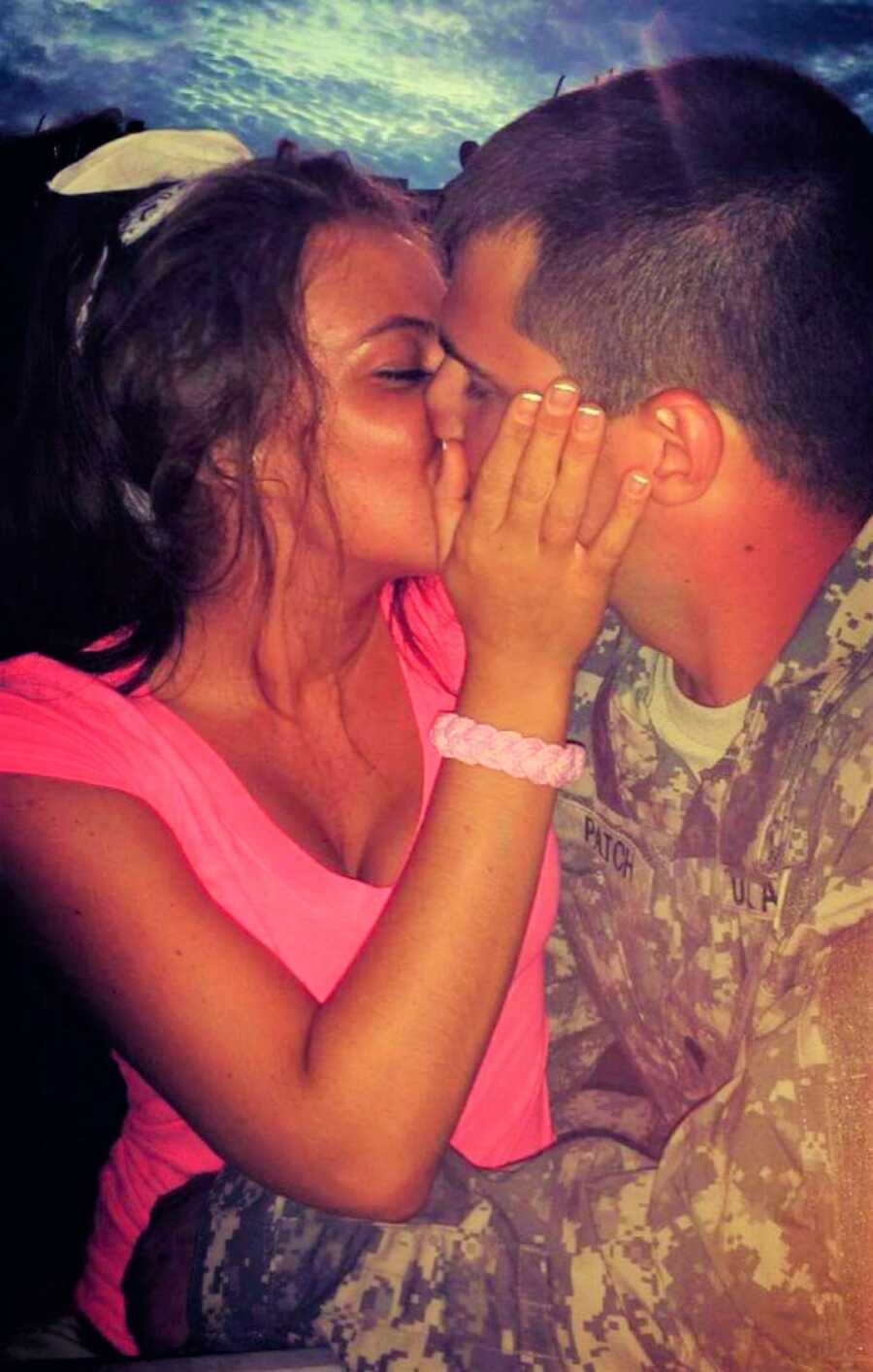
If IIH isn’t managed properly, swelling can lead to stroke. Spinal taps may bring brief relief, only for the pressure to build again. The strain on our brains can even affect our hearts. Every day, the fluid accumulates, making our bodies work overtime to simply keep us alive. The pain radiates from our heads into our necks, spines, joints—even down to our fingertips—until everything throbs with pressure.
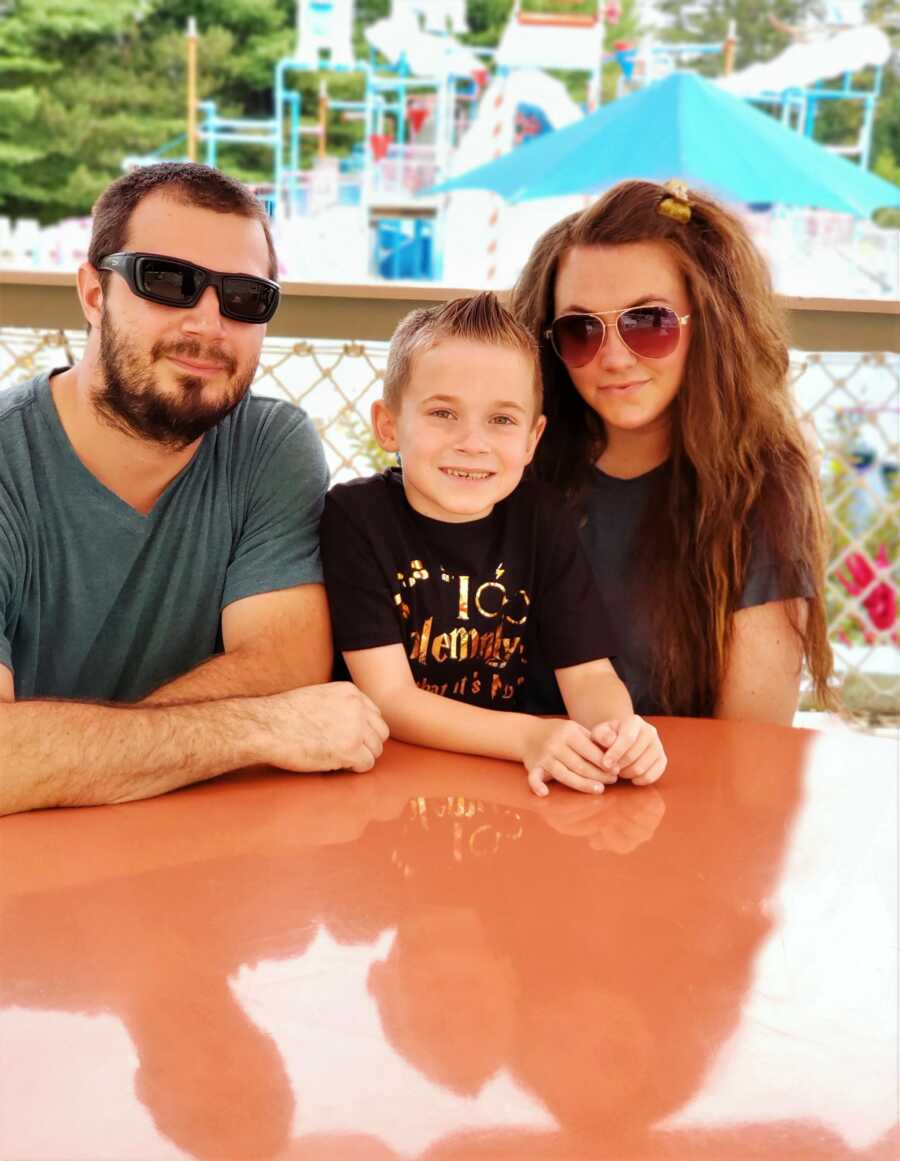
It’s not just pain—it’s never‑ending pain. It’s missing out on life, losing parts of ourselves, being doubted by medical professionals, fighting insurance battles, and drowning in bills. It’s losing friendships, mobility, independence, and sometimes self‑worth. It’s guilt, insomnia, and exhaustion all wrapped together. It’s loneliness, uncertainty, and the fear of what comes next. And yet, this is the reality so few talk about.
Still, I’ve made peace with one thing: there is hope. Hope for remission. Hope for treatments and surgeries that might work. Hope that one day someone will discover a cure.
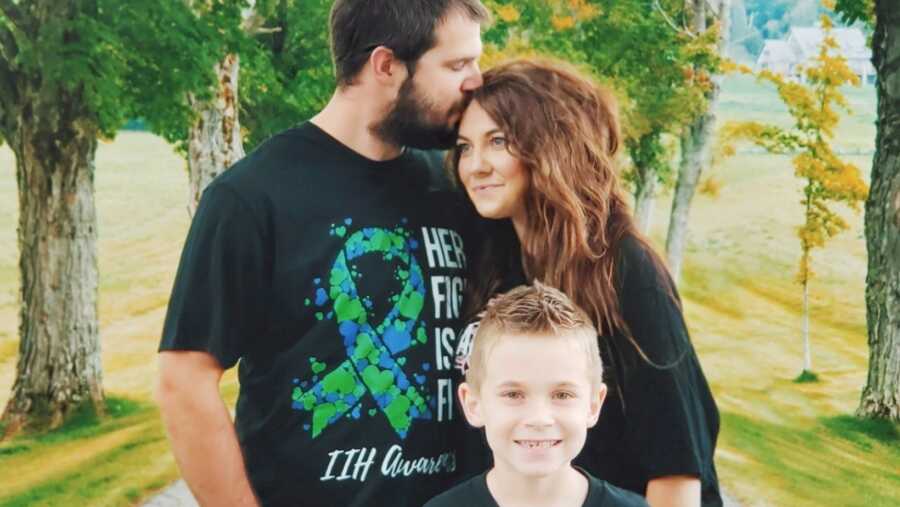
My family keeps me fighting. If you’re worn down, hopeless, or clinging to the faintest light, I see you. We are warriors—rare, one in 200,000—and we’ve survived more than we thought possible. I refuse to give up, and I hope every IIH warrior stands beside me in that decision.
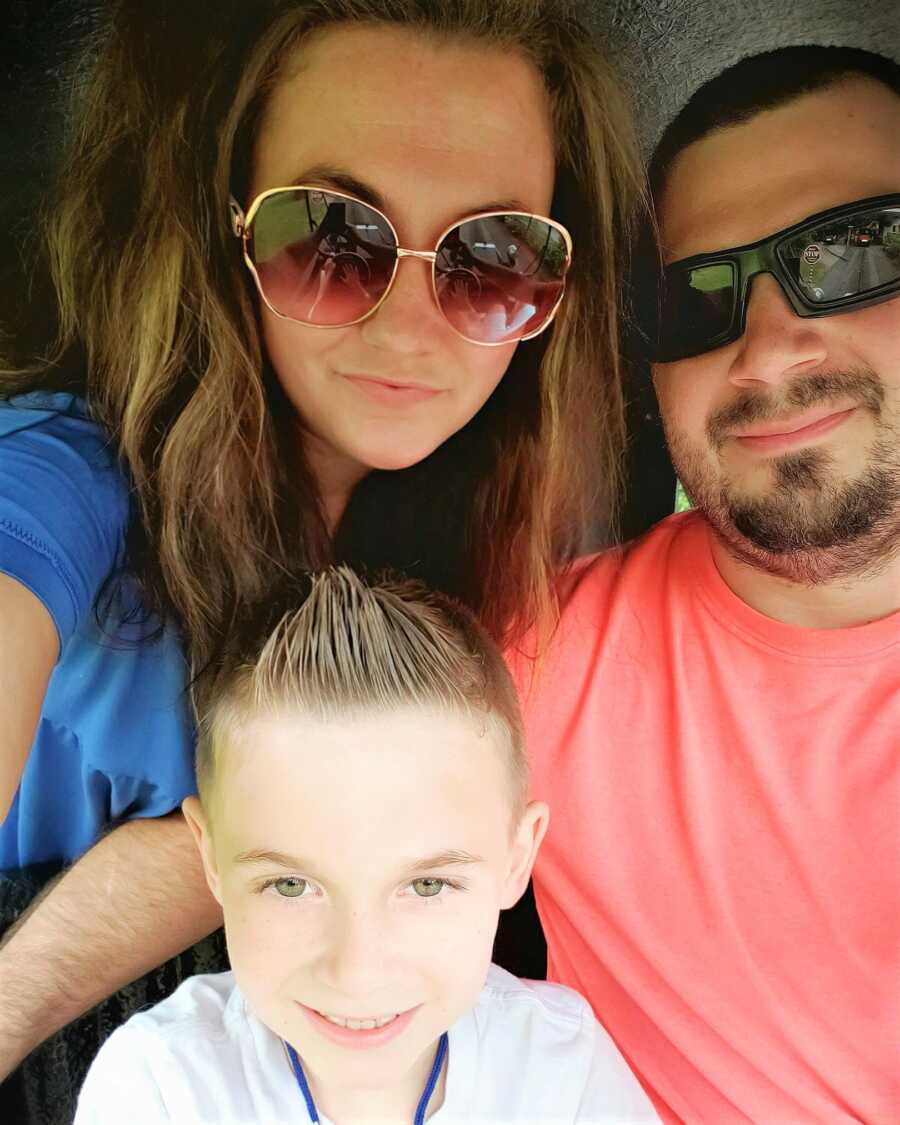
I’ve learned strength I never imagined I had. This disease may stay with me, but it will not own me. I am still here. I am still fearless. I am still fighting—and I will always hold onto hope.
If you know someone battling a chronic or invisible illness, love them gently. Be kind. You may never see their pain, but it is there—every single day. I still believe in miracles, in peace, and in the possibility of something beautiful ahead.
My husband and son are my anchors, and my friends and community lift me constantly. It truly takes a village, and I am endlessly grateful for mine. If you pray, please keep us in your thoughts. Your support means more than you’ll ever know.