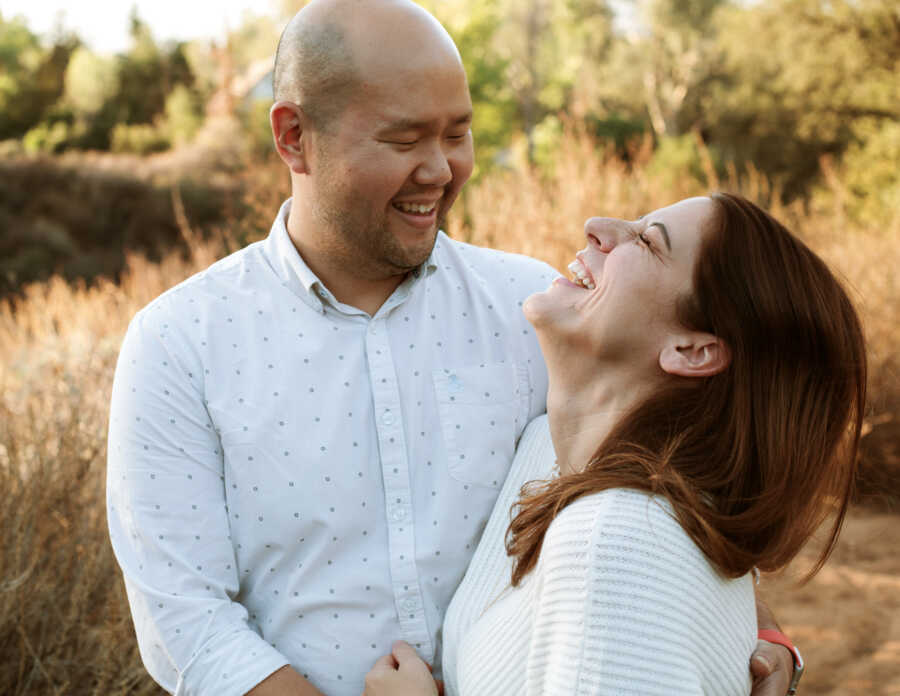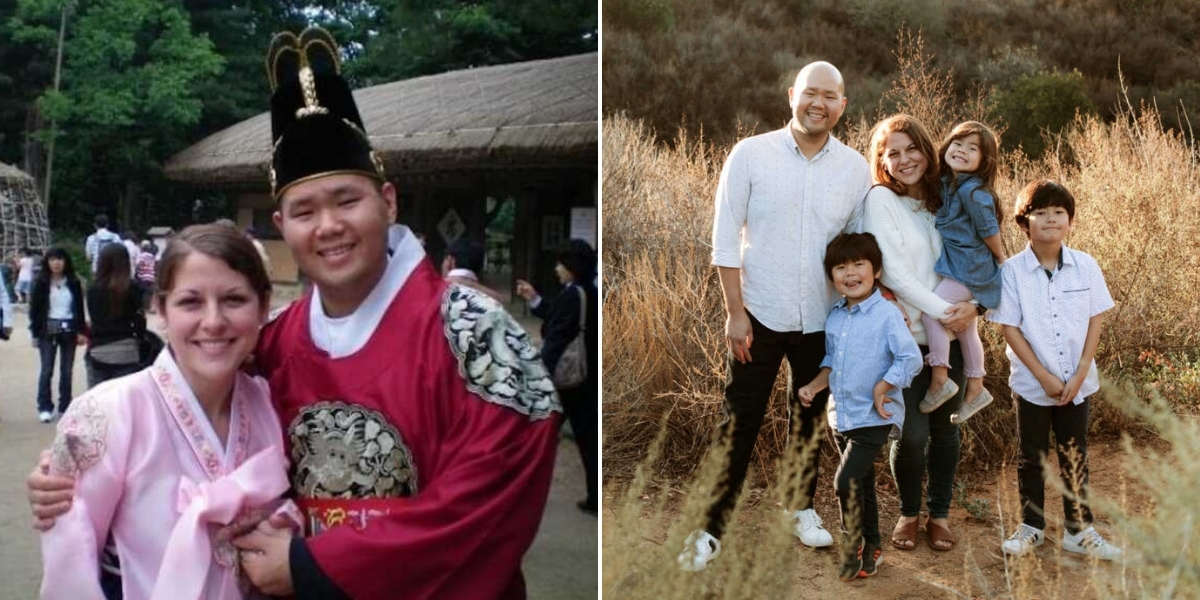
My name is Jenn, and being an avid Ohio State Buckeye seems almost written into my DNA. I was born in Ohio, and resisting the pull of scarlet and gray has always felt impossible. I adore anything related to baking, and if ice cream counted as a food group, I’d gladly sign up. I spent years teaching high school Family and Consumer Sciences before stepping into the beautiful chaos of being a stay-at-home mom, and lately I’ve begun dipping my toes into the world of writing.
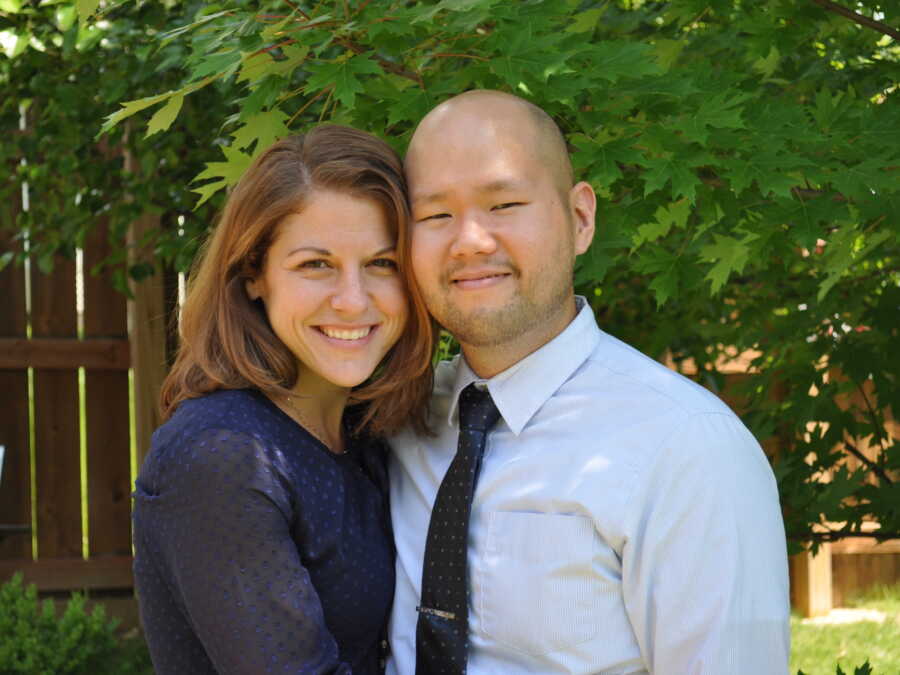
My husband, Young-Min, is the steady, joyful balance to my energy. We met in college when he accidentally serenaded me with his electric guitar, and I was instantly captivated—truly, like a moth to a flame. He is a breath of fresh air who continually reminds me to live with open hands and an open heart.
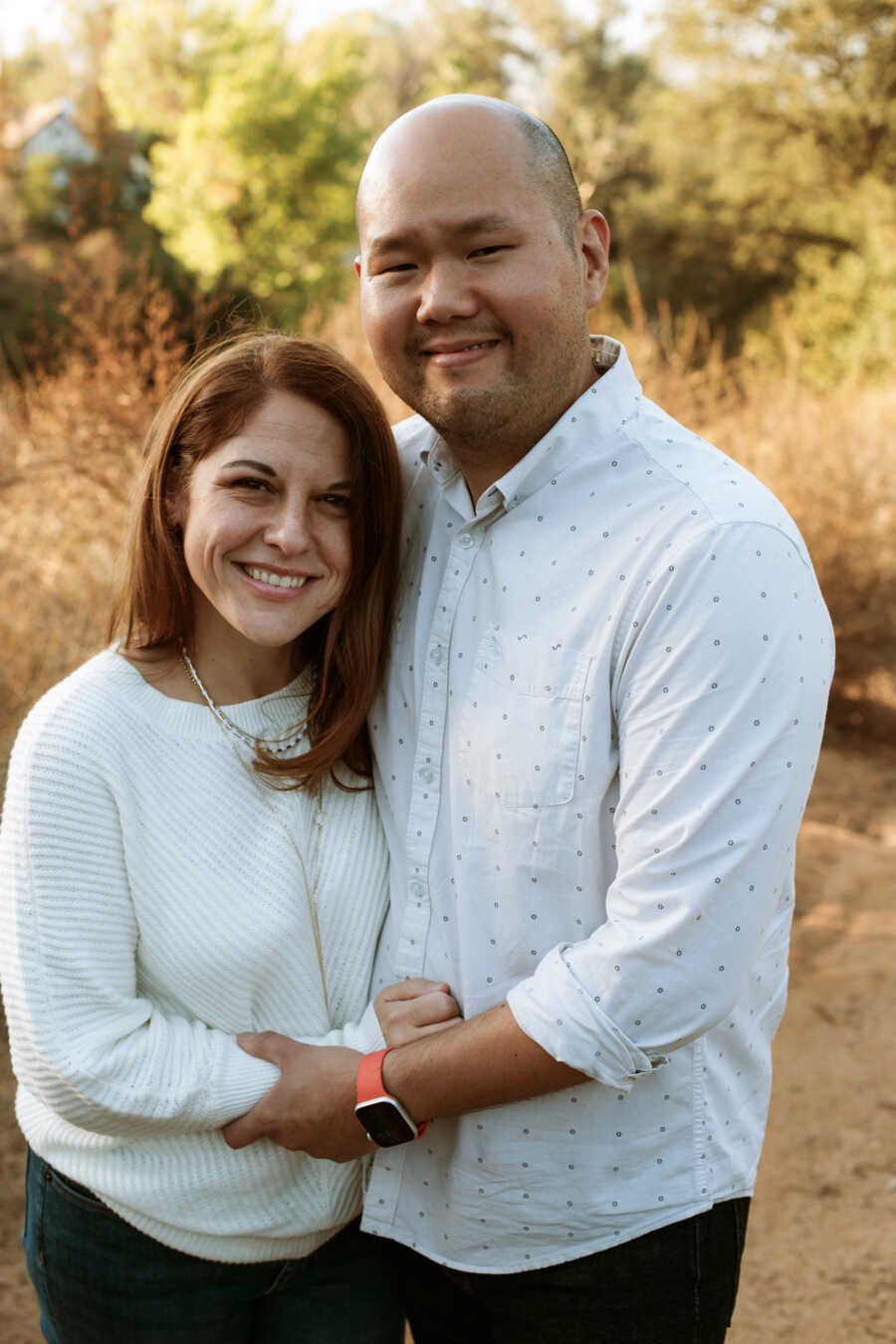
We dove headfirst into our relationship and never glanced backward. Fourteen years of marriage later, we’re still swimming side by side, learning, laughing, and somehow staying afloat together.
Along the way, we created three of the loudest, most beautiful children you could imagine. If you doubt it, come by around 4:30 p.m. any day and prepare your ears. Our kids, currently ages 3 through 9, seem to squeeze every ounce of joy out of life. As I write, our floors are covered in Pokémon cards I don’t understand and an endless minefield of LEGOs—step at your own risk. Peppa Pig, Bluey, and every member of the Paw Patrol are honored guests here, and I’ve learned more about dinosaurs in the last five years than I ever did growing up.
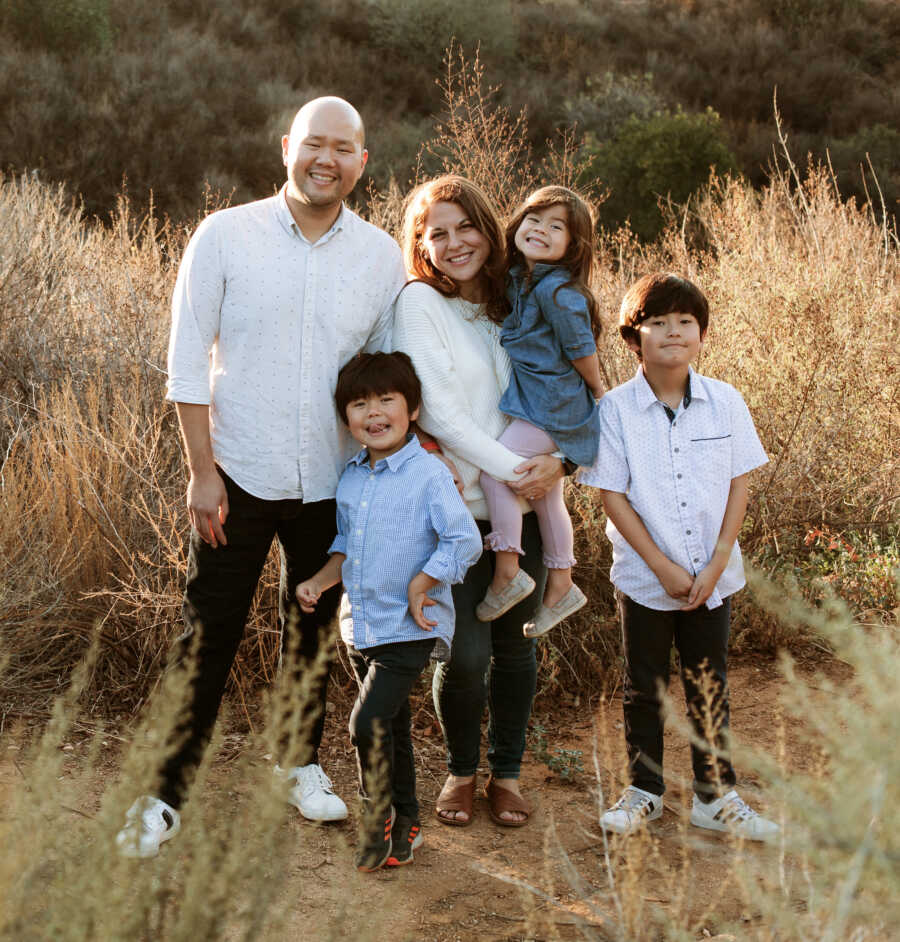
I truly love this life we’ve built.
Among the many pieces that make us who we are, two tend to stand out—whether we invite them or not: we are a biracial family, and we are a neurodiverse family. Either one alone challenges what some people still think of as “normal,” but I’ve learned to embrace anything that questions the status quo.
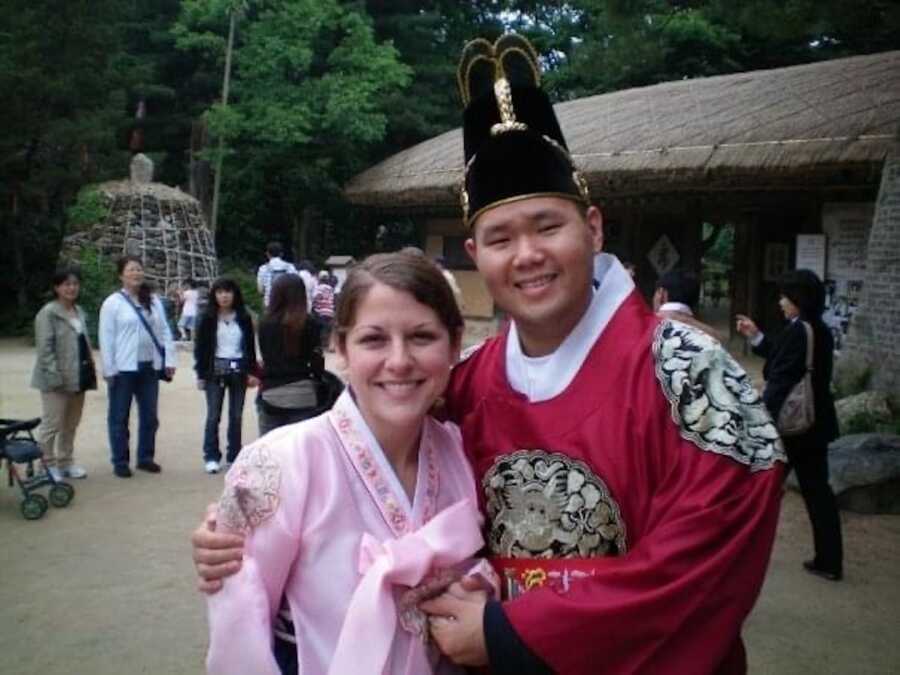
I am a white woman married to a Korean man. Our three children are biracial, and one of them is neurodivergent. None of this should feel extraordinary, yet in a world overflowing with harmful “-isms,” it often becomes exactly that.
My family has faced racism and ableism more times than I can count. My husband has story after story, ranging from subtle to blatant, but all carrying the same cruel message: You don’t belong. Even our children, heartbreakingly young, have encountered it. Unlike their father, I can’t always say I understand exactly how it feels, and that reality breaks me. But we show up. We listen. We name the injustice clearly and remind them it’s wrong. Most of all, we make sure they know that home will always be their soft landing place.
Our neurodivergent child lives with ableism every single day. Masking—hiding parts of themselves to fit into a world not built for them—is exhausting, confusing, and painful. They work so hard just to keep up, and often wonder why life seems easier for everyone else. They are honest, hilarious, wildly creative, and the thought that the world may never fully celebrate them is both devastating and infuriating.
Out of respect, I’m intentionally vague when I talk about this child. I use non-binary pronouns, avoid sharing diagnoses, and keep details private. Their story is theirs to tell. I’ve seen too many parents—often unintentionally—overshare about their neurodivergent children. So I try to walk carefully, speaking as an ally and advocate, not as a narrator of their life.
I also recognize that being white and non-disabled doesn’t exempt me from harmful biases. You can love a Korean man and still hold internal prejudices. You can parent a neurodivergent child and still perpetuate ableism. Intentions don’t erase impact, and the work of unlearning is ongoing. My privileges exist, but I can choose to use them thoughtfully.
Before meeting my husband, I knew almost nothing about Korean culture. I grew up in a small, rural town where everyone looked the same, believed similar things, and knew everyone else’s business. College opened my world, and marrying Young-Min somehow felt both surprising and completely natural at the same time. We were best friends, partners, and dreamers together — race never changed that. Instead, I gained an entirely new culture to love.
Hearing his lifelong experiences with racism changed my perspective. It didn’t just shift my worldview — it widened it. Suddenly, I could see privilege and injustice with clearer eyes. I also learned how deeply significant interracial relationships truly are, especially considering that, just 54 years ago, our marriage wouldn’t have even been legal. Imagining a world where loving each other could have meant prison is chilling, heartbreaking, and so profoundly wrong.
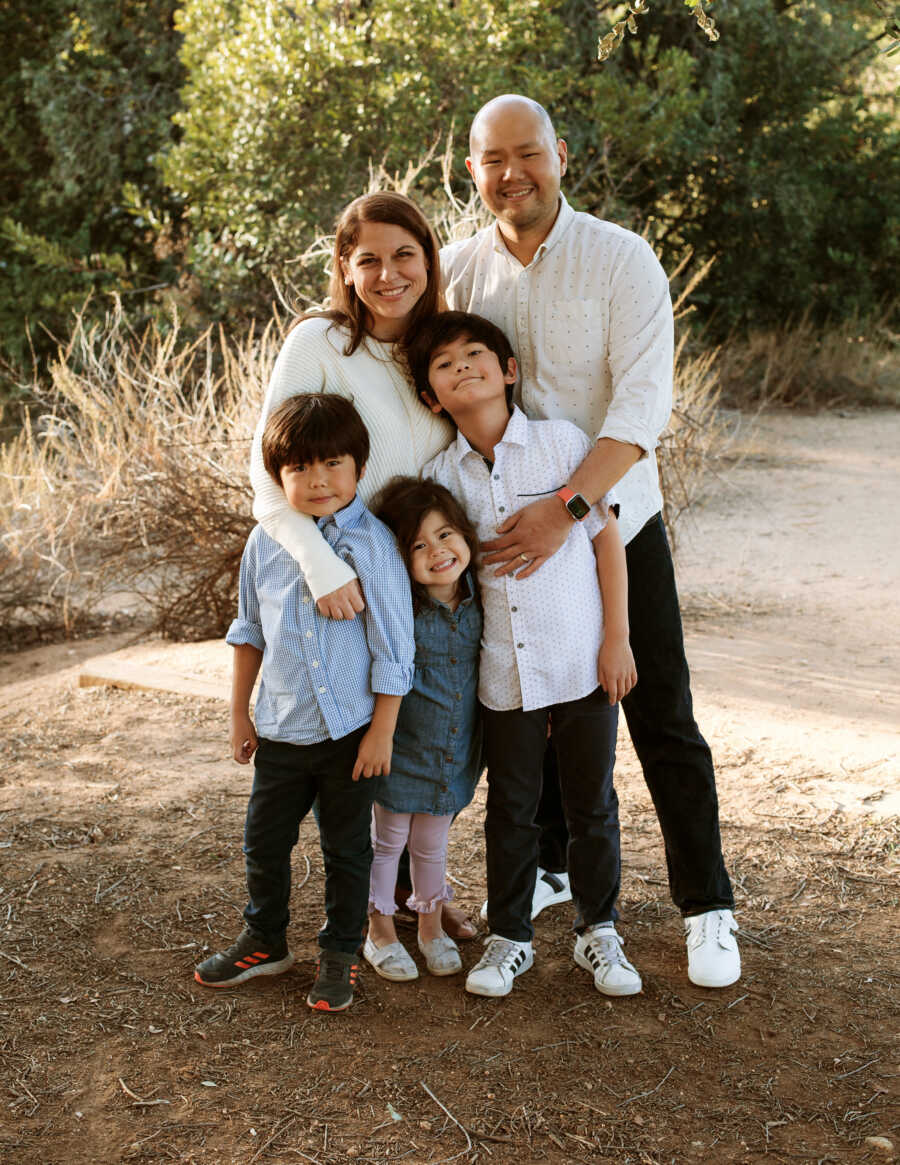
Our marriage isn’t more important than any other, but it is different. There is something deeply beautiful about marginalized families thriving, claiming space, and refusing to shrink. Our life together is beautiful—partly because we are interracial, and mostly because we love each other fiercely.
We talk openly with our kids about racism, ableism, and injustice. They don’t have the privilege of ignoring these realities, and I don’t want them to spend adulthood unlearning harmful ideas like I have. Hard conversations don’t harm children—silence does—and we want them not only prepared, but empowered to help create change.
I often think about the “square peg in a round hole” analogy. Being biracial is a square peg. Being neurodivergent is a square peg. Society constantly asks people like my family to reshape themselves just to belong. I refuse to accept that. Our existence should be enough to grant belonging.
That’s what motivates me to act.
I don’t simply want people to scoot over at the existing table. I want a new table—one wide enough for everyone, where no one has to shrink or hide.
Having a biracial family and a neurodiverse family has opened my eyes to realities privilege once kept hidden. And though the journey is challenging, it is also one of the greatest gifts of my life. I get to see beyond myself.
I am cautiously hopeful about the future. I know we’re not alone, and meaningful work is happening — slowly, steadily, together.
Just imagine what this world could become if everyone was truly free to be exactly who they are meant to be.