One in 100,000. I never would have imagined that a disease with such rare odds would touch my life. I’m just a small-town girl from the hills of Arkansas, living a seemingly ordinary life.
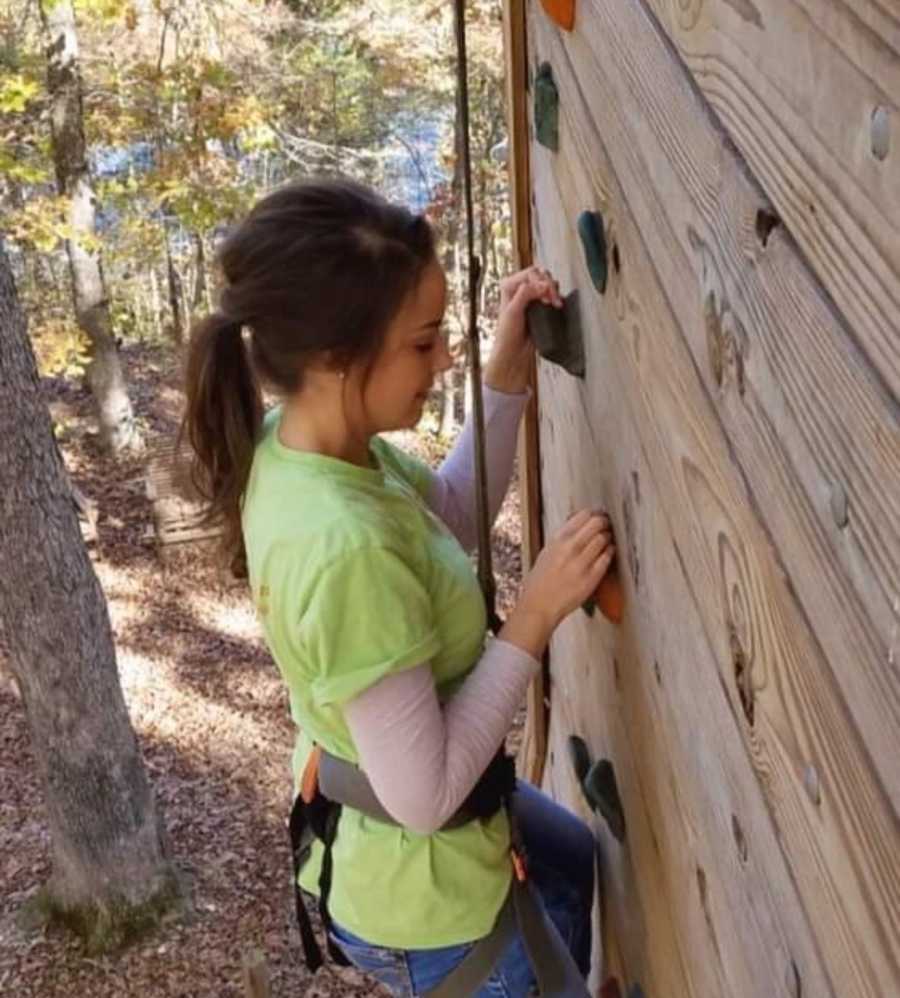
I grew up relatively healthy—an active, happy kid who loved being outside, running around with my five siblings. While my body sometimes struggled more than theirs when I got sick, I really wasn’t ill very often. Life felt easy, full of adventure and energy.
I was 19 years old when it began—the very first hint of what was to come. It started with what doctors later called a “grand esophageal spasm.” I remember that night vividly: my family was driving home from a party late on a rural Arkansas highway. The road twisted endlessly, and there was no cell service for miles. The towns we passed were dark and quiet, lights turned off for the night. Suddenly, a strange pressure crept into my chest, rising from my sternum into my throat. Panic set in as the pain grew, making it hard to breathe. My parents feared an allergic reaction and raced to find any medicine that could help. I remember my dad flicking on the car flashers, speeding around curves, searching for a gas station. Finally, we found a small, secluded grocery store. After taking some medicine, relief came slowly, and we made it home. That night, I was utterly exhausted—and the next day, I could barely move.
Over the months that followed, these episodes became more frequent. I visited my doctor and was referred to a pulmonologist, eventually being misdiagnosed with asthma. I was put on steroids and inhalers, none of which helped. The symptoms persisted, relentless and confusing. We saw multiple specialists, endured countless tests—some painful, some frustrating. After a couple of years, I felt defeated. I decided to stop searching for answers. I was young, I wanted to live my life, and I found a few home remedies that helped manage the worst episodes. I learned to cope as best I could.
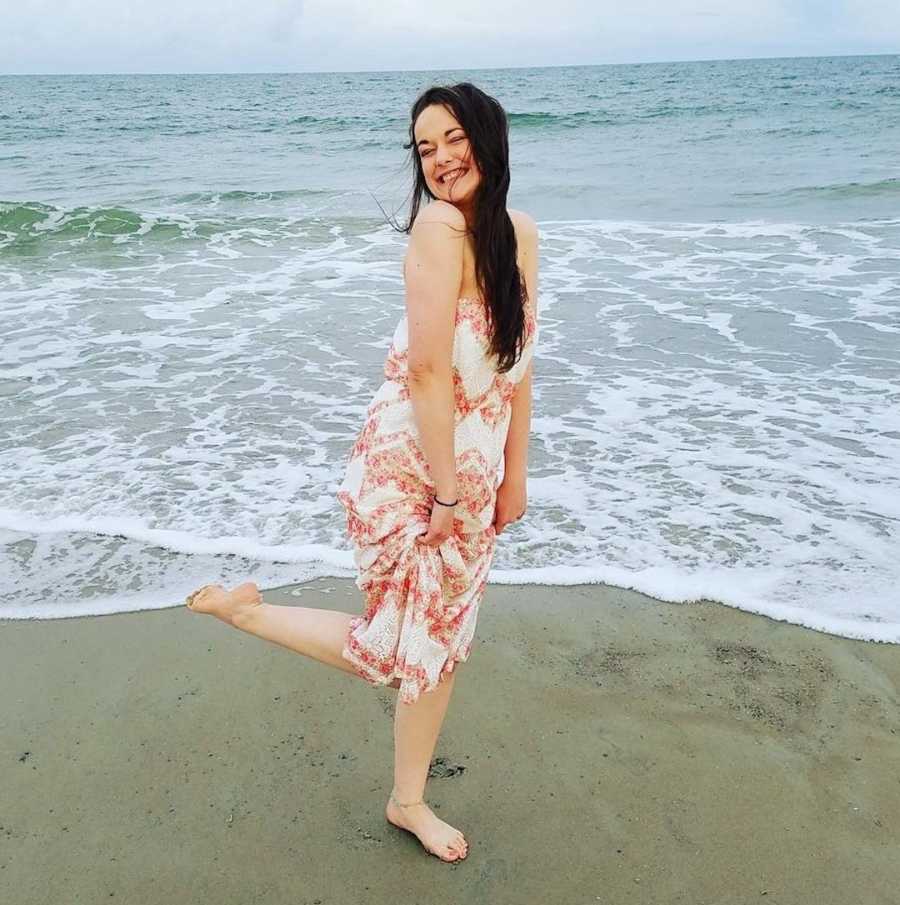
By age 23, things started escalating. I began choking on tougher foods, which I attributed to my fast eating habits. But the episodes of intense pain and terrifying choking continued. I got married in 2017, and over the years, these symptoms became something I simply lived with. Then came two babies, and by the time I was 28, everything changed. Fall of 2021 hit like a storm: I couldn’t eat or drink without vomiting. I lost weight rapidly, felt weak, and depression set in. Life felt overwhelming with two very young children—just 2 and 3 months old.
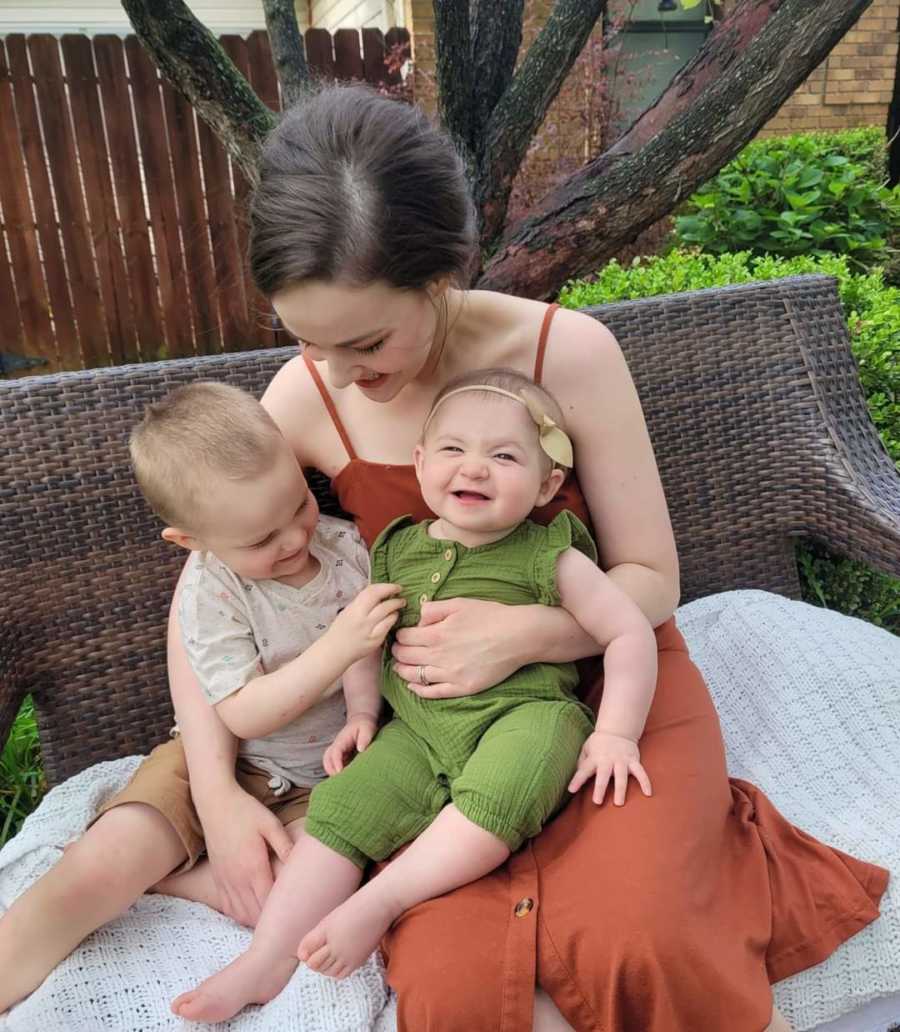
Finally, I returned to a primary care physician, determined to start over and find answers. After multiple tests, I learned I had a very rare disease called Achalasia. I’ll never forget the nurse calling to deliver the diagnosis—she could barely pronounce the name, let alone explain it. I soon learned the details: my body was attacking the nerves in my esophagus, destroying them and leaving the muscles unable to function. Swallowing became difficult or impossible, and the lower esophagus had tightened into a “bird beak” shape. This disease affects just one in 100,000 people.
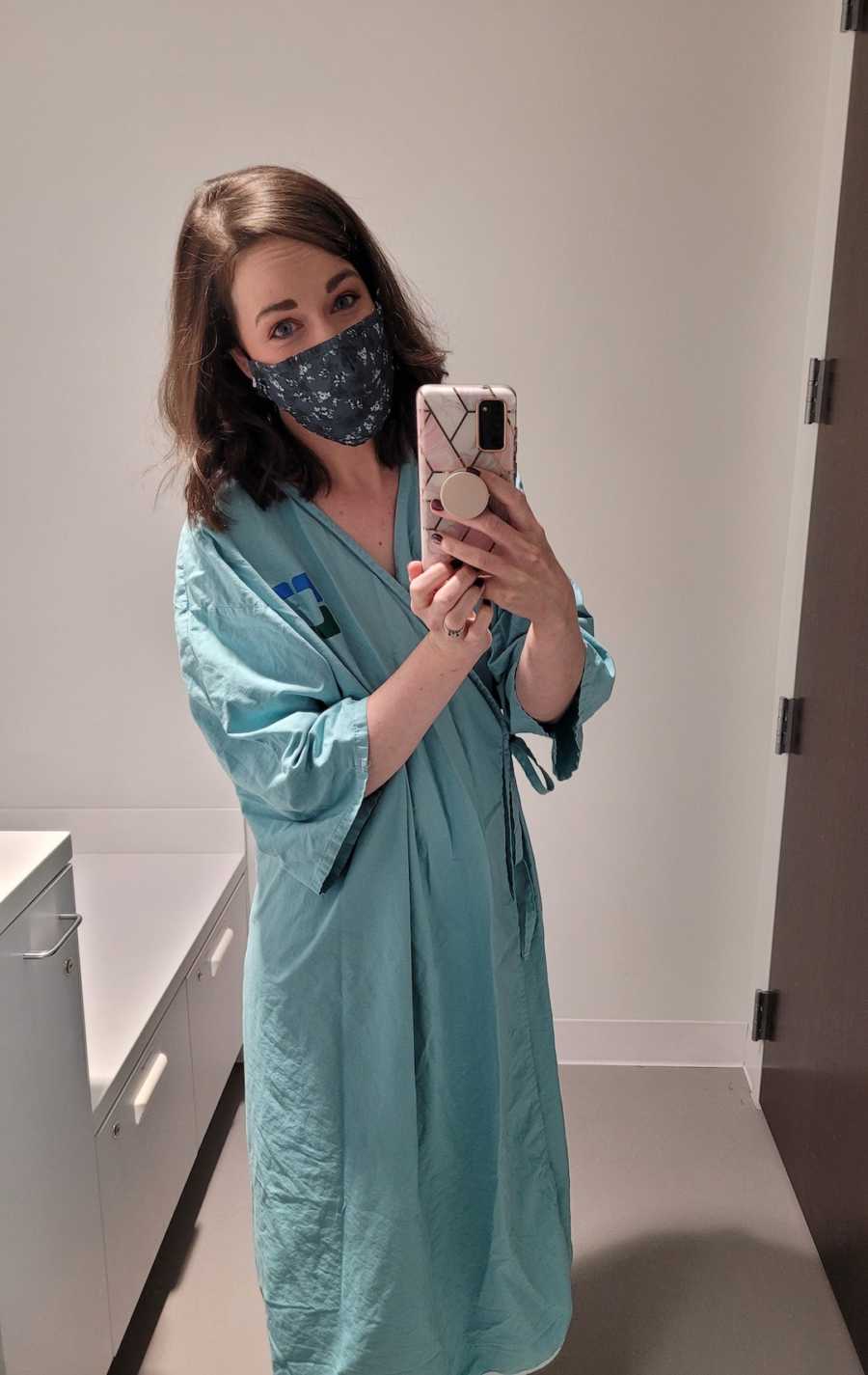
Living in a small town, resources were limited, but through research, we discovered Dr. Siva Raja and his team at Cleveland Clinic. I was quickly scheduled for surgery to open the bottom of my esophagus, which had narrowed so much that almost nothing could pass to my stomach. By then, my body was failing—my muscles and bones weak, hair falling out, skin breaking out from malnutrition.
Life had become a constant struggle. Each meal brought anxiety; even a few bites could result in vomiting. Coffee stuck in my throat every morning. I found peace only in my faith, trusting that God would sustain me and my family. Being a mom while chronically ill reshaped my heart. I remember deciding to transition my 5-month-old daughter to formula so I could replenish my body while still breastfeeding. My toddler ran circles around me, full of energy I no longer had. I grieved the loss of what life might have been and feared the future—feeding tubes, esophagus removal, more children.
In winter 2021, I had a temporary procedure: dilation with Botox injections to force my lower esophageal sphincter open. It offered brief relief, but my doctor warned that due to my age and fragile health, it was only a short-term solution. Surgery was inevitable.
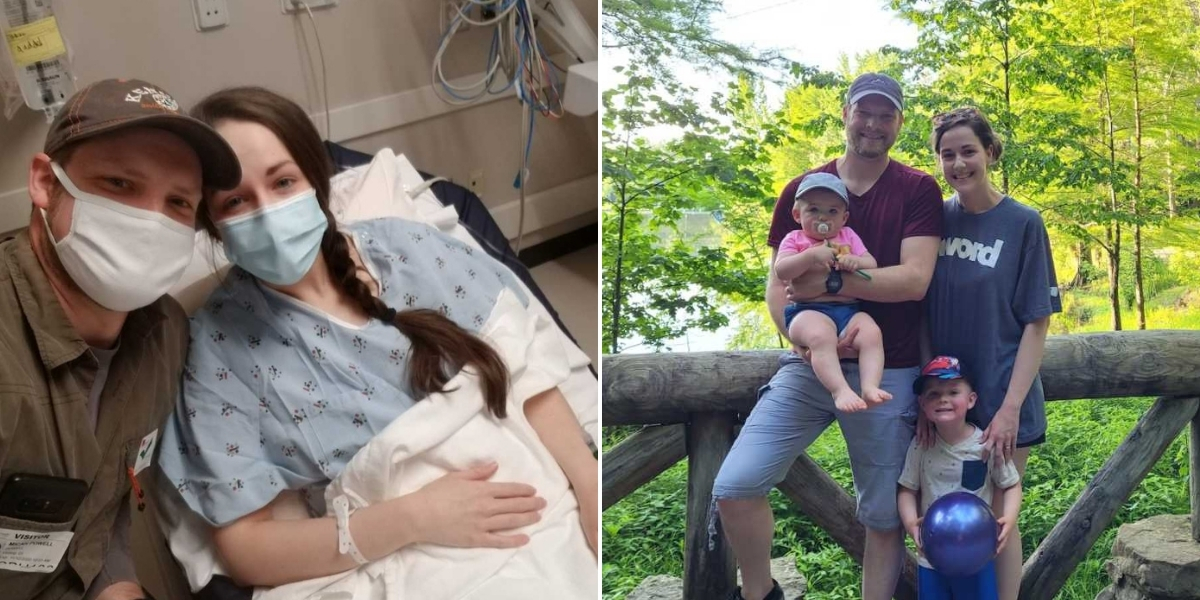
May 20, 2021—surgery day. I cannot put into words the emotions I felt arriving at Cleveland Clinic. The team was incredible, professional, and compassionate. Surgery itself was challenging, but recovery was even harder. I woke exhausted, my body battered by malnutrition. But after this battle, life finally offered hope.
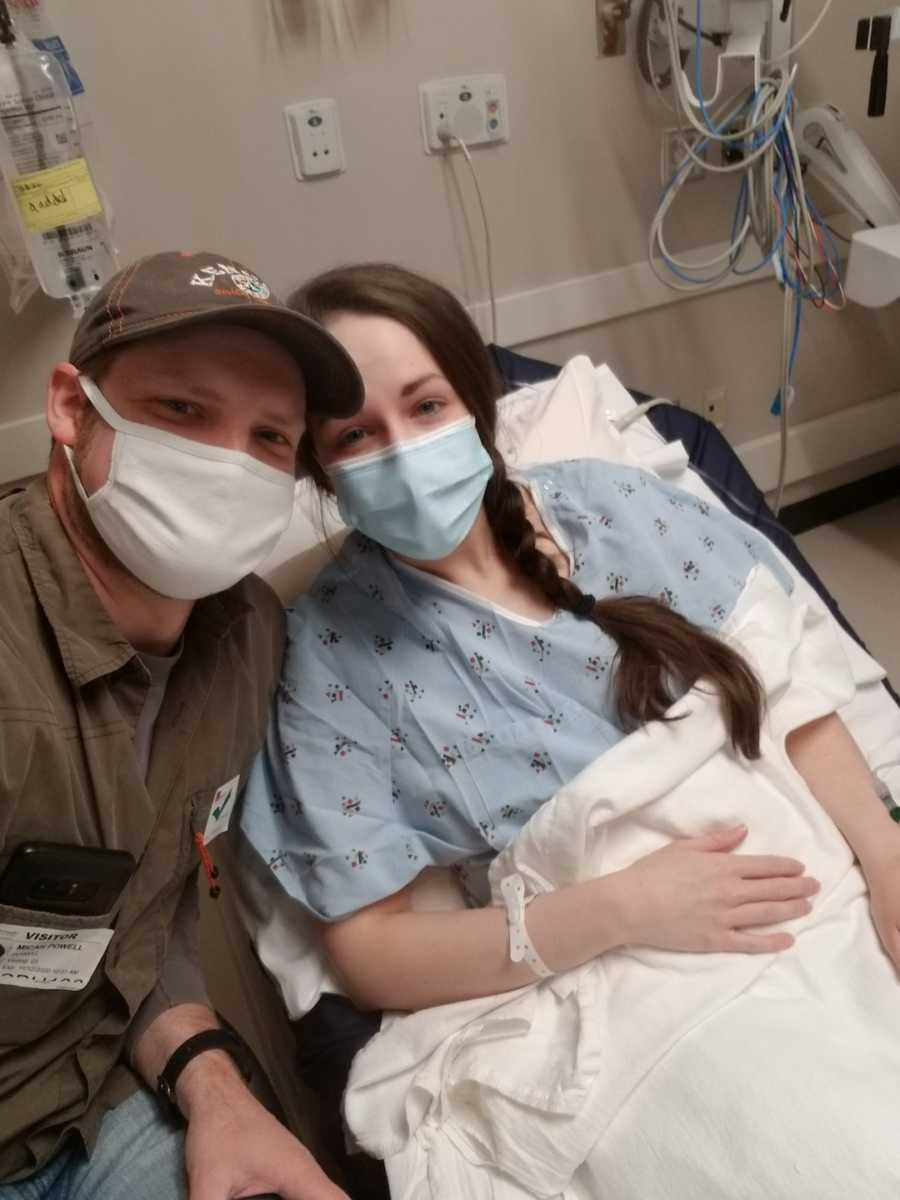
Seven weeks post-op, I can eat a bit more, gain weight, and regain strength. Though I am not cured—Achalasia is progressive—things are brighter. Soft foods pass, stamina returns, and little victories become precious.
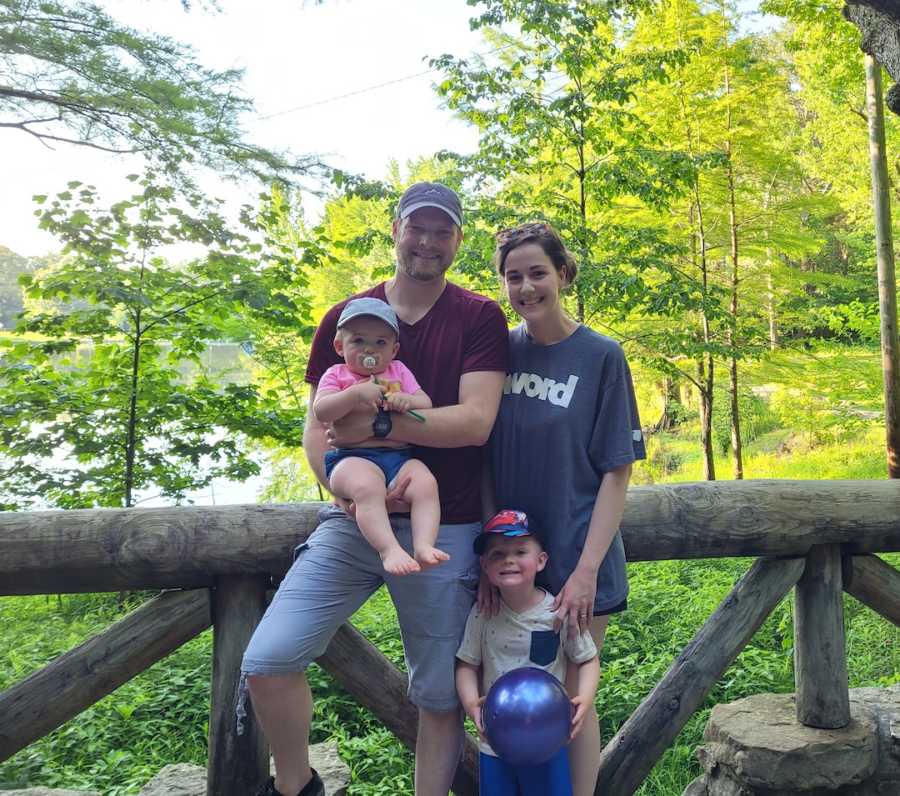
Of course, it’s not perfect. I still have days with spasms, pain, and choking. But I’ve learned to celebrate the small triumphs. I am grateful for my renewed energy to chase after my children, hopeful for the future, and eternally thankful to my medical team, my loving family, and the One who gave them to me. If there is one lesson I’ve learned, it’s this: do the hard things, fight for yourself and those you love, and never give up.