Cystic fibrosis (CF) is a genetic disease that affects the lungs, pancreas, and many other organs, filling the body with thick, sticky mucus. Families living with CF know early on about masks, hand hygiene, and keeping distance to protect their loved ones from infections that can quickly become dangerous. But we had no idea what we were walking into when our daughter Shay was diagnosed with CF at just six days old.
To share our now six-month-old daughter’s journey with cystic fibrosis, and how it has reshaped our family’s life, I feel it’s important to start a few days before the diagnosis. The time between sensing something was wrong, discovering the cause, and coming to terms with it has been filled with so many emotions—fear, confusion, grief, and eventually hope and acceptance.
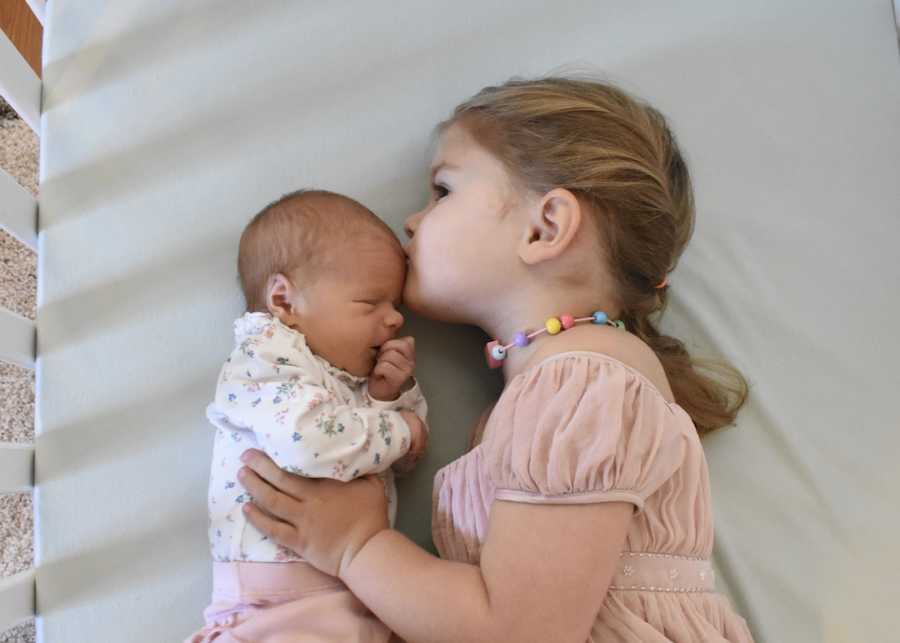
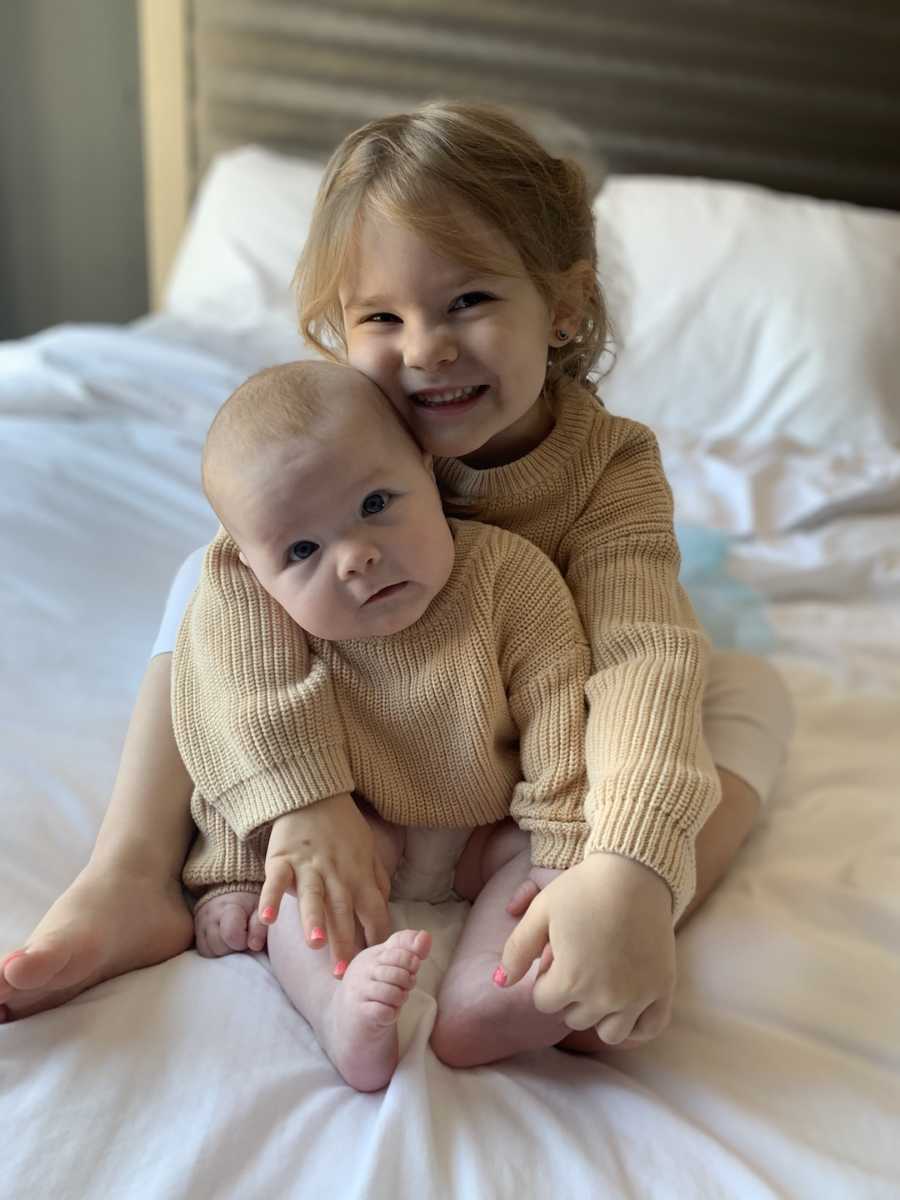
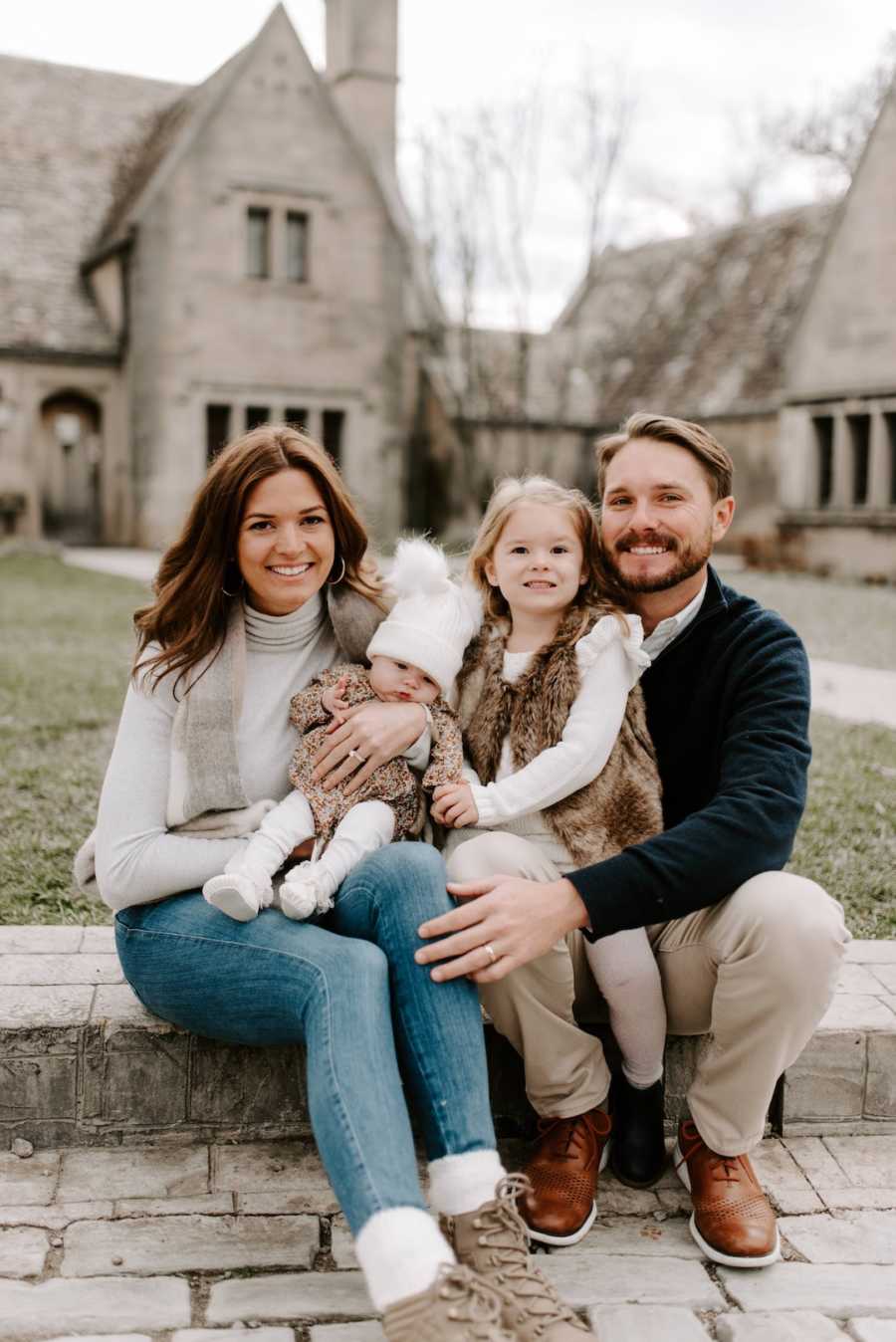
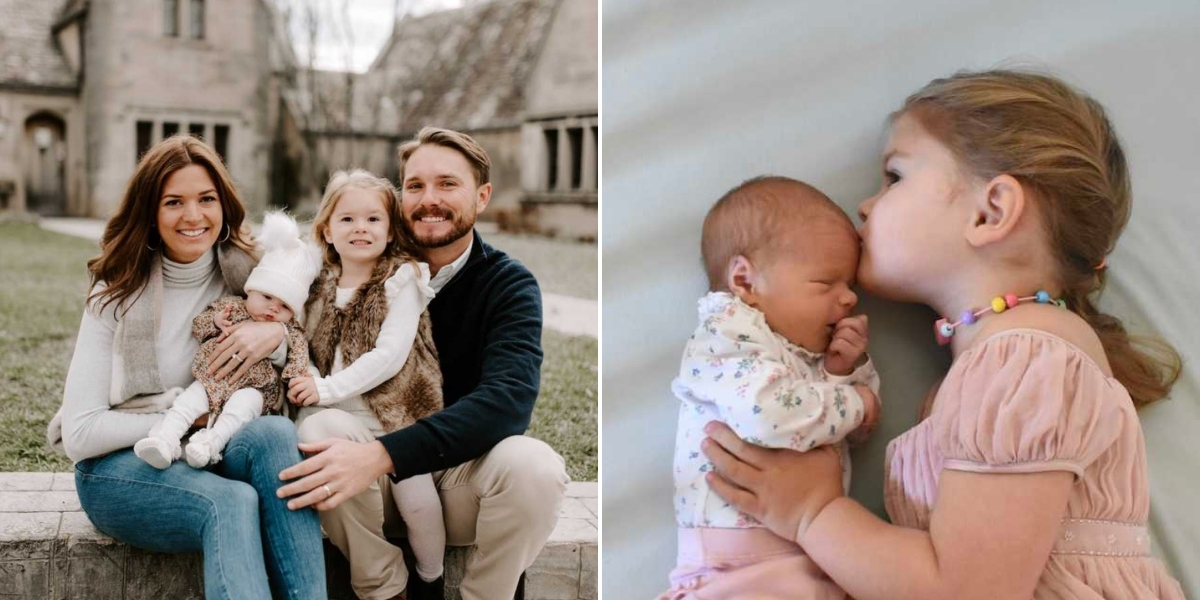
We had just returned home from the hospital and were preparing for our first family dinner to introduce our newest addition, our tiny baby Shay. She was our second daughter, born a couple of weeks early and slightly smaller than our first, but in every way, perfect. Just minutes before our family arrived, I noticed I had missed two calls and a voicemail from Shay’s pediatrician. My heart immediately started racing. Our last checkup had gone well, so this call was unexpected. The voicemail reassured me not to worry but mentioned some results she wanted to discuss.
I told my husband about the message with a voice I couldn’t keep steady, and he reassured me it was probably nothing serious. We tried calling back, but the office had already closed early. When our family arrived, I tried to be present, but my mind wouldn’t stop racing, imagining every possible scenario. I couldn’t shake the feeling that something was off. Shay had been underweight, and she had a few unusual symptoms that set her apart from our first daughter, especially her bright green stools—a mystery even the hospital hadn’t been able to explain.
I didn’t sleep that night. At 8 a.m. the next morning, I finally spoke with the nurse on call. Her words were blunt: “Shay’s infant panel came back with possible cystic fibrosis.” That was it—no context, no guidance, only a simple statement. She instructed us to schedule an appointment with a pediatric pulmonologist at Children’s Hospital. After hanging up, I broke down in tears, sharing the news with my husband. I had no idea what CF meant, how likely it was that she actually had it, or what her future would hold. But I knew immediately this would change everything for our family.
My husband, equally shocked, wanted answers right away. When he called back to speak with the doctor, the nurse explained that 90% of the time, these results are false positives, but she promised the doctor would call us. Minutes later, the nurse asked us to come in as soon as possible to meet the doctor in person. Driving there in complete silence, I knew our lives were about to be changed forever.
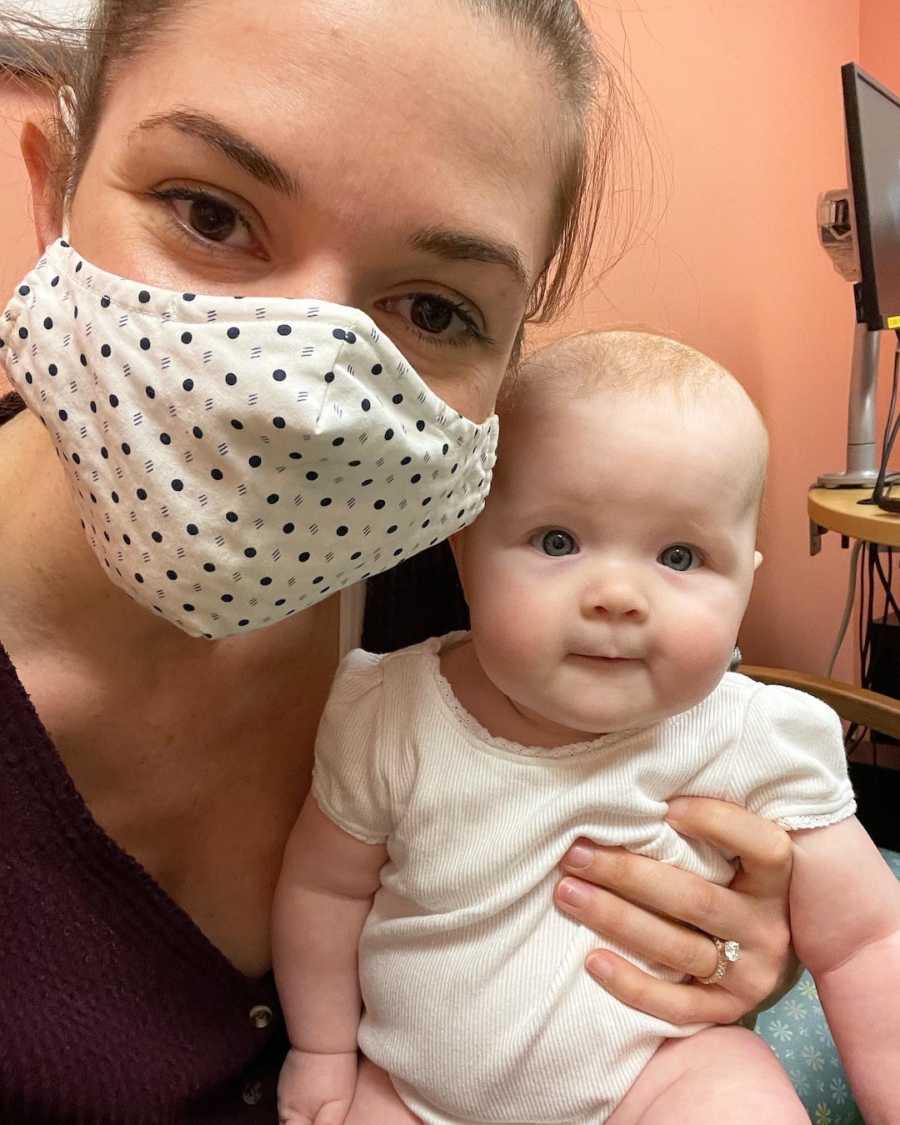
In the doctor’s office, we were seated with a box of tissues in front of us. She gently explained that Shay did indeed have cystic fibrosis. She described CF as a progressive, incurable disease that requires ongoing treatment and affects multiple organs, particularly the lungs and pancreas. She shared that recent research and new medications were improving outcomes for children with CF, but it would still be a long and challenging journey. We cried uncontrollably, our minds numb and foggy, trying to process every word while feeling completely out of control.
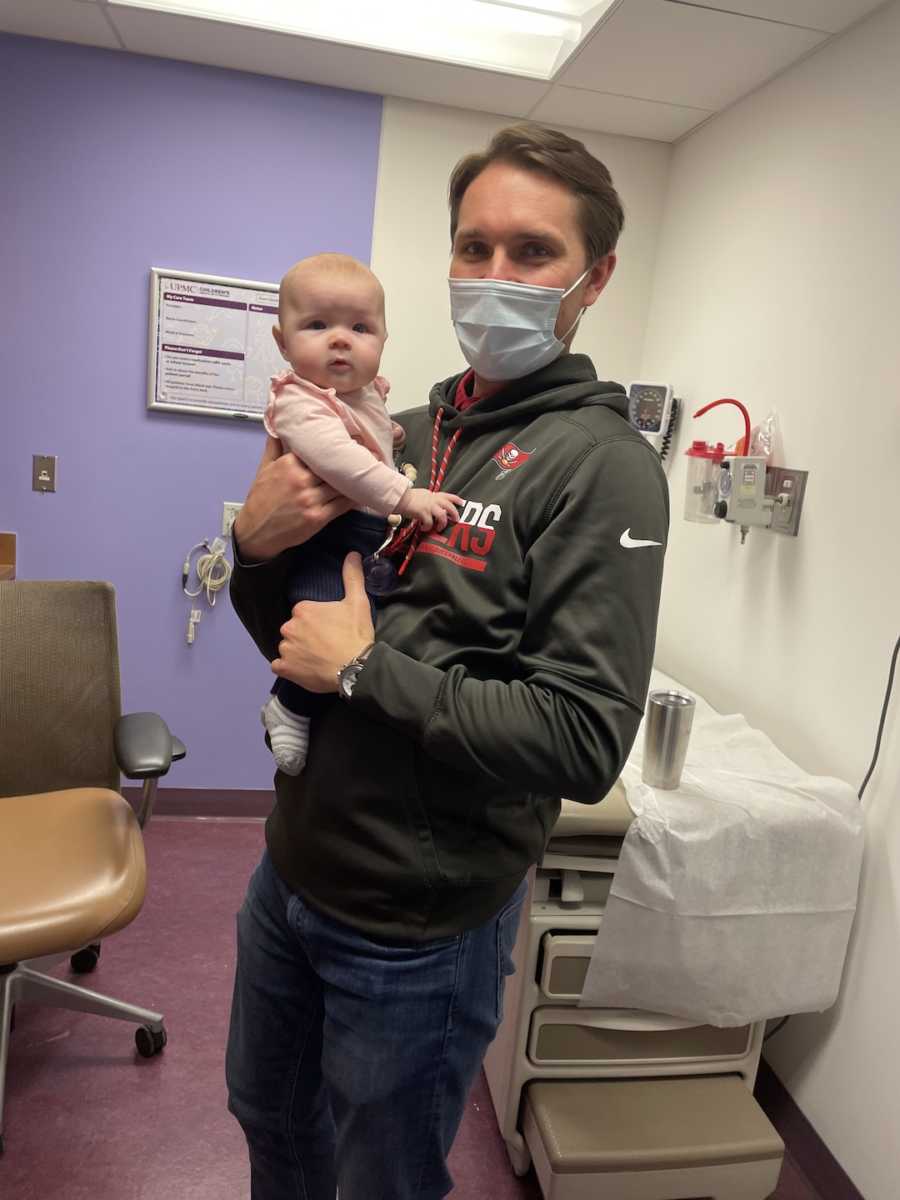
The doctor explained that Shay’s infant blood panel had shown two copies of the delta F508 gene—the most common CF mutation—one inherited from each of us, confirming her diagnosis. It was the first time we had learned we were carriers, the first time we understood what CF truly meant, and the first time we realized that our six-day-old daughter faced a lifelong, life-threatening disease. The reality hit hard: much of Shay’s life would involve hospital visits, treatments, and constant vigilance.
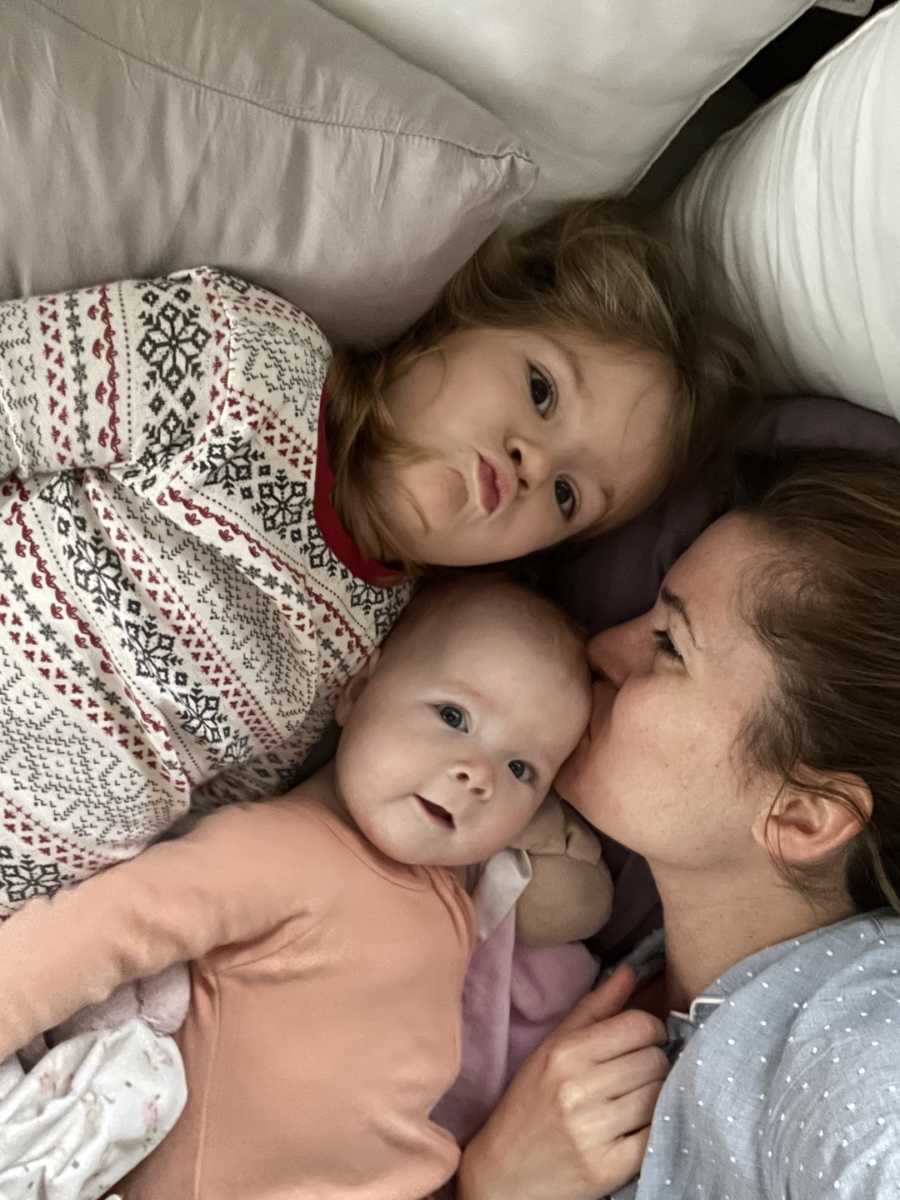
We had never been a ‘sick’ family. Our primary care doctor was mostly unfamiliar to us; we had no history of chronic illness and rarely needed medical attention beyond minor injuries. Suddenly, antibiotics and strict medical regimens were going to be part of our daily lives. The journey we were stepping into was one we had never imagined.
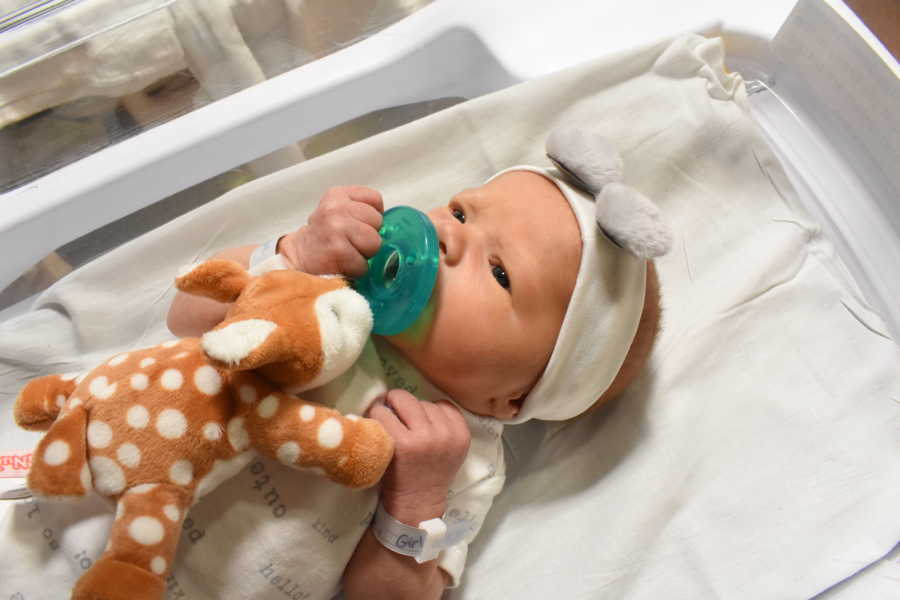
Our next step was meeting a pediatric pulmonologist and Shay’s specialized care team. With the appointment set for Monday, I spent two full days searching online, trying to understand what we were facing. Despite using reputable sources, every search felt like an emotional rollercoaster. Reading about life expectancy—so close to my own age of 37—was nearly unbearable. Sharing the news with our family brought overwhelming support, but it also made everything feel more real and more devastating.
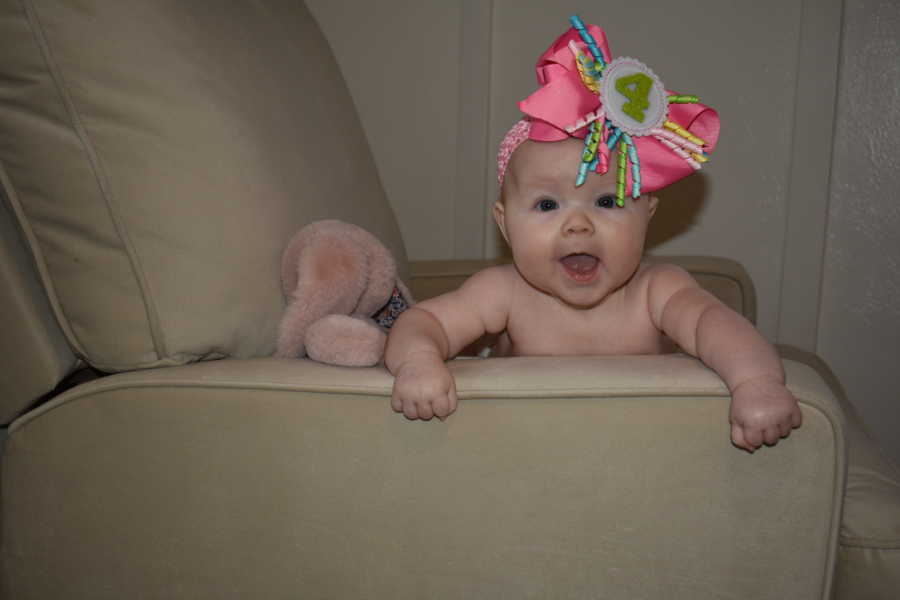
Meeting Shay’s medical team was both terrifying and reassuring. This group of doctors and specialists would be our partners in caring for her until she reached adulthood. Following the treatment plan became our entire world. Every day required structured routines, careful monitoring, and a dedication I had never known before. In the first months, we met with her team every two weeks, now monthly, and eventually every other month for the rest of her life.

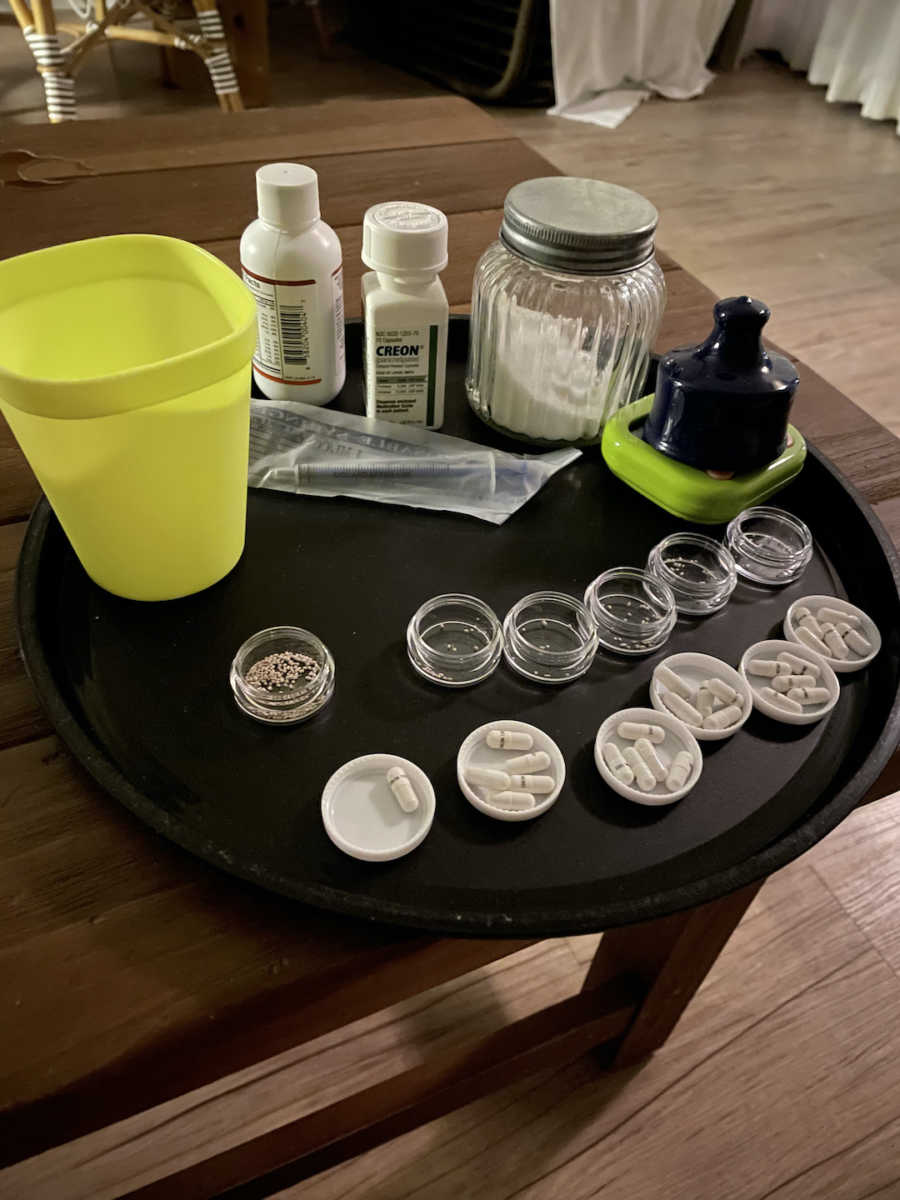
Shay’s care involves everything a healthy baby needs, plus additional treatments to manage CF. At this stage, that means chest physiotherapy twice daily, enzymes before every feeding, extra salt, and multivitamins. CF produces thick mucus in the lungs, creating a perfect environment for infections that can permanently damage lung tissue. The chest physiotherapy helps loosen that mucus so she can clear it from her lungs. Her pancreas doesn’t function properly, so enzymes are essential to break down fats and proteins and allow her to absorb nutrients. Once we started them, her weight gain was remarkable. CF also makes sweat unusually salty, so we supplement her diet with additional salt and vitamins. Regular lab tests monitor nutrient levels and detect lung infections early, ensuring she receives timely treatments.
One of the hardest aspects of CF is its invisibility. From the outside, Shay may look perfectly healthy, while on the inside she may struggle with infections, stomach pain, or difficulty breathing. This has pros and cons—it allows her to live life without stigma, but friends and family may not understand why her care involves such strict routines. This is why I share Shay’s story openly, to raise awareness and normalize the differences CF brings to daily life.

Despite the challenges, Shay’s journey has brought incredible lessons, inspiring connections, and a deeper understanding of chronic illness. Through social media and community, we have met countless people living with CF, as well as parents, siblings, and caregivers, who have offered guidance, love, and encouragement. This support network has been invaluable, shaping our perspective and strengthening our resolve. Caring for Shay has ignited a new purpose within us—to help others facing similar battles, to contribute to the CF community, and to cherish every moment as we watch our little girl thrive and grow.