On Monday, January 22, 2018, we heard the words that would change our lives forever: “Elijah has Congenital Disorder of Glycosylation, subtype PMM2. There is no cure, and it is extremely rare.”
I had always pictured myself as a mom. It was the one dream that felt stitched into every part of me. I imagined a bustling house full of noisy little boys and someday a daughter, weekends filled with muddy football boots, dance recitals, water fights in the garden, and endless laughter. I dreamed of silly arguments that would end with fierce loyalty, the kind of sibling bond Liam and I both grew up with. I wanted chaos, closeness, and a family story stitched together with love.
When Liam and I found out we were pregnant—on my 27th birthday—it felt like the universe was celebrating with us. Everything moved quickly and joyfully: choosing names, imagining nursery themes, and wandering through shops full of strollers and tiny clothes. Liam even debated for weeks what he wanted to be called: poppa bear, papi, pops, daddio—even “the big L.” Thankfully, he settled into simply being “Daddy,” and it suited him perfectly.
Pregnancy came gently for me. I had little sickness, worked on my feet managing a busy mobile phone store until eight months along, and rarely felt tired. Elijah was a quiet baby in the womb, hardly moving, and though I asked about it, the midwives reassured me that it was simply his normal. During scans, he was stubborn and still, only wriggling when I walked or did star jumps. We had no idea then how significant that quiet might be.
Elijah was the first grandchild on both sides, and the excitement around his arrival felt endless. We kept his gender a small secret, shared only with the closest people in our lives. Long before he arrived, he already had an entire army of loved ones—from near and far—ready to welcome him.
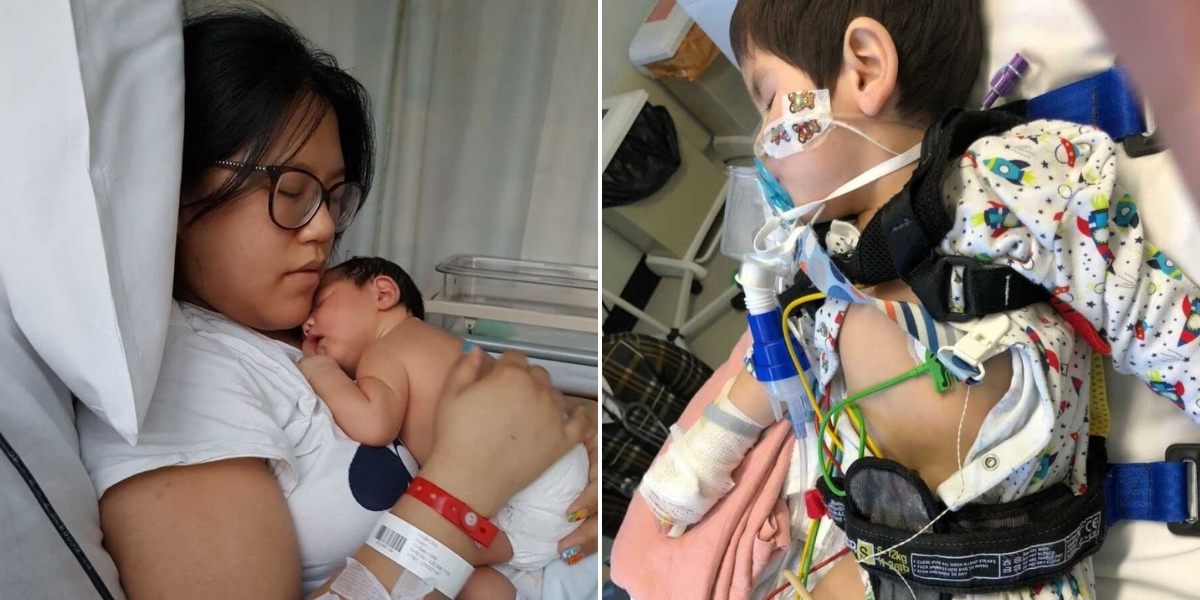
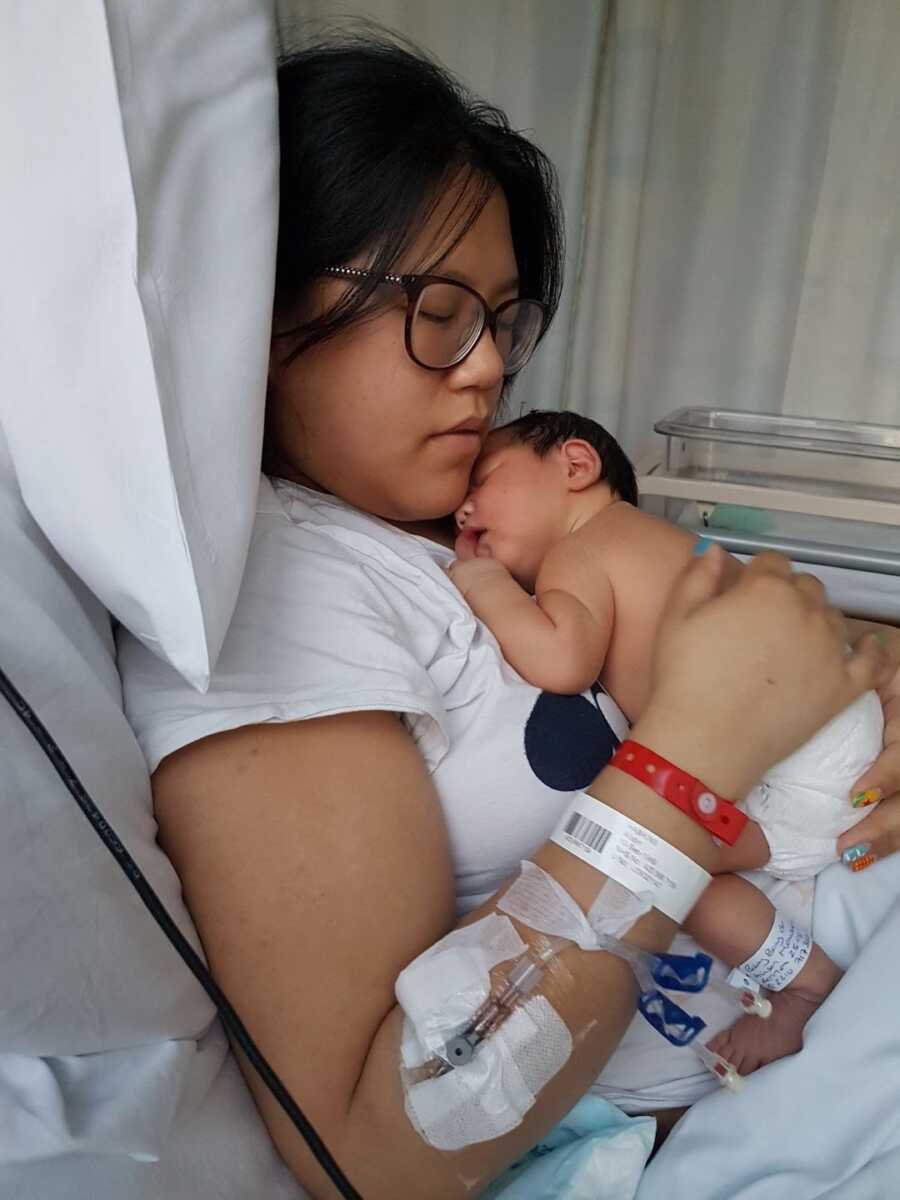
After a long 23-hour labor, Elijah arrived via emergency C-section on May 25, 2017. Puffy, slightly purple, and absolutely perfect to us. Just hours before we were due to go home, he developed an infection and was taken to the neonatal unit for antibiotics. There, doctors discovered dangerously low blood sugars. He stayed attached to IV sugar water for 13 days until he could stabilize on his own, quickly becoming known on the ward as “the sugar baby.” Eventually, those early struggles would be diagnosed as Congenital Hyperinsulinism.
Once we finally brought him home, life settled into something beautiful. Our two dogs adored him instantly. Our days filled with soft giggles, family visits, slow walks at the nearby nature reserve, and the sweet rhythm of new parenthood. Elijah was calm, sleepy, and endlessly content.
In September 2017, doctors planned a fasting test to be sure his low blood sugars were behind us. Within an hour, his levels crashed, confirming that the issue hadn’t gone away. A planned half-day visit turned into four days in the hospital. Elijah was started on chlorothiazide and diazoxide while doctors searched for the right balance. Still, no one suspected anything rare or life-changing was hiding beneath it all.
The medications worked, keeping his sugars in the safe range. Our pediatrician suggested an MRI, just to rule out any brain damage caused by months of unstable blood sugar. Even though it wasn’t required, we agreed immediately. We needed clarity. We remained hopeful—Elijah seemed so bright, so full of life. Surely nothing serious would appear.
Two days after the scan, the pediatrician called. The moment the phone rang, dread washed over me. I couldn’t answer. We scheduled an appointment for two days later, and those days felt endless—filled with quiet fear neither of us wanted to name.
On January 22, at 10:30 a.m., we sat in a hospital room, bracing ourselves. The doctor began with news that stunned us: Elijah had no brain damage. Relief flooded through me—joy so strong it hurt. But then he paused. A hesitant “but” hung in the air.
He explained that Elijah’s cerebellum hadn’t fully developed. It was too small. He had Congenital Disorder of Glycosylation, subtype PMM2. No cure. Extremely rare. My body went cold. The words dissolved into questions: What does this mean? Will he survive? Did I do something wrong? Could it have been prevented? I couldn’t speak. All I could do was hold Elijah and cry.
When I finally looked at Liam, his tears matched mine. The doctor gave us space, then returned and gently answered what he could. The truth was devastating: “We don’t know what Elijah’s future will look like. Only time will tell. We take it one day at a time.” I was angry—at myself, at the scans, at life itself—but deep down I knew no one was to blame. We would simply have to walk forward.
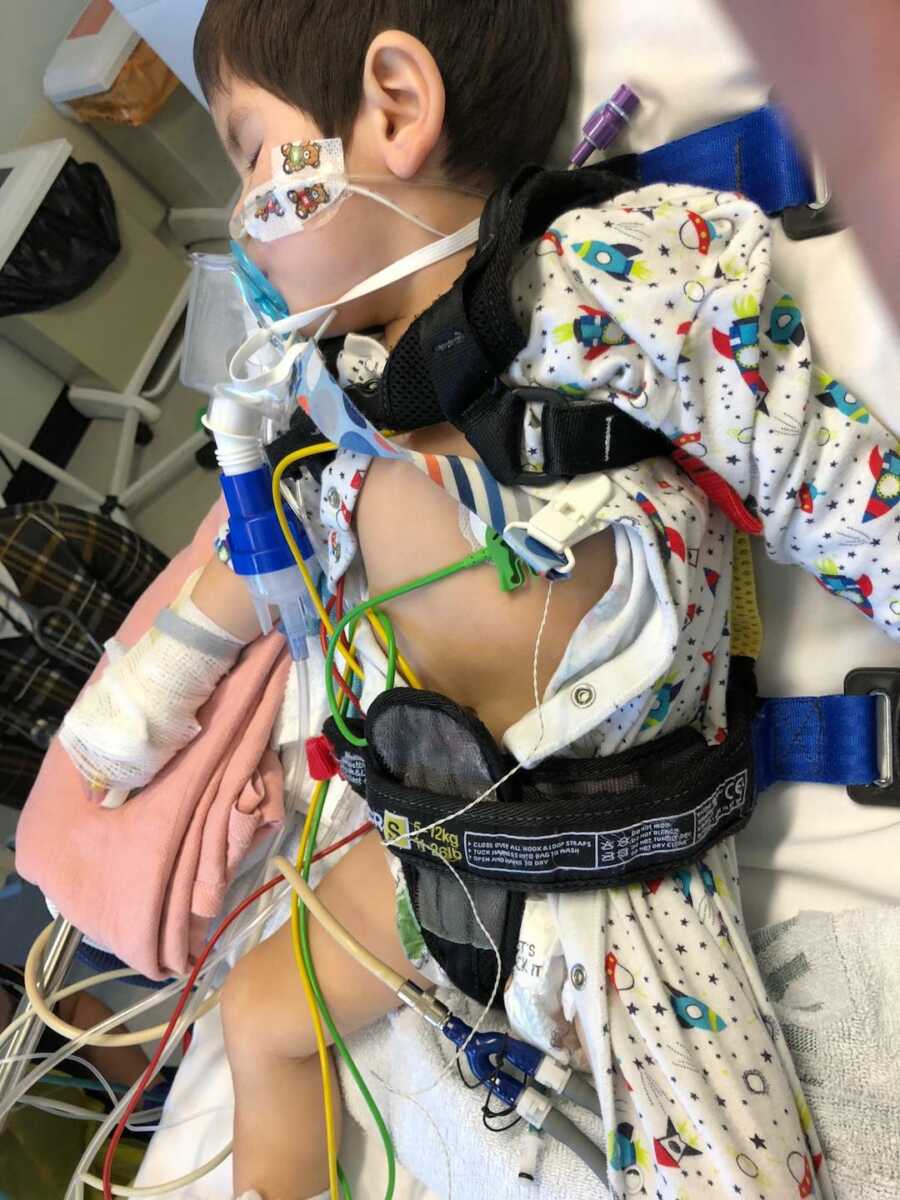
Since that day, our lives have become a whirlwind of research, appointments, and learning. CDG is incredibly rare—only about 1,000 known cases worldwide when Elijah was diagnosed, and around 70 in the UK. Even children with the same subtype can have completely different outcomes. The best way I’ve learned to explain it is simple: if a cerebellum should be tennis-ball sized, Elijah’s is closer to a ping-pong ball. There’s no way to regrow it. No cure. Only hope, patience, and progress.
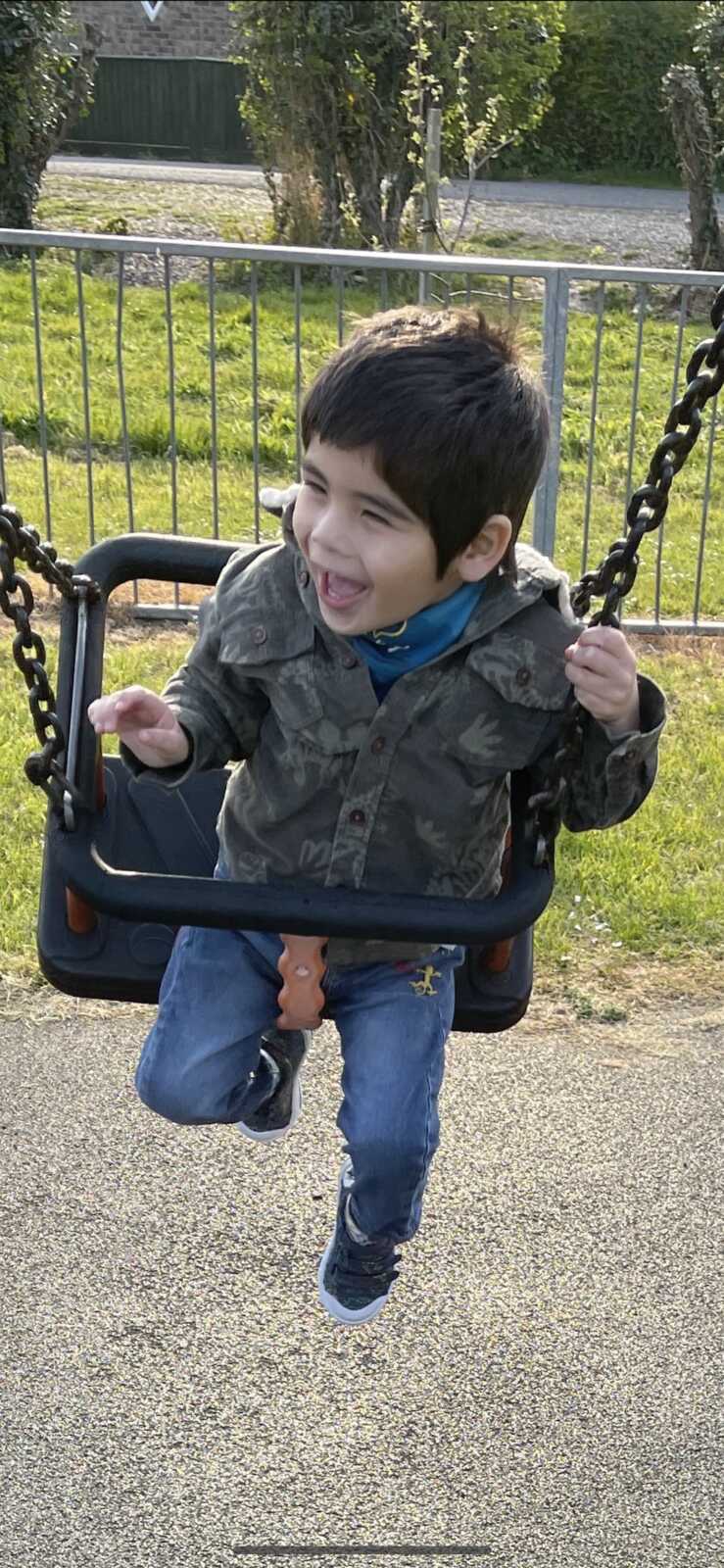
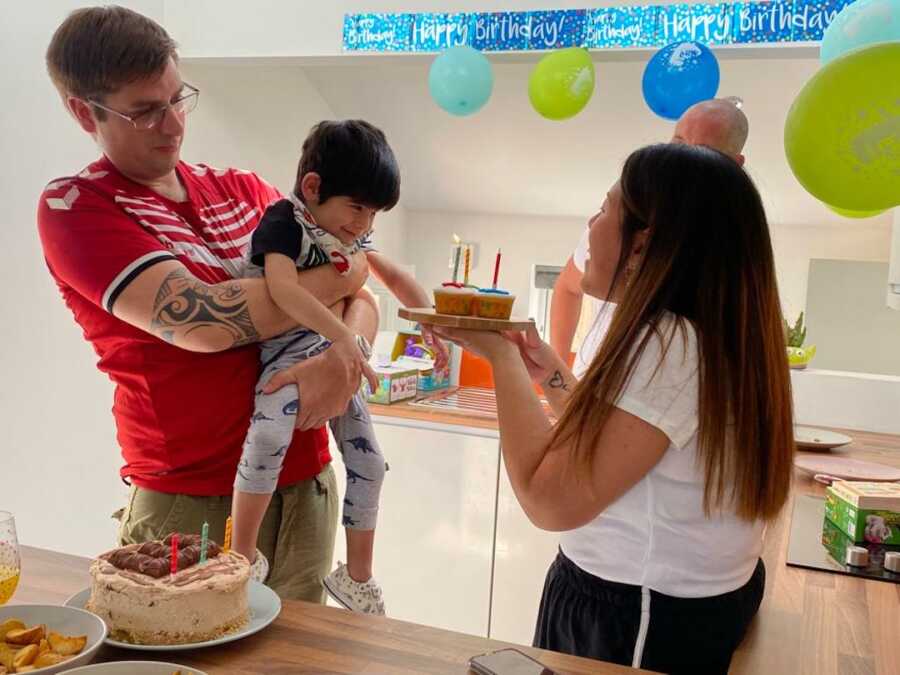
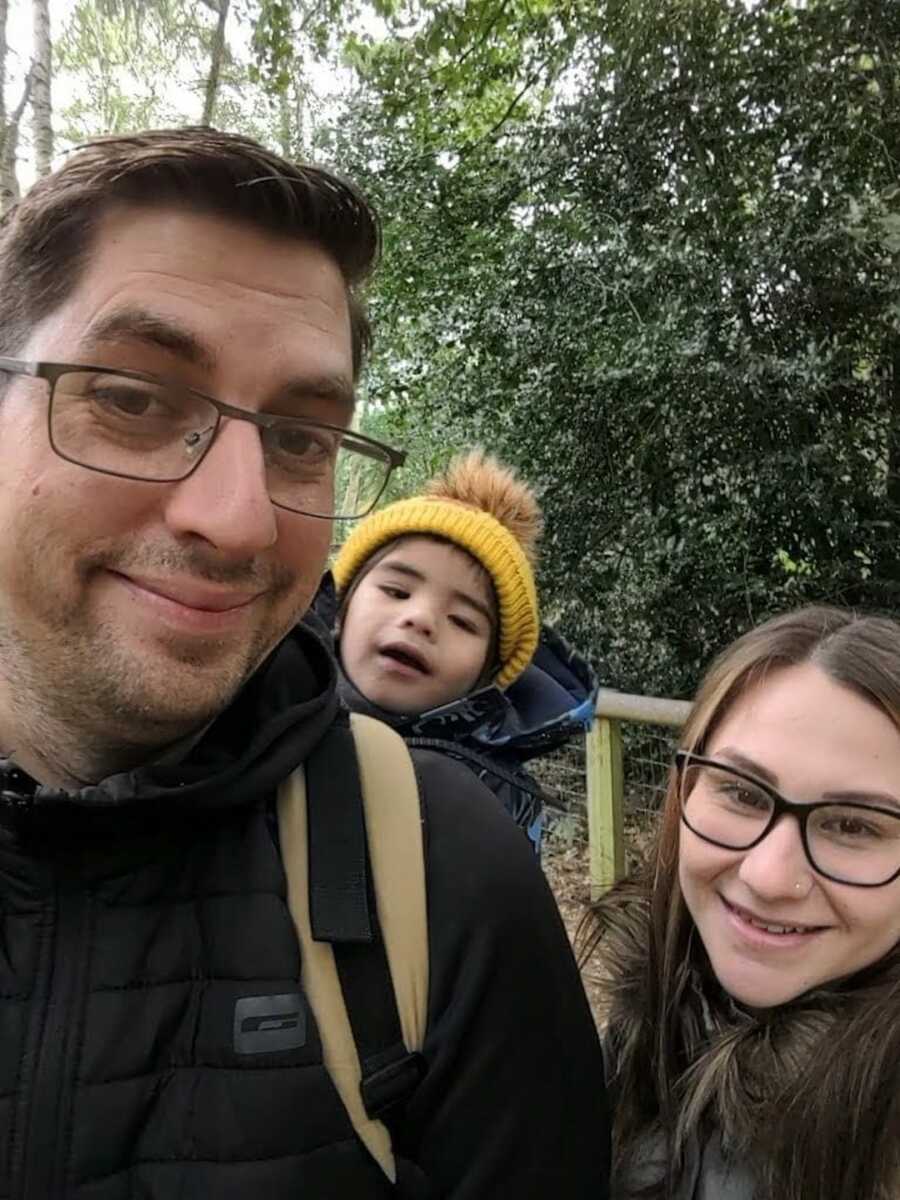
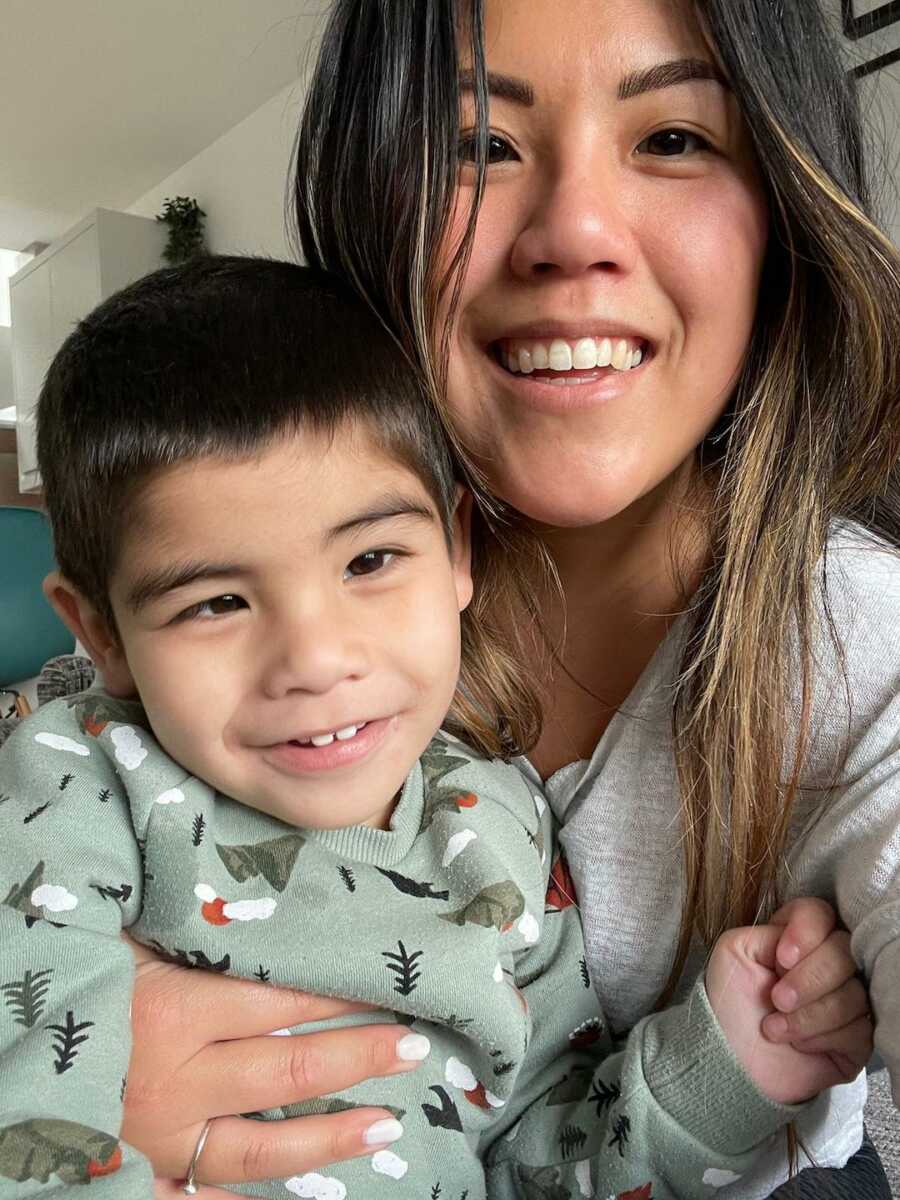
Today, Elijah is four. He started school this year, radiating happiness, mischief, and sunshine. Though Liam and I eventually separated, our boy gained even more love—a bigger family and another home filled with support. He splits his time between us and his amazing bonus mom, Paige.
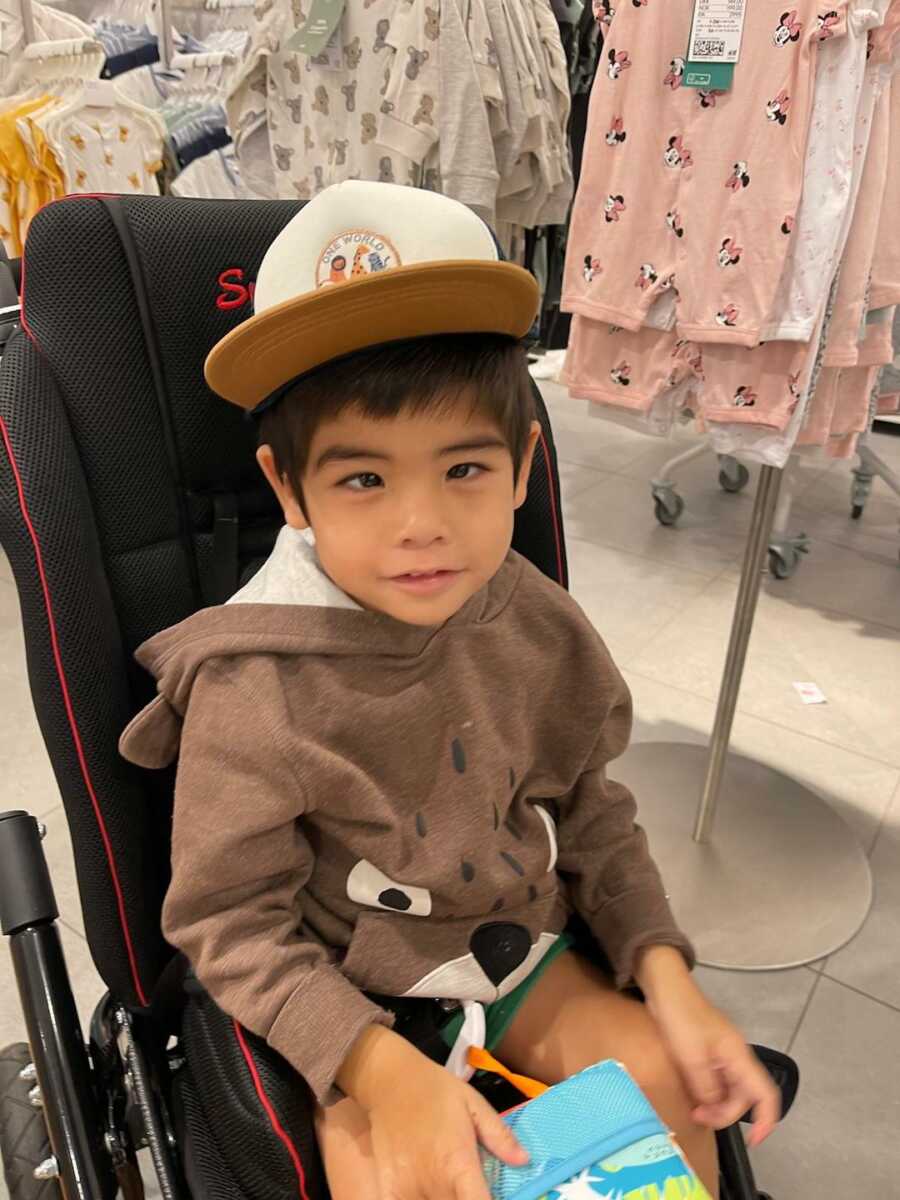
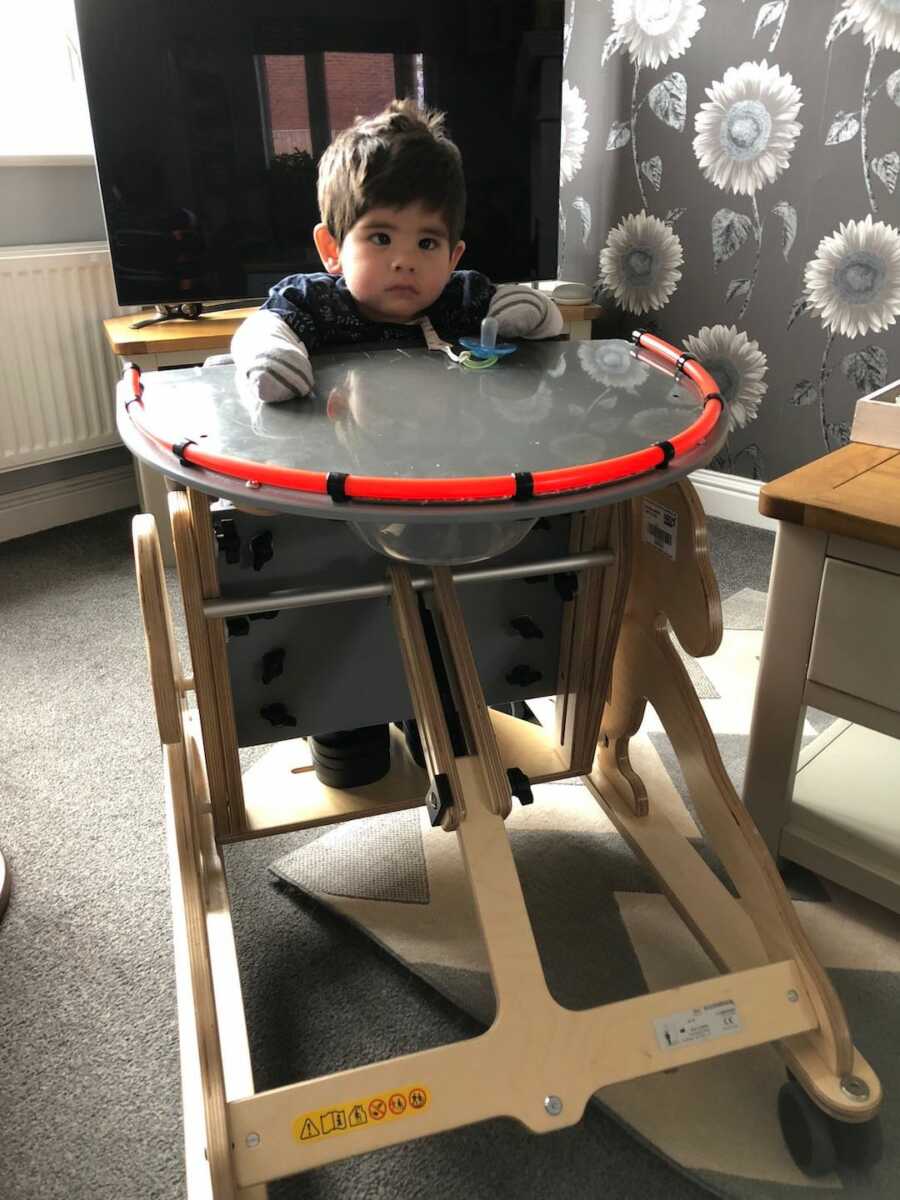
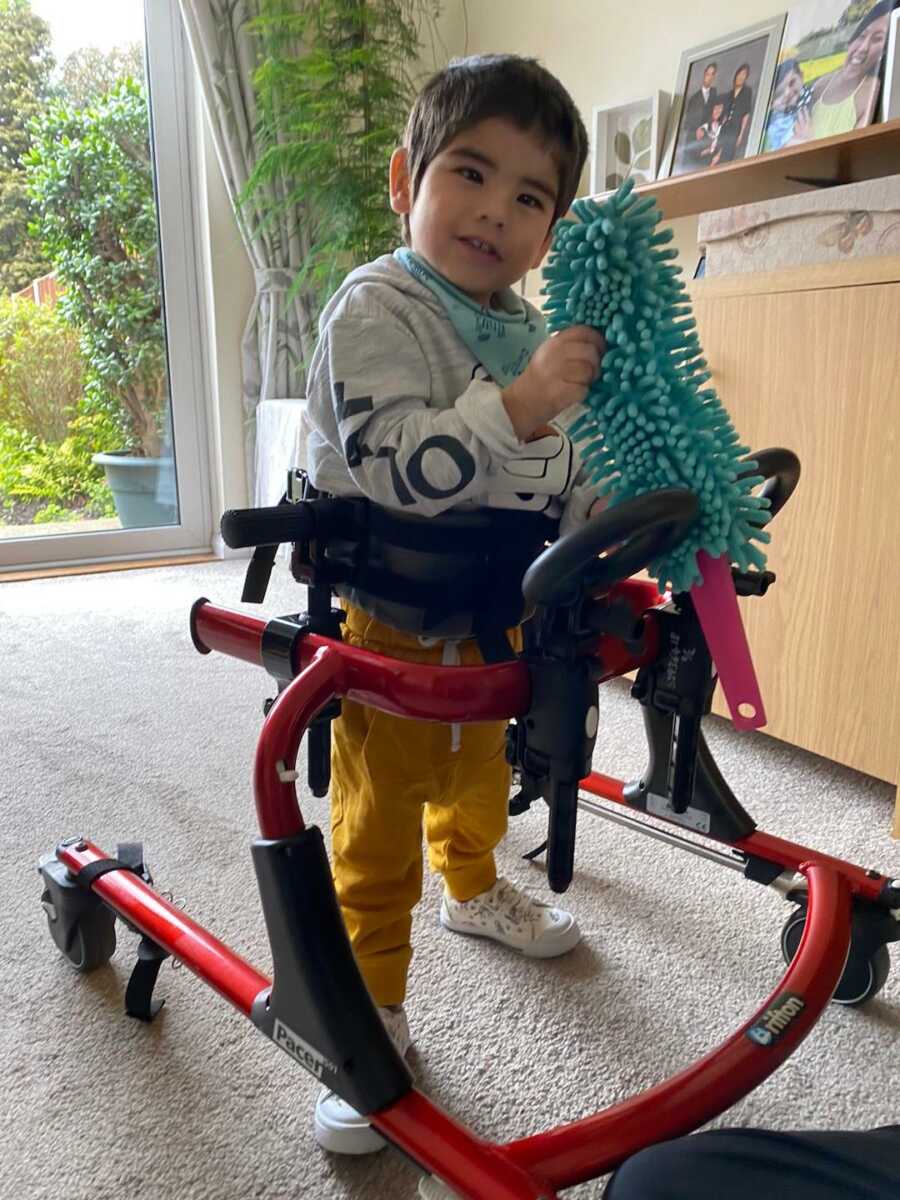
Elijah cannot stand, walk unaided, crawl, or sit unsupported for long. His speech is limited, yet he understands English and Cantonese and always finds a way to express exactly what he wants. Our weeks are packed with visits to physiotherapists, neurologists, dietitians, endocrine teams, and specialists across the country. Life moves fast because caring for Elijah means always preparing for the next step.
Some days feel exhausting, frightening, and overwhelming. But just as often, life with Elijah is laughter, silliness, football games in the living room, and moments that feel brighter than anything we imagined. He is stubborn, funny, and endlessly brave. We have learned to celebrate every milestone, every tiny victory.
Most days, we manage CDG with strength. Other days, it knocks the wind out of us. Yet Elijah—our fierce little warrior—fills the darkest moments with light. His condition may shape parts of our journey, but it will never define who he is. Elijah is stronger, brighter, and more extraordinary than any diagnosis could ever describe.