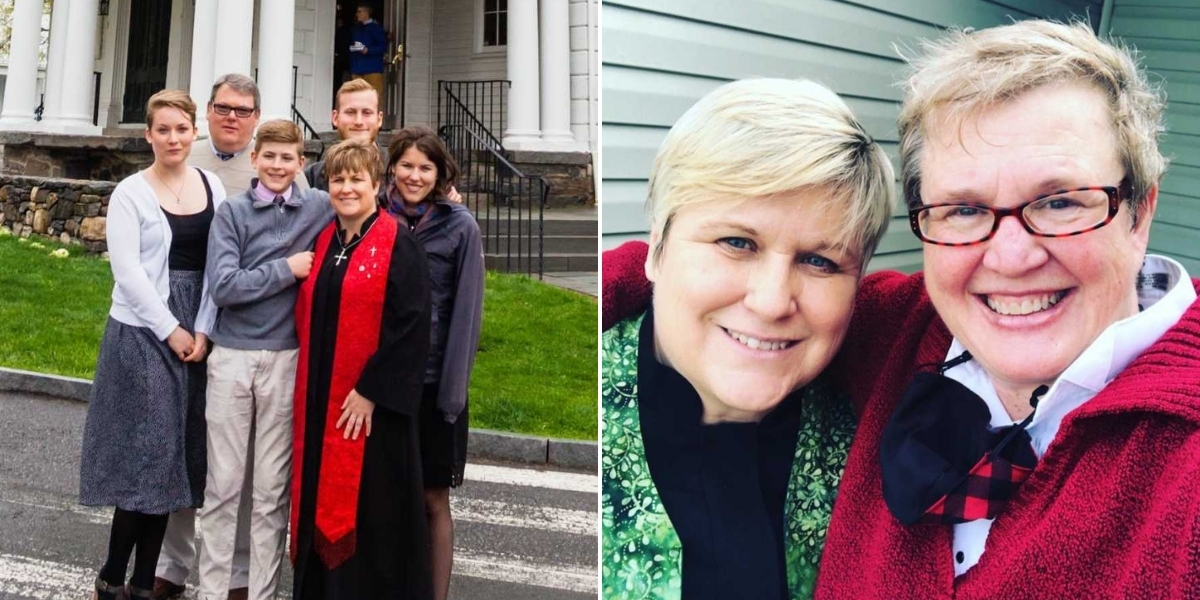
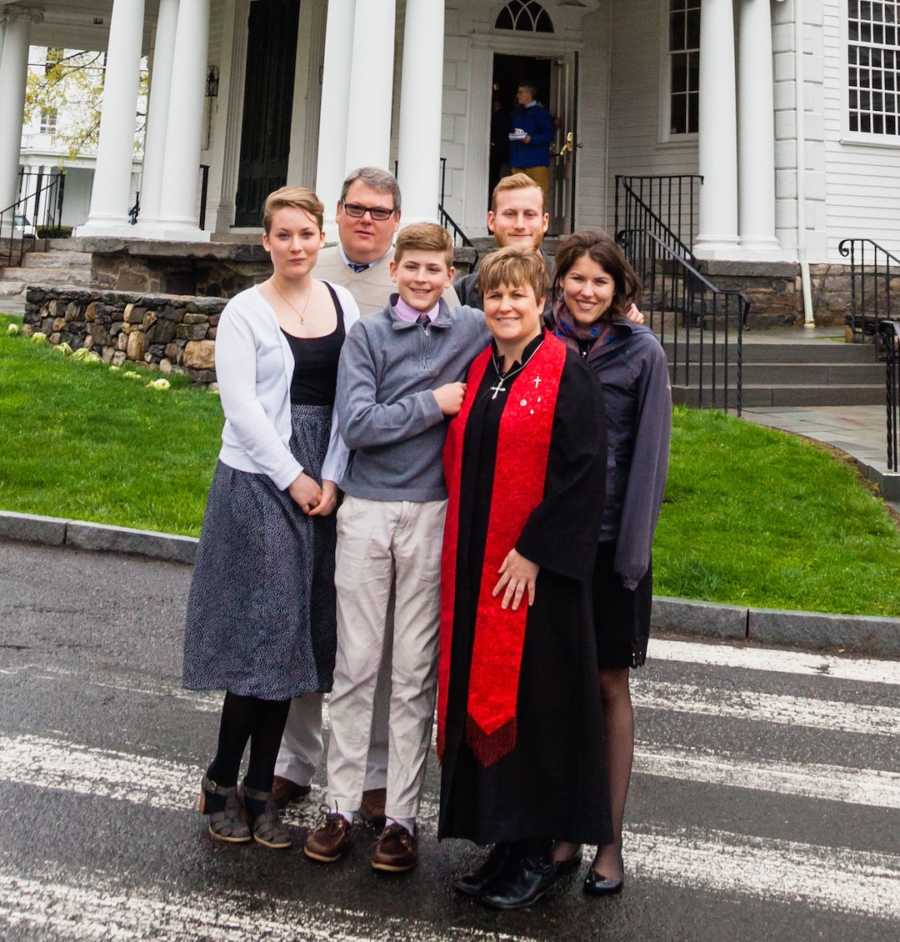
I am a woman who lived in the straight world for most of my life. I was married to a man, raised four children, and built a career as a minister, hospice chaplain, and grief counselor. For years, I carried the mistaken belief that everyone had their sexual or gender identity figured out by their twenties. I now understand how common that misconception is within the heterosexual world. Another false belief—fueled by increased representation in media and culture—is that coming out as part of the LGBTQ+ community is easier now than it once was. Those of us within the community know that simply isn’t true. Coming out is often deeply complex, layered, and personal, with no “one size fits all” journey. As someone who has witnessed many coming-out stories and lived my own, I can say with certainty that the idea that it’s easy now is simply untrue.
I grew up in Connecticut in the 1970s and entered my teen and sexually formative years in the 1980s. My home life was chaotic, marked by alcoholism and constant arguments. Much of my energy went into survival. The one consistent and predictable place in my life was Catholic school and church. I knew exactly what would happen during Mass, and I was a good student. In those spaces, I felt affirmed and seen. At the same time, I received very strong messages about sexuality and women’s roles: sex outside of marriage was wrong, and women were second-class citizens. These messages were reinforced at home by my religiously conservative yet socially liberal mother. Looking back, the conflicting messages I absorbed as a child took decades to untangle.
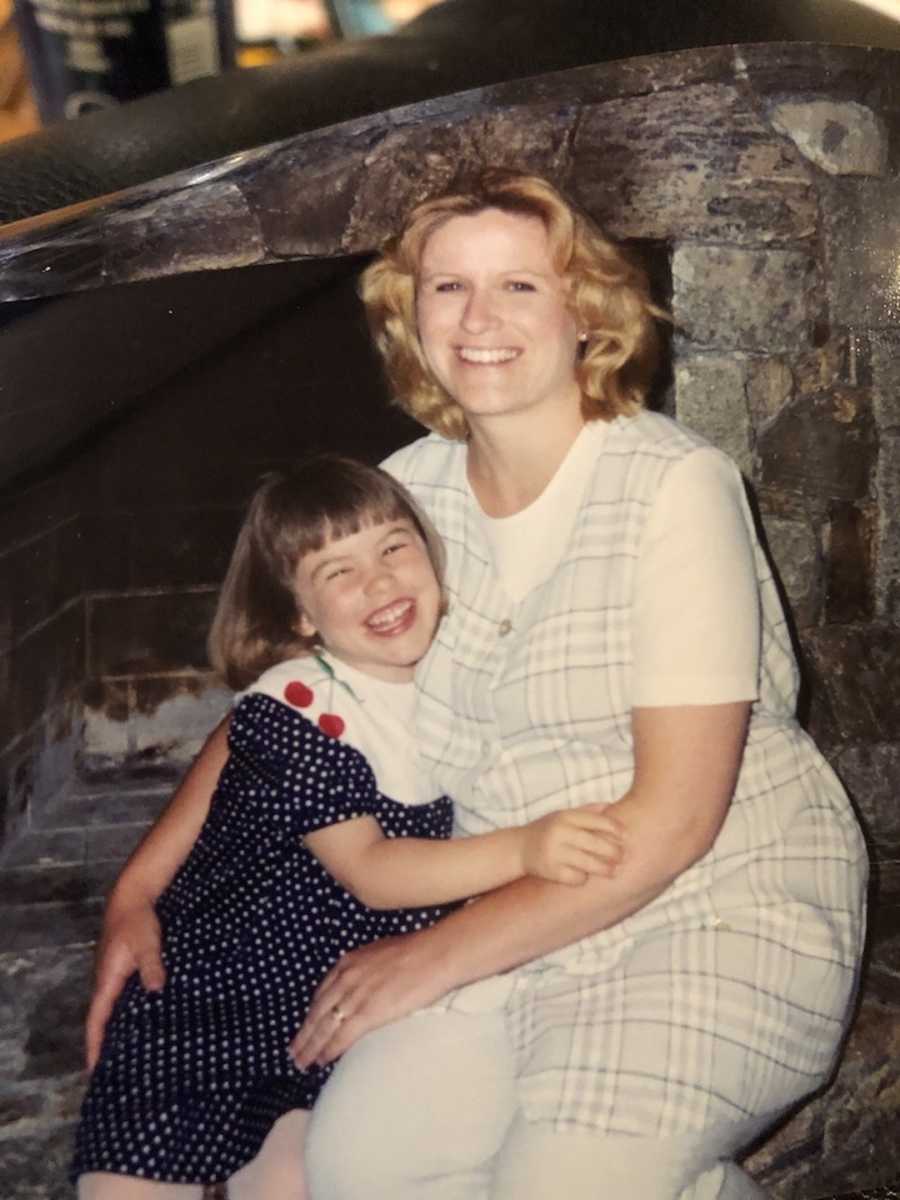
As a teenager, I struggled to understand my friends’ fascination with boys and male idols. They plastered Shaun Cassidy and Leif Garrett posters on their walls (yes, I’m dating myself), while I rolled my eyes, unable to grasp the appeal. What I didn’t realize then was that my friends were experiencing adolescent attraction to the opposite sex—and I wasn’t. Still, because it was expected of me, I tried to find boys I could be interested in.
I “successfully” dated men through high school and college, fulfilling the subtle cultural narrative that women should be attractive to men, expect relationships to be difficult, and view sex as something tolerable rather than joyful. When I had sex with a man for the first time at 19, it was just okay, without emotional connection. I assumed guilt over premarital sex was the problem. I told myself marriage would fix it.
In my late teens and twenties, however, I began to notice my attraction to women. I wondered if I was gay. It was the mid-1980s, the AIDS crisis was raging, and homophobia was pervasive. Practically speaking, I didn’t even know where to find community. The only option I knew of was a gay bar several towns away, but my friends wouldn’t go, and I wasn’t brave enough to go alone.
Over time, a familiar pattern emerged. I was drawn to gay women—not straight friends. I would see her, maybe meet her, and then spend weeks imagining what it would be like to be with her, sexually and emotionally. I spent far too much mental energy asking myself, “Am I gay?” It wasn’t until much later that I realized a simple truth: straight girls don’t lie awake at night wondering if they’re gay.
During this same period, I married a man and had four beautiful children. I was busy, deeply invested in a life I was told would bring fulfillment—marriage, family, and career. In many ways, it did. And in many ways, it didn’t. My husband and I met in 1986 and, after a tumultuous courtship, married for practical reasons: our friends were marrying, we wanted children, and he felt safe. I had been conditioned to believe relationships with men were difficult, and ours followed that script. We struggled to connect, and I longed for a depth of intimacy he couldn’t provide. Ironically, he often said, “If you want that, you need to be with a woman.”
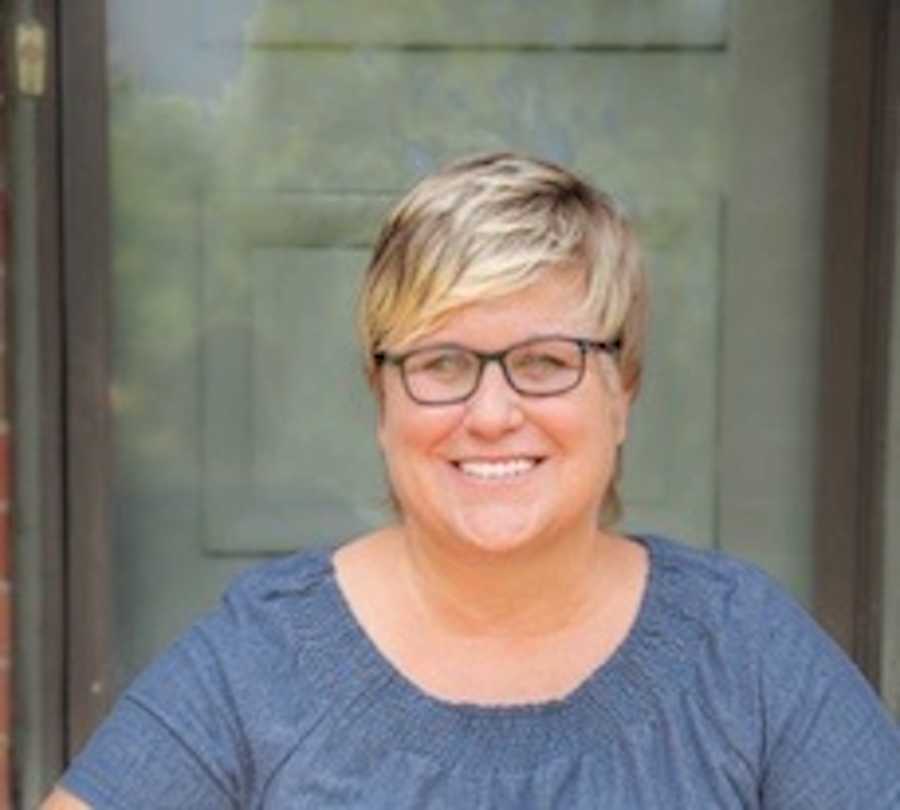
As years turned into decades, we stopped trying to be romantic partners. We moved into separate bedrooms and became close friends devoted to our children. Together, we created the stable family life neither of us had growing up. He would have stayed that way forever.
But I was restless. Amid the chaos of work and family life, I felt profoundly lonely and incomplete. I had checked every box of the American dream—marriage, children, career, home, financial stability—yet I kept wondering, “Is this all there is?” or “What’s wrong with me?”
In 2006, I read an article in O, Oprah Magazine about the fluidity of women’s sexuality. For the first time, I realized that even though I was deeply embedded in a straight life, I didn’t have to stay there forever. I casually told my 16-year-old daughter, “If something ever happens between your dad and me, don’t be surprised if I end up with a woman.” She shrugged and said, “Okay, Mom, that’d be cool.”
It still took another decade for me to come out. I stepped in and out of the closet, struggling to separate my love for my family from my own unmet needs. I sought therapy but found little understanding, even among queer professionals. Eventually, I realized no one else could name my sexuality but me.
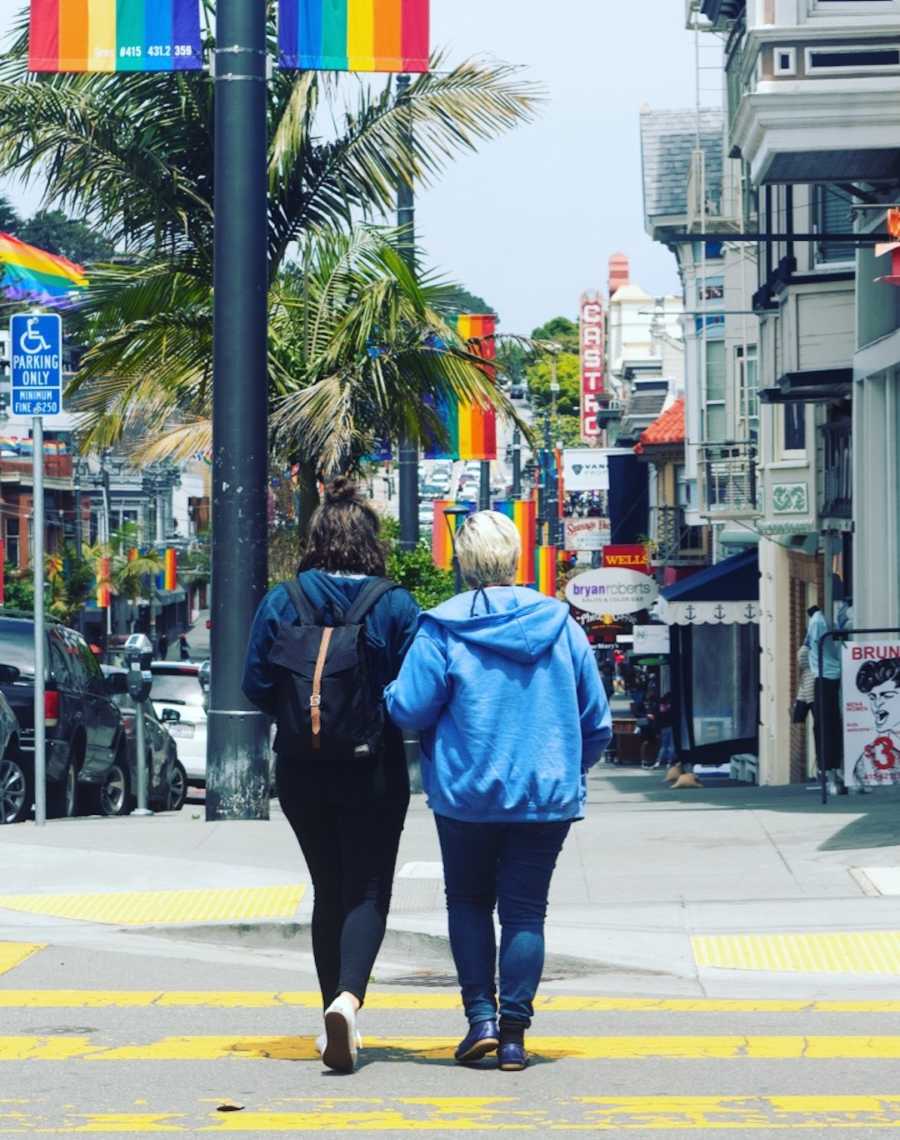
In 2016, I Googled “late in life lesbian” and found a blog, then a secret Facebook group for women coming out later in life. For the first time, I heard my own story reflected back at me. Women from their late twenties to their eighties shared similar journeys. I had found my people.
Coming out was harder than I expected. My ex-husband outed me in our community, and suddenly people avoided me. Even in liberal Connecticut, homophobia was very real. My children, ages 12 to 24, reacted with everything from acceptance to rage. Divorce shattered them, and rebuilding some relationships took years.
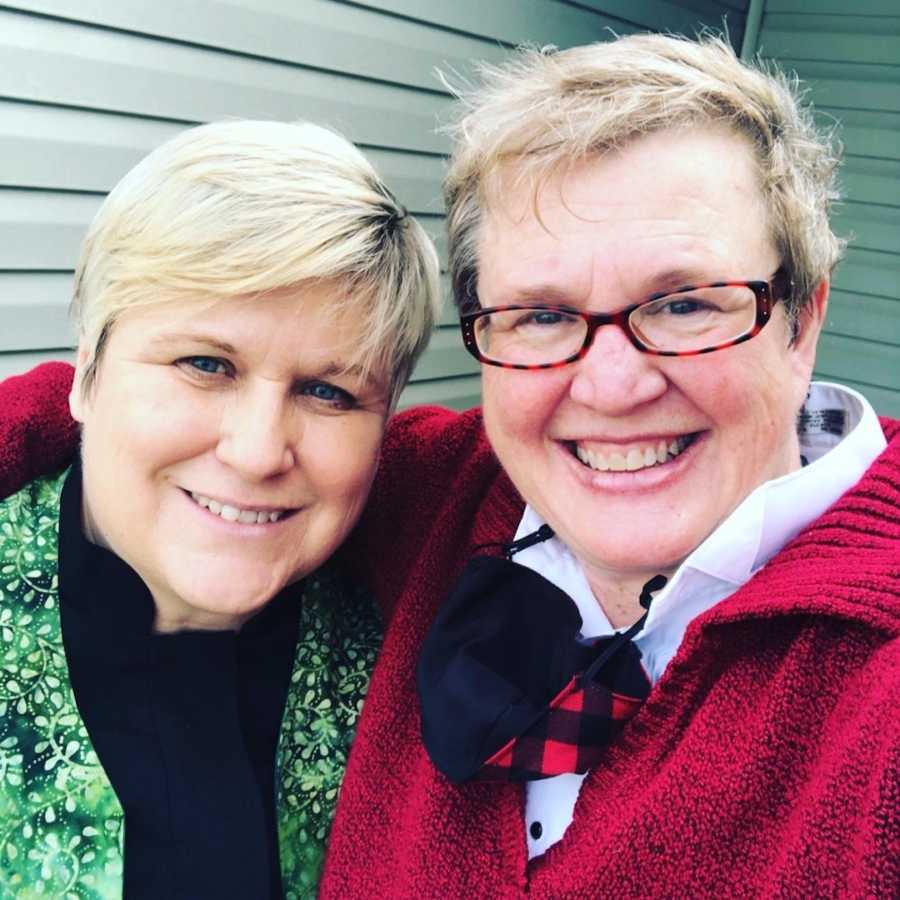
I grieved many losses—my marriage, my family unit, my professional identity, my standing in the community, and the future I thought I’d have. I also grieved the lesbian life I never got to live. At the same time, I fell in love with a woman and experienced joy and belonging unlike anything before. I learned to hold grief and joy together.
Eventually, I realized that after decades of searching, I had finally come home—to myself.
Today, I work with women coming out later in life, using my background in ministry, chaplaincy, and grief counseling. We start with one simple truth: I might not be straight. From there, we navigate grief, internalized homophobia, and, most importantly, community. Finding our people is essential.
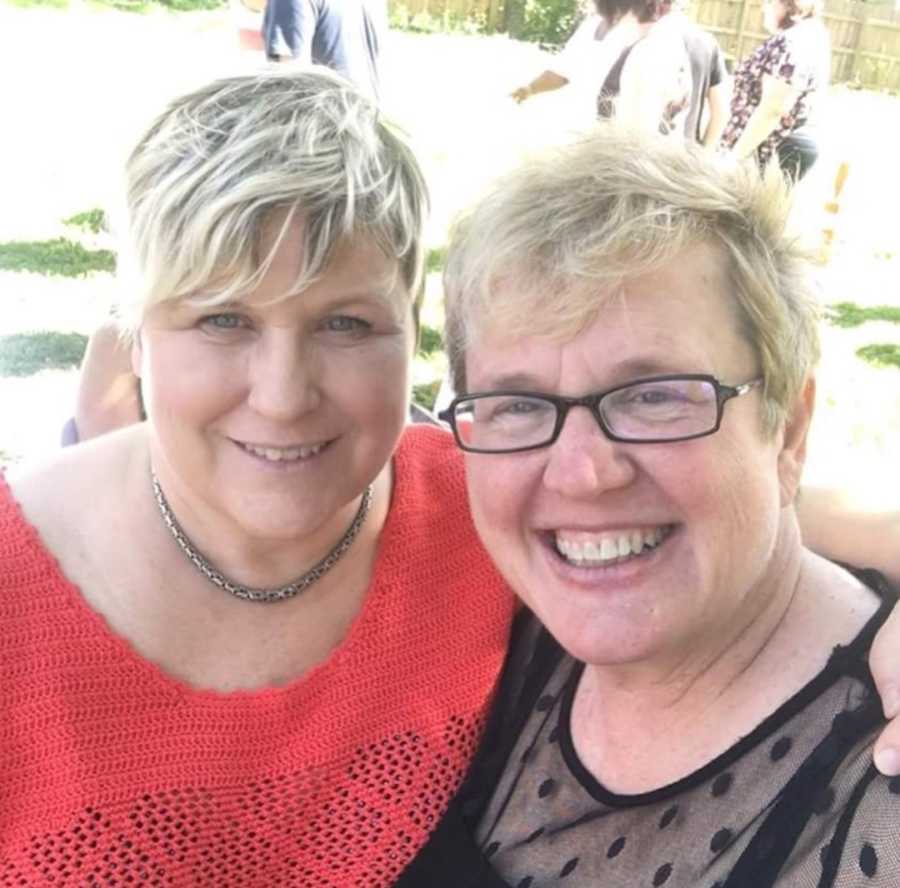
When asked for advice, I always say this: It is never too late to change our lives so we can live authentically. We deserve happiness—but above all, we deserve to be who we were created to be.