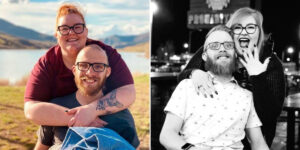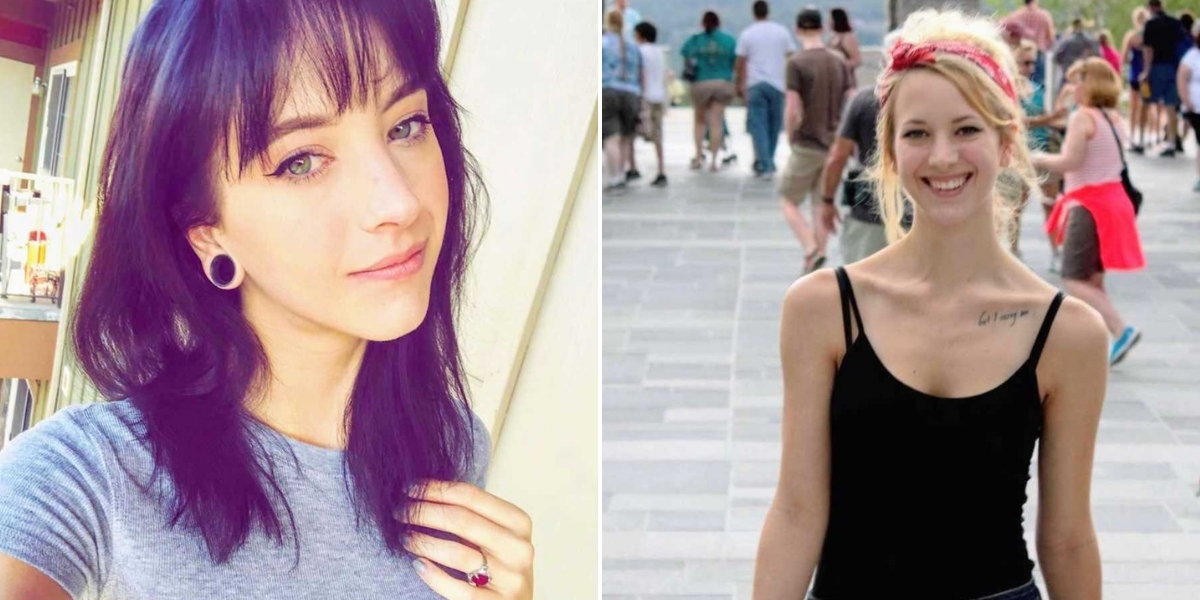
I have an eating disorder. I am in recovery, and I have been for seven years now—but the disorder is still there. Recovery isn’t linear. Some days are easy: you eat every meal and snack, feel proud of yourself, and believe you can conquer the world. Other days, every single bite is filled with fear, anxiety, and guilt. That’s what happens when your mind has convinced you that food is the enemy.
Looking back now, I can clearly see the signs. I was always preoccupied with my body and my size. As a teenager, my relationship with food became deeply toxic. I had always been considered a “skinny girl,” but my eating habits were extreme—I either ate constantly or not at all, depending on how I felt that day. Teenagers can be cruel, and I learned that early. I was teased for how much I ate and labeled “the big one” in our friend group, even though we were all roughly the same size. Those comments stuck with me, and they hurt more than I let on.
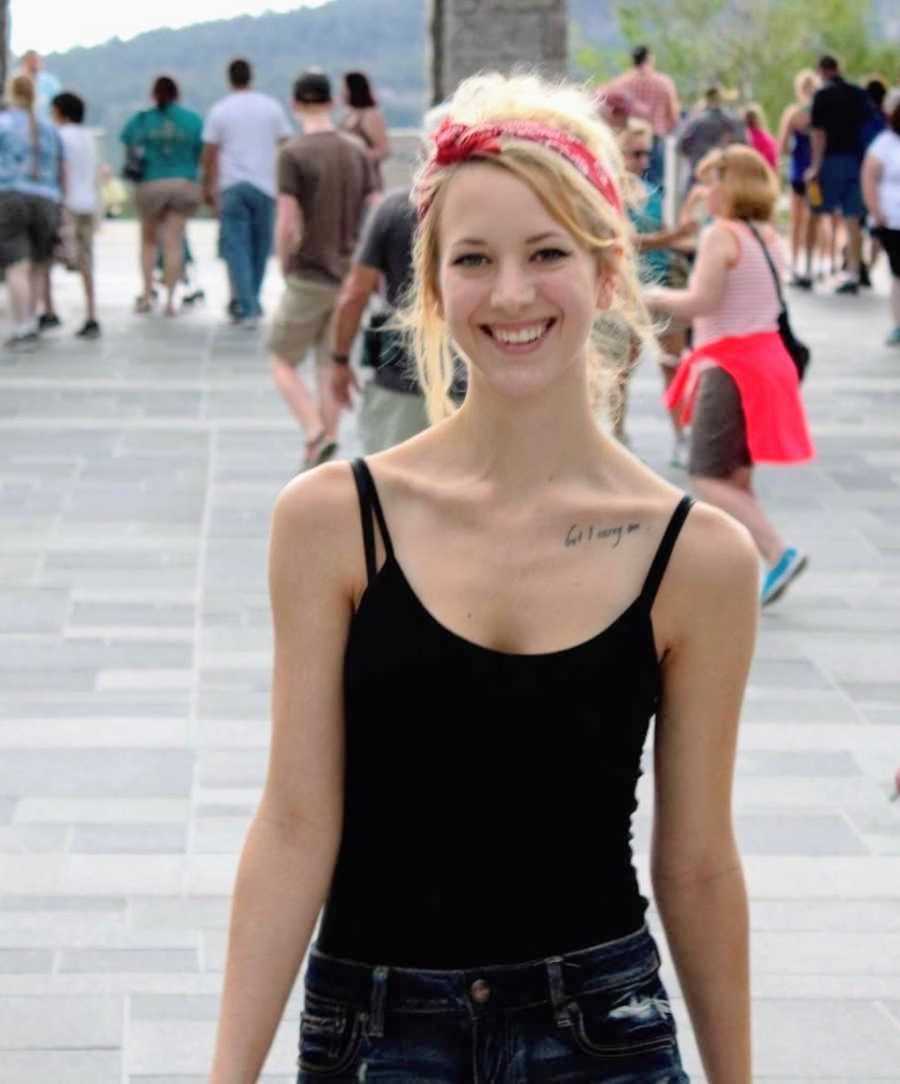
The entire summer before college, I barely ate at all. My mom was scared, but I didn’t care—mostly because I didn’t even realize I had a problem. When I went away to college, I gained weight quickly. The freshman fifteen was very real, and it actually brought me to a healthy weight, though I didn’t see it that way at the time. I was distracted by new experiences, new people, and independence. Everything felt fine until I went home for break.
I remember sitting at the dinner table with my family during spring break when someone softly said, “She’s a size five now.” The words were spoken delicately and followed by silence. I’m sure they were meant to comfort or reassure, but instead they left me confused and unsettled. Why did it matter? Why was my body being measured at all?
By the time I moved back home the following summer, I was back to my “normal” size—underweight again, without even realizing it. This time, I was congratulated on my weight loss. A few months later, during Thanksgiving break in my sophomore year of college, something happened that changed everything. I’ve blocked out most of what was said to me that night, but I will never forget the pain I felt. It was overwhelming and crushing.
When I returned to school, I fell deeply into my mental illnesses. I don’t know if it was the trauma of that night or an attempt to numb the pain, but I spiraled fast. I began restricting more severely. I used diet pills. I purged. I self-harmed. I was completely unraveling. I felt like I had lost control, yet at the same time, I didn’t want to stop. I told myself over and over, “This is what you deserve.”
The months that followed were some of the darkest of my life. My weight fluctuated, and as summer approached, I slowly began reaching a healthier mental space. With the support of my best friend, I started eating more and stopped self-harming—for a while. She was the only person who knew absolutely everything, and she never walked away. She looked at me one day and said, “You don’t deserve this pain. And you don’t deserve anything that was said or done to cause it.” I believed her.
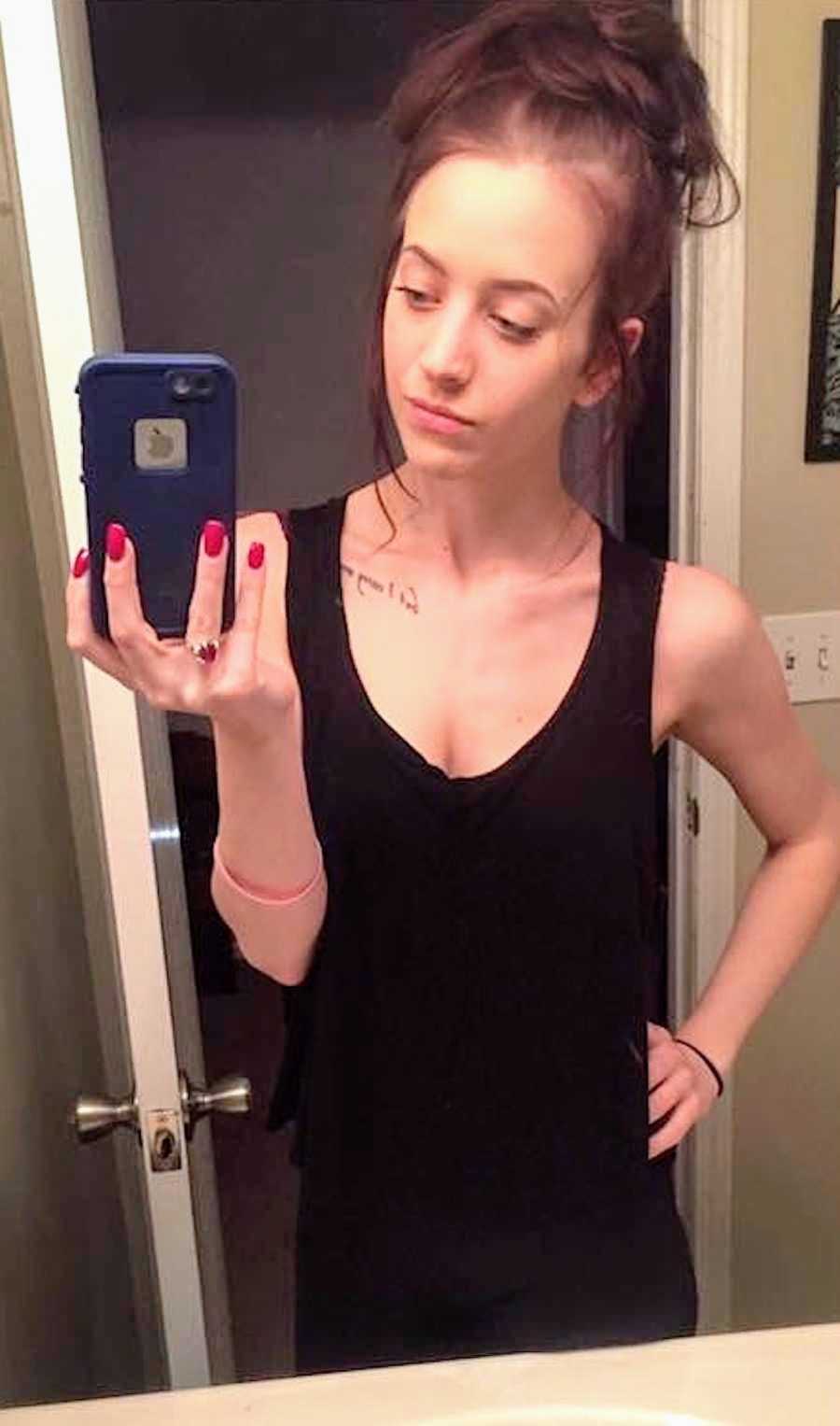
Unfortunately, that clarity only lasted a couple of months before I slipped back into old habits. This time, it was different. This time was the beginning of the end. I fell apart completely. I reached my lowest weight, and my mind felt empty. I was surviving on less than 500 calories a day. I was numb. I was wasting away. I was dying. My friends and family intervened multiple times, hoping that simply asking me to get help would be enough. It wasn’t. Eventually, I was given an ultimatum: move home and go to treatment, or you’re on your own.
Terrified of losing my freedom forever, I moved home. Living with my parents wasn’t ideal, but I had no other option—I couldn’t support myself. So I did it. I moved home. I started treatment. Things were still very hard at first, especially adjusting to the meal plan. After suffering in silence for so long, I didn’t even know how to talk about what I was feeling. Group therapy was especially intimidating and uncomfortable.
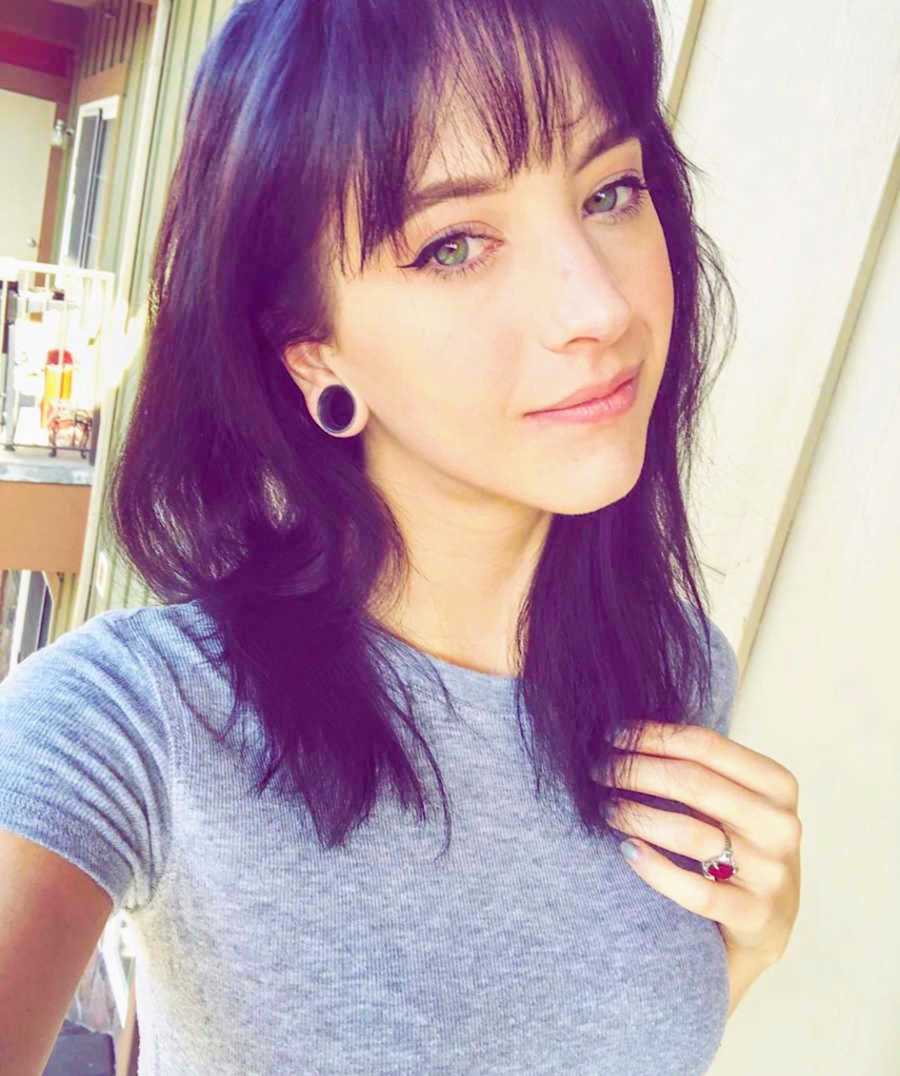
I was placed on supplements to help move the number on the scale, and that was a major wake-up call. I went home that night and sobbed in my mother’s arms. I didn’t want to become one of those severely ill people you see in TV specials about anorexia. That was the moment it finally hit me: recovery was my only choice. I had to do it—not just for myself, but for those who lost their lives to this illness and for those still fighting, so they could see someone and think, “I’m not alone.” From that moment on, I committed to recovery fully. I opened up to my therapist, the man who quite literally saved my life.

He was one of the first people who truly listened to me. He didn’t interrupt or talk over me. He validated my thoughts, my experiences, and my trauma without treating me like I was broken or crazy. I know it was his job, but no one had ever done that before. In fact, previous therapists had made hurtful comments—one even said, after hearing I was starving and self-harming, “Well, obviously it isn’t working. You look fine.” That comment nearly destroyed me.
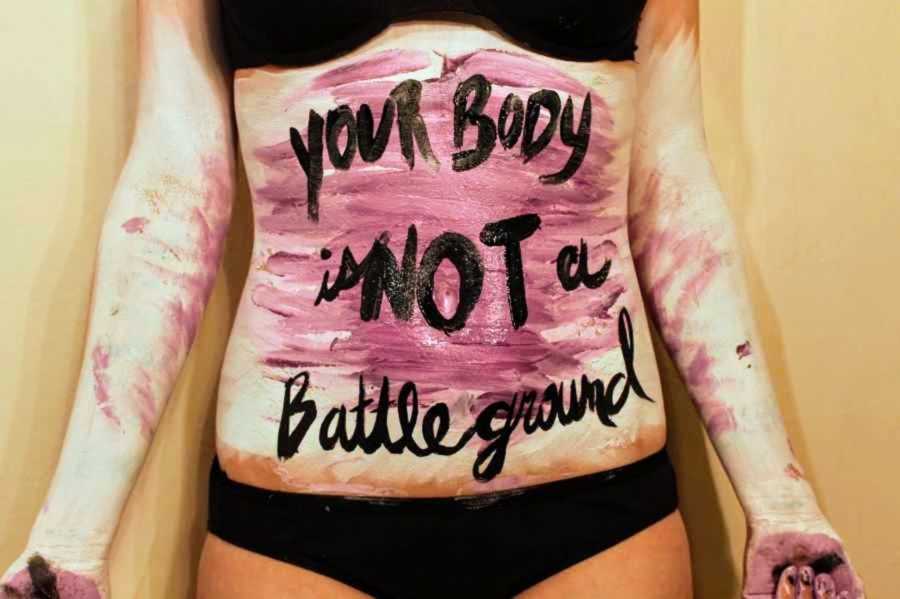
This time was different. I followed my meal plan. I drank my supplements. I smashed my scale. I found an online recovery community, and that support became a lifeline.
That’s why it’s so important to me to share my story and be honest about my recovery journey. You never know who needs to hear what you’re brave enough to say. So many people are fighting this battle quietly, and I never want them to feel alone. We are here for each other. I can still hear my therapist’s words: “The average time for full recovery is about ten years.” Eating disorders are sneaky and persistent. They lie in wait for moments of stress, exhaustion, or vulnerability. When that happens, the voice gets louder, and the fight gets harder. Breaking free from these coping mechanisms is incredibly difficult. Relapse is part of recovery—it does not mean you’re failing.
I have experienced freedom. I am free from engaging in harmful behaviors. I am at a healthy body weight. I know what it feels like to truly live. Having tasted life makes it easier to fight the urges when they return. When I feel myself slipping, I remind myself of the strength I’ve gained and the people I’ve helped along the way. I tell myself, “You can’t show others that recovery is possible if you aren’t choosing it yourself.”
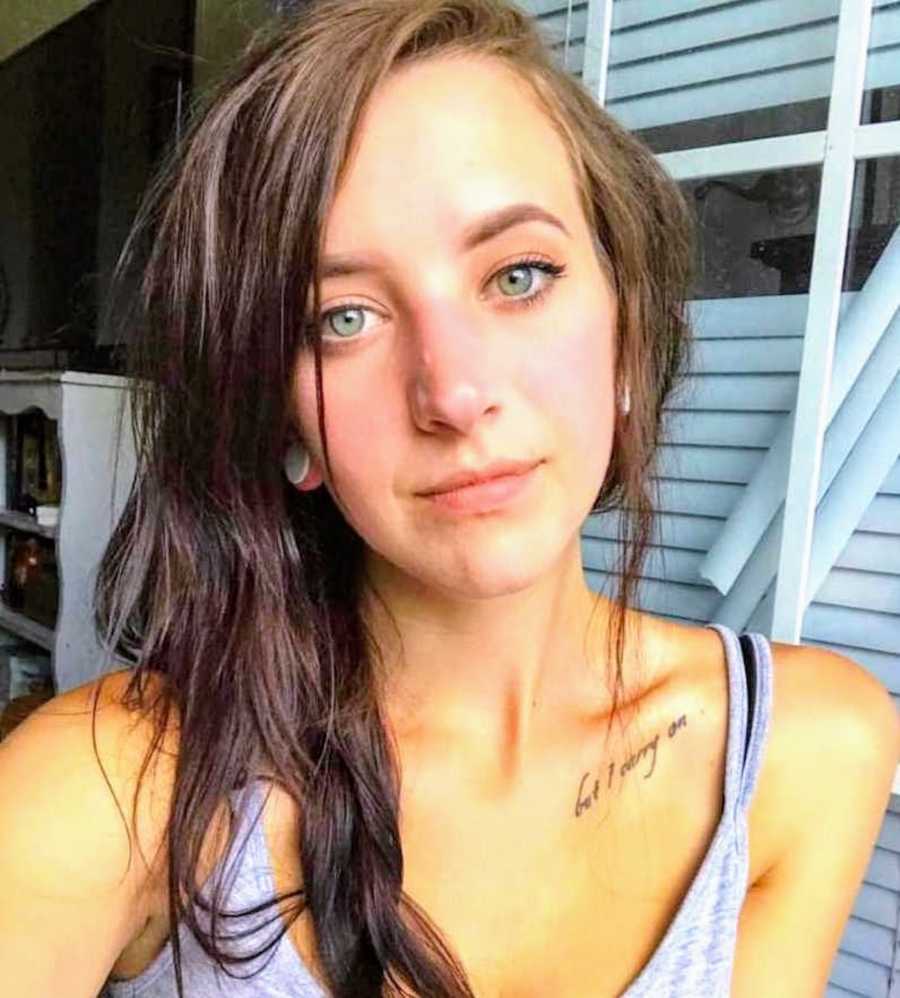
This matters to me deeply. Of course I want a better life for myself—but more than that, I don’t want anyone else to walk this road alone, unsupported, and unheard.
Recovery is a long journey, but it is worth every minute. It’s worth every tear and every mistake. There is an incredible online community filled with people who understand this struggle, and that connection is one of the most beautiful parts of healing. The bond between those who share this illness forms instantly and lasts forever. We are warriors together. I will continue to share my story and work to break the stigma surrounding eating disorders. No one deserves to feel alone. Recovery is possible—and it is beautiful.