
My name is Ashley, and I’ve lived with migraine for as long as I can remember. I was first diagnosed at just five years old, and by my mid‑twenties, those migraines had become chronic. I’ll be 34 in March, so it feels safe to say that most of my life has been shaped by this debilitating neurological disease. As much as I’ve tried to outrun it, migraine has woven itself into who I am. Chronic migraine, for those unfamiliar, is defined as having fifteen or more headache days per month over a three‑month period. That definition has been my reality for many years.

When I was younger, my migraines were considered “episodic,” meaning they occurred fewer than fifteen days a month. Still, from early childhood through high school, college, and beyond, migraine pain followed me every step of the way. The causes of chronic migraine are complex and still not fully understood. Stress, food, genetics, weather changes, hormones, lack of sleep, skipping meals—there are countless contributing factors. There is no universal solution or simple answer, and managing this illness looks different for everyone.
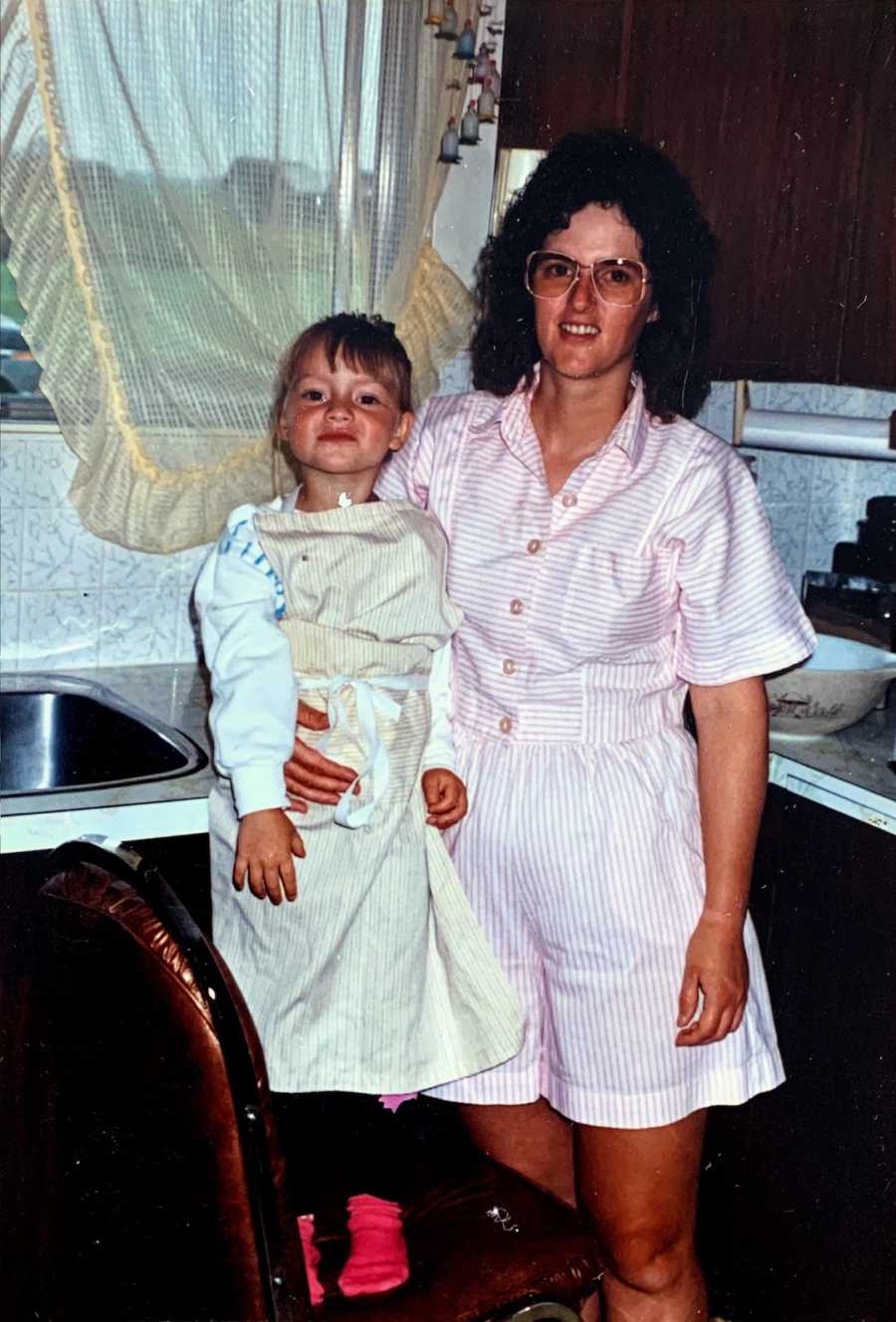
I grew up as a small‑town farm girl who loved animals, plants, sewing, and cooking. I was an only child, and I don’t remember knowing anyone else my age who openly talked about migraine attacks. At the start of every school year, my mom would speak with my teachers, explaining that I suffered from severe migraines and asking them to keep children’s Tylenol on hand. Many days were spent curled up in the dark school sick room, my head pounding, nauseated, and overwhelmed by light and sound. I’d try to sleep on the bus ride home, vomit at the end of our driveway, and collapse inside the house. My mom would give me medication, tuck me into her dark bedroom, and have supper waiting when I woke. Time, rest, and sometimes medicine were my only relief.
As I moved through junior high and high school, I did my best to balance academics, home life, and migraine attacks. After graduation, I enrolled at Marvel College to become a hairstylist. I was excited to begin my career, decorate my own apartment, and chase my dreams—but migraine never loosened its grip. Working in a salon with bright lights, loud noise, and strong chemicals was incredibly difficult. Between clients, I would sometimes lie down in the dark waxing room, hoping to calm the pain. Eventually, I transitioned to a quieter office job, believing fewer triggers might finally help. I dimmed the lights, used an anti‑glare screen, and tried everything I could—but the pain only intensified.

By 2016, I reached my breaking point and took a medical leave from work. I was emotionally, physically, and mentally exhausted. Living with daily pain worsened my depression and anxiety, and I ultimately had a complete breakdown. The job I once loved began to feel like an enemy, and even stepping away full‑time didn’t bring relief. I left my career to focus entirely on my health. I saw countless doctors, underwent endless tests, and met with multiple neurologists—yet no one could explain why I was experiencing daily migraines.

One weekend, desperate for relief, I went to a non‑emergency health center and was admitted overnight for an IV migraine cocktail. The doctor on duty that night became my guardian angel. She suggested that I wasn’t dealing with just one headache disorder, but multiple. That conversation led to a referral to a specialized neurology clinic. When the call came sooner than expected, I felt hopeful for the first time in years. Under the care of Dr. John, more tests followed. Everything came back normal—yet I finally received a name for my suffering: refractory chronic migraine. For the first time, my pain had an explanation, and with it came hope.
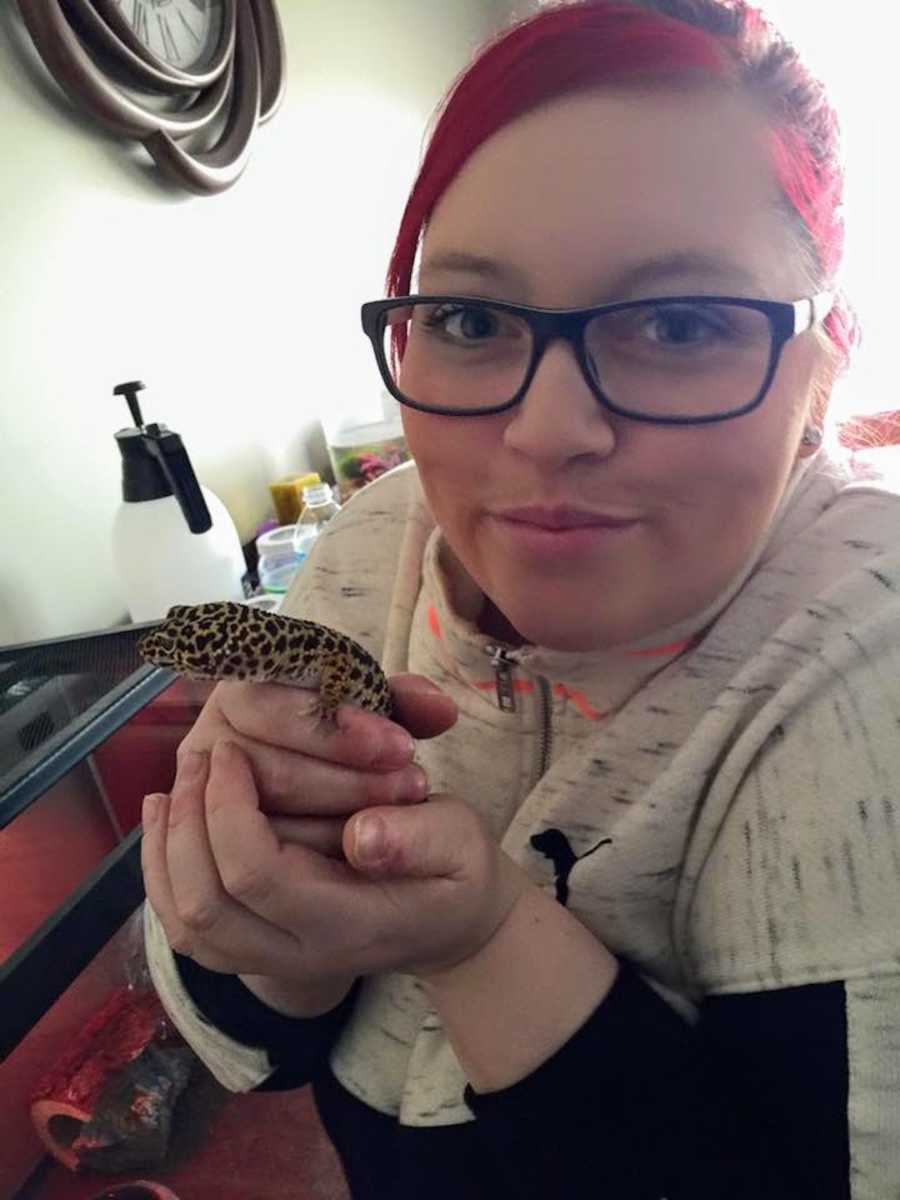
Treatment began immediately. I tried countless preventive therapies—antidepressants, anti‑seizure medications, blood pressure drugs, nerve pain medications, Botox injections, nerve blocks, triptans, nasal sprays, migraine injections, massage, acupuncture, and more. I researched endlessly, tracked triggers, adjusted my diet, and asked every question imaginable. Still, the pain showed up daily. Chronic pain takes a profound emotional toll, and despite having a loving family and spouse, I felt deeply isolated. I had never met anyone else living with chronic migraine—until November 2018, when I created an Instagram account to share my journey.

What followed felt surreal. I connected with people from all over the world who understood exactly what I was going through. For the first time, I felt seen, heard, and accepted. A sisterhood formed among fellow chronic illness warriors, and sharing my story no longer felt so frightening. As I opened up about my depression and anxiety, I realized how deeply intertwined they are with chronic migraine. So many people were suffering silently, believing they were alone.

While nothing can replace the love of family, finding others who spoke the same “migraine language” helped me heal in ways I never expected. An illness that once filled me with shame helped me grow stronger and more compassionate. I now have close migraine friends I check in with regularly—sometimes it’s a deep conversation, other times it’s a meme or a virtual hug. As I grow older, new challenges emerge, including dreams of starting a family and returning to work. I’ve been home‑bound for five years now, and that realization still takes my breath away. There are hard days—days when simply existing feels overwhelming and all you can do is surrender.

My mom lived with fibromyalgia, and I like to think I inherited her strength. Strength, I’ve learned, isn’t pretending everything is fine—it’s asking for help and honoring your limits. I am endlessly grateful for my compassionate spouse, who has stood by me through years of pain. Though he may not fully understand migraine, he shows up every single day with patience and love.

If I can leave you with anything, let it be this: you are more than your illness. Chronic migraine does not define you. Never stop advocating for yourself, asking questions, and seeking new treatments. Your worth is not measured by productivity or success. If my story brings you comfort, hope, or belonging, then sharing it has been worth it. I never imagined I’d become a migraine advocate—but here I am. Thank you for listening, for caring, and for walking this journey with me. Here’s to living full lives, even in the presence of chronic migraine.