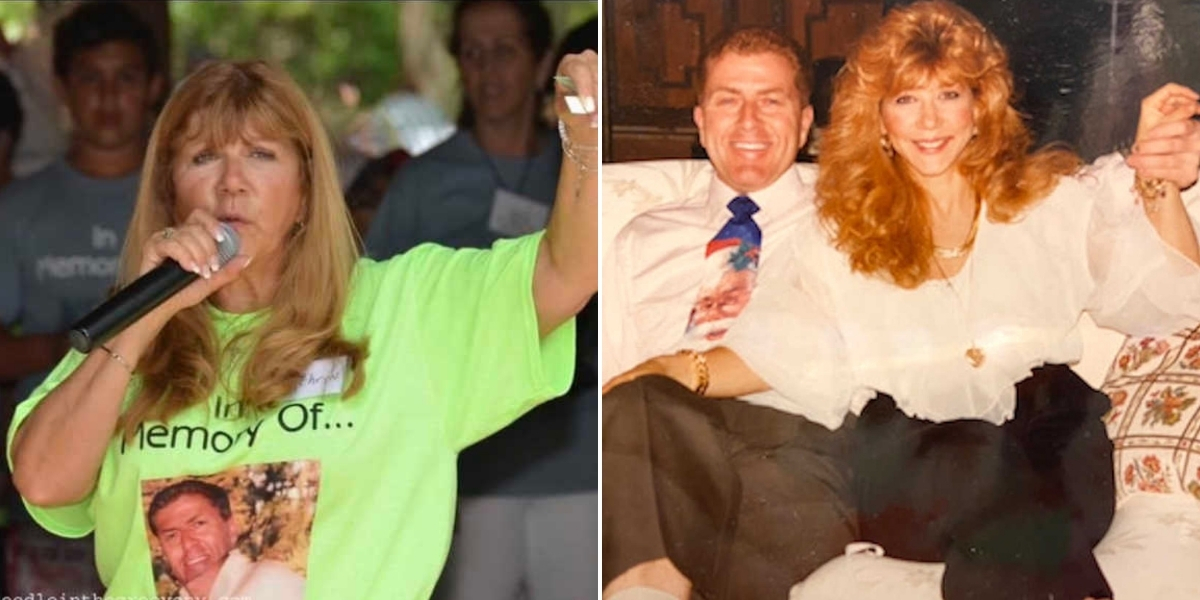
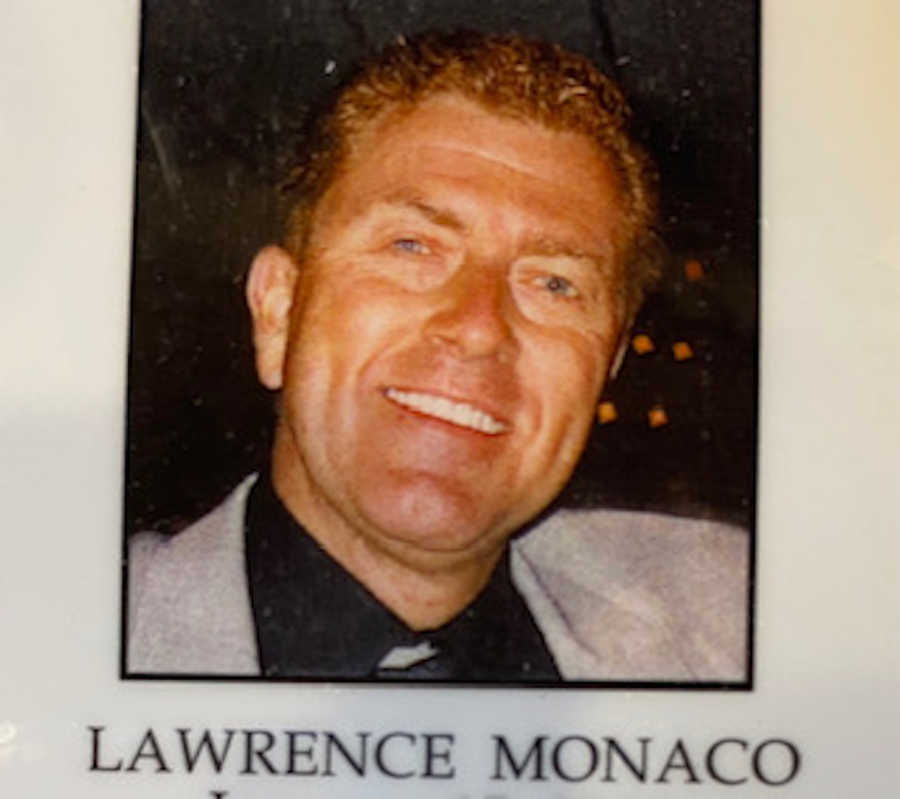
By the age of 42, I had been married to my husband, Larry, for 19 wonderful years. We were happy, busy, and fully immersed in raising our three children. Life felt full and complete—until that one morning, January 15, when everything changed. Larry had been in the shower when he suddenly called out to me, his voice trembling with fear. He had found a lump in his arm and said he felt like he “was going to die.” He didn’t say he might faint—he said he felt like he was going to die. His words froze me in place.
Panicked, we rushed to a local specialist. Tests were run, but the lump could not be located. The doctor suggested it might have been a blood clot that had already dissolved and sent us home. Life returned to its normal rhythm—or at least, we tried to convince ourselves it had—until exactly one year later. On January 14, Larry woke up with a lump in the same arm. We went back to the same specialist, and the technician performing the sonogram noted the exact anniversary of the first scare. We sat in the doctor’s office for two long hours, only to be told to go home, elevate Larry’s arm, and take it easy. We were handed an appointment card to return in three days. Shocked and confused, we did as instructed, trusting the system despite our growing fear.
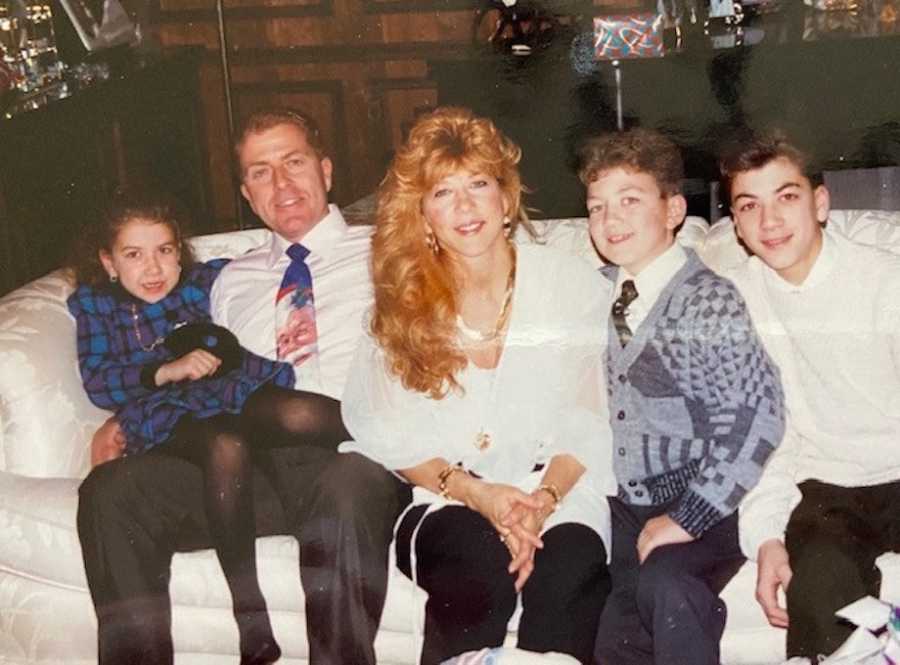
The next morning, January 15, began like any typical Saturday. We made pancakes, shared breakfast with two of our children, and embraced the comfort of ordinary family life. Later, I went out with my 14-year-old son to buy groceries for dinner, while Larry stayed home with our daughter. As I was leaving, Larry called me back for a kiss. I went over to him, hugged him tightly, and whispered, “I love you.” Little did I know, those words would be our last.
When I returned from the store, our daughter’s panicked voice pierced the calm: “I am trying to wake up Daddy, but he won’t wake up!” At just 44 years old, my Larry had passed away in our home that day from a blood clot—a tragic result of medical negligence. My world, once steady and warm, shattered in an instant.
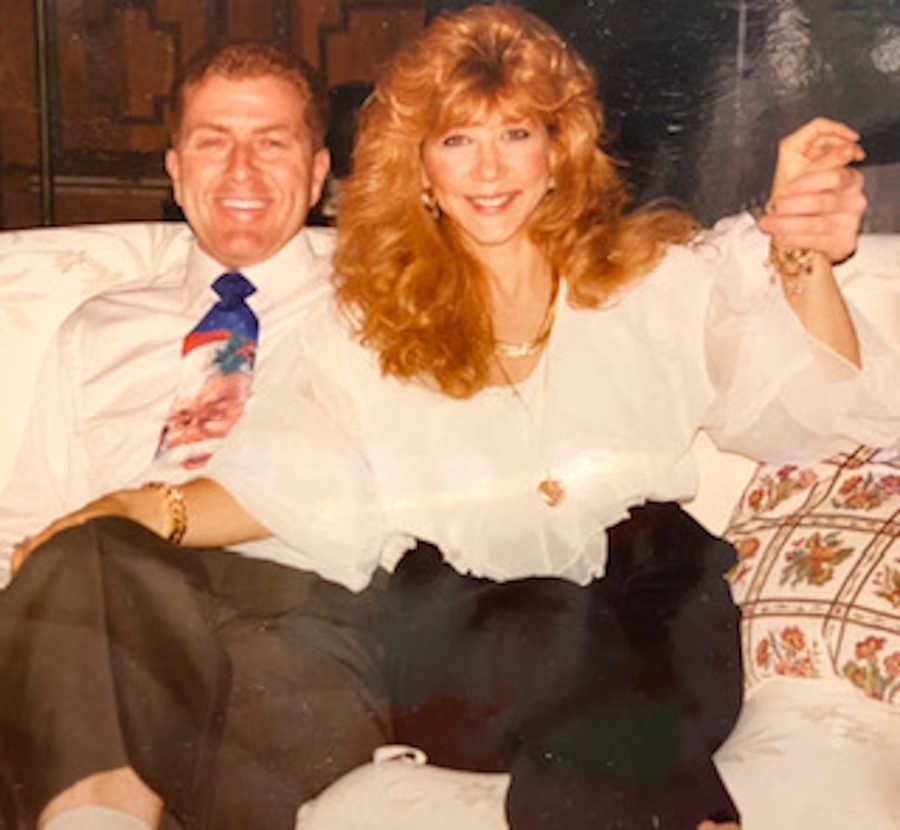
At the wake, my mother-in-law said, “If only God could have given him one more year.” I thought to myself, God did give him one more year. She wondered aloud about his final thoughts. I knew because, after the first scare a year prior, Larry had confided, “All I could think about was you and the kids.” It comforted me to know he had been thinking of us in his last moments, but the ache of his absence was unbearable. For months, I battled waves of grief and despair, even suicidal thoughts. I had lost a part of myself the day he died, and I knew life would never be the same.
Shortly after Larry passed, my sister, seeing how lost I was, signed me up for a local bereavement group. I was frustrated to learn I could not attend until three months after my loss. But what about those first three months when life felt like hell? I had no guide, no roadmap for surviving without Larry. How would I care for our children alone, manage the household, pay the bills, make decisions we once made together? How could life possibly continue without him?
I didn’t want to be a widow at 42. People told me I was strong, and I would respond, “What choice do I have?” I had no choice. So, I attended the bereavement group. The widows and widowers I met were the only people who truly understood the depth of loneliness and pain that comes with losing a partner. Over time, I formed close friendships and, after a year, met a widower from the group. Between us, we had six children. I reminded myself, “If I do not change something, nothing will change.” We took it slow, mindful of the healing we and our children needed. Five years after losing Larry, I married again, adopted my husband’s children, and together, we created a large, loving family.
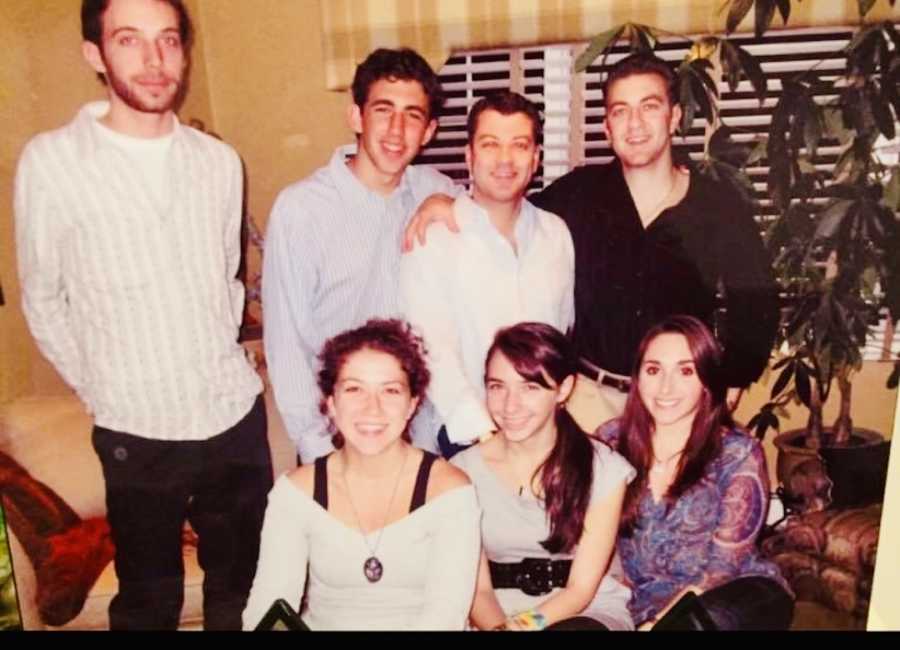
Not long after remarriage, I began thinking about starting my own bereavement group. I remembered the strict, inflexible rules of the groups I had attended—the mandatory three-month wait, the emotional overload of sharing details too soon, and the abrupt ending of support after eight weeks. I wanted to create something more compassionate, ongoing, and flexible.
I first reached out to a local organization with my idea and was rejected because I wasn’t a social worker or psychologist. But I didn’t give up. I knew my personal experience gave me unique insight into what grieving people needed. With courage, I approached my church, St. Matthews in Dix Hills, and they welcomed the idea. I received training, and together, we launched the Long Island Young Widows and Widowers (LIYWW) group. Our first 8-week session began with a small group of newly widowed individuals.
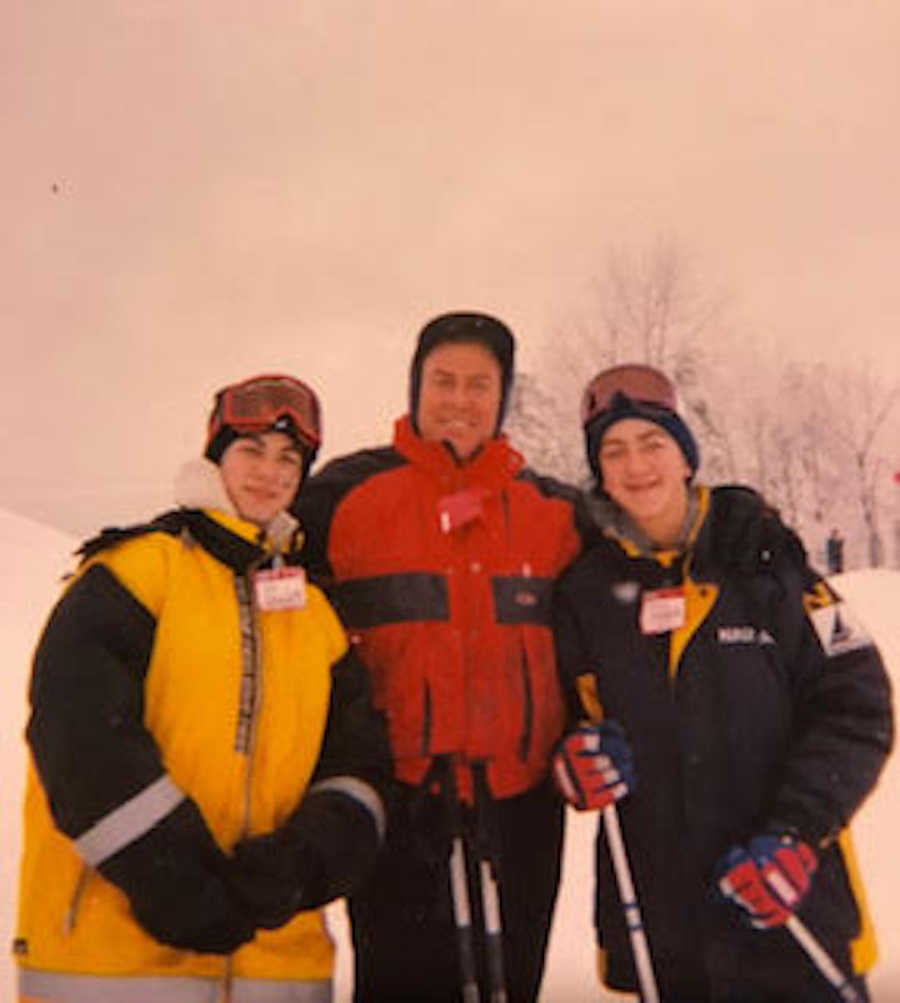
Since then, LIYWW has grown steadily through word of mouth. Over 15 years, we have helped thousands of women, men, and children navigate what I call the nightmare of grief. Our program welcomes widowed individuals of all ages and situations, including children who lost a parent and adults who lost partners, fiancés, or boyfriends. During the Covid-19 pandemic, we adapted quickly, taking all programs online. This allowed us to continue supporting members both in the 8-week program and in our weekly ongoing Chat & Connect sessions.
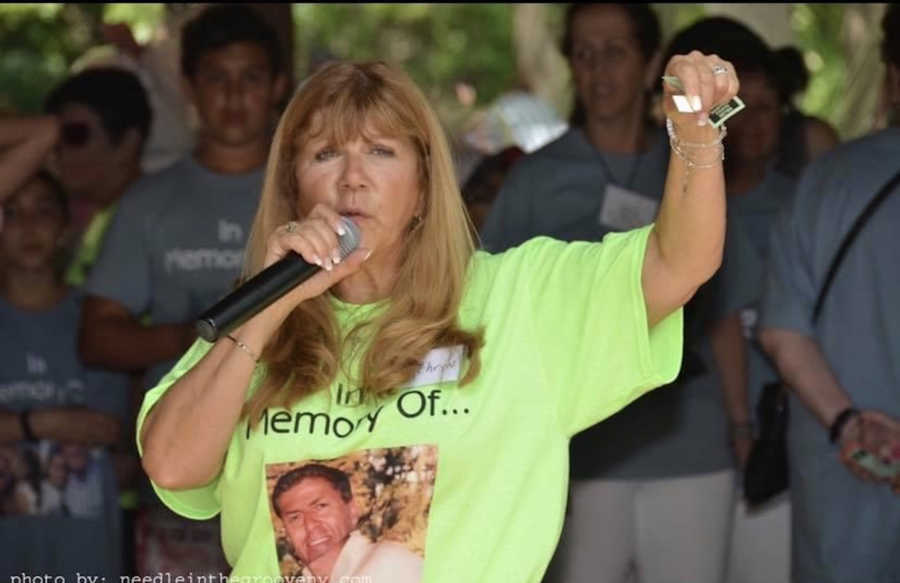
Today, LIYWW is the largest bereavement group on Long Island. I train and manage a growing team of facilitators, many of whom began as widows and widowers themselves. We have expanded globally, with members joining virtually from Canada, Ireland, and Ghana. Our group is free, non-denominational, and welcoming to all. Members enjoy ongoing support through a private Facebook community, and for years we also held a beloved walk/picnic fundraiser, honoring those who passed too soon.
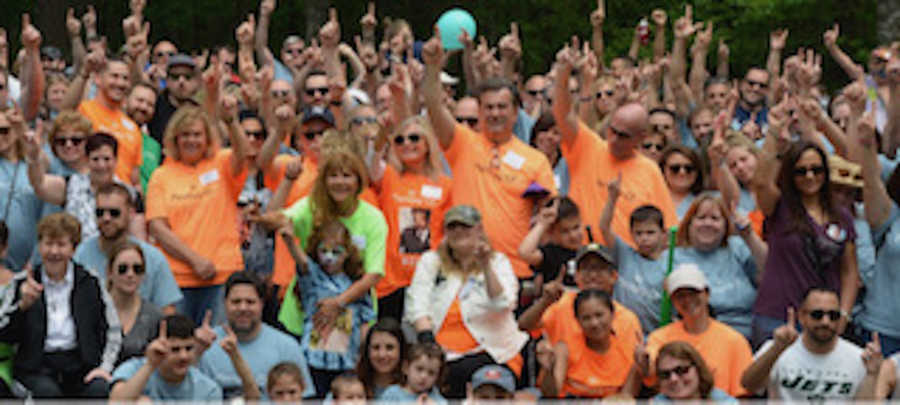
From the heartbreak of losing Larry, I found purpose in supporting others through the darkest times of their lives. What began as personal grief became a mission to help widows, widowers, and their children find community, understanding, and hope. Today, I am proud that through LIYWW, countless lives have been touched, and families, like mine, continue to heal, grow, and thrive.