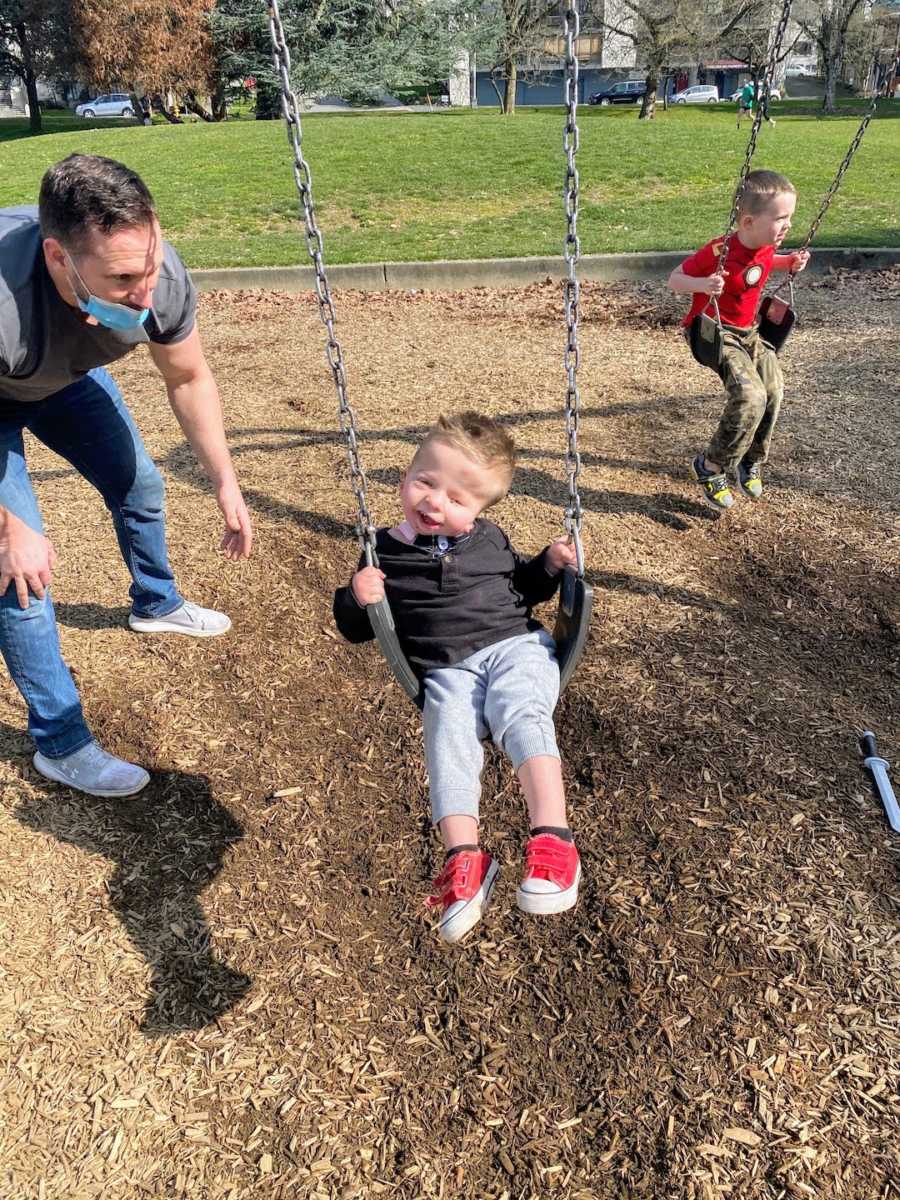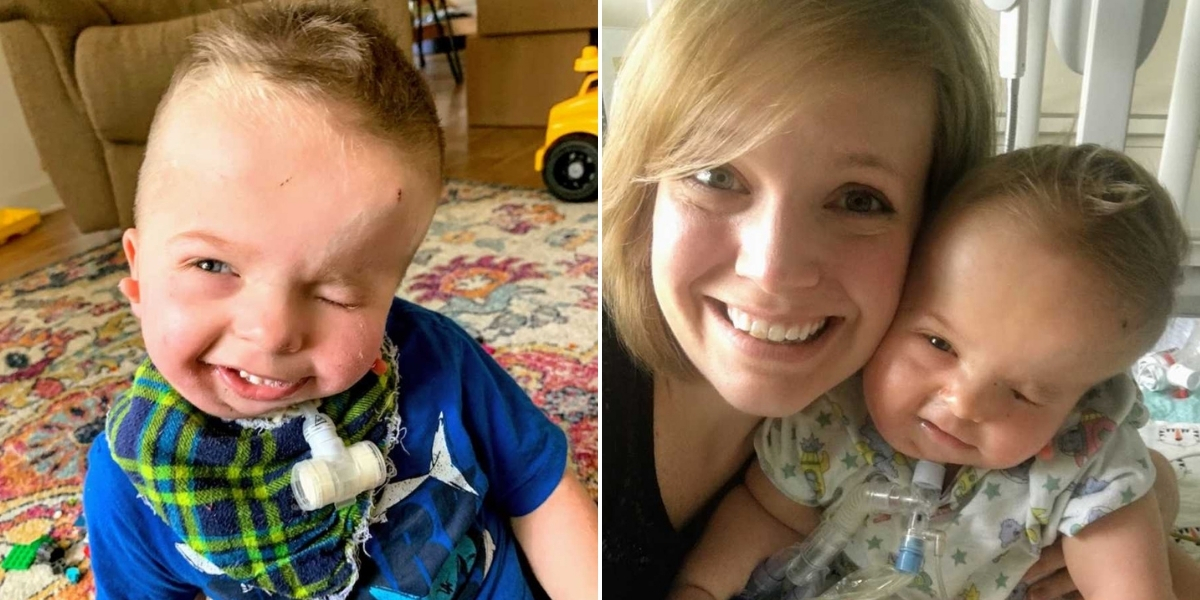
I pushed my son’s wheelchair down the sunny sidewalk, my heart hammering and my palms slick with anxiety. I found myself wishing for a rainy day just so we could stay inside. But the sky was a relentless blue, and we had to face the world. When we arrived at the playground, I parked William’s wheelchair while his preschool classmates ran toward the equipment, full of laughter and energy. Will waited patiently, as he always does, for me to help him out so he could join in.
As I scanned the playground, a familiar unease settled in my chest. Across the perimeter, a group of grade-schoolers from a nearby school sat eating lunch. My stomach tightened. I knew what was coming before I even heard it.
I set William down on the sidewalk. He loves to explore, to watch his friends, to meet anyone willing to stop and chat. He headed straight toward the group of older kids, and I followed him closely, forcing myself to breathe. And then I heard the words that made my heart clench:
“Look, the weird kid is back.”
“Hey! It’s the creepy kid! Look at him!”
“That kid’s gonna die soon.”
“Seriously! Look at his ears!”
Will walked past them, completely innocent, oblivious to their harsh whispers as if he were a regular part of the playground scenery. I wanted to shout, to confront them, to make them feel ashamed for mocking my child. But I didn’t. Instead, I followed quietly, my heart aching, searching for a way to shield him from the cruelty. For now, at least, he didn’t understand their words—or maybe he did, in some distant way only he could process.
We continued our slow circuit around the playground. Will’s steps were steadier than they had been months ago, but he still stumbled frequently, so our pace was gentle. And as I walked, I started to think more clearly. My anger wasn’t just about the words themselves. It was about the ignorance and prejudice behind them. Just because my son didn’t look like what they expected a child to look like, they labeled him “weird” and “scary” without a second thought.
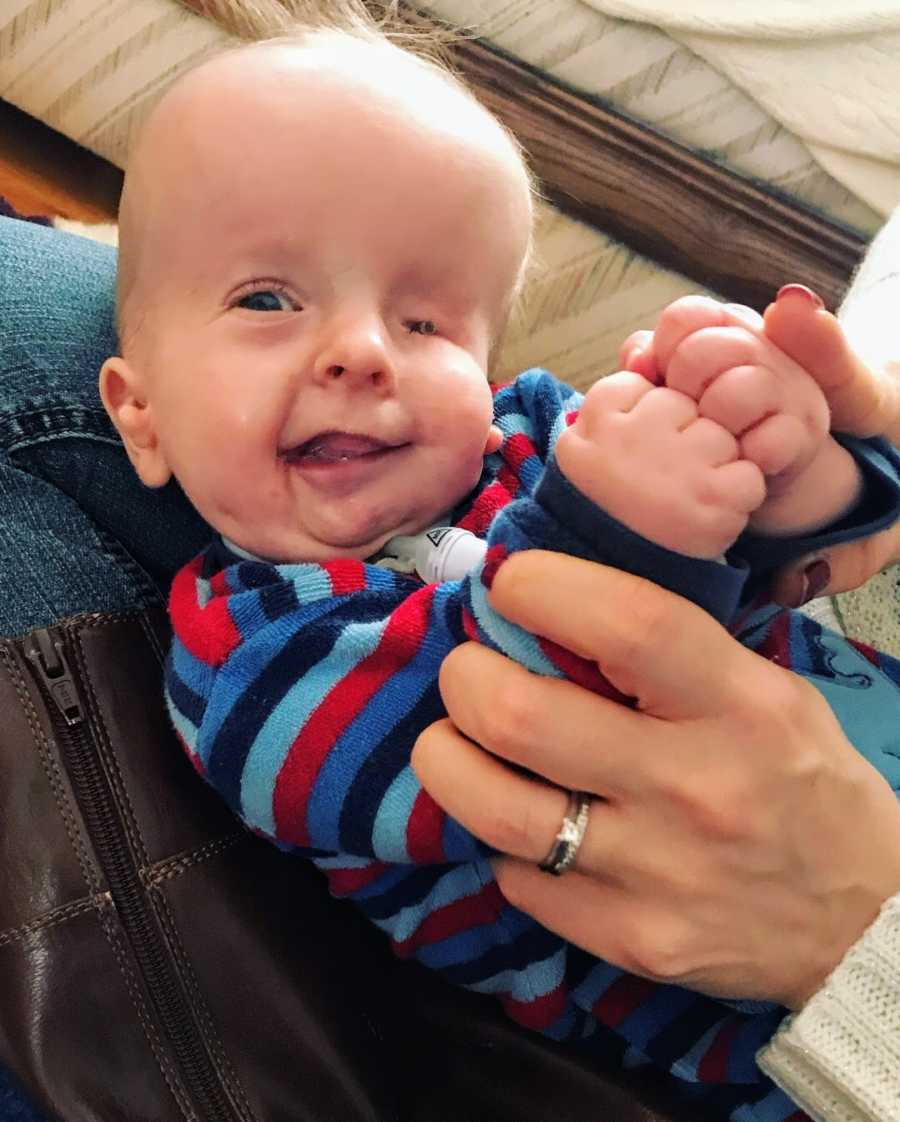
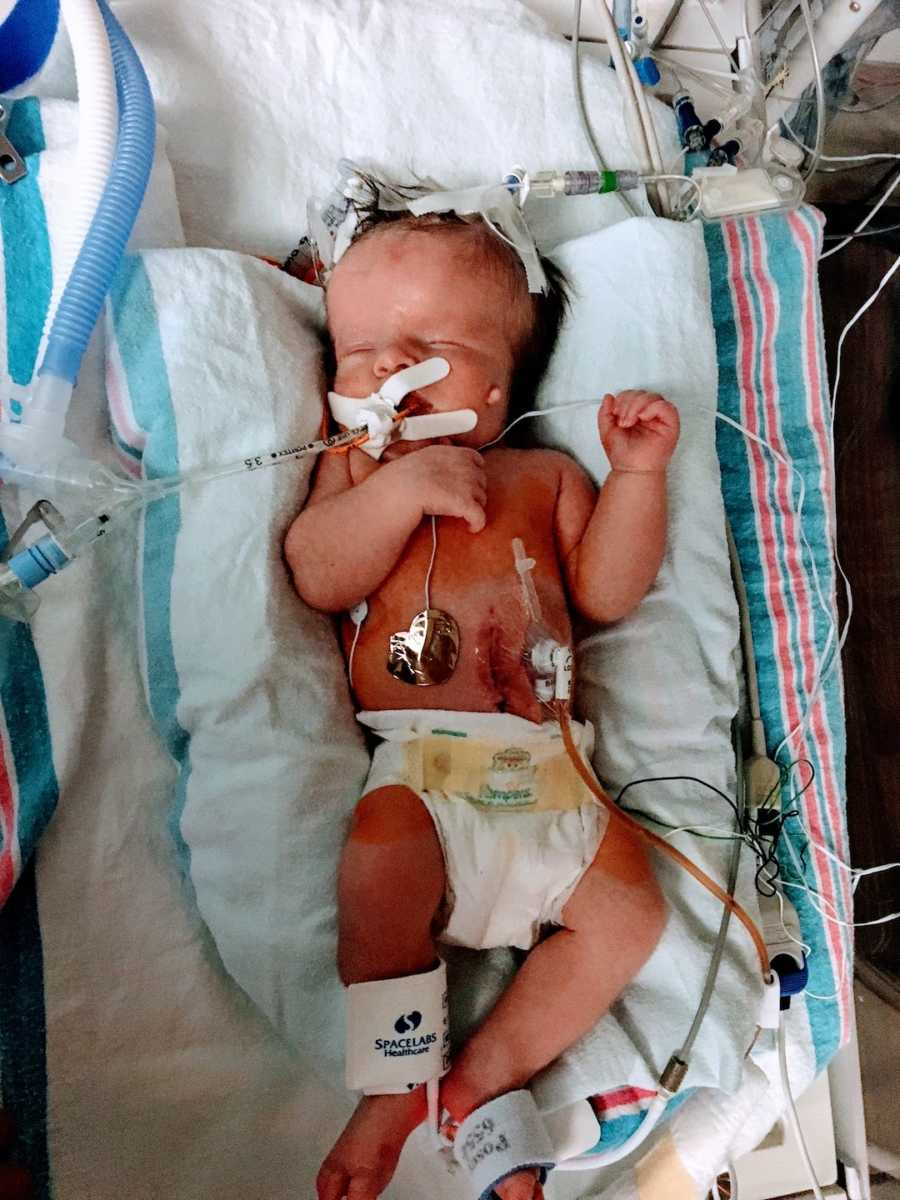
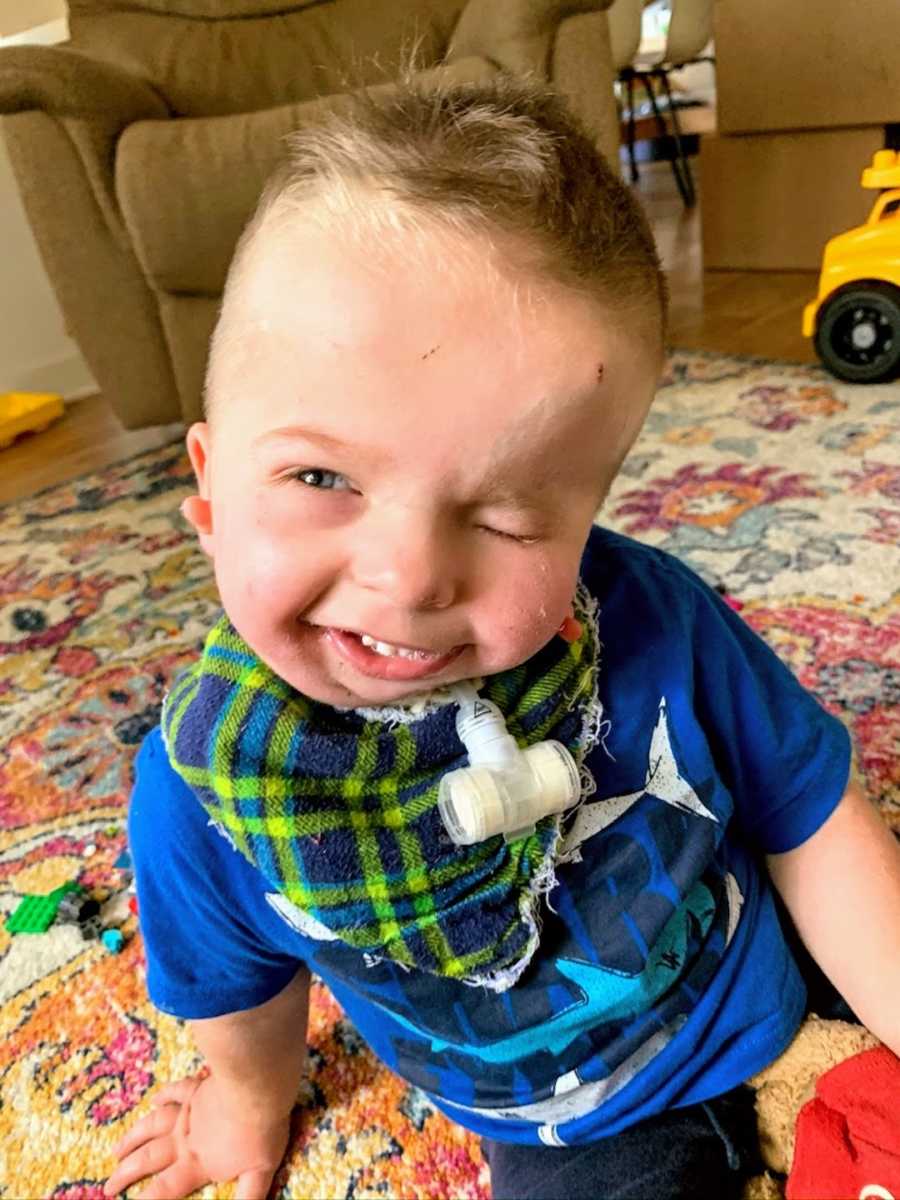
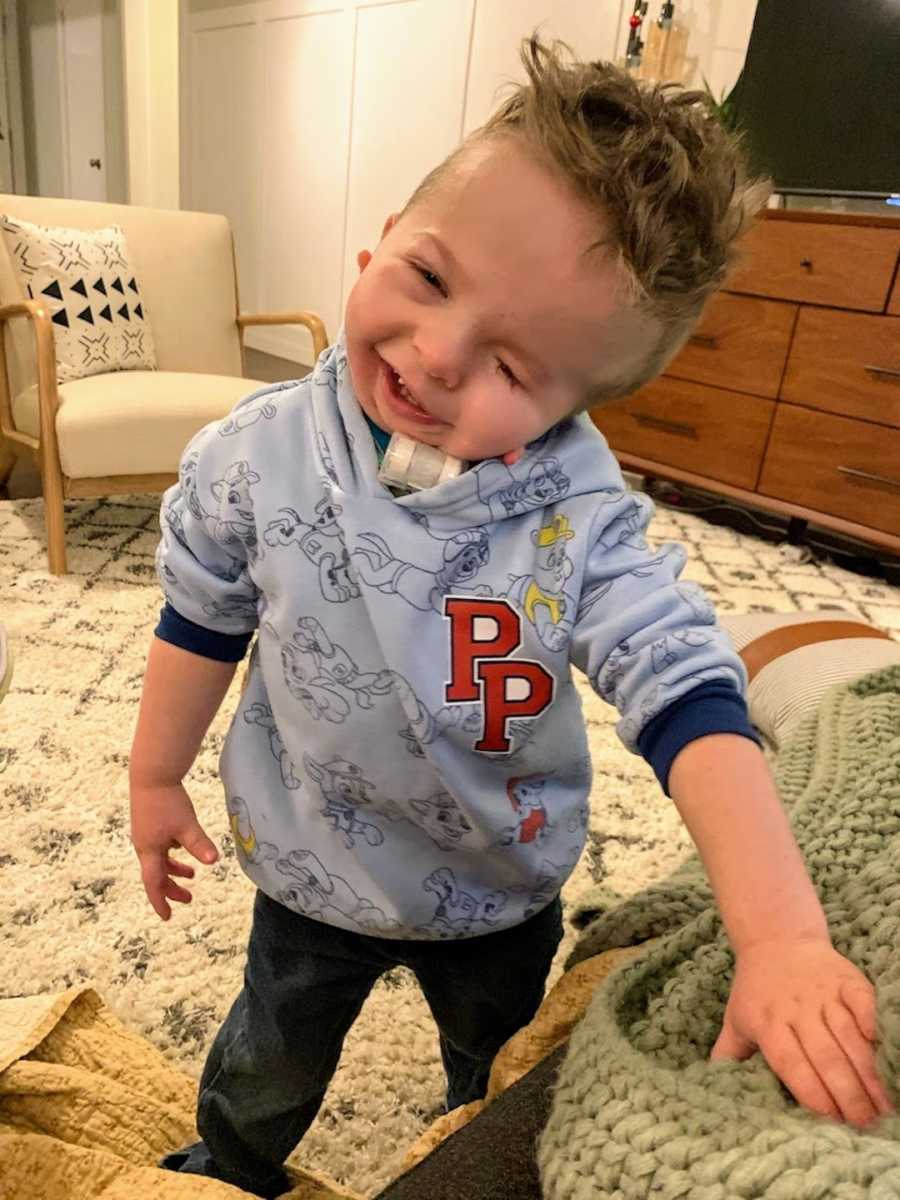
They didn’t know William. They didn’t know he was born with Goldenhar syndrome and hemifacial microsomia. They didn’t know he came into the world without his left eye and left ear, completely blind and deaf on one side. They didn’t know that in his first two months of life, he nearly didn’t survive because he couldn’t breathe on his own, and that a tracheostomy was what allowed him to thrive. They hadn’t witnessed the year it took for him to gain enough weight to appear on the growth chart at the pediatrician’s office. They hadn’t shared the countless therapy sessions, the tears we shed together as he struggled to roll, sit, crawl, stand, and eventually walk. They hadn’t seen me, frozen outside his hospital room, as medical teams performed chest compressions to revive him after he coded. They didn’t see the quiet moments, the sleepless nights, the overwhelming desire to take on his suffering myself.
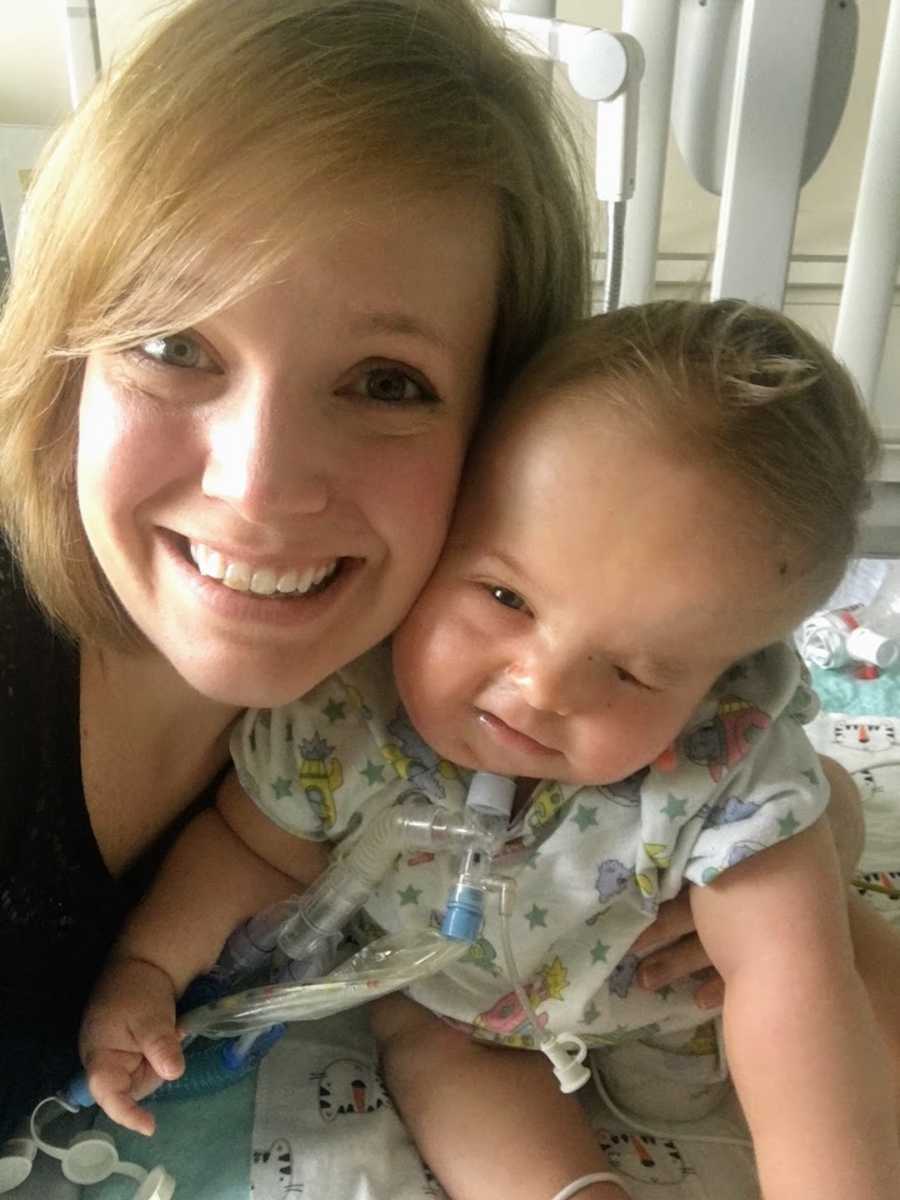
And yet, they were ready to judge.
They didn’t know the playful, warm-hearted boy William truly is. They hadn’t seen his smiles that could melt hearts, or heard his jokes that would make anyone laugh. They hadn’t watched him communicate with determination through sign language, or seen the way his eyes light up for pizza, chocolate ice cream, or “Paw Patrol.” They hadn’t seen him stand next to me at the piano, lost in music, or risk it all trying to do the same daring feats as his older brother.
All they saw was a 3-year-old who looked different—whose scoliosis tilted his head to one side, whose left ear was just a small skin tag, whose appearance didn’t fit their narrow expectations. For three weeks, those assumptions had turned into teasing, and I couldn’t let it continue.
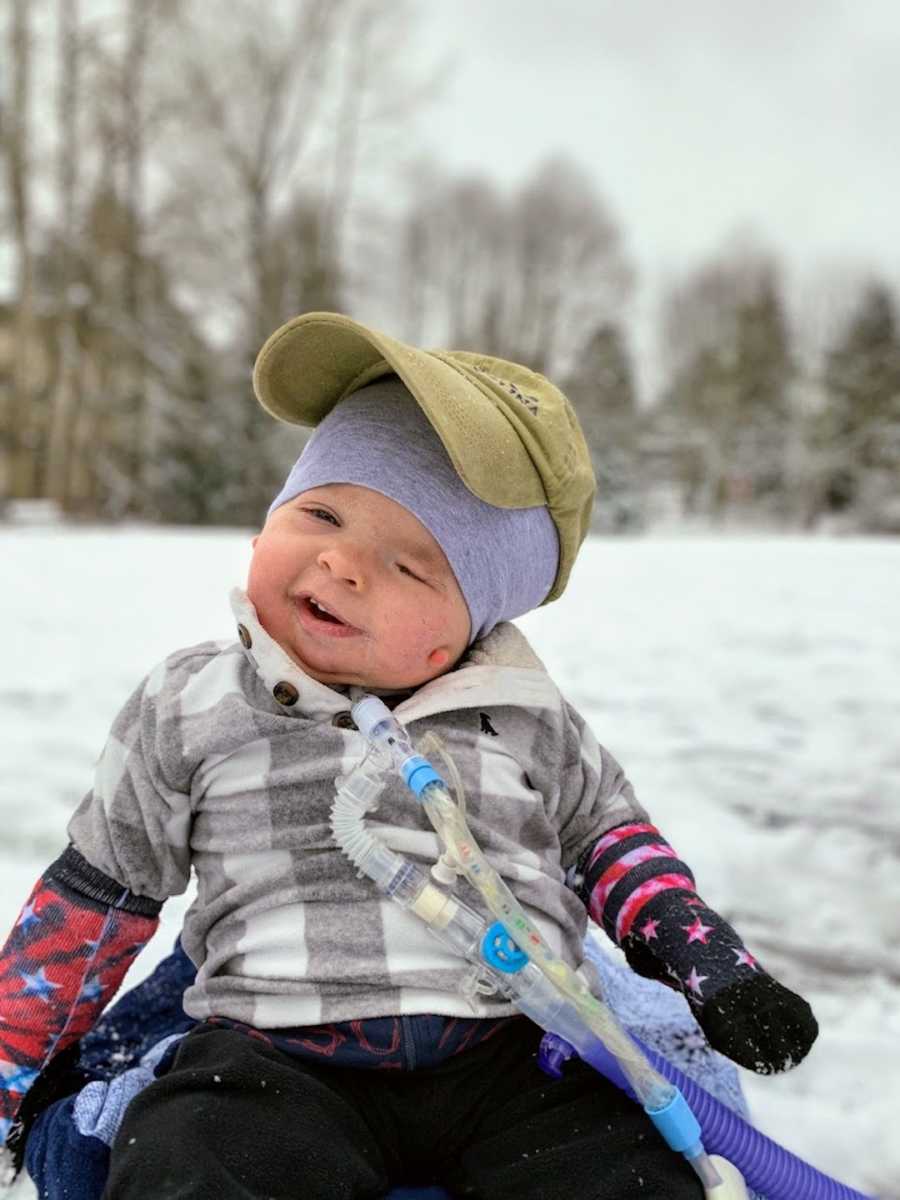
I knew what needed to happen. William needed a chance to show them who he really was. I approached his teacher, who was nearby supervising. She is deaf and hadn’t realized the taunting. I stumbled through my words in my beginner ASL, trying to explain. “William needs to meet that class,” I said. “They’re calling him weird and creepy. He can hear them, though I’m not sure he understands. They need to get to know him—most kids think different means scary.”
Her eyes widened in concern. She promised to talk to the other teachers and arrange a meeting. I assumed it would take at least a week. But within five minutes, the teachers were already speaking with the older class. William continued his walk around the playground, and soon we were passing the group again. Nothing could have prepared me for what happened next.
The children stood, approaching cautiously. Timid greetings. Curious questions.
“Why is his eye closed?”
“What’s on his neck?”
“Why is his head tilted?”
“What are those things on his cheek?”
I answered simply and honestly. William smiled and waved as they pressed closer.
“Can he talk?” one girl asked.
“Not yet,” I said, “but he can use sign language.”
Instantly, nearly every child used the one sign they knew: I love you. William’s face glowed as he signed back, “I love you.” It was a small, fleeting moment. The older kids needed to move on with their day, and William was tired, but for me, it felt monumental.
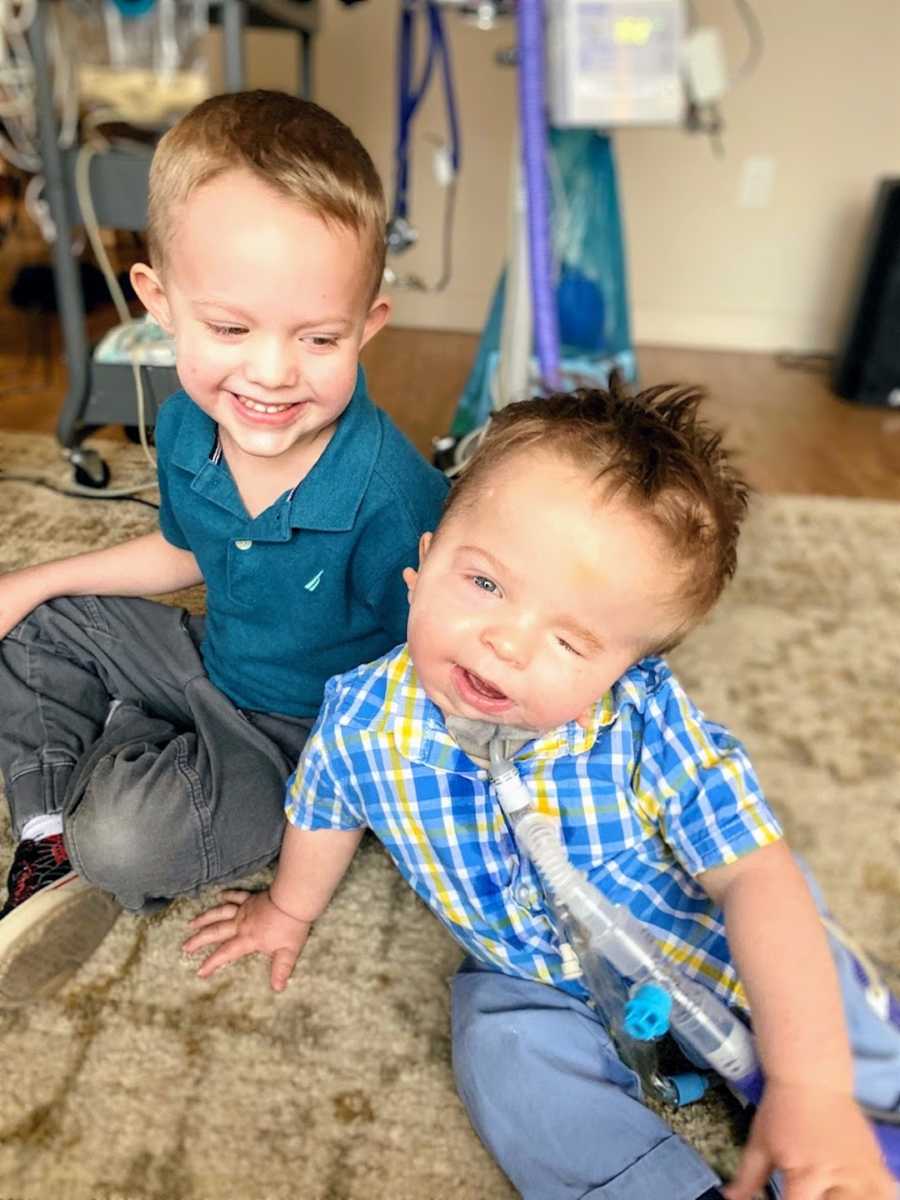
A week later, when it was time for William’s next school day, the transformation was remarkable. As he started his circuit, he was met with cheers: “Hi, William!” “William is here!” The questions were fewer, the smiles more. One little girl asked how to say “hi” in sign language. They were ready to be his friends.
Raising a child with an obvious facial difference is full of challenges. We want him to be confident, yes—but also kind. There are so many voices in the world ready to assign value based on appearance alone. Our goal is to teach William which voices matter. To help him hear the voice that calls him priceless, chosen, loved—the voice of Jesus. If he can listen to that voice, the world’s misunderstandings will feel less heavy.
The playground taught me something that day: most people, even children, don’t know what they don’t know. But when someone takes the time to teach them, to invite them to understand, the barriers crumble. William gained friends with a simple chance to be known. There are more friends in the world than we realize, if we simply lean in, ask a name, and extend our hand. We are far more alike than we are different.