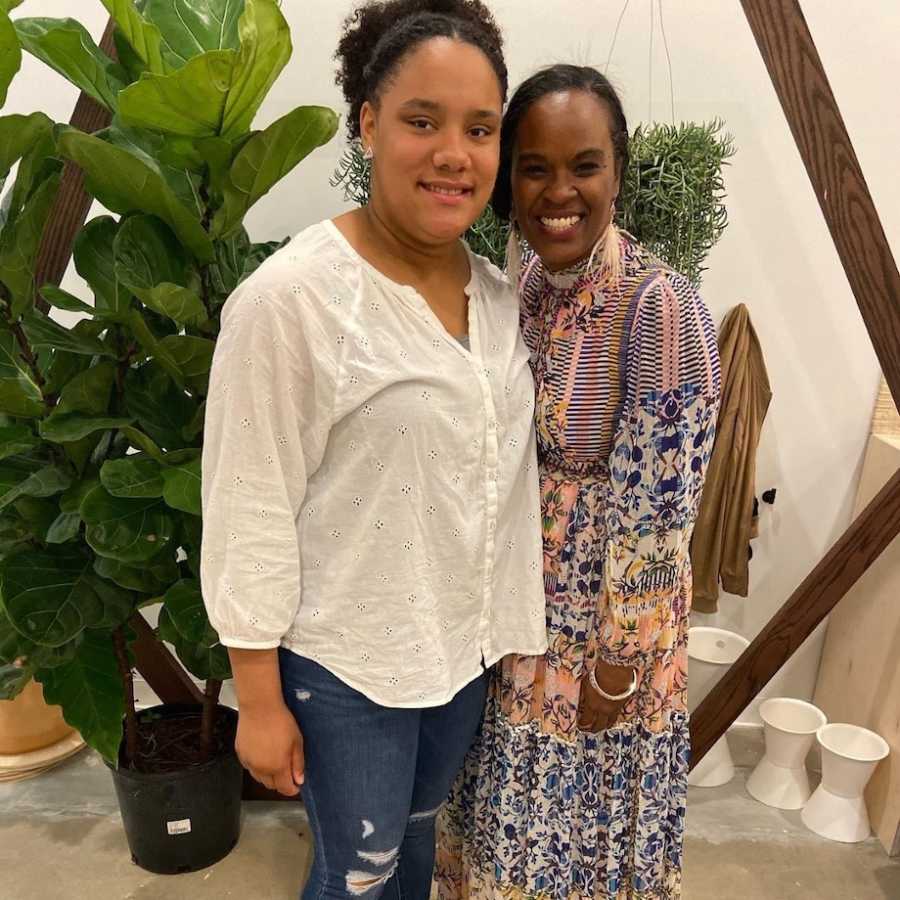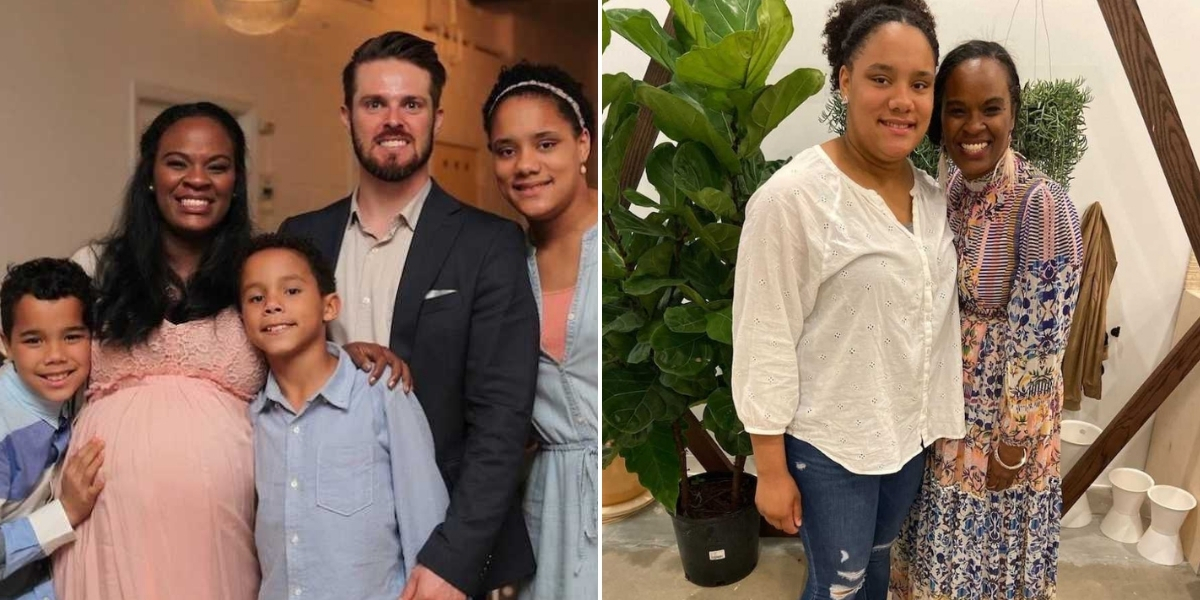
On December 18, 2007, she walked into my life with the brightest, most hesitant smile I had ever seen. Her smile was cautious, her eyes wary, as if she were trying to read my intentions before allowing herself to trust. When I reached out for a welcoming hug, she froze. Her tiny shoulders stiffened against the unfamiliar affection I offered. My heart was ready, willing, and aching to embrace my new daughter—to show her, without a doubt, that she was safe, loved, and fully accepted in her new home.
As new adoptive parents, we led her through our home, showing her the bedroom that was entirely hers. Everything in it was hers to touch, to organize, to call her own. Once settled, unsure of what to do next, we decided to take her shopping for clothes, toys, and toiletries—whatever she wanted. Surely, we thought, indulging her in this small freedom would help her let down her guard, and begin to accept that she belonged here.
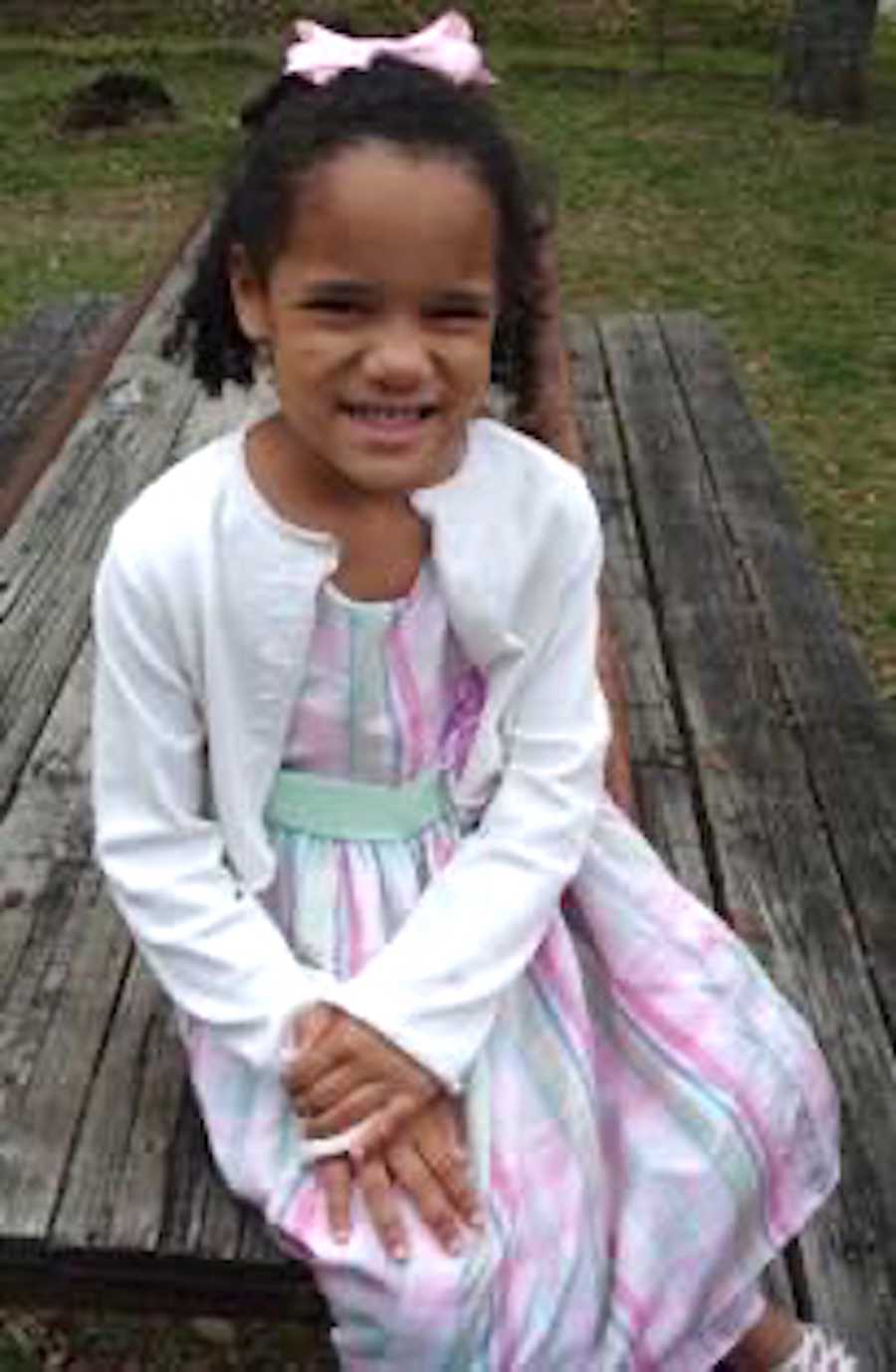
As evening approached, we prepared dinner. The agency had instructed us to offer something familiar, so my husband and I—usually fans of vegetables, meat, and starch—settled on hotdogs, sneaking in a side salad on the plate. She stared at the porcelain, the utensils, the napkin. Then she studied the contents of her plate.
“Why are you feeding me GRASS?” she asked, incredulous.
“Grass?” I whispered to myself. From Houston, I thought she’d surely know what a salad looked like. In that moment, my head sank. I realized the weight of the commitment I had made—a commitment that would forever change both our lives. What had I expected? That I could simply play “Mommy” and she would immediately respond with love and gratitude? Who was this stranger in my home?
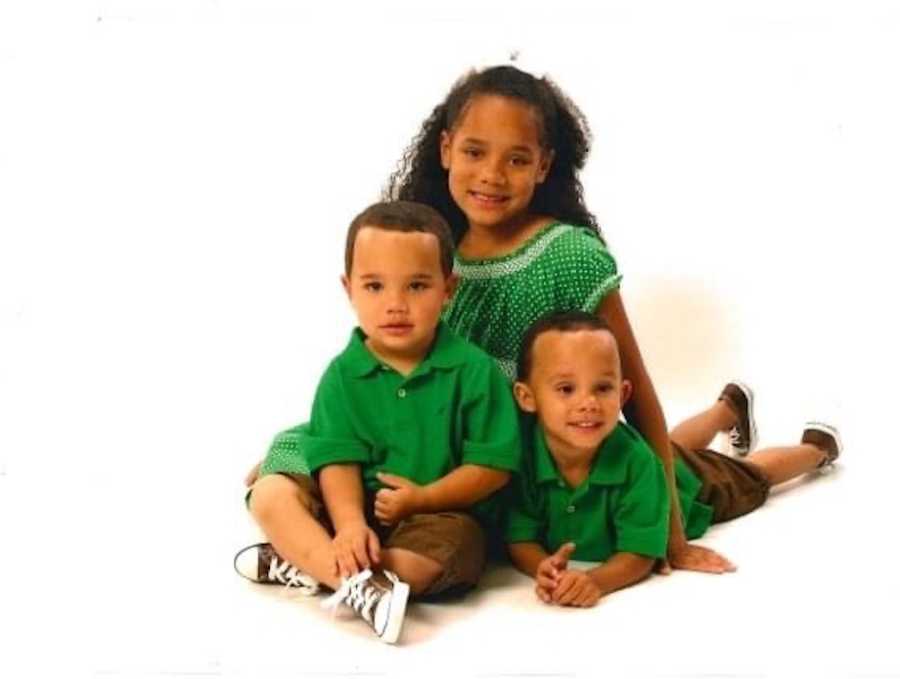
Curiosity replaced my initial anxiety. Perhaps if she didn’t recognize salad, she might respond to other familiar items. I placed a coloring book and crayons on the table.
“Do you like to color?” I asked gently. Her eyes narrowed, puzzled.
“What do you want me to do with this?” she replied. Inside, I screamed. But my face stayed calm. I couldn’t let her feel ashamed for not knowing. Who was this stranger I had brought into my home?
That night, I gave her her first little pink toothbrush.
“It’s time to brush, sweetie!” I said cheerfully. Slowly, she scuffled toward the restroom.
“What’s that?” she asked.

How do you explain something so ordinary, something I took for granted, to a four-year-old who had never used crayons, brushed her teeth with a brush, or tasted a salad? Surely, I thought, this can’t be real. Who was this stranger in my home?
As I tucked her in that night, I tried to explain the importance of nutrition, creativity, and hygiene. Her unsure eyes wandered the room, silently questioning the truth of my words. Who was this stranger?
Weeks turned into months, and our efforts seemed to falter. She obeyed when we watched but resisted when our eyes weren’t on her. Learning, social skills, affection, eye contact, hygiene, respect—none of it stuck. Exhausted, I began to see a new truth: this was all her timing, not mine. And slowly, I realized we were the strangers in her world. She had not chosen to leave her birth family, and yet she had been thrust into a life with complete strangers who expected her love and trust.

We were the strangers all along. According to Webster’s Dictionary, a stranger is:
- A person whom one does not know or with whom one is not familiar.
- A person who is unaccustomed to a feeling, experience, or situation.
- A newcomer, outsider, or visitor.
We had entered her world asking, even demanding, that she trust and love us after she had been betrayed by the people she did know. I remember driving to visit family in Crosby, glancing in the rearview mirror, saying, “We love you!” Her expression said everything—was that the first time she had ever heard those words directed at her? Was she simply not ready to believe them?
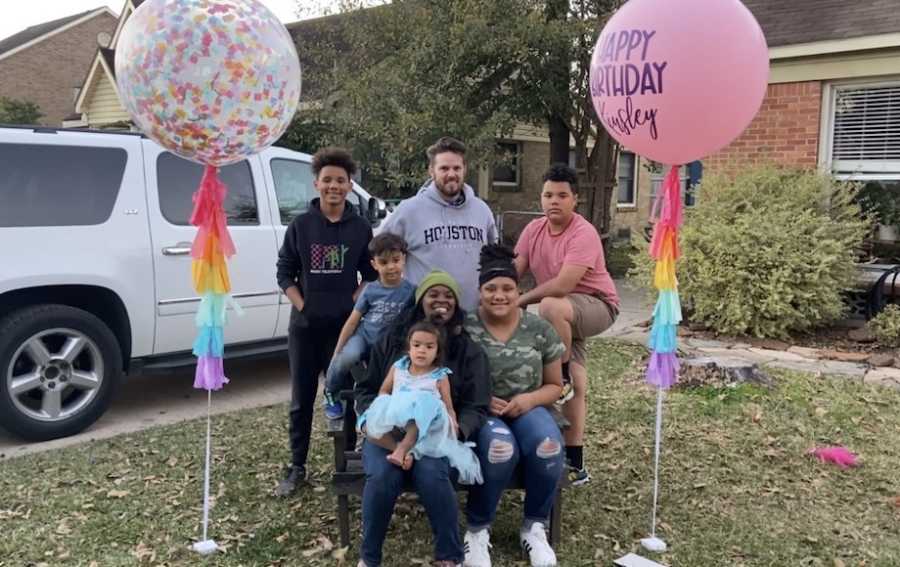
“’What do you mean?’” she asked one day, simple words that reminded us again how foreign we were to her. We forget how ingrained the warning is: don’t trust strangers. Don’t hug strangers. And yet, here we were, her supposed parents, trying to break through those lessons with love.

Looking back, it breaks my heart. All she knew was that these strangers had given her a new room, new clothes, and requested she call them “Mom” and “Daddy.” She called me “Mom” at home and “Mom” in public, yet sometimes “Uncle Adam” in private for her father’s sake. She had to leave the car for school with strangers who promised they’d return. Could she trust us to love and protect her? To love her brothers, whom she had just met? Could she ever be sure she would belong here?
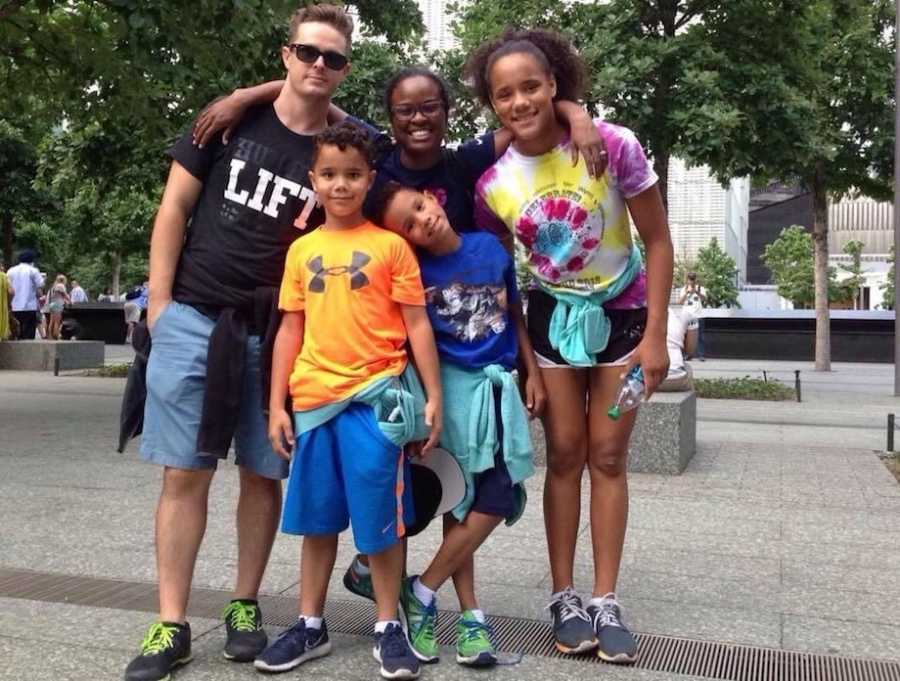
We tried to normalize her childhood—playtime, toys, friendships. Often, she would say, “I don’t know how to play. We only had the broken playground and dirt.” Even our attempts to show her joy and fun met with hesitation. She didn’t yet understand the happiness I felt at giving her a life I believed she deserved. How could I have expected a four-year-old to renounce the mother she loved and accept me as better?
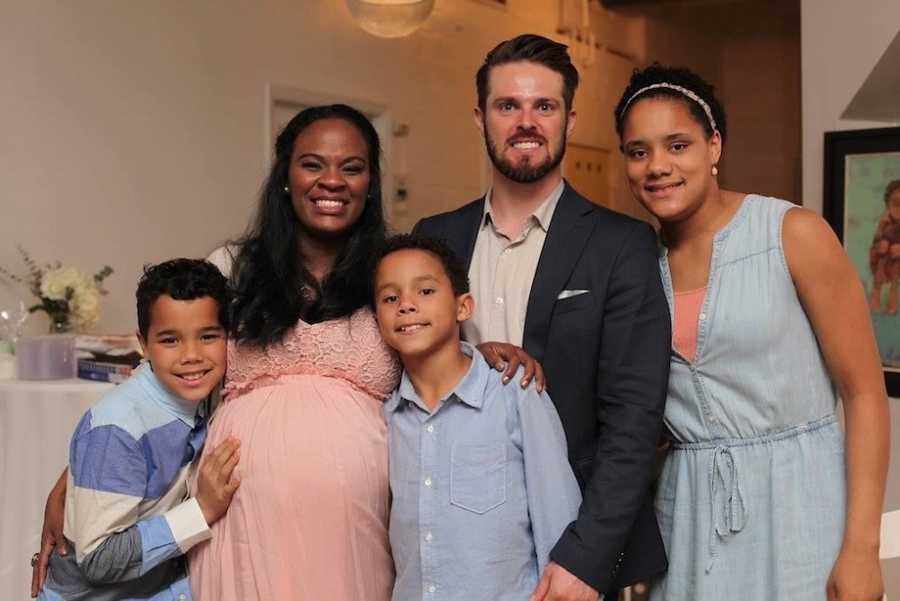
Consistency became our only ally. The book Too Scared to Cry reminds us: “A life may progress, dragging along its unresolved griefs, hauntings, and terrors.” Our daughter’s fear and resistance were patterns born from loss and shock. Every action we took to show care, every rule, every lesson, was a commitment to breaking the word “stranger” through consistency and love.

Adoption is not for the faint of heart. Compassion is essential—for the child and for yourself. Our daughter’s mind had been trained to expect deceit and manipulation. Yet through patience and love, compassion became our guide. Every small smile, every hug, every moment of connection became a tiny victory.
We continue to be consistent, showing her, day after day, that the strangers in her life are here to stay. And one day, these strangers will no longer just be strangers—they will be her forever parents. Deep down, we know she wants to connect; she just doesn’t always know how. And that’s why, every little breakthrough, no matter how small, feels monumental.