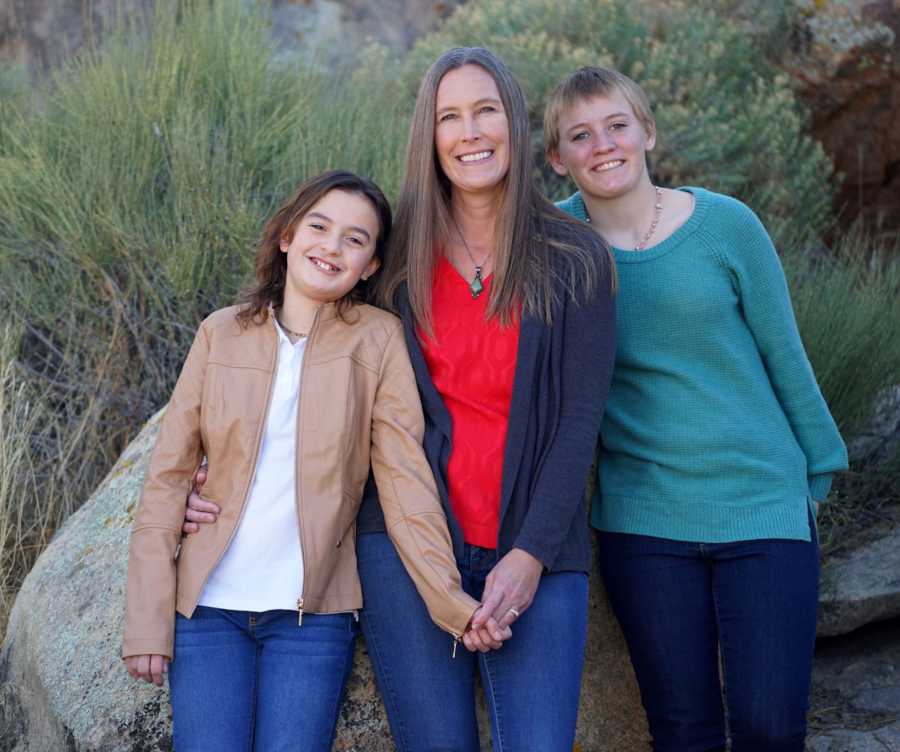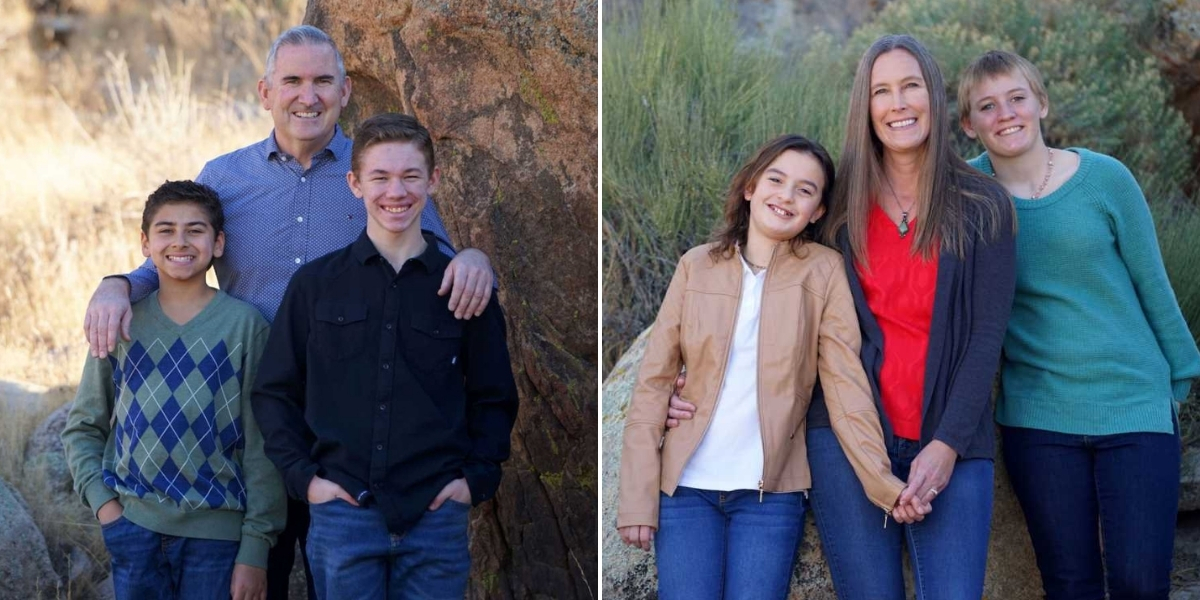
We never imagined we would lose a son. When Paul and I began the adoption process, our hearts were filled with hope—we longed to build a family. What we didn’t anticipate was the heartbreak, the wrenching sense of brokenness, and how our lives would be upended, rearranged, and unraveled. At the time, we missed the bigger picture, the way life was quietly preparing us for lessons we couldn’t yet understand.
Paul and I had always wanted to be parents. It was as certain to us as the rising sun. Children held a special place in our hearts long before we were married, and it didn’t matter how they came into our lives. Adoption or biological birth—either path was part of the plan. We simply desired to be a family.
It wasn’t a question of “if” but “when.” By the time we began officially trying, we had been married six years. We assumed conception would come easily and, for a while, we didn’t worry. But as the months passed with no pregnancy, each one brought disappointment heavier than the last. After seven months of trying naturally, and six months on Clomid, we moved to artificial insemination and eventually in vitro fertilization.
To say the journey was grueling would be an understatement. Each setback chipped away at our hope, pushing us closer to the realization that a biological child might never be ours. That was when we decided to take steps to grow our family through the County of San Bernardino’s Relinquishment Program for domestic infant adoption—even while continuing infertility treatments. No social workers knew; in fact, many frowned upon our decision, sharing unsolicited opinions we chose to politely ignore.
Our hope for family didn’t hinge on natural conception. Adoption had always been part of our vision. “Have two, adopt two,” we would joke early in our relationship. And so, in the fall of 2002, we began the process. I remember the chill in the Victorville County Office as we waited for orientation. Couples shifted nervously, the room thick with anticipation. Once the doors opened, we quickly took our seats. Licensing classes came first: six hours of PRIDE training over four Saturdays, packed with lectures and videos detailing the realities of fostering and adoption. It was a lot to absorb, but we gave it our all.
Preparing our home was another task—along with finances, background checks, and the emotional work of readying ourselves. Four months later, we were licensed, ready for the next step: the relinquishment portion of the training. We created a book for expectant mothers to browse and choose the family they felt was right for their child. Then came the hardest part—waiting. Seven months passed before we were officially “on the market,” licensed with the county, hearts heavy with uncertainty. Friends were having babies, families were growing, and we wondered if we would ever hold a child of our own.
And then, nine months into the process, the call came. I had just arrived at school, ready to teach another day to someone else’s children, when a purple sticky note caught my eye: “Call Chaite St. Frances.” My heart stopped. A lump formed in my throat, my body already anticipating how to respond perfectly, as it had so many times before. Ringing the number, I tried to steady myself. The secretary shuffled papers, Chaite searched her desk—and then, in that instant, everything changed.
“We have a little girl,” I whispered to Paul, my hands trembling. Blonde hair, blue eyes, three months old. In that moment, Lydia became our daughter, and our hearts were forever bonded to her. She was the first of four children we would bring home through adoption, each with their own unique journey, each destined to be ours.
But adoption brought realities I hadn’t anticipated. Lydia had a family long before us—siblings, a mother, a father. The same would be true for each child we welcomed. And then came Daniel, a court-dependent child removed at birth. After nine months in the system, he joined our home as a concurrent placement. Daniel stayed only until his father’s rights were restored, leaving us with memories and heartbreak. This experience showed us the raw edges of adoption: families built and torn apart, love entwined with loss.
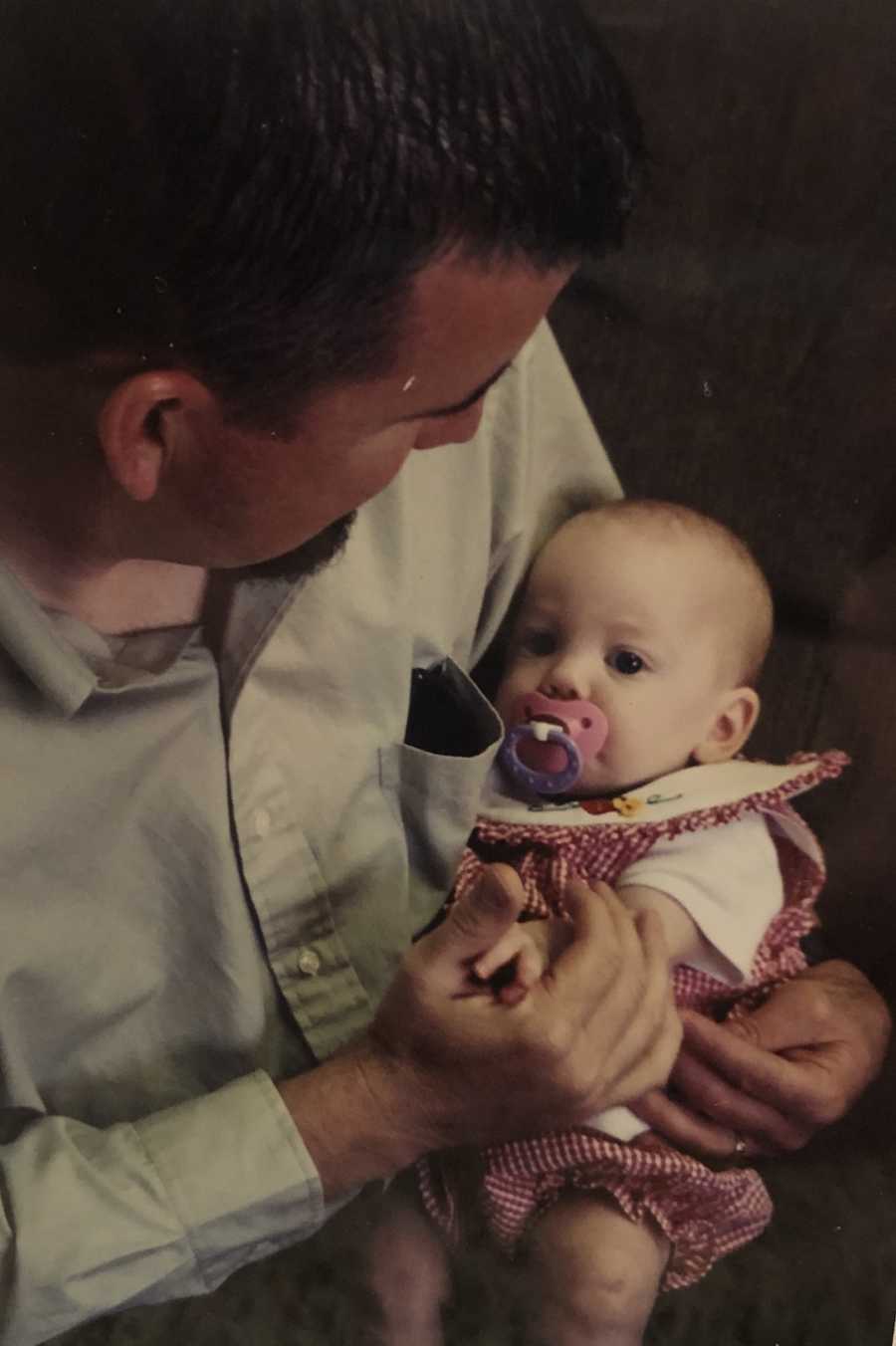
It reshaped how we approached openness with birth families. While Lydia’s birth mother chose no contact, we committed fully to honoring the wishes of others. Shayla wanted photos and letters, Noelle desired meals and introductions, Pam sought full access. Meeting these parents—sharing fries, steak, and hospital rooms—taught us humility, trust, and gratitude. Because of their choices, our lives became full in ways we never imagined.
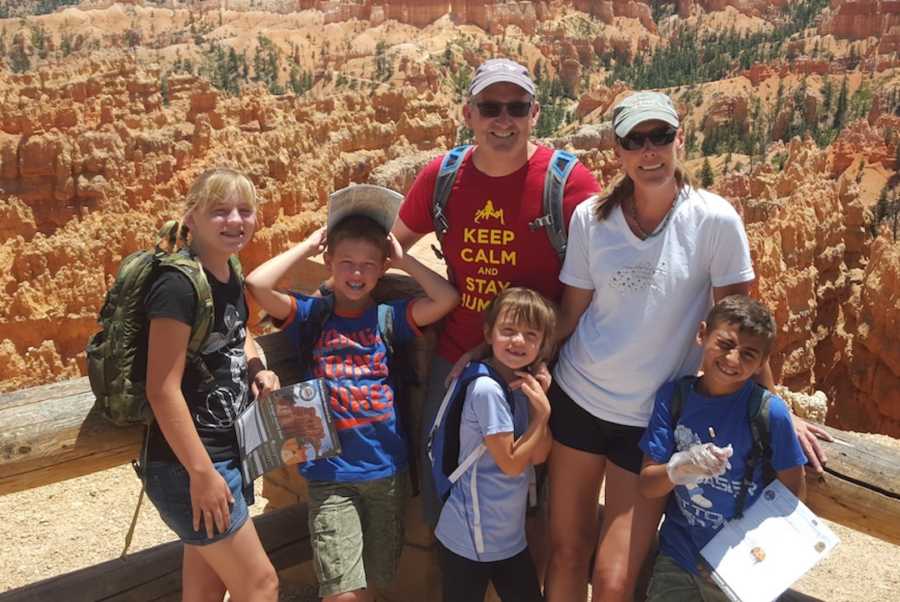
Through Lydia’s eyes, David’s smiles, Elijah’s warmth, and Naomi’s sweet nature, we experienced love multiplied. We made memories in 51 of the continental United States’ National Parks, celebrated milestones, and remained connected to birth families through phone calls, texts, and social media. Each connection added depth, understanding, and healing to our story.
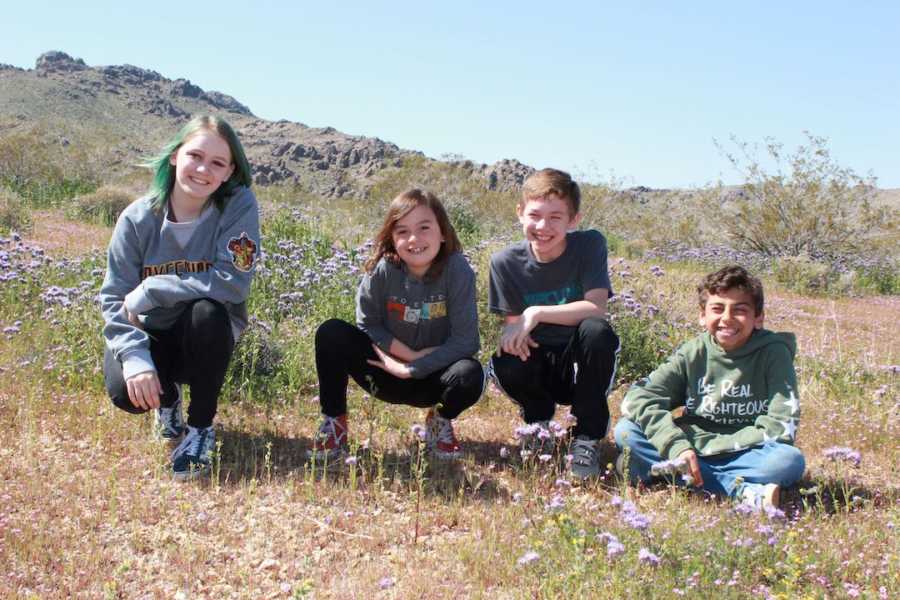
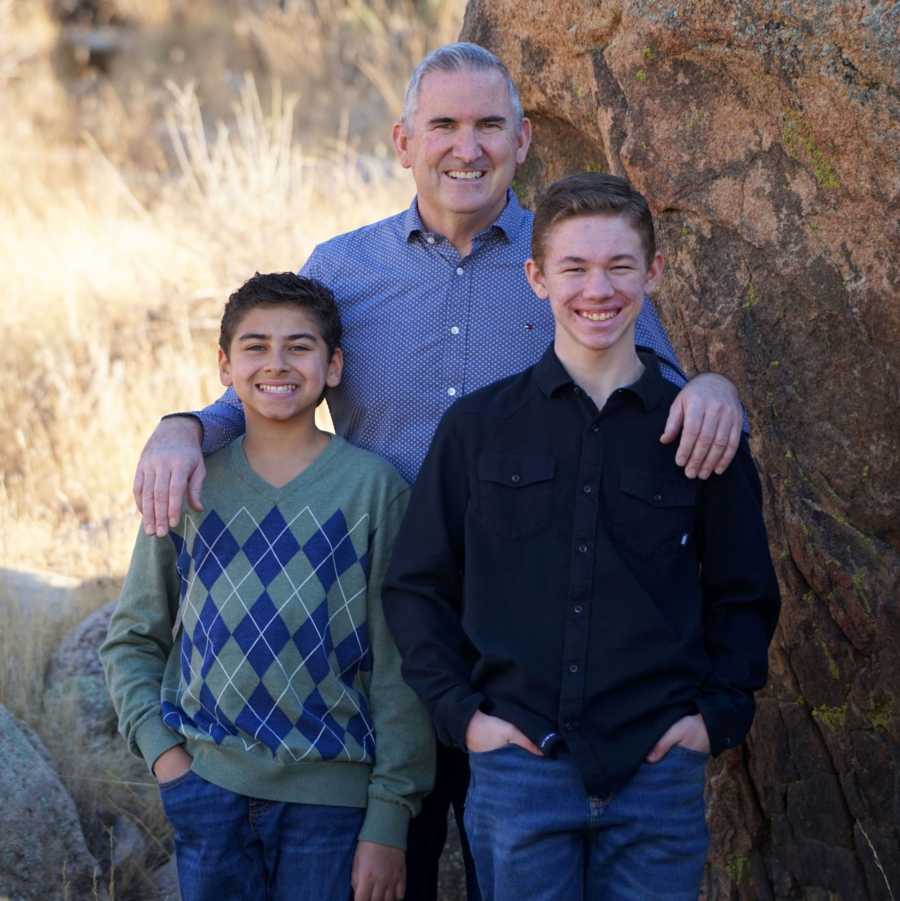
Lydia recently turned 18 and explored her genetic heritage through ancestry.com. In weeks, she connected with her birth sister, eight siblings, and extended family. I watched her heal, witness her identity solidify, and gain a confidence that only knowing one’s roots can provide. This peace extends to all our children, giving them strength as they grow into the world.
Through adoption, we learned family is bigger than we imagined. It is love multiplied, loss endured, and connections cherished. Our children, our extended families, and the stories we share remind us that holding, nourishing, and loving our children is a gift. And even in the face of heartache, we discovered that opening our arms to possibility makes the world a smaller, more beautiful place.